Polycystic ovaries: how to help yourself the natural way?
epivyziva.cz/
Zobrazeno: 307
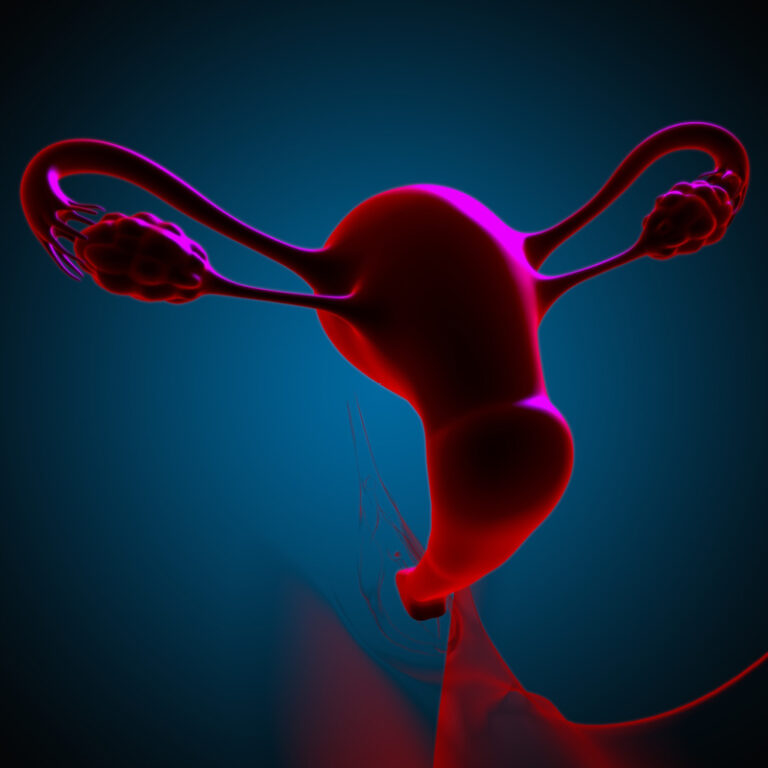
Irregular menstruation, problems getting pregnant, excessive body hair, excess weight or hair loss – all these can be symptoms of a disease called polycystic ovary syndrome. Lifestyle modifications, as well as herbal treatments or dietary supplements, can be very effective.
While testosterone is primarily a male sex hormone, that doesn’t mean that women don’t have it in their bodies. In fact, the so-called androgens it belongs to are not only produced in the testes, but also in the adrenal glands, adipose tissue, and even the ovaries. Thus, testosterone is also found in the female body, where it performs a number of important functions, only there is 7-10 times less of it than in the male body. That is, under normal circumstances.
Sometimes, however, it happens that a woman’s ovaries begin to produce testosterone and other androgens in excess. This happens in the case of polycystic ovary syndrome (PCOS), which is a very common gynaecological disease – an estimated 10% of women of childbearing age suffer from it.
The name of the syndrome comes from the fact that it usually involves lots of small cysts, or fluid-filled sacs, in the ovaries. However, many women suffer from symptoms of PCOS even though they have no cysts in their ovaries, just as there are women with cysts in their ovaries who do not suffer from any symptoms of the disease.
The most common symptoms
How do you know if a woman has PCOS? First of all, she has elevated levels of androgens, but the production of other hormones, such as luteinizing hormone, is also disturbed. This is associated with a number of typically male characteristics – thinning hair, excessive hair growth (especially on the chest, back and face) or fat accumulation around the waist. There is often excessive acne, but also dark patches of skin on the back of the neck, under the armpits and under the breasts. Irregular menstrual cycles and problems getting pregnant are typical, often caused by the absence of ovulation.
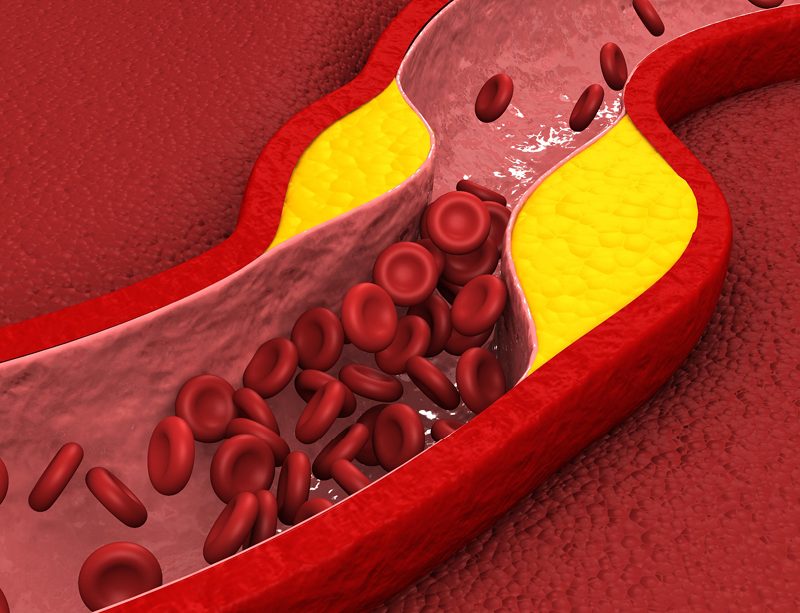
However, these are not the only difficulties that PCOS brings – women who suffer from it have a significantly higher risk of developing diabetes, cardiovascular disease, fatty liver or endometrial cancer, for example, and there is also typically an increased level of inflammation in the body.
Ultrasound is then used to confirm the diagnosis (in particular to monitor the size of the ovaries, the presence of cysts and the thickness of the uterine lining) and blood tests to determine the level of androgens.
Lots of genes at play
The exact causes of PCOS are not known. Studies have shown a high proportion of heredity – daughters of women with PCOS have up to 5 times higher risk of developing the syndrome compared to the general population.
But “hard inheritance” does not play such a big role here – only an estimated 10%. What is primarily inherited here is not genes, but epigenetic changes in the DNA. The androgens that circulate in the mother’s blood during pregnancy and the dysfunction of her placenta also contribute to her daughters’ problems – the placenta normally produces the enzyme aromatase, which eliminates excess testosterone, but in mothers with PCOS the production of this enzyme is impaired.
In addition, the metabolic disorders associated with PCOS can be passed on to future generations – obesity and insulin resistance have been shown to contribute to its development.
It cannot be said that a single gene is responsible for the development of PCOS. Negative epigenetic changes (especially in the sense of different DNA methylation rates, but also histone modifications and microRNA production) affect a large number of genes – more than a hundred have been identified. These included genes related to the development of inflammation, cancer or insulin signalling.
However, environmental toxins can also contribute to the development of PCOS – typically those that are hormone disruptors (such as Bisphenol A), but also nicotine. A link to the balance of the gut microbiome has also been demonstrated.
Lifestyle is the foundation
Classical medicine treats PCOS with lifestyle modifications, hormonal contraceptives are often recommended, as well as antiandrogens, which have a number of side effects, and in the case of trying to conceive, ovulation-inducing drugs. Sometimes antidiabetic drugs are also used. What else can a woman suffering from PCOS do for herself?
Since epigenetic reactions play a major role in the development of PCOS, it is very important to maintain a healthy lifestyle – lifestyle has a significant impact on our epigenetic patterns.
The basis is, of course, a healthy diet. Since insulin resistance is involved in the development of PCOS, it is important to limit as much as possible the consumption of carbohydrates with a high glycaemic index – i.e. in particular, to exclude sweets or white flour products from the diet.
An anti-inflammatory diet, i.e. limiting carbohydrates with a high glycemic index, animal fats, highly processed foods and food additives, and conversely, eating plenty of vegetables, whole grains, legumes and other sources of fibre, olive oil, fish, berries, etc., also helps regulate PCOS symptoms.
The DASH diet (Dietary Approaches to Stop Hypertension), which is used to reduce the risk of cardiovascular disease, also has proven positive effects. It limits the consumption of animal fats and red meat, and instead recommends fish, poultry, vegetables, fruit and whole grains.
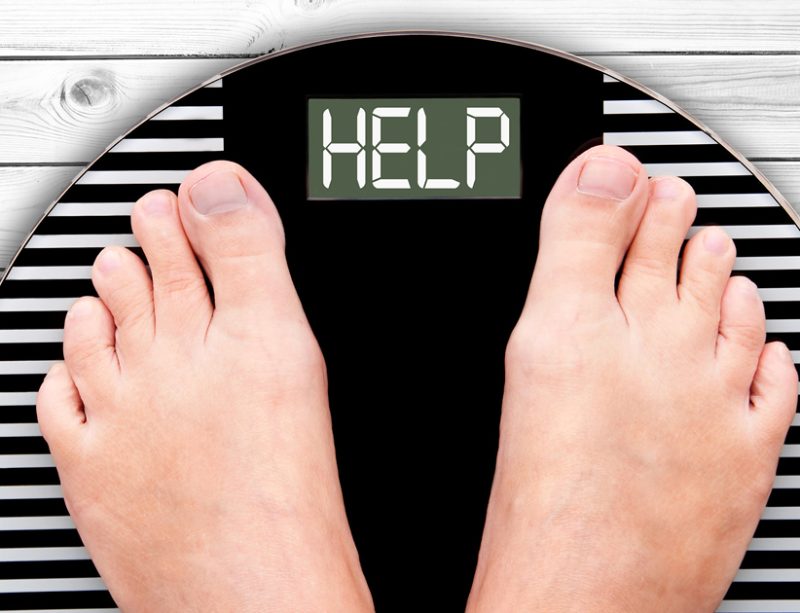
Trying to maintain a healthy body weight should also be essential. Obesity has been shown to worsen the symptoms of PCOS. On the other hand, reducing your body weight by just 5% is enough to significantly reduce them.
Regular exercise is also advisable – not only for weight maintenance, but also because of its epigenetic effects. In particular, it helps to reduce both the symptoms of PCOS and the risk of diabetes and cardiovascular disease.
Stress-reducing practices (including, for example, yoga and meditation), as well as quality sleep, also have a positive effect.
Herbs and dietary supplements
There are quite a few natural substances and herbs that can help with PCOS to alleviate symptoms, promote pregnancy or reduce the risk of related diseases. Here are a few examples.
Coleus forskohlii – a herb native to the Himalayas can regulate hormonal and immunological balance very effectively in PCOS, and it can be well combined with conventional drugs. It also increases the likelihood that a woman with PCOS will be able to conceive. More about the herb here “
Resveratrol (+ quercetin) – not only experiments on mice, but also clinical studies have shown that resveratrol helps in PCOS to reduce testosterone production in the ovaries and adrenal glands, but also normalizes the secretion of luteinizing hormone. It also has a positive effect on insulin resistance. The combination of resveratrol with quercetin is very useful here, which not only improves its availability but also contributes to the effect with its epigenetic and anti-inflammatory properties. Read more here “
Baikal coneflower – taking an extract from the root of this herb has been shown to relieve PCOS symptoms, promote a decrease in free and total testosterone, and regulate levels of other important hormones. In addition, it helps alleviate insulin resistance and improves reproductive function. Read more “
Folic acid – is an important source of methyl and thus supports optimal DNA methylation.
Genistein, a polyphenol derived from soy, helps regulate the secretion of sex hormones, alleviating the symptoms of PCOS and insulin resistance. Read more “
Saffron – the scales of the crocus are known for their positive effects on depression, but they can also help with PCOS. They help to regulate the hormonal balance and alleviate the symptoms of this syndrome. Read more “
Omega-3s – adequate intake of these unsaturated fatty acids is essential in PCOS, whether for their anti-inflammatory effects or their ability to regulate hormonal balance and reduce insulin resistance. If the diet does not contain enough of them, it is advisable to supplement them in the form of dietary supplements. Read more “
Vitamin D3 – this vitamin helps regulate inflammatory processes, reduces insulin resistance and reduces the risk of cardiovascular disease. In addition, its administration to women with PCOS has been shown in studies to reduce testosterone production, improve menstrual cycle regularity and egg maturation in the follicles. Read more “
Zinc, magnesium – taking zinc for PCOS not only helps to regulate hormonal balance, but also to reduce inflammation and many symptoms of the syndrome, such as hair loss and skin problems. Magnesium supplementation, in turn, has been shown in research to alleviate testosterone production and excessive body hair. Low magnesium levels are typical for women with PCOS. Read more here “
Milk thistle – a popular liver herb can also help with PCOS. It is anti-inflammatory and helps to reduce testosterone levels. Read more here ” https://www.epivyziva.cz/ostropestrec-mariansky/
Gurmar – gymnema sylvestris, better known as gurmar, is one of the most effective natural remedies for lowering blood sugar and insulin resistance, and is therefore very suitable for PCOS. In addition, it helps to reduce testosterone levels in the blood. Read more “
Curcumin – a dye from turmeric root is one of the most effective natural anti-inflammatory agents and also helps to reduce blood glucose levels and insulin resistance. It also supports proper ovarian function. Read more “
Taking probiotics can also help.
0:00
/
0:00
Stárnutí je volba
Klíčová slova: Baikal pine cone, Coleus forskohlii, curcumin, diabetes, fertility, Genistein, getting pregnant, Gurmar, hair loss, heart and blood vessels, Hormonal balance, insulin resistance, Magnesium, menstruation, omega-3, PCOS, Polycystic ovary syndrome, pubic hair, resveratrol, saffron, testosterone, Vitamin D3, zinc
Komentáře
Seznam zdrojů
- https://www.hopkinsmedicine.org/health/conditions-and-diseases/polycystic-ovary-syndrome-pcos
- Elisabet Stener-Victorin, Qiaolin Deng. Transmission of Polysystic Ovary Syndrome via Epigenetic Inheritance. Trends in Molecular Medicine, June 11, 2021.
- Dumesic D.A. et al. Scientific statement on the diagnostic criteria, epidemiology, pathophysiology, and molecular genetics of polycystic ovary syndrome. Endocr. Rev. 2015; 36: 487-525
- https://www.medicalnewstoday.com/articles/323002#diet-and-pcos
- JOSHUA C COMBS, MD, MICAH J HILL, DO, and ALAN H DECHERNEY, MD. Polycystic Ovarian Syndrome Genetics and Epigenetics. Clin Obstet Gynecol. 2021 Mar 1; 64(1): 20–25.
- https://www.mayoclinic.org/diseases-conditions/pcos/symptoms-causes/syc-20353439
- Hoda M.L. Abd-Allah, Mona M. AbdAlhady, Magda N.A. Abdelall, Sahar N. Mohamedy, Waheeb D.M. Alharbi and Adil O. Bahathiq. Hormonal and Immunological responses to Coleus forskohlii treatment in Female Rats with Experimentally Polycystic Ovaries Syndrome. Zagazig Veterinary Journal. Volume 45, Number 1, p. 74-81, March, 2017.
- Hammad Ali Fadlalmola, Amal Mohammed Elhusein, Khaled Mohammed Al-Sayaghi, Muayad Saud Albadrani, Duggahatti Veerabhadra Swamy, Daniel Mon Mamanao, Ehab Ibrahim El-Amin, Salma Elhadi Ibrahim, and Siddiqa Mohammed Abbas. Efficacy of resveratrol in women with polycystic ovary syndrome: a systematic review and meta-analysis of randomized clinical trials. Pan Afr Med J. 2023; 44: 134.
- Kailin Yang, Liuting Zeng, Tingting Bao, Zhiyong Long & Bing Jin. Exploring the Pharmacological Mechanism of Quercetin-Resveratrol Combination for Polycystic Ovary Syndrome: A Systematic Pharmacological Strategy-Based Research. Scientific Reports volume 9, Article number: 18420 (2019)
- Ramin Nasimi Doost Azgomi, Arezoo Moini Jazani, Arash Karimi, Sanaz Pourreza. Potential roles of genistein in polycystic ovary syndrome: A comprehensive systematic review. European Journal of Pharmacology, Volume 933, 15 October 2022, 175275
- Fazeleh Moshfegh, Saeedeh Zafar Balanejad, Khadige Shahrokhabady, Armin Attaranzadeh. Crocus sativus (saffron) petals extract and its active ingredient, anthocyanin improves ovarian dysfunction, regulation of inflammatory genes and antioxidant factors in testosterone-induced PCOS mice. Journal of Ethnopharmacology, Volume 282, 10 January 2022, 114594
- Kailin Yang,Liuting Zeng,Tingting Bao, and Jinwen Ge. Effectiveness of Omega-3 fatty acid for polycystic ovary syndrome: a systematic review and meta-analysis. Reprod Biol Endocrinol. 2018; 16: 27.
- Anmol Mohan, MBBS, Ramsha Haider, MBBS, Hajar Fakhor, MBBS, Fnu Hina, MBBS, Vikash Kumar, MD, Aleeza Jawed, MBBS, Koushik Majumder, MBBS,Aliza Ayaz, MBBS, Priyanka Mohan Lal, MBBS, Usha Tejwaney, Pharm. D, Nanik Ram, FCPS, and Saka Kazeem, MD. Vitamin D and polycystic ovary syndrome (PCOS): a review. Ann Med Surg (Lond). 2023 Jul; 85(7): 3506–3511.
- Mehri Jamilian , Fatemeh Foroozanfard, Fereshteh Bahmani, Rezvan Talaee, Mahshid Monavari, Zatollah Asemi. Effects of Zinc Supplementation on Endocrine Outcomes in Women with Polycystic Ovary Syndrome: a Randomized, Double-Blind, Placebo-Controlled Trial. Biol Trace Elem Res. 2016 Apr;170(2):271-8.
- Mahsa Gholizadeh‐Moghaddam, Hatav Ghasemi‐Tehrani, Gholamreza Askari, Mahsima Jaripur, Cain C. T. Clark, and Mohammad Hossein Rouhani. Effect of magnesium supplementation in improving hyperandrogenism, hirsutism, and sleep quality in women with polycystic ovary syndrome: A randomized, placebo‐controlled clinical trial. Health Sci Rep. 2023 Jan; 6(1): e1013.
- Bushra Hassan Marouf, Dana Omer Ismaeel, Ali Hussein Hassan, and Othman Jalal Ali. Therapeutic Effects of Silibinin Against Polycystic Ovary Syndrome Induced by Letrozole in Rats via Its Potential Anti-Inflammatory and Anti-Oxidant Activities. J Inflamm Res. 2022; 15: 5185–5199.
- Divya Vora, Hardi Kapadia, Susha Dinesh, Sameer Sharma and Dinesh Sosalagere Manjegowda. Gymnema sylvestre as a potential therapeutic agent for PCOS: insights from mRNA differential gene expression and molecular docking analysis. August 2023. Future Journal of Pharmaceutical Sciences 9(1)
- Wenjuan Shen, Yangfan Qu, Huan Jiang, Hongwei Wang, Yujia Pan, Yuehui Zhang,1 Xiaoke Wu, Yanhua Han, and Yang Zhang. Therapeutic effect and safety of curcumin in women with PCOS: A systematic review and meta-analysis. Front Endocrinol (Lausanne). 2022; 13: 1051111.
- Wei Wang, Jiahua Zheng, Na Cui, Lei Jiang, Han Zhou, Dan Zhang, and Guimin Hao. Baicalin ameliorates polycystic ovary syndrome through AMP-activated protein kinase. J Ovarian Res. 2019; 12: 109.