An important role in the control of circadian rhythms is played by what we call epigenetic processes. These are biochemical reactions in our body that are triggered by various external stimuli and that fundamentally influence the activity of individual genes in our DNA. It is epigenetic reactions that control a wide range of processes in our body, and circadian rhythms are no exception.
Circadian rhythms, sometimes referred to as the internal clock, affect not only the alternation of sleep and wakefulness, but also a variety of other functions in our bodies: hormone secretion, digestion, and body temperature fluctuations. These rhythms are mainly controlled by the alternation of light and dark.
If everything is running as it should and the processes in our body follow a 24-hour daily rhythm, this is good news. But when circadian rhythm disturbances occur, it can have widespread effects on our health. That’s when the risk of obesity, depression and other mental health problems, heart and blood vessel disease, cancer and even Alzheimer’s disease, for example, increases significantly. Moreover, circadian rhythms are closely related to the rate of ageing.
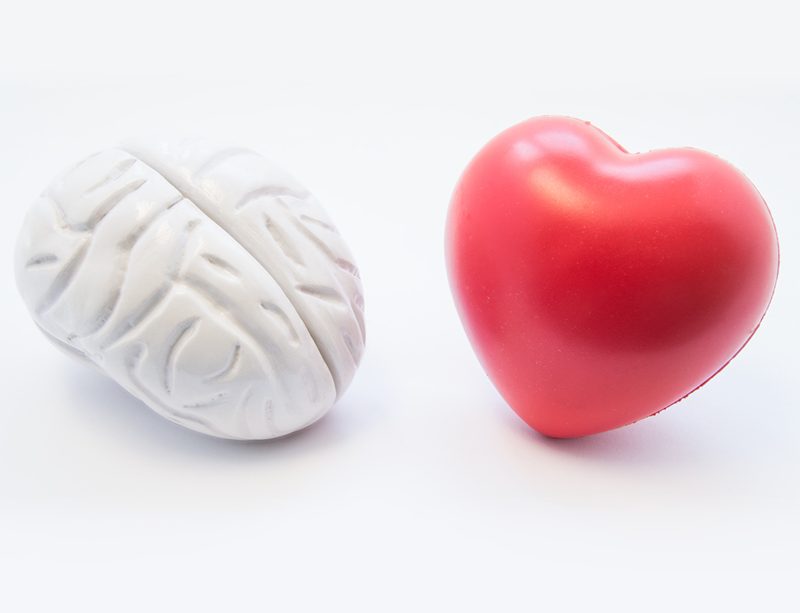
Our internal clock is controlled by a structure called the suprachiasmatic nucleus, which is located in a part of the brain called the hypothalamus. It is the suprachiasmatic nucleus that receives signals from the external environment (mainly the intensity of light in our surroundings), and on the basis of these signals controls the so-called peripheral clock, which is found in virtually all tissues of our body. Thus, virtually every cell in our body reacts to the alternation of day and night and other environmental influences.
Research in recent years has revealed several genes involved in the control of these processes – among the most important regulators of the internal clock are the CLOCK and BMAL genes. However, various external stimuli, especially our lifestyle and environment, trigger a cascade of epigenetic reactions that can influence the activity of these genes – in particular gene methylation, histone acetylation and regulation by microRNAs.
However, many of the genes involved in regulating the internal clock also influence the processes leading to certain diseases and disorders. For example, the activity of the CLOCK gene is related to memory and metabolism, and the BMAL gene affects not only metabolism but also cancer risk. The Per1 and Per2 genes, which are also involved in the regulation of the internal clock, are also associated with cancer risk. Other genes affect the production of the transcription factor NRF2, which in turn regulates the activity of antioxidant genes.
Enzymes called sirtuins play a very important role here, especially one of them, SIRT1. It activates the already mentioned regulators of the internal clock, the CLOCK and BMAL genes, in the hypothalamus. However, SIRT1 also has other important epigenetic effects and, among other things, it has a major impact on the rate of ageing and can promote weight loss by helping to reduce leptin resistance (leptin is a hormone that affects appetite).
There have been only a handful of studies that have investigated the epigenetic context of circadian rhythms (and mostly in animals), and therefore there is no thorough mapping of how to influence these processes to our benefit.
A very important factor is probably our nutrition. When pregnant female macaques, for example, were fed a high-fat diet, their babies experienced a disruption in the activity of genes related specifically to the internal clock. But the good news is that when their offspring were later put on an optimal diet, these negative epigenetic marks were removed, and gene activity adjusted again.
Excessive carbohydrate intake also has a negative effect on circadian rhythms, while restricting total calorie intake has a positive effect. The synchronization of the internal clock is probably the reason why limiting energy intake leads to a prolonged life.
It is also definitely worth respecting the alternation of day and night, both in terms of activity (i.e. sleeping at night and being active during the day), but also in terms of light exposure – avoiding, for example, intense light at night. In fact, when female mice were exposed to varying amounts of light during gestation, their offspring experienced changes in suprachiasmatic nucleus function and disruption of Per1 gene activity.
Also of great interest is research on some of the nutrients and herbs that have epigenetic effects
Epigallocatechin gallate is one of the popular weight loss supplements. One reason for this may be that it helps to regulate the internal clock in the liver and adipose tissue via epigenetic pathways, which may affect weight gain caused by circadian rhythm disorders.
This herb contains several substances with epigenetic effects (rosmarinic acid and carnosic acid, carnosol). It has significant positive effects on sleep quality, energy levels, memory and cognitive processes, which is probably related to its ability to influence the internal clock.
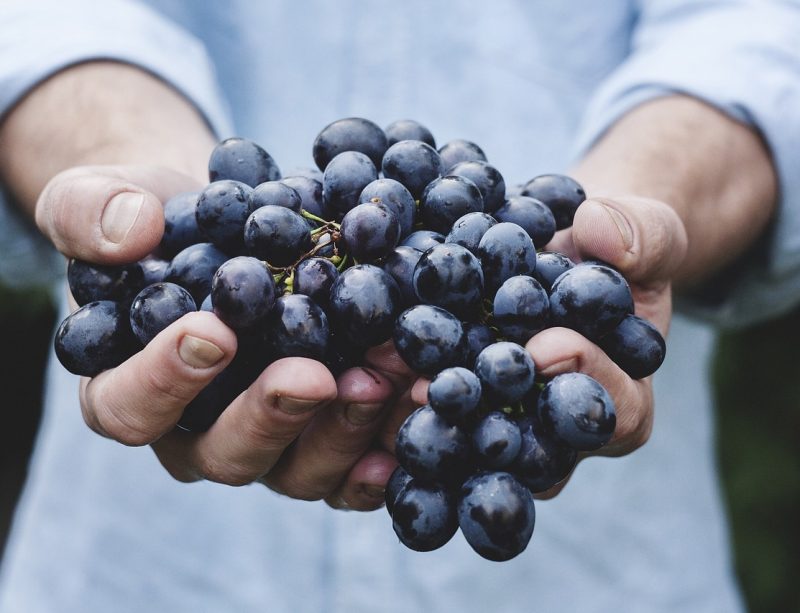
The colouring agent contained in red wine in particular has extensive epigenetic effects and, among other things, can significantly influence the production of sirtuin1. Thanks to this, it is also effectively involved in the regulation of circadian rhythms.
PŘIHLASTE SE K ODBĚRU NOVINEK A MĚJTE VŽDY ČERSTVÉ INFORMACE
| Cookie | Duration | Description |
|---|---|---|
| cookielawinfo-checkbox-analytics | 11 měsíců | Tento soubor cookie je nastaven pluginem GDPR Cookie Consent. Soubor cookie se používá k uložení souhlasu uživatele s používáním souborů cookie v kategorii „Analytika“. |
| cookielawinfo-checkbox-functional | 11 měsíců | Soubor cookie je nastaven na základě souhlasu s cookie GDPR k zaznamenání souhlasu uživatele pro soubory cookie v kategorii „Funkční“. |
| cookielawinfo-checkbox-necessary | 11 měsíců | Tento soubor cookie je nastaven pluginem GDPR Cookie Consent. Cookies slouží k uložení souhlasu uživatele s cookies v kategorii „Nezbytné“. |
| cookielawinfo-checkbox-others | 11 měsíců | Tento soubor cookie je nastaven pluginem GDPR Cookie Consent. Cookie se používá k uložení souhlasu uživatele s cookies v kategorii „Jiné. |
| cookielawinfo-checkbox-performance | 11 měsíců | Tento soubor cookie je nastaven pluginem GDPR Cookie Consent. Cookie se používá k uložení souhlasu uživatele s cookies v kategorii „Výkon“. |
| elementor | nikdy | Tento soubor cookie používá téma WordPress webu. Umožňuje vlastníkovi webu implementovat nebo měnit obsah webu v reálném čase. |
| viewed_cookie_policy | 11 měsíců | Soubor cookie je nastaven pluginem GDPR Cookie Consent a používá se k uložení, zda uživatel souhlasil nebo nesouhlasil s používáním souborů cookie. Neukládá žádné osobní údaje. |
| Cookie | Duration | Description |
|---|---|---|
| sb | 2 roky | Tento soubor cookie používá Facebook ke kontrole svých funkcí, shromažďování jazykových nastavení a sdílení stránek. |
| Cookie | Duration | Description |
|---|---|---|
| _ga | 2 roky | Soubor _ga cookie, nainstalovaný službou Google Analytics, vypočítává údaje o návštěvnících, relacích a kampaních a také sleduje využití webu pro analytický přehled webu. Soubor cookie ukládá informace anonymně a přiřazuje náhodně vygenerované číslo k rozpoznání unikátních návštěvníků. |
| _gat_gtag_UA_71041054_1 | 1 minuta | Nastaveno Googlem k rozlišení uživatelů. |
| _gid | 1 den | Soubor cookie _gid nainstalovaný službou Google Analytics ukládá informace o tom, jak návštěvníci používají webovou stránku, a zároveň vytváří analytickou zprávu o výkonu webu. Některá data, která jsou shromažďována, zahrnují počet návštěvníků, jejich zdroj a stránky, které anonymně navštěvují. |
| Cookie | Duration | Description |
|---|---|---|
| fr | 3 měsíce | Facebook nastavuje tento soubor cookie tak, aby uživatelům zobrazoval relevantní reklamy sledováním chování uživatelů na webu, na stránkách, které mají Facebook pixel nebo sociální plugin Facebooku. |
| _fbp | 3 měsíce | Tento soubor cookie je nastaven společností Facebook, aby po návštěvě webové stránky zobrazoval reklamy na Facebooku nebo na digitální platformě založené na reklamě na Facebooku. |
| Cookie | Duration | Description |
|---|---|---|
| pvc_visits[0] | 1 minuta | Tento soubor cookie vytváří počítadlo po zhlédnutí. Tento soubor cookie se používá k počítání počtu návštěv příspěvku. Pomáhá také zabránit opakovanému zobrazení příspěvku návštěvníkem. |