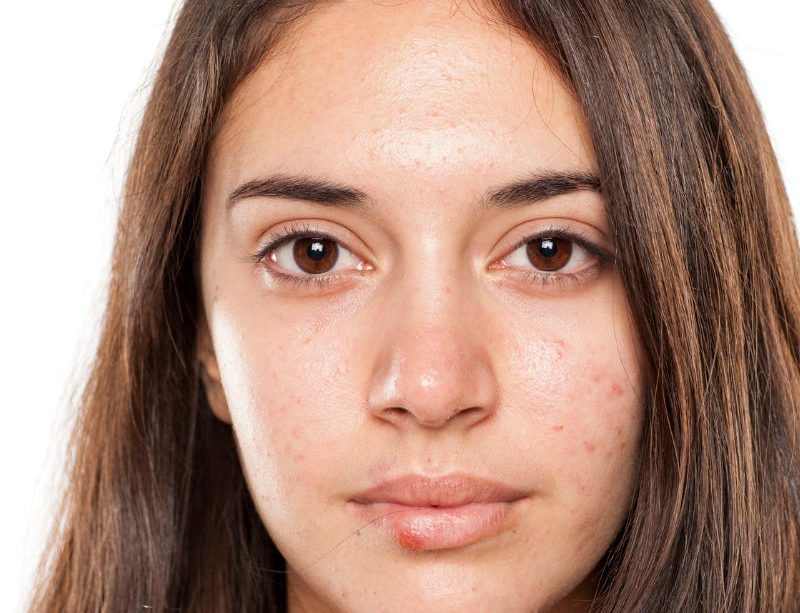
Psoriasis is an inflammatory disease that mainly affects the skin, but can also affect the joints – then we are talking about psoriatic arthritis. It is relatively common, affecting up to 3% of the population, and is an autoimmune disease.
A characteristic feature of psoriasis is the so-called hyperproliferation of keratinocytes, i.e. excessive rapid proliferation of skin cells. This division is completely natural, because our skin is constantly renewing itself – old cells die and are replaced by new ones. However, while healthy skin takes about four weeks to completely renew itself, in psoriasis the same number of cells is produced in just four days. The skin cells accumulate and are then invaded by immune cells – mainly dendritic cells, macrophages and T-lymphocytes – leading to inflammation.
As with all other autoimmune diseases, the influence of heredity has been confirmed in psoriasis. However, for inherited dispositions to actually translate into disease, other factors are required, many of which are epigenetic in nature – that is, external influences that can alter the activity of certain genes in our DNA. Differences have been observed in two basic epigenetic reactions in particular – so-called gene methylation and histone modification. These changes, for example, affect the production of cytokines, which are substances involved in inflammatory processes. Differences in the extent of these reactions have been found not only between healthy people and those with psoriasis, but also between affected and healthy skin in one person.
This means that the mere presence of “bad” genes is not enough to cause psoriasis, something is needed to “wake them up”. Typical skin problems often appear after certain infectious diseases, after mechanical irritation of the skin or during periods of high stress.
Nutrition also matters quite a lot – the emphasis on it is all the more important because people with psoriasis are at increased risk of cardiovascular disease and other problems, so it is important to think about their prevention. For example, psoriasis patients are typically deficient in certain vitamins and minerals, especially D3, B12 and selenium, so care should be taken to supplement them. Foods with anti-inflammatory properties, especially oily fish, are also beneficial.
Maintaining an optimal weight is also important – research has shown that obese people (including children) are twice as likely to develop psoriasis, and obese men are at greater risk. But just being overweight is also a risk. In addition, obese patients are less likely to respond to any systemic treatment, including biological treatment. Similar findings were also found in psoriatic arthritis.
The link with celiac disease or gluten allergy is also interesting. People with this disease also have an increased risk of developing psoriasis, and the benefits of a gluten-free diet have even been confirmed in many cases in people with psoriasis. A Mediterranean diet rich in fish, olive oil, vegetables, fruit and herbs can also provide relief. On the other hand, a diet high in sugars and saturated fats, as well as alcohol and smoking, are detrimental.
Another factor that may contribute to psoriasis is the balance of the gut microbiome. People with psoriasis generally have less Bacteroides bacteria in their gut compared to healthy individuals, and more Akkermansia or Faecalibacterium bacteria. It is therefore important to support the gut microbiome, for example by consuming sufficient prebiotic fibre or probiotics.
The herb, native to the slopes of the Himalayas, contains a unique substance called forskolin, which affects the production of a molecule called cAMP. This is absolutely essential for the transmission of signals that influence cell behaviour. It is through this route that forskolin was able to suppress excessive skin cell division.
The gut microbiome of psoriasis sufferers usually contains fewer bacteria producing a fatty acid called butyrate, which has a number of important functions in the body. Therefore, it may also be beneficial to take butyrate in the form of a dietary supplement.
This substance from the isoflavone group is found in soybeans and can also be taken as a dietary supplement. It helps to reduce excessive skin cell division, has a strong anti-inflammatory effect and has an epigenetic effect – the activity of genes associated with psoriasis was able to affect after 8 weeks of use.
Low levels of this vitamin are typical for all autoimmune diseases, and psoriasis is no exception – especially since the “dee”, in addition to its fundamental effect on immunity, also affects the process of skin cell differentiation. Vitamin D3 is even added to ointments designed to treat psoriatic skin.
These unsaturated fatty acids are excellent for their anti-inflammatory action and have proven their effectiveness in psoriasis. Their positive effect has been confirmed in 12 out of 15 studies conducted, and the volunteers studied showed a particular reduction in redness, itching, scaling and the degree of skin inflammation. Three months of use was required to achieve beneficial effects.
People with psoriasis have also been reported to be deficient in this vitamin, and studies have shown improvements after injection.
Also, this vitamin helps to limit excessive skin cell division.
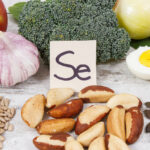
This trace element is essential for the functioning of immunity and also has significant antioxidant and anti-inflammatory effects. Its deficiency is also very common in people with psoriasis and the benefits of its use have also been confirmed.
This trace element has also been shown to alleviate the symptoms of psoriasis after only 12 weeks of use.
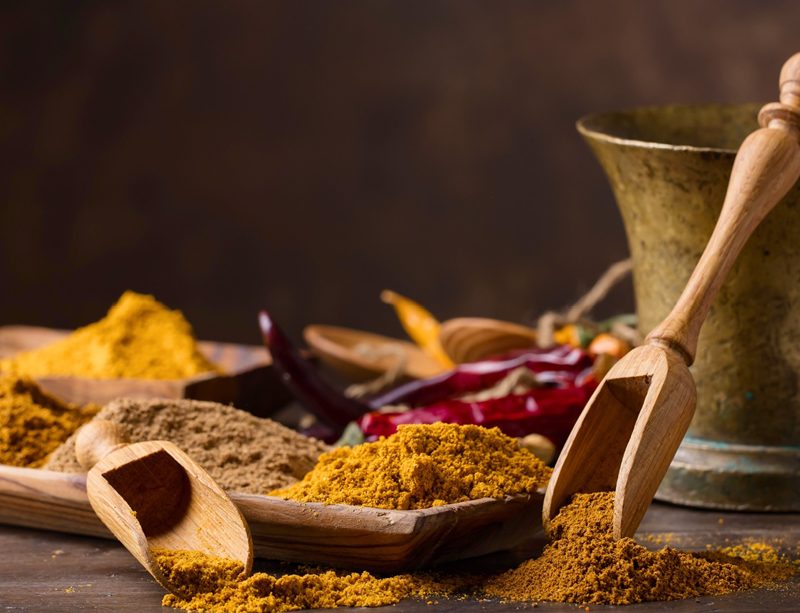
The dye from turmeric root is characterised by its strong anti-inflammatory and epigenetic effects. Its use has been shown to be effective even in severe forms of psoriasis.
Polyphenol, the most important source of which is green tea, has firstly strong anti-inflammatory effects and secondly it counteracts excessive proliferation, i.e. rapid uncontrolled cell division. This ability has applications in, for example, cancer prevention as well as in psoriasis. It is also an active ingredient in ointments.
PŘIHLASTE SE K ODBĚRU NOVINEK A MĚJTE VŽDY ČERSTVÉ INFORMACE
| Cookie | Duration | Description |
|---|---|---|
| cookielawinfo-checkbox-analytics | 11 měsíců | Tento soubor cookie je nastaven pluginem GDPR Cookie Consent. Soubor cookie se používá k uložení souhlasu uživatele s používáním souborů cookie v kategorii „Analytika“. |
| cookielawinfo-checkbox-functional | 11 měsíců | Soubor cookie je nastaven na základě souhlasu s cookie GDPR k zaznamenání souhlasu uživatele pro soubory cookie v kategorii „Funkční“. |
| cookielawinfo-checkbox-necessary | 11 měsíců | Tento soubor cookie je nastaven pluginem GDPR Cookie Consent. Cookies slouží k uložení souhlasu uživatele s cookies v kategorii „Nezbytné“. |
| cookielawinfo-checkbox-others | 11 měsíců | Tento soubor cookie je nastaven pluginem GDPR Cookie Consent. Cookie se používá k uložení souhlasu uživatele s cookies v kategorii „Jiné. |
| cookielawinfo-checkbox-performance | 11 měsíců | Tento soubor cookie je nastaven pluginem GDPR Cookie Consent. Cookie se používá k uložení souhlasu uživatele s cookies v kategorii „Výkon“. |
| elementor | nikdy | Tento soubor cookie používá téma WordPress webu. Umožňuje vlastníkovi webu implementovat nebo měnit obsah webu v reálném čase. |
| viewed_cookie_policy | 11 měsíců | Soubor cookie je nastaven pluginem GDPR Cookie Consent a používá se k uložení, zda uživatel souhlasil nebo nesouhlasil s používáním souborů cookie. Neukládá žádné osobní údaje. |
| Cookie | Duration | Description |
|---|---|---|
| sb | 2 roky | Tento soubor cookie používá Facebook ke kontrole svých funkcí, shromažďování jazykových nastavení a sdílení stránek. |
| Cookie | Duration | Description |
|---|---|---|
| _ga | 2 roky | Soubor _ga cookie, nainstalovaný službou Google Analytics, vypočítává údaje o návštěvnících, relacích a kampaních a také sleduje využití webu pro analytický přehled webu. Soubor cookie ukládá informace anonymně a přiřazuje náhodně vygenerované číslo k rozpoznání unikátních návštěvníků. |
| _gat_gtag_UA_71041054_1 | 1 minuta | Nastaveno Googlem k rozlišení uživatelů. |
| _gid | 1 den | Soubor cookie _gid nainstalovaný službou Google Analytics ukládá informace o tom, jak návštěvníci používají webovou stránku, a zároveň vytváří analytickou zprávu o výkonu webu. Některá data, která jsou shromažďována, zahrnují počet návštěvníků, jejich zdroj a stránky, které anonymně navštěvují. |
| Cookie | Duration | Description |
|---|---|---|
| fr | 3 měsíce | Facebook nastavuje tento soubor cookie tak, aby uživatelům zobrazoval relevantní reklamy sledováním chování uživatelů na webu, na stránkách, které mají Facebook pixel nebo sociální plugin Facebooku. |
| _fbp | 3 měsíce | Tento soubor cookie je nastaven společností Facebook, aby po návštěvě webové stránky zobrazoval reklamy na Facebooku nebo na digitální platformě založené na reklamě na Facebooku. |
| Cookie | Duration | Description |
|---|---|---|
| pvc_visits[0] | 1 minuta | Tento soubor cookie vytváří počítadlo po zhlédnutí. Tento soubor cookie se používá k počítání počtu návštěv příspěvku. Pomáhá také zabránit opakovanému zobrazení příspěvku návštěvníkem. |