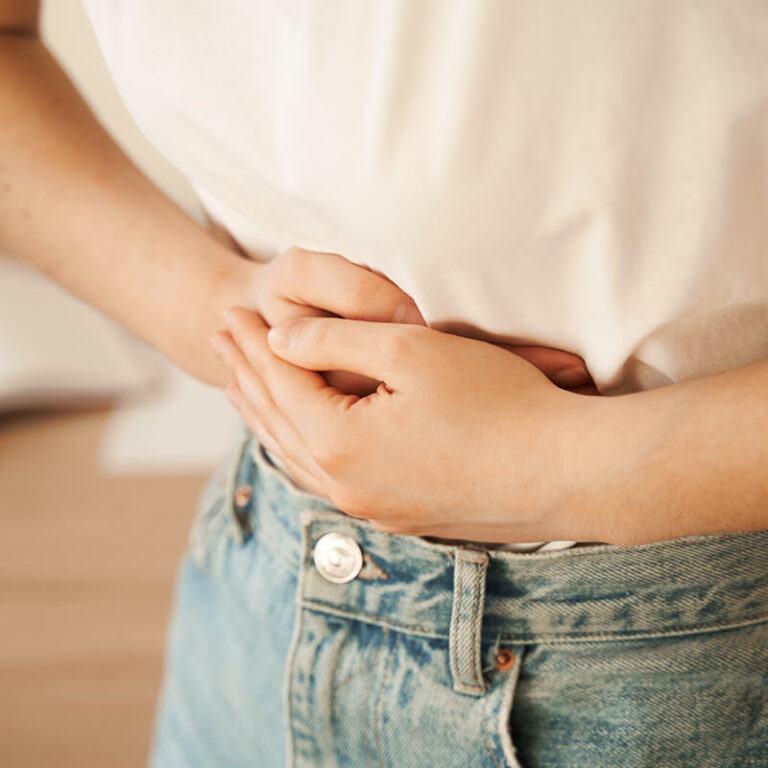
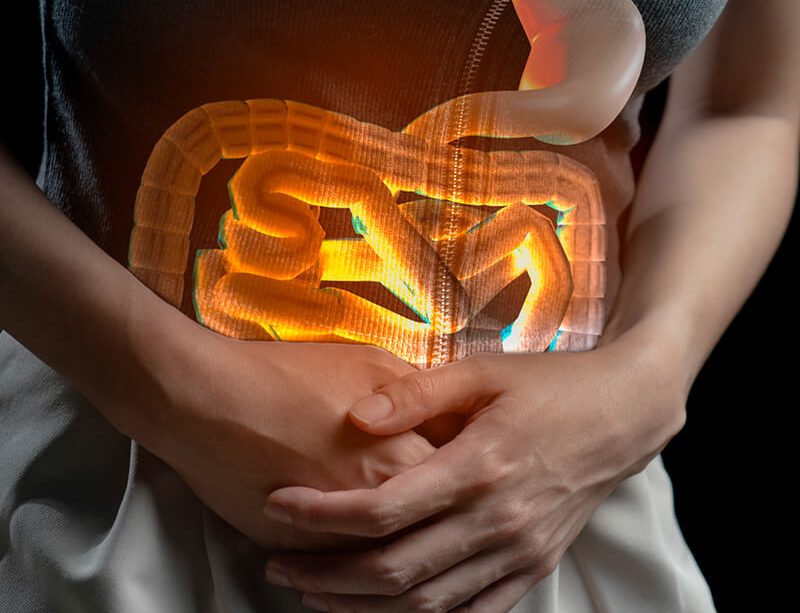
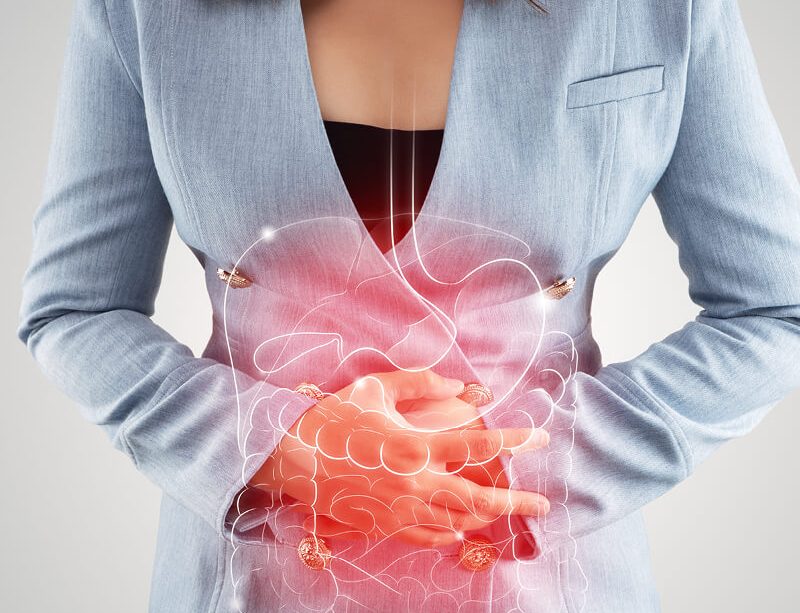
Endometriosis is probably the most common gynaecological disease, affecting 5-10% of women of childbearing age. It involves the deposition of uterine lining outside the uterus, in various parts of the abdominal cavity, where it continues to grow, causing inflammation and other problems. It manifests itself in extremely severe menstrual pain, menstrual cycle disorders and can even cause infertility.
Endometriosis is an estrogen-dependent disease, and affected women usually have high levels of this hormone. This is because estrogen promotes proliferation (cell division) and thus contributes to the further growth of mucosal deposits. Therefore, herbs and nutrients with anti-estrogenic action, as well as phytoestrogens that occupy the appropriate receptors, are used. It is also important to limit excessive proliferation and angiogenesis, as well as to reduce inflammatory processes.
Read more “
Suitable herb and nutrients
Indole-3-carbinol “
Quercetin “
Baikal pine cone “
Genistein “
Resveratrol “
EGCG “
Omega-3 “
Curcumin “