Endometriosis: Is it possible to say goodbye to pain?
epivyziva.cz/
Zobrazeno: 935
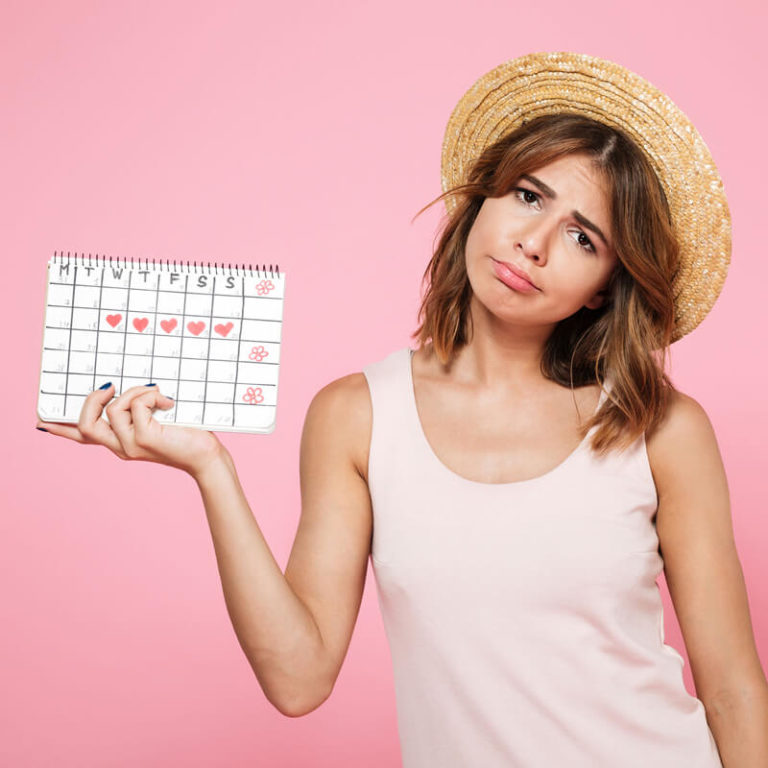
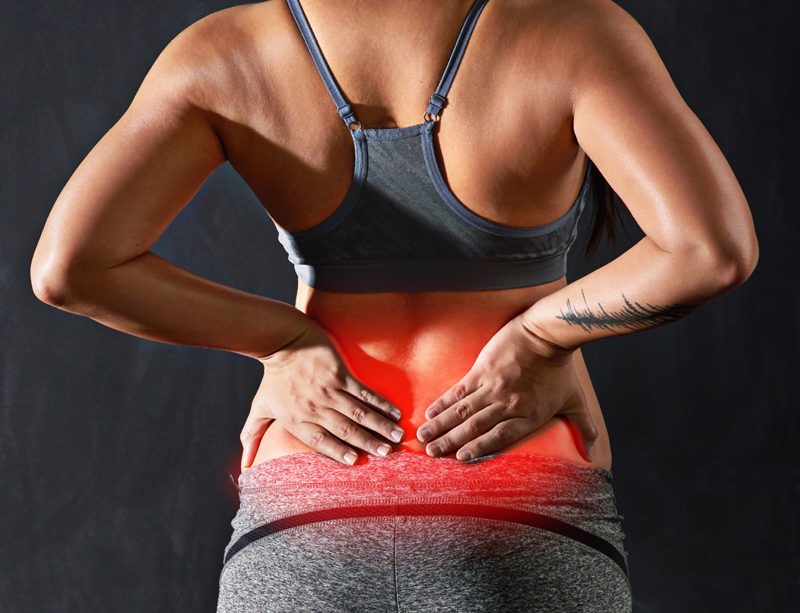
“The little girl who collapses in pain every time she menstruates” – this is how women suffering from endometriosis are often perceived by their surroundings. And yet the pain they regularly experience can be extreme. In fact, these women often have no idea what is behind their suffering. Let’s take a look at how endometriosis arises and how natural remedies can help.
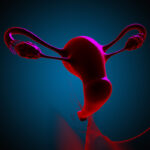
When a woman is close to ovulation, the uterus begins to prepare for the possible fertilisation of an egg due to the action of hormones. The lining of the uterus begins to grow to create a safe “nest” for it to nestle into and begin its journey from a single fertilized cell to a living human being. And when fertilization doesn’t occur, the cells of the lining begin to die, to peel off, to eventually leave the body at menstruation.
But a big problem arises if a woman suffers from endometriosis. In this disease, the uterine lining is not only found inside the uterus, but also forms deposits outside it, usually in various places in the abdomen and abdominal cavity. And when hormonal changes tell the body that it’s time to menstruate, this mucous membrane starts to react in exactly the same way as it would in the uterus – that is, it starts to die and peel off. But it has nowhere to go, so it stays inside the body, where it irritates the surrounding tissues. The result is inflammation and pain.
Is it the hormones?
Endometriosis is probably the most common gynaecological disease – it affects 10-15% of women of childbearing age. It is manifested mainly by pain in the lower abdomen, which intensifies during menstruation, feelings of pressure and pain during sexual intercourse. Endometriosis can also significantly complicate efforts to conceive a child.
The exact cause of the disease is unknown. It is sometimes referred to as retrograde menstruation, i.e., that particles of uterine mucous membrane that should leave the woman’s body through the vagina during menstruation instead go in the opposite direction and settle in various places in the abdominal cavity. This theory is supported by the fact that endometriosis deposits are most commonly found in the fallopian tubes, ovaries and on the back wall of the uterus. In reality, however, they can also occur in more distant locations, such as the intestines or even the lungs. Moreover, this theory does not explain why these cells should actually be marching in the wrong direction.
Much attention is paid to hormonal causes, because endometriosis is characterised by high levels of estrogen, a female sex hormone that, among other things, promotes proliferation (cell division) of the uterine lining, and, conversely, resistance to progesterone. Immunological factors are also undoubtedly involved in the development of the disease, which allow the uterine lining to attach to places where it does not belong.
When the genes are silent
In recent years, however, more and more attention has been paid to epigenetic causes, i.e. factors that influence the activity of individual genes in our DNA. In simple terms, this means that genes that should be working are switched off, and those whose activity should be minimal at any given time are switched on.
A number of studies have shown that the activity of a number of genes is significantly altered in endometriosis. For example, it has been shown that women with endometriosis have increased methylation of the promoter of the HOXA10 gene in the uterine lining, which causes a significant reduction in the activity or even complete shutdown of this gene, which is essential for proper uterine function. Increased methylation has also been demonstrated on the PR-B gene, which in turn may be the reason for tissue resistance to progesterone. On the other hand, higher activity, again due to changes in methylation, has been demonstrated for a trio of genes, abbreviated DNMT. However, differences were also observed for other genes, not only due to the aforementioned methylation but also to other epigenetic reactions such as histone acetylation and regulation by microRNAs.
However, epigenetic reactions are also related to the above-mentioned immune factors involved in the development of endometriosis. These include impaired function of T-cells and NK-cells, which are unable to remove the uterine mucosal cells from the abdominal cavity, and increased production of cytokines by immune cells, which in turn leads to inflammation, proliferation (rapid proliferation of mucosal cells) and the so-called “endometriosis”. Angioneogenesis, which is the formation of new blood vessels that allow blood supply to the growing mucosal deposits. The link with immune processes is supported by the fact that endometriosis is significantly more common in women suffering from inflammatory bowel diseases of autoimmune origin.
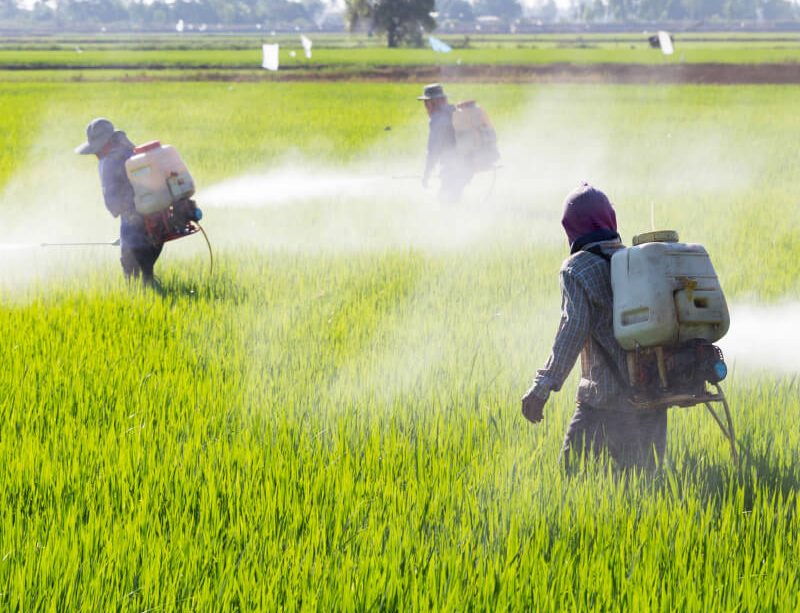
In addition, the risk of endometriosis may be increased by the action of typical negative epigenetic factors, i.e. those that contribute to the different course of epigenetic reactions in the body – typically obesity and exposure to certain environmental toxins (e.g. polychlorinated biphenyls or dioxins). A significant association has also been confirmed for the balance of the gut microbiome.
Treatment options
Hormonal treatment or anti-inflammatory treatment with non-steroidal antirheumatic drugs is often used for endometriosis, but unfortunately both approaches have a number of side effects. In severe cases, surgery is usually resorted to – i.e. surgical removal of the lesions.
In recent years, more and more attention has been paid to modern therapeutic methods, which are often based on the epigenetic mechanisms of disease – for example, they affect the production of enzymes that are necessary for the course of epigenetic reactions, or the production of the enzyme aromatase, which promotes the activity of estrogen.
However, interest in natural treatments using nutrients and herbs, which are characterised in particular by anti-inflammatory and antiproliferative effects (i.e. suppressing rapid uncontrolled cell division), is also coming back to the fore. Of the anti-inflammatory mechanisms, it is particularly important to suppress the production of the nuclear factor NF-kB and pro-inflammatory cytokines, which is the principle on which progesterone-based hormonal drugs and non-steroidal anti-inflammatory drugs work. But substances that affect the function of the cellular receptors to which sex hormones bind have not escaped the attention of scientists.
So which natural substances and herbs can help women with endometriosis?
Curcumin
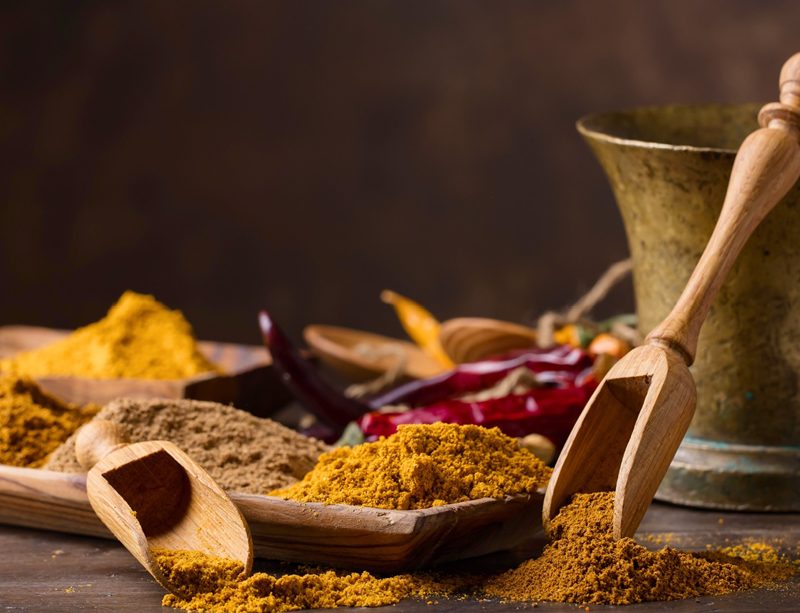
The dye from turmeric root has strong anti-inflammatory and anti-inflammatory effects, and it counteracts inflammation by a combination of several factors (e.g. suppressing the production of COX-2 enzyme, pro-inflammatory cytokines and transcription factor NF-kB). In addition, it restricts the formation of new blood vessels, which are essential for the blood supply to endometrial deposits. In experiments on mice, the reduction of uterine mucosal deposits after curcumin administration has been directly confirmed. Its advantage is the minimal occurrence of side effects and the possibility of long-term use.
Baikal pine cone
This herb contains two unique substances, vogonin and baicalein, which not only have a strong anti-inflammatory and anti-proliferative effect, but also promote apoptosis (i.e. cell death) in mucosal deposits and even block estrogen receptors in mucosal cells.
Omega-3
These unsaturated fatty acids excel in their anti-inflammatory action. According to research, women who consume high levels of these fatty acids over a long period of time have a 22% lower risk of endometriosis.
Vitamin D3
Its efficacy has so far only been confirmed in rat studies, where it led to a reduction in mucosal deposits, but due to its anti-inflammatory and immunomodulatory effects it may be very beneficial.
Resveratrol
Red wine dye has an anti-inflammatory effect and in endometriosis it also helps to relieve pain in the lower abdomen and also effectively suppresses the growth of uterine lining deposits. This is because it reduces cell proliferation and their ability to penetrate the abdominal cavity, and in turn promotes their apoptosis or programmed cell death. It also suppresses the production of the enzyme aromatase, which promotes the activity of estrogen.
EGCG
The substance contained in green tea is anti-inflammatory and can also very effectively inhibit angiogenesis (the formation of new blood vessels), thereby preventing the growth of uterine lining deposits. It also inhibits the proliferation of mucosal cells and promotes their apoptosis (cell death).
Rosemary
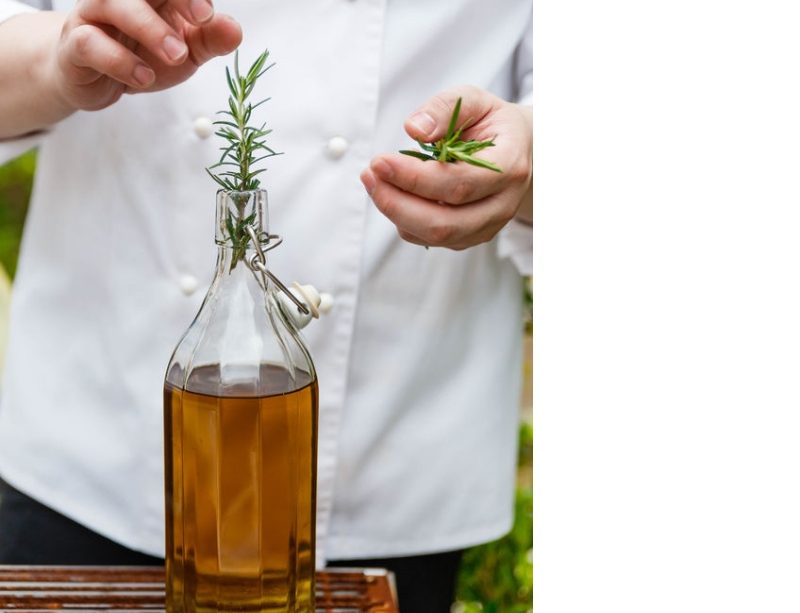
The substances contained in this herb help to reduce inflammation and pain in particular. In studies on mice, they have also been shown to suppress the proliferation and reduce the size of uterine mucosal deposits inside the abdominal cavity.
Quercetin
Polyphenol contained in many fruits and vegetables has a significant anti-inflammatory and antiproliferative effect.
Apigenin
Another of the plant polyphenols is anti-inflammatory, reduces proliferation, and in turn promotes apoptosis (cell death) of cells of the uterine mucosa.
Genistein and dadzain
Isoflavones found in soybeans bind to the estrogen receptors of mucosal cells, preventing estrogen from binding to them. They are anti-inflammatory, limiting aromatase production, which increases estrogen activity, and proliferation. In experiments on mice, their administration led to a reduction in mucosal deposits, and a study on Japanese women also showed a link between their consumption and a lower incidence of advanced endometriosis.
Chinese angelica
It is an herb used in traditional medicine to treat painful menstruation and is also effective in endometriosis, especially due to its anti-inflammatory and antiproliferative effects.
Lifestyle adjustments
Lifestyle is one of the main epigenetic factors, and for this reason lifestyle modifications are also important in endometriosis. In particular, the composition of the diet is very important:
- A gluten-free diet is often recommended for women with endometriosis, and one scientific study confirmed its effectiveness – 75% of the women in the study reported a significant reduction in pain after a year on a gluten-free diet.
- Reducing red meat consumption can also have a positive effect.
- On the other hand, the addition of fruit and vegetables is important – in particular, the beneficial effects of stone fruit and citrus fruits have been confirmed.
- A high fibre intake is also important, which, in addition to vegetables, is ensured by whole grain cereals and legumes.
- In some cases, limiting the consumption of dairy products can also help.
Avoiding environmental pollutants, especially those that act as hormone disruptors, should be a matter of course.
0:00
/
0:00
Stárnutí je volba
Klíčová slova: curcumin, endometriosis, fertility, menstruation, microbiome, omega-3, quercetin, resveratrol, rosemary
Komentáře
Seznam zdrojů
- Sun-Wei Guo. Epigenetics of endometriosis. Molecular Human Reproduction, Volume 15, Issue 10, October 2009, Pages 587–607
- https://www.fnmotol.cz/blog/diagnoza-endometrioza/
- Fritz Wieser, Misha Cohen, Andrew Gaeddert, Jie Yu, Carla Burks-Wicks, Sarah L. Berga, Robert N. Taylor. Evolution of medical treatment for endometriosis: back to the roots?
- Human Reproduction Update, Volume 13, Issue 5, September/October 2007, Pages 487–499, https://academic.oup.com/humupd/article/13/5/487/658720
- B. Borghese, K.T. Zondervan, M.S. Abrao, C. Chapron, D. Vaiman. Recent insights on the genetics and epigenetics of endometriosis. Clinical Genetics. 18 October 2016. https://onlinelibrary.wiley.com/doi/full/10.1111/cge.12897
Carol Potera. Women’s Health: Endometriosis and PCB Exposure. Environ Health Perspect. 2006 Jul; 114(7): A404. - Environmental Dioxins and Endometriosis
- Sherry Rier, Warren G. Foster. Toxicological Sciences, Volume 70, Issue 2, December 2002, Pages 161–170.
- https://endometriosisnews.com/2018/06/13/obesity-linked-to-more-severe-endometriosis-australian-study/
- Luciana Ferella, Juan Ignacio Bastón, Mariela Andrea Bilotas, José Javier Singla, Alejandro Martín González, Carla Noemí Olivares, Gabriela Fabiana Meresman. Active compounds present inRosmarinus officinalis leaves andScutellaria baicalensis root evaluated as new therapeutic agents for endometriosis. Reprod Biomed Online, 2018 Dec;37(6):769-782.
- Pamela Frank, BSc (Hons), ND. Endometriosis: Theories, Evidence, and Treatment. December 16, 2013. Women’s Health. https://ndnr.com/womens-health/endometriosis-theories-evidence-and-treatment/
- Baris Ata, Sule Yildiz, Engin Turkgeldi, Vicente Pérez Brocal, Ener Cagri Dinleyici, Andrés Moya & Bulent Urman. The Endobiota Study: Comparison of Vaginal, Cervical and Gut Microbiota Between Women with Stage 3/4 Endometriosis and Healthy Controls. Scientific Reports volume 9, Article number: 2204 (2019)
- Lorinda Sorensen, ND, LAc, and Haley Doherty. Do Cruciferous Vegetables Contribute to Endometriosis? Natural Medicine Journal. August 2018 Vol. 10 Issue 8
- Jana S, Paul S, Swarnakar S. Curcumin as anti-endometriotic agent: implication of MMP-3 and intrinsic apoptotic pathway. Biochem Pharmacol. 2012;83(6):797-804.
- Marziali M, Venza M, Lazzaro S, et al. Gluten-free diet: a new strategy for management of painful endometriosis related symptoms? Minerva Chir. 2012;67(6):499-504.
- Missmer SA, Chavarro JE, Malspeis S, et al. A prospective study of dietary fat consumption and endometriosis risk. Hum Reprod. 2010;25(6):1528-1535.
- Maia H Jr, Haddad C, Pinheiro N, Casoy J. Advantages of the association of resveratrol with oral contraceptives for management of endometriosis-related pain. Int J Womens Health. 2012;4:543-549.
- Abbas MA, Taha MO, Disi AM, Shomaf M. Regression of endometrial implants treated with vitamin D3 in a rat model of endometriosis. Eur J Pharmacol. 2013;715(1-3):72-75.
- Xu H, Lui WT, Chu CY, Ng PS, Wang CC, Rogers MS. Anti-angiogenic effects of green tea catechin on an experimental endometriosis mouse model. Hum Reprod. 2009;24(3):608-18.
- Agata Gołąbek, Katarzyna Kowalska, and Anna Olejnik. Polyphenols as a Diet Therapy Concept for Endometriosis—Current Opinion and Future Perspectives. Nutrients 2021, 13(4), 1347; https://www.mdpi.com/2072-6643/13/4/1347/htm