Mysteries of the gut microbiome: The Path to Functioning Immunity
epivyziva.cz/
Zobrazeno: 455
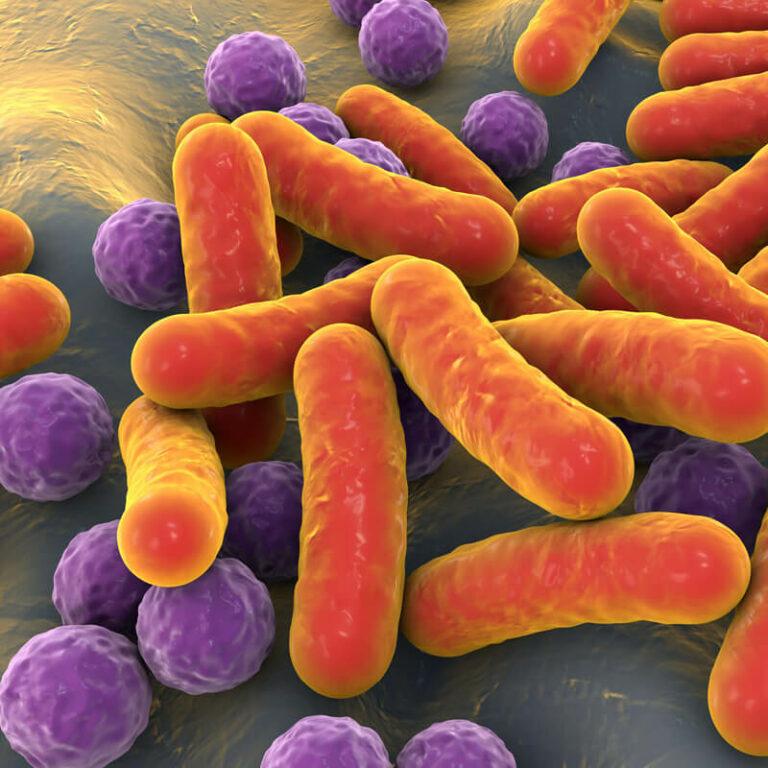
Does every bug that flies by scare you? There are many ways to fix it, but if you want to boost your immunity in a really effective and lasting way, you need to start inside your gut. Because it’s the balance of your gut microbiome that is the key to a functioning immunity.
So what are the mechanisms by which the microbiome influences immunity? How to support immunity with nutrition or dietary supplements? And why can immunity be compromised by, for example, depression or thyroid disease?
The most important things in terms of immunity have already happened in our bodies in the first years of life. Even at birth, our gut was populated with microorganisms originating from our mother and the massive development and maturation of the microbiome. At the same time, premature babies, whose intestines are more prone to inflammatory processes, are at a disadvantage from the very beginning. Breastfeeding, on the other hand, provides a great advantage, as it not only provides babies with antibodies but also has a positive effect on the development of their microbiome. This, in turn, is crucial in the development of the immune system.
For example, some of the intestinal bacteria (typically Bacteroides fragilis) are directly involved in controlling the maturation of the immune system, the production of individual immune cells and immunoglobulins (i.e. antibodies). Proper diversity (variety) of gut microorganisms also helps create immunoregulatory networks that protect us from developing allergies.
Immediately after birth, Toll-like receptors are also formed in the mucous membranes, which respond to signals sent by microbes during infection and subsequently help trigger an immune response to the infection.
Simply put: if things go wrong in the gut microbiome in the first months and years, it usually results in immune disorders and susceptibility to disease later in life.
Break the vicious circle
Fortunately, much of what went wrong in childhood can be corrected in later life. And, of course, to go wrong. We are exposed to the positive and negative influences that affect the composition and balance of the gut microbiome throughout our lives, so immunity can be supported at any age.
It is important to know that there is a constant two-way communication between the microorganisms living in the gut and our natural immunity. It is therefore true that when the balance of the gut microbiome is disturbed, the immunity functions poorly, and when the immunity functions poorly, the balance of the gut microbiome is disturbed. It’s a bit of a vicious circle, and if we want to break it, we should start with our gut.
The relationship between the gut and immunity
The pathways by which the gut microbiome and immunity interact are very complex and scientific investigation is still at an early stage. Here are some examples of how they interact.
Intestinal mucosa as the basis of health
When we talk about the gut and the microbiome, we are usually referring mainly to the species composition of the gut inhabitants, but the state of the intestinal mucosa is also important. If everything is healthy in the body, all microbial life takes place exclusively on the surface of the mucosa, which remains impenetrable and separates the microbiome from other tissues. Some of the products of intestinal microorganisms (e.g. indoles), together with IgA antibodies, help to maintain this impermeability of the mucosal barrier (IgA also helps to maintain the balance of the intestinal microbiome). If the barrier function of the mucosa is disturbed, microorganisms and toxins enter the bloodstream.
Antimicrobial peptides
The production of one of the key players in the gut, antimicrobial peptides (AMPs), which are essential for protecting the gut against infection, as well as helping to shape the gut microbiome and contributing to natural immunity – one of the most evolutionarily ancient immune mechanisms – also depends on the condition of the gut mucosa. When AMP production is compromised, it not only leads to a deterioration in immunity, but also increases the risk of inflammatory bowel diseases such as Crohn’s disease and ulcerative colitis.
Cytokines and inflammation
Another important function of the cells of the intestinal mucosa is the production of cytokines, which play an important role in the regulation of inflammatory processes: some of them are pro-inflammatory, so that their increased production increases the intensity of inflammatory processes in the intestines and the rest of the body, others are anti-inflammatory. It is not the case that the pro-inflammatory ones are bad and the anti-inflammatory ones good. In fact, inflammatory processes also have a number of important functions in the body and are necessary for the proper course of immune reactions. However, the condition is that the different types of cytokines must be in balance with each other. This is precisely what happens when the intestinal mucosa is in poor condition and the composition of the intestinal microbiome is incorrect.
Origin and development of immune cells
When the balance of the gut microbiome is disturbed and the mucosal function is poor, not only AMP production is affected, but also individual immune cells, which in turn cooperate to maintain the intestinal barrier. For example, some gut bacteria produce a substance called butyrate, which is necessary for cells called monocytes to give rise to macrophages, which are essential for defence against microbial infection. Information from the microbiome also shapes the plasticity of a recently discovered type of immune cell called innate lymphoid cells (ILCs), which are likely to play a crucial role in immune responses.
The reciprocal relationship is also true for other important immune players, such as B-cells and T-cells. For example, B cells in the gut produce several grams of IgA antibodies every day, which help maintain the balance of the gut microbiome and prevent inflammation. It’s a bit more complicated with T-cells, which are far from just serving as a defence against infection – some of them, for example, effectively destroy pathogens and cancer cells, while others, such as Th17 cells, can help and harm – for example, promoting inflammatory processes and even contributing to chronic inflammatory bowel disease. And whether Th17s mature into a beneficial or harmful form depends largely on the proportion of butyrate-producing bacteria in the gut.
Bacteria don’t just live in the gut
It would also be a mistake if the word “microbiome” were seen only in the context of the gut. Bacteria and other microorganisms also inhabit our skin and vagina, and many live in our lungs. And it is there that they can significantly influence our resistance to respiratory diseases.
However, even the lung microbiome can be fundamentally disrupted, for example by inhalation of environmental pollutants. Here too, children in the neonatal and infant years are most susceptible. However, there has been little research on this topic and it is therefore unclear how effectively the composition of the lung microbiome can be positively influenced.
What harms and what benefits?
So let’s look at the specific influences that can affect our gut microbiome and thus our immunity.
Antibiotics
Although antibiotics have saved countless human lives during their existence, the downside of their similarly negative impact on the gut microbiome cannot be overlooked. In particular, broad-spectrum antibiotics negatively affect the ratios of gut bacteria, reduce the amount of butyrate and other short-chain fatty acids they produce, allow the overgrowth of intestinal fungi, which can result in the development of allergies, and promote the development of inflammatory diseases. Their overuse in early childhood has particularly serious consequences.
Unhealthy eating
Our gut bacteria depend on what we provide in the form of food for their nutrition. It is therefore the composition of the diet that has a major impact on the fitness of the gut microbiome, with what we call the ‘typical Western diet’ – a diet lacking in fibre and with an excess of saturated fats, simple carbohydrates and food additives – having a particularly negative effect.
For example, excessive consumption of saturated fat causes an overgrowth of the bacterium Bilophila wadsworthia and a decrease in butyrate and retinoic acid levels, which promotes inflammatory and autoimmune processes. Inflammation and immune processes are also exacerbated by high glycaemic index carbohydrates, some artificial sweeteners and emulsifiers. If, on the other hand, legumes and whole grains are included in the diet, the balance in the gut improves after a relatively short period of time.
The timing of food intake is also important – for example, intermittent fasting, where food intake is restricted to a certain time each day, has a significant positive effect on the composition of the gut microbiome.
Influence of certain diseases
Immune system disruption may also be related to certain diseases that are also characterised by imbalances in the gut microbiome. Inflammatory bowel diseases are a typical example, but this also applies to diseases that one would not think of at first glance.
Depression, for example, is not only characterised by higher levels of inflammatory processes in the brain, but it also has a direct negative impact on immune cells. In depression, for example, these cells change shape due to a deterioration in their membrane function, which also results in a deterioration in the effectiveness of immune responses. In addition, the pituitary-hypothalamus-adrenal axis is activated during depression, which increases the production of stress hormones, further damaging immunity.
There is also a reciprocal relationship between immunity and thyroid function – immunity tends to be impaired especially when this organ is hypofunctional. Moreover, thyroid function is also closely related to the balance of the gut microbiome. (More here: https://www.epivyziva.cz/zahady-strevniho-mikrobiomu-3-jak-zlepsit-funkci-stitne-zlazy/)
Epigenetic context
We have mentioned that the vicious circle of the interrelationship between the microbiome and immunity is most easily broken by efforts to improve the balance of the gut microbiome. However, this does not mean that it is useless to focus on directly improving immune function. On the contrary, it is beneficial to also focus on supporting epigenetic processes that promote the activity of key genes in our DNA.
Immunity is a very complex system involving a large number of genes in our DNA. These control, for example, the very formation of immune cells, their differentiation and other processes. The more genes involved in a process, the greater the risk of something going wrong.
The intensity and course of epigenetic reactions in our bodies are generally influenced by factors that we collectively refer to as lifestyle. Therefore, it is important to focus on nutrition, regular exercise, getting enough sleep or trying to reduce stress levels (read more here: https://www.epivyziva.cz/5-cest-k-fungujici-imunite-jak-vam-pomuze-epigenetika/). And some dietary supplements with epigenetic effects can also help (see below).
In addition, the microorganisms that inhabit our gut and other organs have their own genetic information, so we can influence not only the activity of our own genes, but also the genes of all the microorganisms that inhabit our bodies.
Will dietary supplements help?
There are many dietary supplements that can support the gut microbiome and immunity at the same time.
Dietary fibre
Fibre is food for the “friendly bacteria” in our gut and low intake is one of the most common nutritional mistakes. In addition to including foods high in fiber (legumes, whole grains, cruciferous vegetables, nuts and seeds, etc.), it can also be taken as supplements. For example, psyllium or dietary supplements with inulin are suitable – this is also contained in roasted chicory drinks.
Probiotics
There is a lot of research confirming the positive effect of probiotics on the immune system. The most commonly studied bacteria are Lactobacillus and Bifidobacterium, and possibly some others, such as Streptococcus thermophylus. A number of these probiotics have even been shown to have epigenetic effects – for example, Lactobacillus rhamosus Lcr35 or a mixture of L. acidophylus, L. casei, L. reuteri, B. bifidum and Streptococcus thermophylus caused epigenetic changes in the host body, which were manifested by a reduction in inflammatory processes and an increase in the activity of so-called dendritic cells, which play a very important role in immunity, but also affected B-cells and T-cells. Extensive positive effects on the immune system have also been confirmed for L. casei Shirota, B. animalis, B. lactis, L. jonhsonii and Saccharomyces cerevisiad boulardii. However, consumption of yoghurt or fermented milk drinks has also been shown to boost immunity.
Dietary polyphenols
Polyphenols are a broad group of substances found mainly in plant foods. They have significant antioxidant and anti-inflammatory effects, and most of them excel in their epigenetic action and positive influence on the gut microbiome. Thus, their consumption, whether in food or in the form of dietary supplements, has both of the above-mentioned effects on immunity: promoting the balance of the gut microbiome and regulating the activity of genes related to immune processes.
The polyphenol quercetin is very effective, as is curcumin, ellagic acid from pomegranate, epigallocatechin gallate(EGCG) from green tea, genistein from soybeans or resveratrol from red wine.
Carotenoids
Like polyphenols, carotenoid family dyes have anti-inflammatory, antioxidant and epigenetic effects, and can also support the gut microbiome. Thus, they too are of great help to the immune system. It is not only the well-known beta-carotene that has this effect – astaxanthin, for example, which is found in salmon meat and some algae, has a significant positive effect, but crocin, which is found in saffron and is better known for its use in depression, can also significantly boost immunity.
Butyrate
Butyrate is a short-chain fatty acid that is produced by certain gut bacteria and performs a number of important functions in our bodies. For example, it influences the formation, differentiation and death of immune cells, their ability to penetrate tissues and the production of cytokines. It also plays a role in the development of allergies and inflammatory bowel disease. (Read more here: https://www.epivyziva.cz/butyrat/)
Other dietary supplements
Vitamin D3 and omega-3 unsaturated fatty acids are also essential for the functioning of the immune system and the balance of the gut microbiome.
0:00
/
0:00
Stárnutí je volba
Klíčová slova: astaxanthin, Butyrate, curcumin, depression, egcg, Genistein, gut microbiome, immunity, immunity, inflammation, lungs, omega-3, pomegranate, quercetin, resveratrol, saffron, thyroid, vitamin D3
Komentáře
Seznam zdrojů
- Danping Zheng, Timur Liwinski & Eran Elinav. Interaction between microbiota and immunity in health and disease. Cell Research volume 30, pages492–506 (2020). https://www.nature.com/articles/s41422-020-0332-7
- Luciana R. Muniz, Camille Knosp, and Garabet Yeretssian. Intestinal antimicrobial peptides during homeostasis, infection, and disease. Front Immunol. 2012; 3: 310.
- Gensollen, T., Iyer, S. S., Kasper, D. L. & Blumberg, R. S. How colonization by microbiota in early life shapes the immune system. Science 352, 539–544 (2016).
- Russell, S. L. et al. Early life antibiotic-driven changes in microbiota enhance susceptibility to allergic asthma. EMBO Rep. 13, 440–447 (2012).
- Schulthess, J. et al. The short chain fatty acid butyrate imprints an antimicrobial program in macrophages. Immunity 50, 432–445 (2019).
- Gury-BenAri, M. et al. The spectrum and regulatory landscape of intestinal innate lymphoid cells are shaped by the microbiome. Cell 166, 1231–1246 (2016).
- Shulzhenko, N. et al. Crosstalk between B lymphocytes, microbiota and the intestinal epithelium governs immunity versus metabolism in the gut. Nat. Med. 17, 1585–1593 (2011).
- Becattini, S., Taur, Y. & Pamer, E. G. Antibiotic-induced changes in the intestinal microbiota and disease. Trends Mol. Med. 22, 458–478 (2016).
- Scott, N. A. et al. Antibiotics induce sustained dysregulation of intestinal T cell immunity by perturbing macrophage homeostasis. Sci. Transl. Med. 10, eaao4755 (2018).
- Christ, A., Lauterbach, M. & Latz, E. Western diet and the immune system: An inflammatory connection. Immunity 51, 794–811 (2019).
- Viennois, E., Merlin, D., Gewirtz, A. T. & Chassaing, B. Dietary emulsifier-induced low-grade inflammation promotes colon carcinogenesis. Cancer Res. 77, 27–40 (2017).
- Martinez, I. et al. Gut microbiome composition is linked to whole grain-induced immunological improvements. ISME J. 7, 269–280 (2013).
- Rabia Ashraf, Nagendra P Shah. Immune system stimulation by probiotic microorganism. Crit Rev Food Sci Nutr. 2014;54(7):938-56
- Fang Yan and D.B. Polk. Probiotics and immune health. Curr Opin Gastroenterol. 2011 Oct; 27(6): 496–501.
- Alejandro Cuevas, Nicolás Saavedra, Luis A. Salazar, and Dulcineia S. P. Abdalla. Modulation of Immune Function by Polyphenols: Possible Contribution of Epigenetic Factors. Nutrients. 2013 Jul; 5(7): 2314–2332.
- Bendich, A., Carotenoids and the immune system, in Carotenoids: Chemistry and Biology, Krinsky, N.I., Ed., Plenum Press, New York, 1990, 323.
- Jyonouchi, H., Zhang, L., and Tomita, Y., Studies of immunomodulating actions of carotenoids. II. Astaxanthin enhances in vitro antibody production to T-dependent antigens without facilitating polyclonal B-cell activation, Nutr. Cancer, 19, 269, 1993.
- Jyonouchi, H., Sun, S., and Gross, M., Effect of carotenoids on in vitro immunoglobulin production by human peripheral blood mononuclear cells: astaxanthin, a carotenoid without vitamin A activity, enhances in vitro immunoglobulin production in response to a T-dependent stimulant and antigen, Nutr. Cancer, 23, 171, 1995.
- Mudr. M. Šašinka, MUDr. K. Furková; Pandémia nedostatku vitamínu D; 2012
- Majid Zeinali, Mohammad Reza Zirak, Seyed Abdolrahim Rezaee, Gholamreza Karimi, and Hossein Hosseinzadeh. Immunoregulatory and anti-inflammatory properties of Crocus sativus (Saffron) and its main active constituents: A review. Iran J Basic Med Sci. 2019 Apr; 22(4): 334–344.
- https://www.medicalnewstoday.com/articles/can-depression-cause-lasting-changes-in-immune-cells
- Roberto De Luca, Paul J. Davis, Hung-Yun Lin,Fabio Gionfra, Zulema A. Percario, Elisabetta Affabris, Jens Z. Pedersen, Cinzia Marchese, Pankaj Trivedi, Eleni Anastasiadou, Roberto Negro and Sandra Incerpi. Thyroid Hormones Interaction With Immune Response, Inflammation and Non-thyroidal Illness Syndrom. Front. Cell Dev. Biol., 21 January 2021