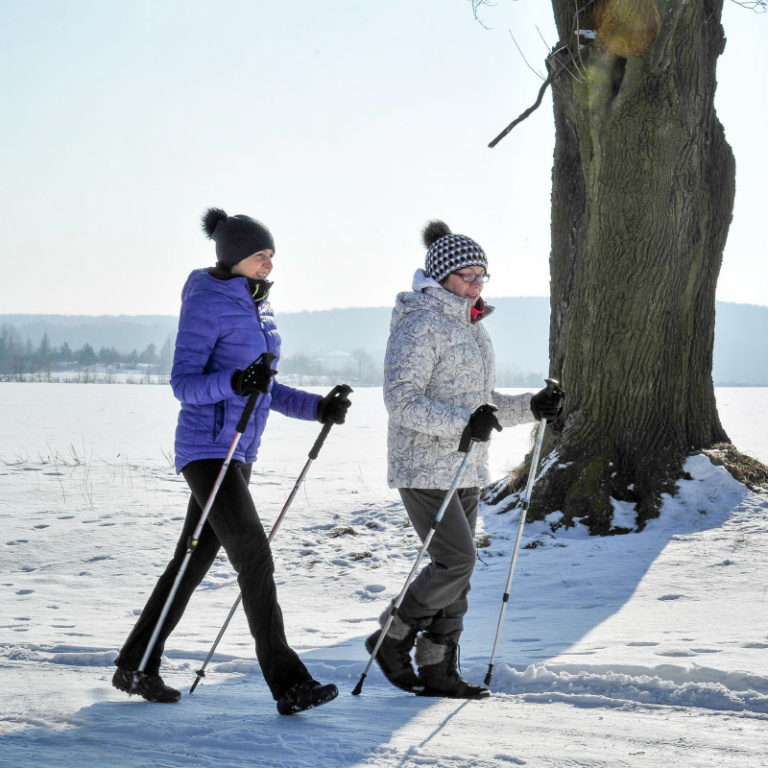
Movement is one of the most significant positive epigenetic factors. If we engage in it regularly, a number of changes occur in our genes that lead not only to improved athletic performance or weight loss, but also to a number of other positive changes.
First, movement helps to reduce the overall rate of gene methylation. This is one of the epigenetic reactions that reduce the activity of individual genes – if the methylation rate is high, they may even be switched off completely. It is true that during the aging process, gene methylation gradually increases, and movement therefore counteracts this process.
Regular exercise also increases the concentration of so-called non-coding RNAs in telomeres, which are the ends of chromosomes that shorten with age. These non-coding RNAs increase the stability of telomeres and thus help slow down the ageing process.
The positive effect of regular exercise on mental performance is quite extensive, both at a younger age and especially in the elderly, where the average difference in mental fitness between active and inactive individuals is significant and is due to epigenetic processes related to exercise. For example, it increases the production of the neurotropic growth factor BDNF in the brain, which is essential for the proliferation, differentiation and protection of nerve cells.
Movement, especially aerobic movement, has a direct and immediate effect on cognitive function. In one study, just half an hour of physical activity was able to improve brain neuroplasticity (i.e. promote the formation of new brain connections). The most pronounced effects were observed in the area of motor skills, which would not be so surprising, of course, but also in the area of memory. In other research, noticeable changes in neuroplasticity were observed after just 15 minutes of movement!
In another study, volunteers then completed 20 minutes of brisk walking at about 60% of their maximum heart rate. When they were then subjected to intelligence and mindfulness tests, they performed much better on them than they had when they had rested before.
Often we can find the opinion that exercise is not so important in weight loss because the amount of calories we can “burn” during exercise is low compared to dietary modifications. But adjusting energy balance is not the only reason to exercise. In fact, regular sporting activity activates a number of genes that can significantly help with weight loss.
For example, regular aerobic activity (i.e. endurance exercise of moderate to moderate intensity) significantly improves the body’s willingness to use fat as fuel. In addition, it also epigenetically improves the production of the enzyme AMPK, which promotes the absorption of glucose from the bloodstream and its use within muscle cells. As a result, it is easier to maintain balanced blood glucose levels, which is important not only in the prevention and treatment of diabetes, but also in weight loss.
In addition, endurance and speed-strength activities positively influence the secretion of a number of hormones that affect the processes of weight loss and weight gain in a rather fundamental way.
In addition to the aforementioned support of AMPK production, which is important in the prevention and treatment of diabetes, regular exercise has a positive effect on a number of other processes that affect our health. For example, it regulates the activity of genes that control the production of inflammatory cytokines. This helps to reduce the intensity of chronic inflammatory processes in the body, which is important in the prevention and treatment of many diseases, including cancer and cardiovascular disease. Its effect on reducing the overall methylation rate is also significant, as excessive methylation is involved in the development of a number of diseases.
Quite a few people are starting to move as part of their New Year’s resolutions. Often these are people who have not exercised for many years and are often overweight or even obese. They throw themselves into their new lifestyle with enthusiasm, with the result that they simply overdo it.
Too ambitious a start will cause their muscles to ache in the first place. The pain itself, however, is not as much of a problem as what is causing it. It’s caused by microscopic injuries to muscle fibers that result in inflammation. But if a person is obese and eats poorly, for example, there is already quite intense chronic inflammation in the body. So now the level of inflammatory processes increases even more, which, for example, overloads the immunity.
But an even bigger problem can be the increased risk of injury. All of our body’s systems need time to adapt to the stress. For example, in response to regular physical activity, not only do muscles become stronger and the respiratory or cardiovascular systems become more efficient, but tendons, ligaments and joints are also strengthened. However, if we don’t give them enough time for these processes and overload them from the start (especially when combined with excess weight), sooner or later we will be surprised by an injury.
Lastly, physical stress that the body is not adapted to is stressful for the body. Thus, if a person who has not exercised before throws himself into training, his body increases the production of stress hormones, which have negative epigenetic effects – for example, they complicate weight loss and increase the risk of developing a number of civilisational diseases.
So if you are starting out, you should start slowly in terms of both time and intensity of the load and only increase it very slowly. Here are some useful guidelines:
Epigenetic dietary supplements can be a great help for those who engage in regular exercise. Which ones are worth trying?
For the development of endurance – endurance performance and the body’s ability to burn fat during exercise will be supported by EGCG, Coleus forskohlii, astaxanthin or omega-3 unsaturated fatty acids. Quercetin is also very suitable for beginners, as it accelerates the adaptation processes to exercise.
For the development of strength – very effective are pomegranate and Coleus forskohlii, which promote the production of their own testosterone. Astaxanthin will also improve the effect of regular strengthening.
For sore muscles – the cause of muscle pain is inflammation, so nutrients and herbs with anti-inflammatory effects, such as curcumin, ginger, EGCG or resveratrol are suitable in this case.
Before training – about half an hour before the workout it is advisable to take dietary supplements that will improve blood circulation to the working muscles. Pomegranate, curcumin or ginger work great in this regard.
For sore tendons and joints – inflammation and pain in joints and tendons is perfectly dampened by boswellia or rosemary. However, if the pain is due to exertion, you should stop training until the problem subsides, or during this time, include another activity that does not strain the area (for example, swimming instead of running).
Weight loss support – try EGCG, quercetin, Coleus forskohlii or curcumin, for example.
PŘIHLASTE SE K ODBĚRU NOVINEK A MĚJTE VŽDY ČERSTVÉ INFORMACE
| Cookie | Duration | Description |
|---|---|---|
| cookielawinfo-checkbox-analytics | 11 měsíců | Tento soubor cookie je nastaven pluginem GDPR Cookie Consent. Soubor cookie se používá k uložení souhlasu uživatele s používáním souborů cookie v kategorii „Analytika“. |
| cookielawinfo-checkbox-functional | 11 měsíců | Soubor cookie je nastaven na základě souhlasu s cookie GDPR k zaznamenání souhlasu uživatele pro soubory cookie v kategorii „Funkční“. |
| cookielawinfo-checkbox-necessary | 11 měsíců | Tento soubor cookie je nastaven pluginem GDPR Cookie Consent. Cookies slouží k uložení souhlasu uživatele s cookies v kategorii „Nezbytné“. |
| cookielawinfo-checkbox-others | 11 měsíců | Tento soubor cookie je nastaven pluginem GDPR Cookie Consent. Cookie se používá k uložení souhlasu uživatele s cookies v kategorii „Jiné. |
| cookielawinfo-checkbox-performance | 11 měsíců | Tento soubor cookie je nastaven pluginem GDPR Cookie Consent. Cookie se používá k uložení souhlasu uživatele s cookies v kategorii „Výkon“. |
| elementor | nikdy | Tento soubor cookie používá téma WordPress webu. Umožňuje vlastníkovi webu implementovat nebo měnit obsah webu v reálném čase. |
| viewed_cookie_policy | 11 měsíců | Soubor cookie je nastaven pluginem GDPR Cookie Consent a používá se k uložení, zda uživatel souhlasil nebo nesouhlasil s používáním souborů cookie. Neukládá žádné osobní údaje. |
| Cookie | Duration | Description |
|---|---|---|
| sb | 2 roky | Tento soubor cookie používá Facebook ke kontrole svých funkcí, shromažďování jazykových nastavení a sdílení stránek. |
| Cookie | Duration | Description |
|---|---|---|
| _ga | 2 roky | Soubor _ga cookie, nainstalovaný službou Google Analytics, vypočítává údaje o návštěvnících, relacích a kampaních a také sleduje využití webu pro analytický přehled webu. Soubor cookie ukládá informace anonymně a přiřazuje náhodně vygenerované číslo k rozpoznání unikátních návštěvníků. |
| _gat_gtag_UA_71041054_1 | 1 minuta | Nastaveno Googlem k rozlišení uživatelů. |
| _gid | 1 den | Soubor cookie _gid nainstalovaný službou Google Analytics ukládá informace o tom, jak návštěvníci používají webovou stránku, a zároveň vytváří analytickou zprávu o výkonu webu. Některá data, která jsou shromažďována, zahrnují počet návštěvníků, jejich zdroj a stránky, které anonymně navštěvují. |
| Cookie | Duration | Description |
|---|---|---|
| fr | 3 měsíce | Facebook nastavuje tento soubor cookie tak, aby uživatelům zobrazoval relevantní reklamy sledováním chování uživatelů na webu, na stránkách, které mají Facebook pixel nebo sociální plugin Facebooku. |
| _fbp | 3 měsíce | Tento soubor cookie je nastaven společností Facebook, aby po návštěvě webové stránky zobrazoval reklamy na Facebooku nebo na digitální platformě založené na reklamě na Facebooku. |
| Cookie | Duration | Description |
|---|---|---|
| pvc_visits[0] | 1 minuta | Tento soubor cookie vytváří počítadlo po zhlédnutí. Tento soubor cookie se používá k počítání počtu návštěv příspěvku. Pomáhá také zabránit opakovanému zobrazení příspěvku návštěvníkem. |