The truth about cholesterol: killer or harmless substance?
epivyziva.cz/
Zobrazeno: 467
Few molecules circulating in our bodies arouse as many emotions as cholesterol. Some regard it as a “sure killer” and would like to deal with any slight increase immediately, others consider any mention of it as a conspiracy of the pharmaceutical system. But as it happens, the truth has to be found somewhere in the middle.
Cholesterol is a steroid compound that forms a vital component of the cell membranes of all vertebrates, including humans. It is essential for life and its insufficient production leads to serious conditions. Its distribution in the body is not uniform and varies according to tissues and cell types. Its high concentration is found especially in the brain.
It has several important roles in the body. It is an indispensable structural component of cell membranes, but also serves for the synthesis of bile acids, steroid hormones or oxysterols.
Despite this, cholesterol is not an essential substance – one that must be taken in through food. Every nuclear cell in our body can make it. The brain, for example, depends solely on cholesterol produced in its own cells – cholesterol cannot cross the blood-brain barrier separating the bloodstream from the brain, so it cannot reach the brain tissue from food.
When cholesterol is too much
Theoretically, we would not need to consume any cholesterol in our diet – for example, a vegan diet contains virtually none and it certainly does not have any negative consequences for its consumers. On the contrary, animal fats contain quite a lot of cholesterol – for example, in a typical “Western diet” we take in 300-500 mg of cholesterol per day. But this places great demands on the systems that are supposed to maintain adequate levels. So what happens to the ingested cholesterol?
Lipids from food are absorbed in the small intestine and “packaged” into large lipoprotein particles called chylomicrons. This is because cholesterol is insoluble in water and therefore does not dissolve in blood plasma. The chylomicrons are then distributed throughout the body so that they can be used or stored there. Their remnants, which contain relatively more cholesterol, then reach the liver where they are incorporated into the hepatic lipid pathways.
Excess cholesterol can be stored in the body (in the form of cholesterol esters), eliminated by oxidation or converted into bile acids.
As we have already said, it is important for our health that all these processes take place correctly. And because epigenetic mechanisms play a role in all of them, it is important to have the activity of the relevant genes in our DNA set correctly.
When is cholesterol harmful?
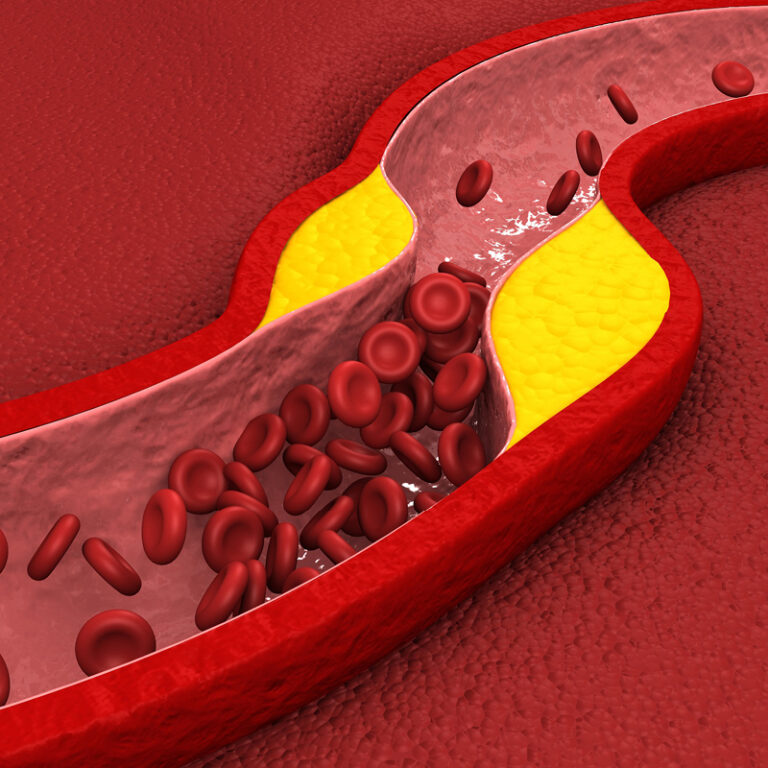
Cholesterol has long been considered a major cause of atherosclerosis. This was the so-called lipid theory, which was based on the established link between LDL cholesterol levels and the progression of atherosclerosis. If this level is high, LDL particles penetrate into the so-called subendothelial space (i.e. under the vascular lining), where they accumulate and eventually lead to the formation of atherosclerotic lesions.
Over time, however, it has become clear that cholesterol levels are not the main problem in the development of atherosclerosis. In fact, if our blood vessels are in good shape, nothing negative need occur.
The very first step in the development of atherosclerosis is the so-called endothelial dysfunction, i.e. a poor state of the vascular lining (endothelium). If this tissue is not in optimal condition, its permeability increases. Thus, macrophages and LDL cholesterol particles can penetrate it. This goes hand in hand with an increased intensity of inflammatory processes, which is caused, for example, by an inappropriate diet, obesity, insulin resistance, high blood pressure, smoking and other factors. High blood pressure also increases endothelial permeability, and the same is true for hypoxia or inadequate oxygenation. So all of this increases the likelihood of cholesterol getting to where it can start to do harm.
In other words: if our blood vessels are in perfect order, (slightly) elevated cholesterol levels do not pose any major threat to us. But if we are also overweight, have high blood pressure, diabetes or other negative factors, it is very likely that our blood vessels and their endothelium will not be in optimal condition. This is when elevated cholesterol levels become a significant risk factor for atherosclerosis.
Good or bad?
It is also necessary to recall the well-known fact that there is no cholesterol like cholesterol. There is “good” high-density HDL cholesterol and “bad” low-density LDL cholesterol, but there are differences within these categories. For example, within LDL cholesterol, the so-called small dense LDLs are more easily penetrated into the space under the endothelium due to their smaller size, which is an important step in the development of atherosclerosis.
Increased concentrations of low-density lipoprotein (LDL) cholesterol are also accompanied by higher levels of triacylglycerols and lower levels of HDL cholesterol, which in turn is beneficial from the perspective of cardiovascular disease risk because it counteracts atherosclerosis through several pathways: it helps to remove cholesterol from the space below the endothelium, improves its transport to the liver, has anti-inflammatory and antioxidant effects and inhibits the formation of blood clots. It can even transport antioxidants through the endothelium, protecting LDL particles in the subendothelial space from oxidation.
Dangerous oxidation
In addition, LDL cholesterol undergoes various chemical reactions in the intima of blood vessels (i.e. in the space under the endothelium), the most studied of which is oxidation. It is oxidation by free radicals that increases the atherogenic properties of LDL cholesterol – the more its particles are altered by oxidation, the greater the risk to the blood vessels.
In addition, LDL cholesterol oxidation products alter cytokine production, damage endothelial cells, and suppress the production of the enzyme NO synthase, resulting in a decrease in nitric oxide production, which is essential for vasodilation. In addition, highly modified LDLs are not sufficiently removed by the so-called scavenger receptors, an important process in vascular protection.
Another problem is that when LDL particles are in the subendothelial space, antioxidants from the blood plasma reach them only to a very limited extent, thus accelerating the process of their oxidation. It is therefore a vicious circle that is not easy to break.
What about epigenetics?
Let’s take a brief closer look at some of the epigenetic and other biochemical processes that play an important role in cholesterol regulation. This will help us in the search for optimal ways to lower it.
SREBF and SREBP proteins – if we take in dietary cholesterol, it is important that its formation inside the body is well regulated. Thus, the intracellular cholesterol level is constantly sensed in the body and subsequently through the formation of SREBF and SREBP proteins.
microRNAs – microRNA 33a and microRNA 33b play an important role here. These regulate the activity of genes involved in cholesterol production and transport as well as lipoprotein homeostasis. Some classical medicines focus on regulating the production of microRNA 33, but they have numerous side effects. However, microRNA 122 is also important and represents a key regulator of cholesterol and fatty acid metabolism in the adult liver.
Sirtuins – these enzymes are known for their ability to slow the aging process, but they also help regulate cholesterol levels. This is especially true for the trio referred to by the abbreviations SIRT-1, SIRT-2 and SIRT-6. More about sirtuins here(https://www.epivyziva.cz/sirtuiny-novy-klic-k-dlouhovekosti-i-zdravi/).
Histone deacetylases (HDACs) – these are enzymes that control a key epigenetic reaction called histone acetylation. For example, research shows that when HDAC3 levels are increased, it leads to a significant reduction in cholesterol production and blood levels.
HMG-CoA reductase – this is an enzyme that is essential for cholesterol synthesis in the liver. Drugs from the statin category are involved in suppressing its production.
AMPK enzyme – this enzyme is mainly known for its ability to lower blood sugar levels, but it is also essential for fat metabolism.
Enzymes CYP7A1 and CYP27A1 – these are enzymes that are essential in the conversion of cholesterol to bile acids. This reaction takes place in the liver and is crucial in maintaining the balance between the production, uptake and excretion of cholesterol. If bile acids are produced in short supply, cholesterol excretion is hampered.
Scavenger receptors – these receptors are found on the surface of macrophages, smooth muscle cells and endothelium. Scavenger means “sweeper” in English, which fully describes the function of these cells: they help remove excess LDL cholesterol from the blood vessels.
Antioxidant enzymes – antioxidants, which are able to prevent the oxidation of LDL cholesterol, play an important role in the prevention of atherosclerosis. These are not only antioxidants from food, but also antioxidant enzymes produced inside our bodies.
Hormonal regulation – an important strategy in the fight against atherosclerosis is the inhibition of the RAS (renin – angiotensin – aldosterone) system. Its increased activity is associated not only with high blood pressure but also with higher oxidative stress and endothelial dysfunction. In terms of atherosclerosis prevention, its inhibition is thus at least as important as lowering LDL cholesterol levels.
Help from nature
Classical medicine has a number of drugs capable of lowering cholesterol (especially statins), but their disadvantage is the number of negative side effects. Particularly in situations where cholesterol levels are not yet staggeringly high, it may be preferable to try to lower them naturally.
The basis should always be lifestyle modification: a healthy diet low in sugars with a high glycaemic index and animal fats, regular physical activity, sufficient quality sleep (the risk of cardiovascular disease, for example, is increased by sleep apnoea – see here), stress management and maintaining an optimal body weight. Supporting the balance of the gut microbiome is also an often overlooked factor.
Some dietary supplements can also be a useful tool:
Red rice
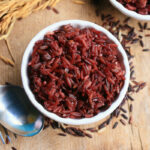
Red yeast rice is a traditional fermented food that is widely consumed in East Asian countries, especially in China, Japan and Korea. It is created by fermenting rice with a special type of fungus called Monascus purpureus. It contains many unique substances with a positive effect on the body, but the monacolins, especially monacolin K, are particularly important in terms of their effect on cholesterol levels. It even has the same structure as the statin drug lovastatin, but due to the synergistic action of the other substances in red yeast rice, it needs to be used less and its negative side effects are significantly lower.
Monacolin K acts on an epigenetic basis – it is able to suppress the production of the enzyme HMG-CoA reductase, which is essential for the process of cholesterol formation, and also activates the processes that lead to the uptake of LDL cholesterol from the bloodstream and its subsequent degradation. In addition, cholesterol lowering is also promoted by some of the pigments in red rice, which inhibit the synthesis of cholesterol and fatty acids in the liver, and their use leads to a reduction not only in LDL cholesterol but also in triglycerides in the blood.
Artichoke
Another very effective natural remedy to lower cholesterol is artichoke. Taking an extract of this Mediterranean vegetable, for example, led to an 18.6% drop in total cholesterol and an even 29% drop in LDL cholesterol in one study! In addition, it has the ability to alleviate oxidative stress in the endothelium, inhibit the production of the enzyme HMG-CoA reductase, which is essential for cholesterol synthesis, and is also involved in the metabolism of the hormone angiotensin. It also has a positive effect on blood pressure.
EGCG
Epigallocatechin gallate, found abundantly in green tea in particular, is a very effective natural means of regulating blood cholesterol levels. It reduces the absorption of cholesterol from the digestive tract, increases the production of bile acids necessary for its breakdown, affects the activity of scavenger receptors, prevents the accumulation of cholesterol in the liver and inhibits the production of enzymes necessary for cholesterol formation, including HGM-CoA reductase.
Hydroxytyrosol
Olive polyphenol can effectively lower total and LDL cholesterol and triglycerides, while increasing HDL cholesterol. It also has significant antioxidant effects, including in the vascular endothelium, and promotes the production of internal antioxidant enzymes such as superoxide dismutase (SOD). It also has a strong anti-inflammatory effect, affecting inflammatory markers directly at the mitochondrial level. Olive polyphenols also improve endothelial function and help lower blood pressure.
The advantage of hydroxytyrosol is its excellent bioavailability and speed of action – in one study, the reduction of oxidised LDL cholesterol occurred just one hour after the first dose! In addition, it also has a positive effect on blood pressure.
Resveratrol
Also, a dye derived from grape skins, for example, helps to lower total and LDL cholesterol and triglycerides, and increase HDL cholesterol. It is also a very effective means of preventing the development of atherosclerosis in its early stages.
Resveratrol works in several ways: it is a powerful antioxidant with anti-inflammatory effects and one of the most effective natural means to promote sirtuin production. It also supports the production of AMPK.
Astaxanthin
The dye, which is found in salmon, lobster and shrimp meat as well as some seaweeds, lowers total and LDL cholesterol levels as well as the amount of circulating lipid particles.
It also combines several different mechanisms: for example, it improves the uptake of cholesterol by the liver, suppresses the production of HMG-CoA reductase and thus cholesterol synthesis, affects the level of SREBP proteins, which are involved in the balance of cholesterol production and excretion, and suppresses the absorption of fats from the digestive system by affecting the secretion of pancreatic lipase.
Ginseng five-leaved
This herb can also lower cholesterol very effectively. In addition, it is also effective in lowering blood pressure – in this regard, it has proven similarly effective as the drug Indapamide.
Other nutrients and herbs with a positive effect on cholesterol levels:
0:00
/
0:00
Stárnutí je volba
Klíčová slova: Artichoke, astaxanthin, atherosclerosis, cholesterol, egcg, ginseng five-leaf, heart and blood vessels, hydroxytyrosol, monacolin K, red rice, resveratrol, statins
Komentáře
Seznam zdrojů
- Steve Meaney. Epigenetic regulation of cholesterol homeostasis. Front Genet. 2014; 5: 311.
- Hanqi Liu a kol. Global Trends of Lipid Metabolism Research in Epigenetics Field: A Bibliometric Analysis from 2012–2021. Int J Environ Res Public Health. 2023 Feb; 20(3): 2382.
- https://www.wikiskripta.eu/w/Ateroskler%C3%B3za
- Michal Vrablík. Ateroskleróza: od etiologie po možnosti ovlivnění. Vnitřní lékařství. k 2015; 61(11): 925–931. https://casopisvnitrnilekarstvi.cz/pdfs/vnl/2015/11/02.pdf
- https://www.prolekare.cz/tema/kardiovaskularni-rizika/detail/neni-statin-jako-statin-aneb-prakticky-prehled-rozdilu-jednotlivych-molekul-112435
- Gong Chen, Wanbo Chen, Jinhong Xu, Guodong Ma, Xinge Hu, Guoxun Chen. The current trend and challenges of developing red yeast rice-based food supplements for hypercholesterolemia. Journal of Future Foods. Volume 3, Issue 4, December 2023, Pages 312-329. https://www.sciencedirect.com/science/article/pii/S2772566923000216
- https://www.mayoclinic.org/drugs-supplements-red-yeast-rice/art-20363074
- Amirhossein Sahebkar, Matteo Pirro, Maciej Banach , Dimitri P Mikhailidis, Stephen L Atkin, Arrigo F G Cicero. Lipid-lowering activity of artichoke extracts: A systematic review and meta-analysis. Crit Rev Food Sci Nutr. 2018;58(15):2549-2556.
- Danuta Zapolska-Downar, Andrzej Zapolski-Downar, Marek Naruszewicz, Aldona Siennicka, Barbara Krasnodębska, Blanka Kołodziej. Protective properties of artichoke (Cynara scolymus) against oxidative stress induced in cultured endothelial cells and monocytes. Life Sciences
- Volume 71, Issue 24, 1 November 2002, Pages 2897-2908
- https://dspace.cuni.cz/bitstream/handle/20.500.11956/95615/150040388.pdf?sequence=1&isAllowed=y
- Ana Sánchez-Taínta, Ramón Estruch, Mónica Bulló, Dolores Corella, Enrique Gómez-Gracia, Miquel Fiol, Jaime Algorta, María-Isabel Covas, José Lapetra, Itziar Zazpe, Valentina Ruiz-Gutiérrez, Emilio Ros, Miguel A Martínez-González. Adherence to a Mediterranean-type diet and reduced prevalence of clustered cardiovascular risk factors in a cohort of 3204 high-risk patients. European journal of cardiovascular prevention and rehabilitation, Volume 15, Issue 5, 1 October 2008, Pages 589–593.
- Cecilia Bender, Ilaria Candi, and Eva Rogel. Efficacy of Hydroxytyrosol-Rich Food Supplements on Reducing Lipid Oxidation in Humans. Int J Mol Sci. 2023 Mar; 24(6): 5521.
- Stefania Bulotta, Marilena Celano, Saverio Massimo Lepore, Tiziana Montalcini, Arturo Pujia & Diego Russo. Beneficial effects of the olive oil phenolic components oleuropein and hydroxytyrosol: focus on protection against cardiovascular and metabolic diseases. Journal of Translational Medicine volume 12, Article number: 219 (2014)
- Kamal Patel. Artichoke Extract. Examine. September 28, 2022. https://examine.com/supplements/artichoke-extract/research/
- Artichoke. Medically reviewed by Drugs.com. Last updated on Dec 22, 2022. https://www.drugs.com/npp/artichoke.html
- Englisch W, Beckers C, Unkauf M, Ruepp M, Zinserling VEfficacy of Artichoke dry extract in patients with hyperlipoproteinemia. Arzneimittelforschung.(2000 Mar)
- Xinyi Cao, Wang Liao, Hui Xia, Shaokang Wang, and Guiju Sun. The Effect of Resveratrol on Blood Lipid Profile: A Dose-Response Meta-Analysis of Randomized Controlled Trials. Nutrients. 2022 Sep; 14(18): 3755.
- Alessandro Medoro, Mariano Intrieri, Daniela Passarella, Donald Craig Willcox, Sergio Davinelli, Giovanni Scapagnini. Astaxanthin as a metabolic regulator of glucose and lipid homeostasis. Journal of Functional Foods. Volume 112, January 2024, 105937
- Lu, GH. et al. Comparative study on anti-hypertensive effect of Gypenosides, Ginseng and Indapamide in patients with essential hypertension. Guizhou Medical Journal 1996; 20:1.