Our genes play an important role in the development of any tumour. There are genes in our DNA that make us more likely to develop cancer, as well as genes that protect us from cancer. The risk of developing the disease then rises or falls depending on which has the upper hand.
The decisive factor is not only whether we inherit more genes of the first or second type from our parents, but also how active these genes are at any given time. The level of their activity is also influenced by a number of lifestyle factors that affect the course of epigenetic reactions in the body.
The human genome contains information in two forms: genetic and epigenetic. The genetic information represents a kind of blueprint for the creation of a living being, specifically for the production of the proteins needed to do so. Epigenetic information then tells how, when and where to use the genetic information.
Epigenetic changes occur in the body through three main biomechanical reactions: DNA methylation, histone modification and regulation by microRNAs. The first of these plays a major role in the development of all cancers, as excessive methylation is the main mechanism that silences tumour suppressor genes – those genes that are supposed to protect the body from cancer.
However, the second group of reactions is also important, namely histone acetylation. Decreased acetylation of tumour suppressor genes also reduces their activity, and if this is accompanied by increased acetylation of tumour-promoting genes, it can significantly increase the risk of more than just skin cancer.
These changes promote proliferation, i.e. the rapid, uncontrolled multiplication of cells that is typical of cancer. At the same time, they limit apoptosis, or programmed cell death of damaged cells, which in turn is an important defence mechanism of the body against tumours.
When the skin is exposed to UV radiation (especially the UVB component), the cell wall and the DNA inside the cells are damaged. This significantly increases the production of free radicals and the level of inflammatory processes. And these are all processes that cause epigenetic changes in the cellular DNA – for example, due to oxidative stress and chronic inflammation, changes in DNA methylation are significantly accelerated, which reduce the activity of tumor suppressor genes.
UV radiation, for example, causes both mutations and epigenetic changes in the P53 gene, which plays an important role in protecting against cancer – even earning it the name “anti-cancer cop”. Moreover, these changes occur very quickly and at a relatively young age.
However, negative epigenetic changes in the body also increase with age, so the risk of developing (not only) skin tumours increases with increasing age.
The good news, however, is that much of the epigenetic changes are reversible. Therefore, if we focus on other factors that influence the course of epigenetic reactions in the body, we can largely suppress the negative epigenetic changes caused by UV radiation.
Nutrition plays a very significant role in this regard. It is important to limit ingredients that have a negative epigenetic effect and promote inflammation in the body (typically carbohydrates with a high glycemic index, excessive animal fats, alcohol, etc.) and instead add bioactive substances with a positive epigenetic effect, either as part of the diet or as supplements. These are purely natural substances, usually from the plant kingdom, and many of them are part of traditional medicine in different parts of the world. In addition, most of them have a positive effect on the prevention and treatment not only of skin tumours, but also of other types of cancer and many other diseases.
Of course, there is no guarantee that consuming these substances will protect us from skin tumours, but in combination with other positive lifestyle changes and a sensible approach to tanning, they can reduce the risk of skin tumours significantly.
And which specific substances can help us?
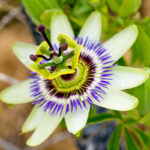
OPC – an abbreviation for oligomeric proanthocyanidins, which are found in high concentrations in grape seeds. They have been shown to reduce the overall level of gene methylation in skin cells, and studies in mice have even demonstrated their ability to reduce methylation directly in skin tumour cells. It has also been confirmed to positively affect gene methylation and histone acetylation rates in human skin cancer models. It is also a potent antioxidant with anti-inflammatory activity.
EGCG – epigallocatechin gallate from green tea is one of the best-studied natural substances with anti-cancer activity, and research suggests that it may also be very effective in the prevention and treatment of skin cancer. It significantly promotes apoptosis and helps to reduce proliferation, in addition to effectively reducing oxidative stress and suppressing inflammatory processes induced by UVB radiation. In experiments on mice exposed to extreme doses of UV radiation, it was effective in preventing the formation of tumours and also in suppressing the growth of melanomas that had already formed. In in vitro experiments in models simulating human skin cancer, its ability to reduce the overall methylation rate in skin and tumor cells was confirmed, as well as positively affecting histone acetylation and regulation by microRNAs.
Vitamin D3 – it’s actually a big paradox: while UV radiation increases the risk of melanoma, it also promotes the production of vitamin D in the skin, which is known for its anti-cancer effects. Not only does it reduce the risk of skin tumours, but it also promotes treatment and its use also reduces the risk of the disease returning. However, vitamin D (we refer to its animal form as D3, which is more easily absorbed) decreases significantly in the skin with age, so it is important to make sure you get enough of it in your diet or in the form of supplements.
Astaxanthin – the use of carotenoids, for example before going on holiday to the seaside, is often recommended, but most people talk about the best known of them, beta-carotene, which has antioxidant and epigenetic effects. But perhaps an even better choice is the lesser-known carotenoid astaxanthin, which is found, for example, in salmon, shrimp, lobster and some seaweeds. It combines powerful antioxidant, immunomodulatory and epigenetic effects and also prevents skin tumours. It improves intercellular communication, which is often impaired in cancer cells, increases the activity of genes that produce enzymes that allow the excretion of carcinogenic compounds and inhibits proliferation.
PŘIHLASTE SE K ODBĚRU NOVINEK A MĚJTE VŽDY ČERSTVÉ INFORMACE
| Cookie | Duration | Description |
|---|---|---|
| cookielawinfo-checkbox-analytics | 11 měsíců | Tento soubor cookie je nastaven pluginem GDPR Cookie Consent. Soubor cookie se používá k uložení souhlasu uživatele s používáním souborů cookie v kategorii „Analytika“. |
| cookielawinfo-checkbox-functional | 11 měsíců | Soubor cookie je nastaven na základě souhlasu s cookie GDPR k zaznamenání souhlasu uživatele pro soubory cookie v kategorii „Funkční“. |
| cookielawinfo-checkbox-necessary | 11 měsíců | Tento soubor cookie je nastaven pluginem GDPR Cookie Consent. Cookies slouží k uložení souhlasu uživatele s cookies v kategorii „Nezbytné“. |
| cookielawinfo-checkbox-others | 11 měsíců | Tento soubor cookie je nastaven pluginem GDPR Cookie Consent. Cookie se používá k uložení souhlasu uživatele s cookies v kategorii „Jiné. |
| cookielawinfo-checkbox-performance | 11 měsíců | Tento soubor cookie je nastaven pluginem GDPR Cookie Consent. Cookie se používá k uložení souhlasu uživatele s cookies v kategorii „Výkon“. |
| elementor | nikdy | Tento soubor cookie používá téma WordPress webu. Umožňuje vlastníkovi webu implementovat nebo měnit obsah webu v reálném čase. |
| viewed_cookie_policy | 11 měsíců | Soubor cookie je nastaven pluginem GDPR Cookie Consent a používá se k uložení, zda uživatel souhlasil nebo nesouhlasil s používáním souborů cookie. Neukládá žádné osobní údaje. |
| Cookie | Duration | Description |
|---|---|---|
| sb | 2 roky | Tento soubor cookie používá Facebook ke kontrole svých funkcí, shromažďování jazykových nastavení a sdílení stránek. |
| Cookie | Duration | Description |
|---|---|---|
| _ga | 2 roky | Soubor _ga cookie, nainstalovaný službou Google Analytics, vypočítává údaje o návštěvnících, relacích a kampaních a také sleduje využití webu pro analytický přehled webu. Soubor cookie ukládá informace anonymně a přiřazuje náhodně vygenerované číslo k rozpoznání unikátních návštěvníků. |
| _gat_gtag_UA_71041054_1 | 1 minuta | Nastaveno Googlem k rozlišení uživatelů. |
| _gid | 1 den | Soubor cookie _gid nainstalovaný službou Google Analytics ukládá informace o tom, jak návštěvníci používají webovou stránku, a zároveň vytváří analytickou zprávu o výkonu webu. Některá data, která jsou shromažďována, zahrnují počet návštěvníků, jejich zdroj a stránky, které anonymně navštěvují. |
| Cookie | Duration | Description |
|---|---|---|
| fr | 3 měsíce | Facebook nastavuje tento soubor cookie tak, aby uživatelům zobrazoval relevantní reklamy sledováním chování uživatelů na webu, na stránkách, které mají Facebook pixel nebo sociální plugin Facebooku. |
| _fbp | 3 měsíce | Tento soubor cookie je nastaven společností Facebook, aby po návštěvě webové stránky zobrazoval reklamy na Facebooku nebo na digitální platformě založené na reklamě na Facebooku. |
| Cookie | Duration | Description |
|---|---|---|
| pvc_visits[0] | 1 minuta | Tento soubor cookie vytváří počítadlo po zhlédnutí. Tento soubor cookie se používá k počítání počtu návštěv příspěvku. Pomáhá také zabránit opakovanému zobrazení příspěvku návštěvníkem. |