While it is true that there is a genetic predisposition to high blood pressure, lifestyle clearly plays a major role in its development. This influences the course of epigenetic reactions in our bodies, which determine the activity of individual genes in our DNA.
The main function of the genes in our DNA is to be a form of protein “production” – if a gene is turned off, no protein is produced. And it is certain types of proteins that play a vital role in maintaining optimal blood pressure – some, for example, constrict blood vessels, others help maintain the correct composition of blood vessel walls or influence the production of important hormones. Therefore, if the activity of the relevant genes is increased or decreased, the production of important proteins changes and the risk of high blood pressure increases.
A number of scientific studies have shown that people suffering from high blood pressure have different levels of virtually all of the most important epigenetic changes in their bodies – DNA methylation, histone modification and the concentration of the so-called. Interestingly, many of these changes are already occurring during intrauterine development – for example, if the mother is deficient in vitamin D, protein or is exposed to environmental toxins. An increased risk of high blood pressure has also been confirmed if the baby’s mother suffered from pre-eclampsia, and animal experiments have even suggested that conception through assisted reproduction may also be a risk factor.
However, a significant proportion of epigenetic changes occur in adulthood, and much of this is reversible. Thus, switching to a healthier lifestyle can not only prevent high blood pressure, but also reduce it. And what is good to think about?
Intermittent fasting is a dietary system in which food is eaten only during a limited time interval. It takes advantage of the fact that blood glucose levels usually rise after a meal, and this state lasts for about 2 hours. Therefore, if we eat frequently, the body prefers to obtain energy from sugars. However, when we do not eat for a substantial part of the day (for example, 16-18 hours), the body must start to maintain a steady blood glucose level by means of so-called gluconeogenesis, i.e. the production of glucose from fat stores.
The intermediate product of this reaction are so-called ketones, which have a positive effect on a number of processes in the body, including those that affect the health of the cardiovascular system – their increased production leads, for example, to a reduction in the amount of so-called visceral (internal) fat, a decrease in LDL cholesterol or an increase in the production of the hormone adiponectin, which promotes weight loss and suppresses inflammatory processes in the body.
In addition, intermittent fasting promotes the production of the growth factor BDNF, which has a direct positive effect not only on the growth and protection of nerve cells, but also on the decrease in blood pressure. It increases the release of substances in nerve cells that dilate blood vessels.
Vegetarians are known to suffer significantly less from high blood pressure than meat eaters, but the meat itself is unlikely to play a role. In fact, more experts are inclined to believe that the reason is that a vegetarian’s diet usually contains more fibre. In addition, a total of 25 clinical studies have confirmed that simply adding fibre to the diet leads to a drop in blood pressure.
One of the reasons why fiber lowers blood pressure is probably because it acts as a prebiotic, i.e. food for the “friendly” bacteria in our gut. Indeed, the link between the balance of the gut microbiome and blood pressure has been clearly established, although the exact mechanisms of its action are not yet fully understood.
But what is certain is that an imbalance of the gut microbiome increases the intensity of inflammation in the body, resulting in a higher risk of cardiovascular disease. Bacteria that produce short-chain fatty acids, particularly butyrate, also play an important role. This affects the production of the hormone renin, which is one of the main regulators of blood pressure. Therefore, in addition to supporting the health of the gut microbiome itself, butyrate may also be useful as a dietary supplement. Read more “
Nitric oxide (NO) acts as a vasodilator, i.e. it dilates blood vessels. This not only leads to better blood flow to all the tissues in the body, but also to a reduction in blood pressure, as the dilated blood vessels do not put as much resistance to the heart and blood flows more easily through them.
For the production of nitric oxide, a sufficient intake of two substances is necessary: the amino acid arginine (or generally essential amino acids, because the body can make arginine from them) and nitrates – the richest source of which are vegetables, especially beetroot and leafy species. However, the enzyme eNOS, which is involved in the production of NO, is also essential.
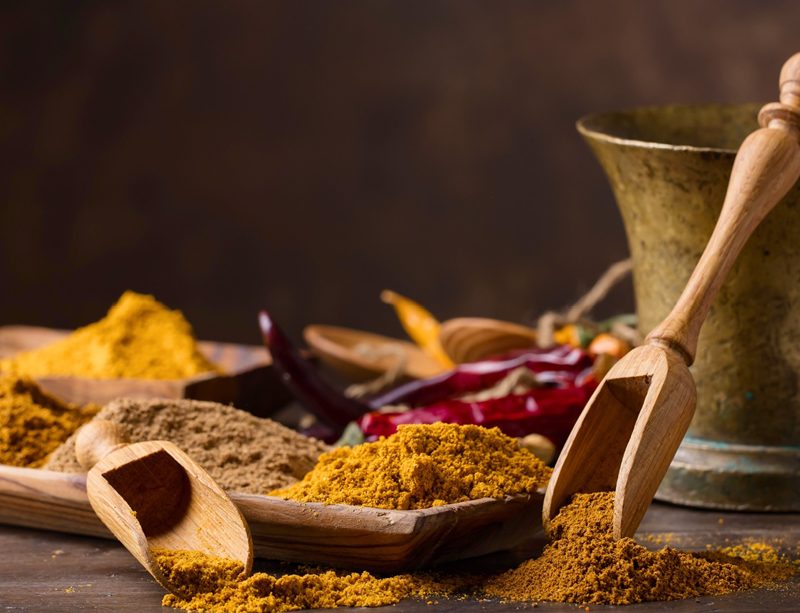
Therefore, two dietary supplements may be useful here: pomegranate, which promotes eNOS production through epigenetic pathways and protects NO from free radicals, and curcumin, which increases bioavailable NO and protects it from degradation.
A diet high in simple sugars is always harmful. Among other things, it promotes inflammatory processes that increase the risk of heart and blood vessel disease. But there is no such thing as sugar. Even more harmful than sucrose (i.e. ordinary white sugar) are, for example, drinks and sweets sweetened with glucose-fructose syrup derived from corn. These contain a lot of fructose, which reduces the production of two important microRNAs in the body, 19b and 101a. These inconspicuous substances, by their action on gene activity, reduce fat storage in the arteries, and if we have a deficiency of them, the amount of fat in the blood vessels increases, and with it blood pressure.
According to the research done so far, it seems that a high-protein diet protects against high blood pressure.
A diet high in body fat negatively affects the production of microRNAs, which are substances that are able to completely stop the production of proteins by individual genes. In particular, there is an excessive production of microRNA-21, which affects the smooth muscle in the walls of blood vessels.
Conversely, a high proportion of omega-3 unsaturated fatty acids reduces the production of microRNA-21 and has a positive effect on blood pressure. Therefore, including oily fish in the diet or consuming dietary supplements with omega-3 is clearly a good option.
Movement has positive effects in the prevention and treatment of a wide range of health problems and is particularly effective in lowering blood pressure. Those with high blood pressure (above 140/90 mm Hg) clearly benefit most from aerobic exercise, e.g. brisk walking, cycling or swimming. These activities, if practised regularly, can even lower blood pressure more than a single antihypertensive drug (i.e. not a combination of several drugs). Conversely, for those with only slightly elevated blood pressure (130-140/85-90 mmHg), aerobic activities are also beneficial, but regular exercise has an even better effect.
PŘIHLASTE SE K ODBĚRU NOVINEK A MĚJTE VŽDY ČERSTVÉ INFORMACE
| Cookie | Duration | Description |
|---|---|---|
| cookielawinfo-checkbox-analytics | 11 měsíců | Tento soubor cookie je nastaven pluginem GDPR Cookie Consent. Soubor cookie se používá k uložení souhlasu uživatele s používáním souborů cookie v kategorii „Analytika“. |
| cookielawinfo-checkbox-functional | 11 měsíců | Soubor cookie je nastaven na základě souhlasu s cookie GDPR k zaznamenání souhlasu uživatele pro soubory cookie v kategorii „Funkční“. |
| cookielawinfo-checkbox-necessary | 11 měsíců | Tento soubor cookie je nastaven pluginem GDPR Cookie Consent. Cookies slouží k uložení souhlasu uživatele s cookies v kategorii „Nezbytné“. |
| cookielawinfo-checkbox-others | 11 měsíců | Tento soubor cookie je nastaven pluginem GDPR Cookie Consent. Cookie se používá k uložení souhlasu uživatele s cookies v kategorii „Jiné. |
| cookielawinfo-checkbox-performance | 11 měsíců | Tento soubor cookie je nastaven pluginem GDPR Cookie Consent. Cookie se používá k uložení souhlasu uživatele s cookies v kategorii „Výkon“. |
| elementor | nikdy | Tento soubor cookie používá téma WordPress webu. Umožňuje vlastníkovi webu implementovat nebo měnit obsah webu v reálném čase. |
| viewed_cookie_policy | 11 měsíců | Soubor cookie je nastaven pluginem GDPR Cookie Consent a používá se k uložení, zda uživatel souhlasil nebo nesouhlasil s používáním souborů cookie. Neukládá žádné osobní údaje. |
| Cookie | Duration | Description |
|---|---|---|
| sb | 2 roky | Tento soubor cookie používá Facebook ke kontrole svých funkcí, shromažďování jazykových nastavení a sdílení stránek. |
| Cookie | Duration | Description |
|---|---|---|
| _ga | 2 roky | Soubor _ga cookie, nainstalovaný službou Google Analytics, vypočítává údaje o návštěvnících, relacích a kampaních a také sleduje využití webu pro analytický přehled webu. Soubor cookie ukládá informace anonymně a přiřazuje náhodně vygenerované číslo k rozpoznání unikátních návštěvníků. |
| _gat_gtag_UA_71041054_1 | 1 minuta | Nastaveno Googlem k rozlišení uživatelů. |
| _gid | 1 den | Soubor cookie _gid nainstalovaný službou Google Analytics ukládá informace o tom, jak návštěvníci používají webovou stránku, a zároveň vytváří analytickou zprávu o výkonu webu. Některá data, která jsou shromažďována, zahrnují počet návštěvníků, jejich zdroj a stránky, které anonymně navštěvují. |
| Cookie | Duration | Description |
|---|---|---|
| fr | 3 měsíce | Facebook nastavuje tento soubor cookie tak, aby uživatelům zobrazoval relevantní reklamy sledováním chování uživatelů na webu, na stránkách, které mají Facebook pixel nebo sociální plugin Facebooku. |
| _fbp | 3 měsíce | Tento soubor cookie je nastaven společností Facebook, aby po návštěvě webové stránky zobrazoval reklamy na Facebooku nebo na digitální platformě založené na reklamě na Facebooku. |
| Cookie | Duration | Description |
|---|---|---|
| pvc_visits[0] | 1 minuta | Tento soubor cookie vytváří počítadlo po zhlédnutí. Tento soubor cookie se používá k počítání počtu návštěv příspěvku. Pomáhá také zabránit opakovanému zobrazení příspěvku návštěvníkem. |