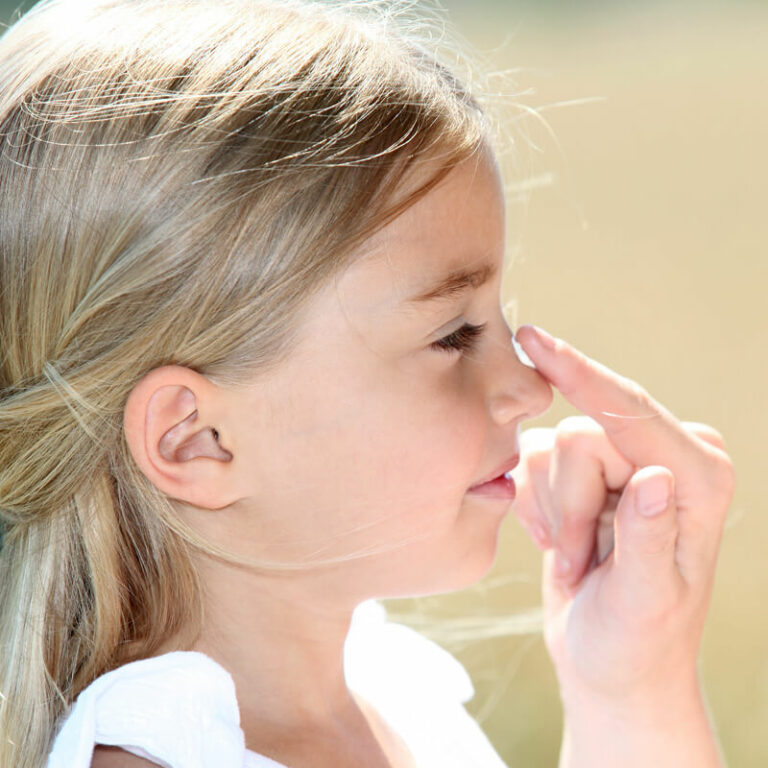
Every young child today knows that UV radiation can do bad things to the body. But the skin needs to be protected not only from the outside, with clothing and sunscreen, but also from the inside, at the cellular level. The knowledge of epigenetics can help us do this.
Unpleasant sunburn, accelerated ageing, suppressed immunity and increased risk of cancer – these are, in short, the main problems that overexposure to UV radiation, especially its UVB component, can cause to our skin. There are several ways in which it can harm us:
Mutagenic effect – UV radiation can cause mutations, i.e. damage to DNA inside cells. The damaged cell then doesn’t function properly, and if other factors are added, it can become the basis for cancer. However, contrary to popular belief, the mutagenic effects of UV radiation are relatively low
Increased stress levels – excessive exposure to UV radiation increases the body’s levels of stress hormones, especially corticosterone.
Oxidative stress – exposure to UV radiation increases the production of free radicals.
Epigenetic effect – UV radiation causes extensive epigenetic changes in the DNA of skin cells (i.e. changes that alter the activity of important genes in the DNA). In particular, the changes in two major epigenetic reactions, gene methylation and histone acetylation, are very extensive – significant changes in activity have been found in thousands of genes. This has implications for both the rate of skin ageing and skin protection against cancer. Typical examples include altering the production of the enzyme CYP24A1, which converts vitamin D3 into substances with anti-cancer effects, or affecting so-called tumour suppressor genes that are responsible for defending against tumours (e.g. p53).
Moreover, many of these changes, especially mutational and epigenetic changes, accumulate in the body. So all the skin burns we have suffered in our lifetime add up, and problems can appear years later.
As we have already mentioned, while external protection against UV radiation is important, it is equally important to support epigenetic processes in the body that improve the skin’s natural protection against cancer, aging and other negative effects of excessive sun exposure. Here is a review of the substances of most interest with antioxidant and epigenetic activity that can help us do this, whether we consume them in their natural food sources or in the form of dietary supplements.
Lutein and zeaxanthin – these are dyes from the carotenoid family with significant antioxidant and epigenetic effects. They are mainly found in eggs, corn, yellow fruits and vegetables and vegetables with dark green leaves. They protect the skin very effectively from sunlight, both when used internally and when applied externally, and also slow down the skin ageing process. After excessive sun exposure, they help to alleviate adverse effects (swelling, inflammation, soreness), and they also protect the eyes from sun exposure. Read more ”
Ginkgo biloba – extract from this tree is known for its positive effect on blood circulation, but it also protects the skin from UV rays and slows down its aging. Read more ”
Genistein – isoflavone from soybeans is a potent phytoestrogen that is especially suitable for menopausal and post-menopausal women. For them it is also a great choice for protecting the skin from UV rays and slowing down skin aging. Read more ”
Coleus forskohlii – a herb growing on the slopes of the Himalayas is the only known source of forskolin. It promotes the production of cAMP in cells, which is essential for cell signalling, i.e. the transmission of information within cells. Increasing the production of cAMP in the skin helps to slow skin ageing, improves its protection against UV rays and free radicals, and speeds up the healing of injuries. Read more ”
OPCs – oligomeric proanthocyanidins, which are abundant in grape seeds, for example, protect the skin from UVB radiation and positively influence epigenetic processes that are related to the risk of skin cancer. Read more “
EGCG – epigallocatechin gallate, the richest natural source of which is green tea, is one of the very effective factors that influence epigenetic reactions related to skin cancer risk (especially histone acetylation). It also effectively slows down the aging process, especially by promoting mitochondrial function. Read more “
Astaxanthin, a carotenoid found in salmon, shrimp and lobster, is a very powerful antioxidant with epigenetic and anti-cancer effects. It protects the skin against the effects of UV radiation and free radicals, improves its barrier function and prevents the appearance of wrinkles and other signs of skin ageing. Read more ”
Baikal coneflower – UV protection is also supported by a herb widely used in traditional Chinese medicine. Read more “
PŘIHLASTE SE K ODBĚRU NOVINEK A MĚJTE VŽDY ČERSTVÉ INFORMACE
| Cookie | Duration | Description |
|---|---|---|
| cookielawinfo-checkbox-analytics | 11 měsíců | Tento soubor cookie je nastaven pluginem GDPR Cookie Consent. Soubor cookie se používá k uložení souhlasu uživatele s používáním souborů cookie v kategorii „Analytika“. |
| cookielawinfo-checkbox-functional | 11 měsíců | Soubor cookie je nastaven na základě souhlasu s cookie GDPR k zaznamenání souhlasu uživatele pro soubory cookie v kategorii „Funkční“. |
| cookielawinfo-checkbox-necessary | 11 měsíců | Tento soubor cookie je nastaven pluginem GDPR Cookie Consent. Cookies slouží k uložení souhlasu uživatele s cookies v kategorii „Nezbytné“. |
| cookielawinfo-checkbox-others | 11 měsíců | Tento soubor cookie je nastaven pluginem GDPR Cookie Consent. Cookie se používá k uložení souhlasu uživatele s cookies v kategorii „Jiné. |
| cookielawinfo-checkbox-performance | 11 měsíců | Tento soubor cookie je nastaven pluginem GDPR Cookie Consent. Cookie se používá k uložení souhlasu uživatele s cookies v kategorii „Výkon“. |
| elementor | nikdy | Tento soubor cookie používá téma WordPress webu. Umožňuje vlastníkovi webu implementovat nebo měnit obsah webu v reálném čase. |
| viewed_cookie_policy | 11 měsíců | Soubor cookie je nastaven pluginem GDPR Cookie Consent a používá se k uložení, zda uživatel souhlasil nebo nesouhlasil s používáním souborů cookie. Neukládá žádné osobní údaje. |
| Cookie | Duration | Description |
|---|---|---|
| sb | 2 roky | Tento soubor cookie používá Facebook ke kontrole svých funkcí, shromažďování jazykových nastavení a sdílení stránek. |
| Cookie | Duration | Description |
|---|---|---|
| _ga | 2 roky | Soubor _ga cookie, nainstalovaný službou Google Analytics, vypočítává údaje o návštěvnících, relacích a kampaních a také sleduje využití webu pro analytický přehled webu. Soubor cookie ukládá informace anonymně a přiřazuje náhodně vygenerované číslo k rozpoznání unikátních návštěvníků. |
| _gat_gtag_UA_71041054_1 | 1 minuta | Nastaveno Googlem k rozlišení uživatelů. |
| _gid | 1 den | Soubor cookie _gid nainstalovaný službou Google Analytics ukládá informace o tom, jak návštěvníci používají webovou stránku, a zároveň vytváří analytickou zprávu o výkonu webu. Některá data, která jsou shromažďována, zahrnují počet návštěvníků, jejich zdroj a stránky, které anonymně navštěvují. |
| Cookie | Duration | Description |
|---|---|---|
| fr | 3 měsíce | Facebook nastavuje tento soubor cookie tak, aby uživatelům zobrazoval relevantní reklamy sledováním chování uživatelů na webu, na stránkách, které mají Facebook pixel nebo sociální plugin Facebooku. |
| _fbp | 3 měsíce | Tento soubor cookie je nastaven společností Facebook, aby po návštěvě webové stránky zobrazoval reklamy na Facebooku nebo na digitální platformě založené na reklamě na Facebooku. |
| Cookie | Duration | Description |
|---|---|---|
| pvc_visits[0] | 1 minuta | Tento soubor cookie vytváří počítadlo po zhlédnutí. Tento soubor cookie se používá k počítání počtu návštěv příspěvku. Pomáhá také zabránit opakovanému zobrazení příspěvku návštěvníkem. |