Torture
epivyziva.cz/
Zobrazeno: 1,222
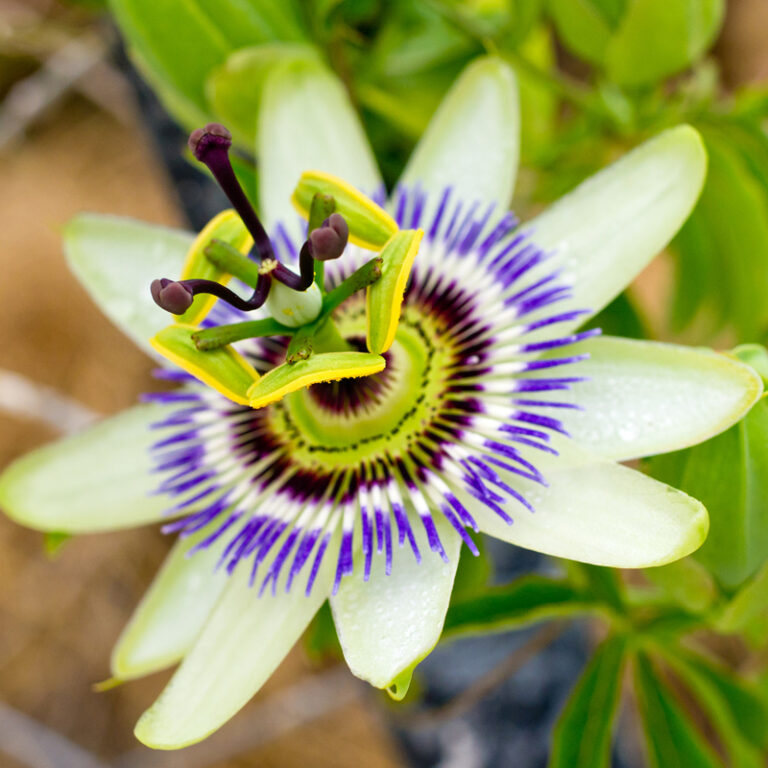
(Passiflora)
Description
The genus Passionflower, Latin Passiflora, includes more than 500 species of plants found mainly in warm to tropical regions. It is also abundant in the southern USA. Passiflora incarnata is most commonly used in phytotherapy. It is a very decorative, perennial climbing plant with trifoliate leaves and beautiful, 5-7 cm large purple-white flowers. The green or greenish-yellow fruits resemble the shape of an egg. (1) However, other species also have medicinal properties.
History
The Passion Flower was first described and named by the Spanish explorers of America in 1529 and became a symbol of the Passion of Christ (hence its name). The first written reference to the medicinal effects of the plant dates back to 1787, when the German naturalist Schoepf’s Materia Medica Americana mentions its use in epilepsy. In reality, however, its use is probably much older, as it is a traditional medicinal plant of many indigenous cultures, particularly in the USA, Mexico and South America. The fruit is also used in gastronomy, both raw and in jams, for example (1, 16).
Active ingredients
Passionflower contains a variety of biologically active substances, some of which are very unique. For example, we can find a number of flavonoids (vitexin, orientin, apigenin, kaepmferol, quercetin and others) or indole alkaloids such as harman, harmin and harmol), chrysin, benzoflavone (BZF).
However, passion fruit also contains gamma-aminobutyric acid (GABA), which helps regulate mood. This is because it counteracts the neurotransmitters that cause excitation, so it has a calming effect. Although until recently it was believed that GABA could not cross the barrier between the bloodstream and the brain and therefore was of no use, there are studies that dispute this claim. (2,3)
Some of the substances contained in passionflower also have an epigenetic effect, i.e. they are able to influence the activity of individual genes in DNA.
Healing effects
In traditional medicine, passionflower is used for anxiety, insomnia, epilepsy, painful menstruation and other problems. Modern science has confirmed its effectiveness in the following cases in particular:
Anxiety
The GABA content, as well as the fact that some substances from passionflower bind to so-called benzodiazepine receptors in the brain, is probably why passionflower is one of the most effective natural anti-anxiety agents. However, other substances contained in it, such as chrysin or apigenin, also have antixiolytic and sedative effects. Significant relief in anxiety sufferers has been observed in studies after 2-8 weeks of use, with dosages typically around 400 mg of extract or 45 drops of tincture twice a day. (1, 4-6, 9, 11, 21, 29,36)
When passionflower has been compared with benzodiazepine anti-anxiety drugs (which have many side effects and can be addictive), it has been shown to be comparably effective (for example, with oxazepam or diazepam) and may even have slightly better effects in some areas – for example, in improving work performance. It also does not induce drowsiness as much compared to benzodiazepines (13).
In addition, the ability to suppress anxiety has also been demonstrated in two specific cases. The first is anxiety before surgery – in this case, it is recommended to take passionflower 2 weeks before the procedure, but a single use, such as 500 mg of extract or 20 drops of tincture 90 minutes before the actual procedure, is also effective, if circumstances allow.(9) One study has even shown that passionflower can be effective in reducing fear of dental treatment! (12, 30)
After surgery, patients using passionflower have also been reported to have lower rates of confusion and other cognitive problems.(28) On the other hand, passionflower may interfere with the effectiveness of certain types of anaesthesia, so its use should always be discussed with a doctor before surgery.
Passionflower is also suitable for preventive use in periods of acute stress. (32)
Insomnia
One of the most significant positive effects of passionflower is the alleviation of sleep problems, both in terms of better falling asleep and improved sleep quality. Especially in some combinations (valerian, hops), it shows similar effectiveness in this respect to synthetic insomnia drugs (e.g. zolpidem). Ideally, passionflower should be taken an hour before going to bed, either as an extract or as a tea. In studies, the effects were seen after a week of use (14, 15, 31).
ADHD
The significant calming effect of passionflower also finds application in children (and of course adults) suffering from ADHD or attention deficit hyperactivity disorder. In one study, for example, there was a significant reduction in ADHD symptoms in children aged 6-13 years after eight weeks of use (8).
Treatment of addictions
Passionflower can also be a very effective means of facilitating addiction treatment. In one study, for example, researchers administered passionflower to people recovering from opiate addiction. The group of addicts who took passionflower experienced similar reductions in anxiety and other withdrawal symptoms as those taking the drug clonidine (7).
Passionflower has also been shown to alleviate withdrawal symptoms in the treatment of addiction to cannabinoids such as marijuana and hashish. The key to its effectiveness is probably the BZF it contains (1, 17).
Animal experiments even suggest that BZF from passionflower could be effective in treating nicotine and alcohol addiction! (18, 19)
Cramps and pain
Some research has shown that passionflower has anticonvulsant effects, and this applies to both skeletal muscle cramps and menstrual cramps. Because its constituents also bind to opioid receptors, it helps reduce pain at the same time. (10)
Epilepsy
One of the traditional uses of passionflower is in the treatment of epilepsy, and modern research has demonstrated its effectiveness in this regard. These have confirmed that passionflower can reduce the frequency, severity and duration of seizures. It could thus replace, at least in part, treatment with antiepileptic drugs, which have a large number of negative side effects (20).
Sexuality and fertility
Passionflower, especially the BDF contained in it, is also one of the most effective natural remedies to help increase the level of the male sex hormone testosterone. This is because it inhibits the production of the aromatase enzyme, which is necessary for the conversion of testosterone into estrogen. In particular, thanks to this, passionflower not only increases the appetite for sex in men, but also promotes the production and maturation of sperm. However, passionflower can also effectively increase the appetite for sex in women, especially those who are going through or have already gone through menopause. In addition, a positive effect has also been observed in people (of both sexes) whose sexuality has been disturbed by excessive alcohol use or smoking (1, 22-24).
In experiments on mice, the ability of passionflower to act as an aphrodisiac has also been directly observed. (25)
Menstruation
As mentioned above, passionflower is very effective for menstrual pain and cramps (dysmenorrhea). The excessive uterine contractions that cause pain are often caused by increased production of prostaglandins, especially prostaglandin E2, a substance that causes inflammation and irritation of the nerve endings. This then brings with it not only pain but also increased irritation. Passionflower here combines its analgesic, antispasmodic and anti-inflammatory action and its effectiveness is comparable to that of drugs in the analgesic category. It is also effective in relieving pain and irritation in the days before menstruation.
Menopause
Hot flushes, anxiety, depression, irritability, headaches and backaches, decreased interest in sex or increased risk of osteoporosis – these are symptoms that often appear in women when the ovaries stop working and the level of the female sex hormone estrogen drops significantly. Passion fruit is able to significantly reduce the intensity of most of these symptoms after just three weeks of use (36, 37).
Effect on the respiratory system
So far, only in animals has the anti-asthmatic effect of passionflower been confirmed, as well as its ability to suppress coughing (26, 27). However, due to its ability to prevent the proliferation (i.e. rapid multiplication) of mast cells, it may be beneficial not only in asthma, but also in other types of allergies (44).
Cardiovascular disease
Passionflower stands out for its ability to lower blood pressure (38).
However, it has interesting effects when combined with hawthorn – when researchers administered it to volunteers with cardiovascular problems in a study, after eight weeks they not only experienced a reduction in blood pressure and cholesterol levels, but also an increase in performance on a bicycle ergometer test (51).
Anti-inflammatory and antioxidant action
Passion fruit contains flavonoids with significant antioxidant and anti-inflammatory effects – for example, quercetin, apigenin, kaempferol or luteolin. These help to suppress the production of a number of substances involved in inflammatory processes – for example, prostaglandin E2, COX-2 enzyme or nuclear factor NF-kB – through epigenetic pathways (39-41).
Tumour diseases
Passionflower also exhibits anticancer activity. It effectively prevents proliferation, i.e. the rapid uncontrolled multiplication of cells that is typical for malignant tumours, and also reduces the risk of metastasis. (42) In addition, it is also a useful agent to help cancer patients reduce anxiety, improve sleep and overall quality of life. (43)
Antimicrobial effect
Passionflower is effective against a number of microorganisms. In particular, these are various types of fungi, some bacteria (including golden staphylococcus), and even Heliobacter pylori as the causative agent of gastric ulcers.
Use and contraindications
The safety of taking passionflower has been confirmed when taken for 7 days as a tea or 8 weeks as an extract. However, side effects such as drowsiness, confusion, dizziness have been reported in some cases. The usual dosage is 250 – 500 mg of passionflower extract 1-2 times a day, higher doses can only be taken in spurts. Doses from 3.5 g of extract upwards given for more than two days can be dangerous. In children aged 6-13 years, the safety of doses of 0.04 mg of extract per kilogram of body weight for 8 weeks has been confirmed. Passionflower is not suitable in pregnancy as it may cause uterine contractions. Insufficient information is available to confirm the safety of use in breastfeeding. Passionflower should not be combined with sleeping pills as it may cause excessive sleepiness. Caution is also needed with drugs with sedative effects, such as pentobarbital (Nembutal), phenobarbital (Luminal), secobarbital (Seconal), clonazepam (Klonopin), lorazepam (Ativan), zolpidem (Ambien), and others (45-49).
Suitable combinations
The most common combinations of passionflower are with hops or valerian, which are also known to have calming effects and counteract insomnia. It also complements well with Baikal coneflower or quercetin. Other combinations are also possible.
Anxiety: passionflower + bayberry (60), passionflower + kava kava (50), passionflower + guarana (52), passionflower + valerian (53)
Insomnia: passionflower + hops (54), passionflower + valerian
Painful menstruation: passionflower + valerian (33), passionflower + hops (33)
Heart and blood vessels: passionflower + hawthorn (51)
Menopause: passionflower + coneflower, passionflower + genistein Antioxidant and anti-inflammatory action: passionflower + quercetin
0:00
/
0:00
Stárnutí je volba
Klíčová slova: addiction, ADHD, alcoholism, antioxidant, anxiety, cramps, epilepsy, fertility, flushing, heliobacter pylori, hyperactivity, inflammation, insomnia, libido, menopause, menstrual pain, PMS, sexuality, Staphylococcus, stress, testosterone, Torture
Komentáře
Seznam zdrojů
- Patel SS, Mohamed Saleem TS, Ravi V, et al. Passiflora incarnata Linn: a phytopharmacological review.
- Evert Boonstra, Roy de Kleijn, Lorenza S. Colzato, Anneke Alkemade, Birte U. Forstmann, and Sander Nieuwenhuis. Neurotransmitters as food supplements: the effects of GABA on brain and behavior. Front Psychol. 2015; 6: 1520.
- GABA and glutamate in the human brain. Petroff OA. Neuroscientist. 2002 Dec; 8(6):562-73.
- Brown, E., Hurd, N. S., McCall, S., and Ceremuga, T. E. Evaluation of the anxiolytic effects of chrysin, a Passiflora incarnata extract, in the laboratory rat. AANA.J 2007;75(5):333-337. View abstract.
- Dhawan, K., Kumar, S., and Sharma, A. Comparative biological activity study on Passiflora incarnata and P. edulis. Fitoterapia 2001;72(6):698-702. View abstract.
- Gerhard, U., Hobi, V., Kocher, R., and Konig, C. [Acute sedatiing effect of a herbal tranquilizer compared to that of bromazepam]. Schweiz.Rundsch.Med.Prax. 12-27-1991;80(52):1481-1486.
- Akhondzadeh S, Kashani L, Mobaseri M, et al. Passionflower in the treatment of opiates withdrawal: a double-blind randomized controlled trial. J Clin Pharm Ther 2001;26:369-73.
- Akhondzadeh S, Mohammadi MR, Momeni F. Passiflora incarnata in the treatment of attention-deficit hyperactivity disorder in children and adolescents. Therapy 2005;2(4):609-14..
- Aslanargun P, Cuvas O, Dikmen B, Aslan E, Yuksel MU. Passiflora incarnata Linneaus as an anxiolytic before spinal anesthesia. J Anesth 2012;26(1):39-44.
- Nassiri-Asl, M., Shariati-Rad, S., and Zamansoltani, F. Anticonvulsant effects of aerial parts of Passiflora incarnata extract in mice: involvement of benzodiazepine and opioid receptors. BMC.Complement Altern Med 2007;7:26.
- Dhawan K, Kumar S, Sharma A. Anti-anxiety studies on extracts of Passiflora incarnata Linneaus. J Ethnopharmacol 2001;78:165-70.
- Kaviani N, Tavakoli M, Tabanmehr M, Havaei R. The efficacy of Passiflora incarnata Linnaeus in reducing dental anxiety in patients undergoing periodontal treatment. J Dent (Shiraz) 2013;14(2):68-72.
- Miyasaka LS, Atallah AN, Soares BG. Passiflora for anxiety disorder. Cochrane Database Syst Rev 2007;(1):CD004518.
- Ngan A, Conduit R. A double-blind, placebo-controlled investigation of the effects of Passiflora incarnata (Passionflower) herbal tea on subjective sleep quality. Phytother Res 2011;25:1153-9.
- Speroni E., Minghetti A. Neuropharmacological activity of extracts from Passiflora incarnata. Planta Med. 1988;54:488-91.
- https://en.wikipedia.org/wiki/Passiflora_incarnata
- Dhawan K, Kumar S, Sharma A. Reversal of cannabinoids (delta 9‑THC) by the benzoflavone moiety from methanol extract of Passiflora incarnata Linn in mice: A possible therapy for cannabinoid addiction. J Pharm Pharmacol 2002;54:875-81.
- Dhawan K, Kumar S, Sharma A. Nicotine reversal effects of the benzoflavone moiety from Passiflora incarnata Linn in mice. Addict Biol 2002;7:435-41.
- Dhawan K, Kumar S, Sharma A. Suppression of alcohol‑cessationoriented hyper-anxiety by the benzoflavone moiety of Passiflora incarnata Linn. in mice. J Ethnopharmacol 2002;81:239-44.
- Nassiri-Asl M, Shariati-Rad F, Zamansoltani F. Anticonvulsant effects of arial parts of Passiflora incarnata extract in mice:
- Involvement of benzodiazepine and opioid receptors. BMC Complement Altern Med 2007;7:26.
- Brown E, Hurd NS, McCall S, Ceremuga TE. Evaluation of the anxiolytic effects of chrysin: A Passiflora incarnata extract, in the laboratory rat. AANA J 2007;75:333-7.
- Chen S, Kao YC, Laughton CA. Binding characteristics of aromatase inhibitors and phytoestrogens to human aromatase.
- J Steroid Biochem Mole Biol 1997;61:107-15.
- Dhawan K, Sharma A. Prevention of chronic alcohol and nicotine‑induced azospermia, sterility and decreased libido, by a
- novel tri-substituted benzoflavone moiety from Passiflora incarnata Linn. in healthy male rats. Life Sci 2002;71:3059-69.
- Dhawan K, Sharma A. Restoration of chronic- D9-THC-induced decline in sexuality in male rats by a novel benzoflavone moiety from Passiflora incarnata Linn. Br J Pharmacol 2003;138:117-20.
- Dhawan K, Kumar S, Sharma A. Aphrodisiac activity of methanol extract of leaves of Passiflora incarnata Linn in mice. Phytother Res 2003;17:401-3.
- Dhawan K, Kumar S, Sharma A. Antiasthmatic activity of the methanol extract of leaves of Passiflora incarnata. Phytother Res
- 2003;17:821-2.
- Dhawan K, Kumar S, Sharma A. Antitussive activity of the methanol extract of Passiflora incarnata leaves. Fitoterapia. 2002;73:397-9.
- Rokhtabnak F, Ghodraty MR, Kholdebarin A, et al. Comparing the Effect of Preoperative Administration of Melatonin and Passiflora incarnata on Postoperative Cognitive Disorders in Adult Patients Undergoing Elective Surgery. Anesth Pain Med. 2016;7(1):e41238. View abstract.
- Wolfman, C., Viola, H., Paladini, A., Dajas, F., and Medina, J. H. Possible anxiolytic effects of chrysin, a central benzodiazepine receptor ligand isolated from Passiflora coerulea. Pharmacol Biochem Behav 1994;47(1):1-4.
- da Cunha RS, Amorim KS, Gercina AC, et al. Herbal medicines as anxiolytics prior to third molar surgical extraction. A randomized controlled clinical trial. Clin Oral Investig. 2020.
- Lee J, Jung HY, Lee SI, Choi JH, Kim SG. Effects of Passiflora incarnata Linnaeus on polysomnographic sleep parameters in subjects with insomnia disorder: a double-blind randomized placebo-controlled study. Int Clin Psychopharmacol 2020;35(1):29-35. View abstract.
- Meier S, Haschke M, Zahner C, et al. Effects of a fixed herbal drug combination (Ze 185) to an experimental acute stress setting in healthy men – An explorative randomized placebo-controlled double-blind study. Phytomedicine. 2018 Jan 15;39:85-92.
- Nachimuthu Gomathy, Karukkupalayam Ramasamy Dhanasekar, Dutta Trayambak, and Rajasekar Amirtha Supportive therapy for dysmenorrhea: Time to look beyond mefenamic acid in primary care. J Family Med Prim Care. 2019 Nov; 8(11): 3487–3491.
- Tomoyuki F, Shuh N. Stress responses: The contribution of prostaglandin E2 and its receptors. Nat Rev Endocrinol. 2011;7:163–75.
- Mijin K, Hee-Sook L, Hae-Hyeog L, Tae-Hee K. Role identification of passifloraincarnata linnaeus: A mini review. J Menopausal Med. 2017;23:156–9.
- Mijin Kim, Hee-Sook Lim, Hae-Hyeog Lee, and Tae-Hee Kim. Role Identification of Passiflora Incarnata Linnaeus: A Mini Review. J Menopausal Med. 2017 Dec; 23(3): 156–159.
- Fahami F, Asali Z, Aslani A, Fathizadeh N. A comparative study on the effects of Hypericum Perforatum and passion flower on the menopausal symptoms of women referring to Isfahan city health care centers. Iran J Nurs Midwifery Res. 2010;15:202–207.
- Sabyasachi Chatterjee, Kaniz Wahida Sultana, Anindita Roy, Indrani Chandra. Alternative Herbal Medicine for Hypertension and Anxiety: Passiflora sp.-A short review. Research & Reviews: Research Journal of Biology. 04/01/2016. https://www.rroij.com/open-access/alternative-herbal-medicine-for-hypertension-and-anxiety-passiflora-spa-short-review-.php?aid=68346.
- Ji-Won Park, Ok-Kyoung Kwon, Hyung Won Ryu, Jin-Hyub Paik, Imam Paryanto, Prasetyawan Yuniato, Sangho Choi, Sei-Ryang Oh, Kyung-Seop Ahn. Anti-inflammatory effects of Passiflora foetida L. in LPS-stimulated RAW264.7 macrophages. Intranational Journal of Molecular Medicine. March 12, 2018. https://www.spandidos-publications.com/10.3892/ijmm.2018.3559
- Sasikala V, Saravanan S, Parimelazhagan T. Analgesic and anti-inflammatory activities of Passiflora foetida L. Asian Pac J Trop Med. 2011;4:600–603.
- Halliwell B. Free radicals and antioxidants: updating a personal view. Nutr Rev. 2012;70:257–265.
- Ricardo G. Amaral, Silvana V. F. Gomes, Luciana N. Andrade, Sara A. dos Santos, Patrícia Severino, Ricardo L. C. de Albuquerque Júnior , Eliana B. Souto, Geraldo C. Brandão, Sandra L. Santos, Jorge M. David 9 and Adriana A. Carvalho. Cytotoxic, Antitumor and Toxicological Profile of Passiflora alata Leaf Extract. Molekules. 20 October 2020
- https://www.medicinabiomolecular.com.br/biblioteca/pdfs/Cancer/ca-1803.pdf
- Yaniv, R., Segal, E., Trau, H., Auslander, S., and Perel, A. Natural premedication for mast cell proliferative disorders. J Ethnopharmacol. 1995;46(1):71-72.
- https://www.webmd.com/vitamins/ai/ingredientmono-871/passionflower
- Miroddi M, Calapai G, Navarra M, et al. Passiflora incarnata L: ethnopharmacology, clinical application, safety and evaluation of clinical trials. J Ethnopharmacol 2013;150:791-804.
- Ozturk Z, Kalayci CC. Pregnancy outcomes in psychiatric patients treated with passiflora incarnata. Complement Ther Med. 2018 Feb;36:30-32.
- Fisher AA, Purcell P, Le Couteur DG. Toxicity of Passiflora incarnata L. J Toxicol Clin Toxicol 2000;38:63-6.
- Carrasco MC, Vallejo JR, Pardo-de-Santayana M, et al. Interactions of Valeriana officinalis L. and Passiflora incarnata L. in a patient treated with lorazepam. Phytother Res. 2009 Dec;23:1795-6.
- Capasso A., Sorrentino L. Pharmacological studies on the sedative and hypnotic effect of Kava kava and Passiflora extracts combination. Phytomedicine. 2005;12:39-45.
- Von Eiff M, Brunner H, Haegeli A, and et al. Hawthorn / passion flower extract and improvement in physical exercise capacity of patients with dyspnoea Class II of the NYHA functional classifications. Acta Therapeutica 1994;20:47-66.
- Bourin M, Bougerol T, Guitton B, Broutin E. A combination of plant extracts in the treatment of outpatients with adjustment disorder with anxious mood: controlled study vs placebo. Fundam Clin Pharmacol 1997;11:127-32
- Helvo Slomp Junior; Gerusa Seniski; Cláudio da Cunha; Elizabeth Aparecida Audi; Roberto Andreatini. The combination of Passiflora alata and Valeriana officinalis on memory tasks in mice: comparison with diazepam. Braz. arch. biol. technol. vol.53 no.6 Curitiba Nov./Dec. 2010
- Niteeka Maroo, Avijit Hazra, and Tapas Das. Efficacy and safety of a polyherbal sedative-hypnotic formulation NSF-3 in primary insomnia in comparison to zolpidem: A randomized controlled trial. Indian J Pharmacol. 2013 Jan-Feb; 45(1): 34–39.
- Guerin, J.C.; Reveillere, H.P. Antifungal activity of plant extracts used therapeutically. II. Study of 40 extracts on 9 fungal strains. 1985. Ann Pharm Fr 1985, 43, 77-81. 36.
- Mahady, G.B.; Pendland, S.L.; Stoia, A.; Hamill, F.A.; Fabricant, D.; Dietz, B.M.; Chadwick, L.R. In Vitro susceptibility of Helicobacter pylori to botanical extracts used traditionally for the treatment of gastrointestinal disorders. Phytother. Res. 2005, 19, 988-991.
- Venkatramanan, M.; Sankar Ganesh, P.; Senthil, R.; Akshay, J.; Veera Ravi, A.; Langeswaran, K.; Vadivelu, J.; Nagarajan, S.; Rajendran, K.; Shankar, E.M. Inhibition of Quorum Sensing and Biofilm Formation in Chromobacterium violaceum by Fruit Extracts of Passiflora edulis. ACS Omega 2020, 5, 25605-25616.
- Silva, M.F.; Campos, V.P.; Barros, A.F.; Terra, W.C.; Pedroso, M.P.; Gomes, V.A.; Ribeiro, C.R.; Silva, F.J. Volatile emissions of watercress (Nasturtium officinale) leaves and passion fruit (Passiflora edulis) seeds against Meloidogyne incognita. Pest Manage. Sci. 2020, 76, 1413-1421.
- Costa, C.F.; Fusieger, A.; Andretta, M.; Camargo, A.C.; Carvalho, A.F.; Menezes, D.R.; Nero, L.A. Potential use of passion fruit (Passiflora cincinnata) as a biopreservative in the production of coalho cheese, a traditional Brazilian cheese. J. Dairy Sci. 2020, 103, 3082-3087
- https://www.sciencedirect.com/topics/medicine-and-dentistry/scutellaria-lateriflora