Sirtuins: a new key to longevity and health
epivyziva.cz/
Zobrazeno: 779

Enzymes are essential for the functioning of our body – without them, not a single biochemical reaction would take place. Therefore, it cannot be said that any of them is more important than others, but there are a few that should not escape our attention. These include the sirtuins. How can they prolong life, improve health or help us lose weight? And how to boost their production in the body?
Sirtuins are among the substances with epigenetic effects – they are enzymes that decide which genes in our DNA will be active and which will remain off. Specifically, they are so-called histone deacetylases, i.e. they allow the epigenetic reaction called histone deacetylation to take place.
However, they also have a number of other very important functions in the body: They influence the course of other reactions and metabolic processes, maintain the integrity of our genome, regulate the homeostasis of the body, improve the availability of energy for cellular functioning, reduce inflammation and promote longevity. In essence, we can say that we can only enjoy good health if our body produces enough sirtuins.
Seven for the proper functioning of the body
There are seven sirtuins in the human body, known as SIRT-1 to SIRT-7. The best studied is the first one, which has so far been the focus of the vast majority of studies on sirtuins. SIRT-3 or SIRT-6, for example, also show great promise in the field of longevity and the prevention and treatment of civilisation diseases. On the other hand, the role of SIRT-2 is mixed – while it has been shown to slow aging and may function in the protection against cancer or neurological diseases, for example, its excessively elevated activity may promote these very diseases. (Of course, excessive SIRT-1 activity can also have a negative effect, so the well-known saying “Too much of anything is bad for you” applies here as well).
Sirtuins can be found in all tissues of our body. SIRT-1, 2, 6 and 7 are found in the cell nucleus (one and two also in the cytoplasm), SIRT-3 and 4 can be found in the mitochondria.
Why are sirtuins important?
It is really a lot, because without sirtuins almost nothing would work properly in our body. The list of their positive benefits is therefore incredibly extensive: they help us prolong life, lose weight, improve athletic performance, and their activation works in the prevention and treatment of diabetes, neurological and cardiovascular diseases, arthritis, cancer and many other ailments.
Function of mitochondria
Sirutins, particularly SIRT-1, increase the activity of a protein referred to as PGC-1α. This plays a very important role in the body as it is essential for the formation of new mitochondria.
Mitochondria are cellular organelles in which nutrients are converted into energy. Therefore, if there are few of them in a tissue or if they are dysfunctional, the organ in question suffers from a lack of energy and its function deteriorates significantly. This leads, for example, to poor physical performance (mitochondria in muscle tissue provide energy for muscle work), weight gain (insufficient energy production reduces overall energy expenditure) or an increased risk of a number of serious diseases. Mitochondrial dysfunction is also typical of the aging process.
Therefore, if we improve PGC-1α production by activating sirtuins, we will promote the formation of new mitochondria, which will result in an improvement of the whole body.
Effect on senescent cells
Each of our cells has a limited number of so-called cell cycles (i.e. the number of divisions) it can go through in its lifetime. However, its exhaustion does not necessarily lead to its demise. In some cases, instead of dying, the cell reaches a state called senescence and sometimes “cell zombie” – it lives on, but its functions are limited. This would not be such a problem in the case of a single cell, but if such living-dead cells accumulate in the tissues, it disrupts their function and increases the rate of inflammatory processes. Senescence is also related to ageing – as we age, the number of senescent cells in our tissues increases significantly, as does their size.
In particular, SIRT-1 and SIRT-6 can significantly prolong the active life of cells and delay the transition to senescence. The reason is that these two sirtuins prevent excessive shortening of telomeres – these are the terminal parts of chromosomes that shorten a little with each division, and when the shortening reaches a certain limit, the cell loses the ability to divide. According to some research, they can even lengthen telomeres. In addition, SIRT-1, SIRT-4 AND SIRT-6 promote the repair of damaged cellular DNA.
AMPK activation
AMPK is an enzyme that is crucial for many processes in the body. It allows glucose to be absorbed from the blood into the muscles, which is important for diabetics. It shifts metabolic processes from storing fat to utilizing it, which will be appreciated by anyone who needs to lose weight. It also promotes both the formation of new mitochondria and the death of damaged ones. It is also important for so-called autophagy, which is, simply put, the process by which a cell eats itself. While this may sound scary, it is actually an important process that allows the cell to remove damaged organelles, thus extending its life span. All of this makes the AMPK enzyme important for slowing down the aging process as well.
The production of AMPK is also related to the level of sirtuins.
Ageing
According to studies, sirtuin activity is clearly related to lifespan. This has been demonstrated in the case of SIRT-1, SIRT-2, SIRT-3 and SIRT-6. This is due to the effects mentioned above: promoting the formation and function of mitochondria (their loss and dysfunction is typical for the aging process), delaying cellular senescence and the ability to slow down telomere shortening.
Atrosis
Degenerative joint disease, in which joint cartilage is lost, is a typical disease associated with ageing. It is not that the cartilage disappears due to the stresses of the years, but rather that the rate of negative epigenetic changes in the cartilage increases with age, suppressing the ability to form new chondrocytes (cartilage cells) and protect existing ones. One of these is the reduction in the activity of the SIRT-1 gene.
The reduction of SIRT-1 production in cartilage is mainly caused by reactive free radicals, mechanical stress (i.e. excessive loading), but also by some substances involved in the development of inflammation (e.g. TNF-α). If, on the other hand, the activity of SIRT-1 in joints is increased, the function of mitochondria in chondrocytes (which is always impaired in arthritis) is improved, oxidative stress and inflammation are reduced, collagen II and aggrecan production is increased, and the life span of cartilage cells is prolonged. SIRT-1 is also necessary for the conversion of mesenchymal stem cells into chondrocytes, so that cartilage tissue can be rebuilt.
Mental performance
SIRT-1 promotes the production of the factor BDNF in the brain, which is important for the formation of nerve cells and their protection. Its activation may also be very beneficial in the prevention and treatment of Alzheimer’s disease, as SIRT-1 levels are reduced in the brain. Activation of this sirtuin, for example, helps to reduce the formation of beta-amyloid plaques. SIRT-3 is also likely to be related to the development of Alzheimer’s disease.
Diabetes
SIRT-1 is an important player in the process of AMPK enzyme activation and also significantly reduces insulin resistance. People with diabetes also have reduced SIRT-1 activity in skeletal muscle, which also contributes to impaired insulin resistance. Also important here is SIRT-2, which not only has anti-inflammatory effects but also improves mitochondrial activity in skeletal muscle and other tissues related to metabolism.
A link to the development of diabetes has also been shown in the case of SIRT-3.Increasing the activity of SIRT-6 in turn affects the production of insulin-dependent growth factor 1, which improves glucose tolerance, improves mitochondrial function in the muscles, protects pancreatic beta-cells and also helps prevent complications of diabetes – for example, diabetics suffering from atherosclerosis have a deficiency of this sirtuin in their blood vessels.
Weight Loss
Here the role of SIRT-1 in particular is well explored. Important here is not only the fact that this enzyme is an important activator of mitochondria (more mitochondria = more energy production = higher energy expenditure). At the same time, it reduces the level of inflammation in fat cells, which translates into a reduction in insulin resistance.
In fact, studies have shown that SIRT-1 activity is significantly reduced in the adipose tissue of obese individuals, and the same is true for SIRT-6.
Cardiovascular disease
A mild to moderate increase in SIRT-1 activity has a protective effect against cardiovascular disease.
How to increase sirtuin activity?
As in the case of all epigenetic reactions in the body, everything that can be summarized under the term “healthy lifestyle” plays a major positive role in sirtuin activation. The activation of sirtuins is itself an epigenetic matter – the genes in our DNA must be switched on to produce them.
In the field of nutrition, caloric restriction, i.e. limitation of total energy intake, and fasting have a positive effect, because fasting leads to changes in the metabolic strategies of cells, which is also reflected in changes in sirtuin production. This usually involves a 10-50% reduction in caloric intake, provided of course that the body does not lack any of the key nutrients. Intermittent fasting also has a beneficial effect.
Sirtuin activators also include some specific foods – especially those containing the nutrients we list in the next section. However, the content of many of these nutrients in foods is relatively low. For example, in order to obtain 40 mg of resveratrol, which is the minimum dose needed for effective sirtuin activation (but doses up to ten times this are more commonly used), we would need to drink 10-12 litres of red wine. Therefore, it is more effective to take them in the form of dietary supplements.
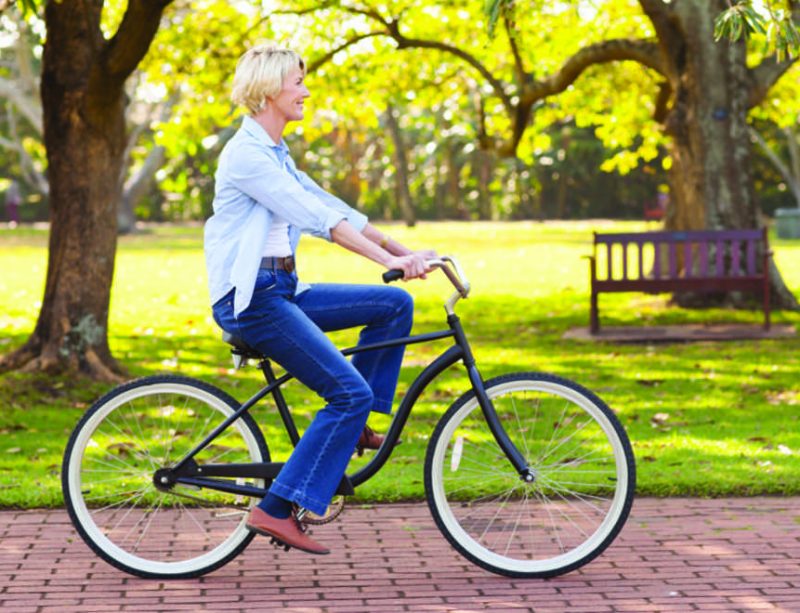
Regular exercise is also known to have strong positive epigenetic effects, including the ability to activate sirtuins. Aerobic physical activities are the best studied in this regard, and in particular increase the production of SIRT-1 and SIRT-3. This is also true for higher intensity activities such as interval training. Endurance exercise activates not only sirtuins but also another important enzyme contributing to longevity: telomerase. Strength training is also thought to have a positive effect, but so far only minimal research has been carried out in this area.
Natural sirtuin activators
Resveratrol
The dye, which is naturally present mainly in grape skins, is the most effective known natural activator of SIRT-1, but it also has a beneficial effect on the activity of SIRT-2 and SIRT-6. Its efficacy has been confirmed in particular in the field of slowing down ageing – for example, in yeasts, its application led to a prolongation of the life of these organisms by an incredible 70%! In humans, it has a similarly beneficial effect on life extension as caloric restriction. It has also been shown to be effective for arthritis, osteoporosis, diabetes, promotes weight loss, and helps protect the liver, kidneys and lungs.
Resveratrol also promotes the formation of the PGC-1α protein and thus the formation of new mitochondria. Significant increases in SIRT-1 and PGC-1α levels have occurred, for example, in skeletal muscle research, which may also positively affect athletic performance.
Quercetin
Quercetin is a flavonoid found in low concentrations in a wide range of plant foods. It has proven anticancer, anti-inflammatory and antibacterial effects.
One of the principles of its beneficial effect is its ability to act as an activator of sirtuins: it increases the activity of SIRT-1 up to fivefold and has a stimulatory effect on SIRT-6. It also increases the production of PGC-1α, resulting in the promotion of mitochondrial formation and function, even in brain tissue. And since mitochondrial dysfunction is typical of most brain-related diseases, quercetin may be a very good choice for these conditions.
Supporting the production of PGC-1α is probably the reason why qercetin supports weight loss as well as athletic performance – for example, research has confirmed its ability to increase VO2max (this value is considered one of the main indicators of endurance) and strength performance.
In addition, quercetin can significantly increase the bioavailability of resveratrol because it reduces the activity of enzymes that convert resveratrol into ineffective compounds. (Not only) for the needs of sirtuin activation, the combination of quercetin + resveratrol is therefore very effective.
Cyanidin
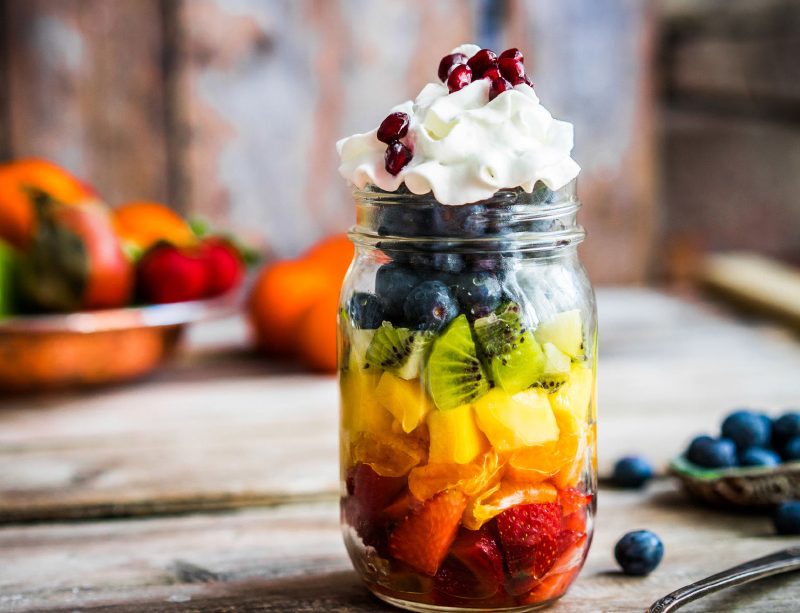
The anthocyanidin dye is found in dark-coloured fruits and vegetables such as red cabbage or berries (blueberries, raspberries, blackberries, cranberries, etc.). It is the most potent known activator of SIRT-6: it has been shown to increase its activity up to 55-fold! But it is also effective in activating other sirtuins.
EGCG
Epigallocatechin gallate, which is found mainly in green tea, and other substances from the catechin group have been known for years for their anti-age effect. One of the reasons is probably their ability to activate SIRT-1 and other sirtuins. Of great interest is its ability to increase the production of SIRT-1in the liver, thus contributing to the protection of this key organ.
EGCG also promotes the production of the enzyme AMPK, which is important for weight loss or diabetes, for example.
Ellagic acid
This epigenetically acting substance, which is contained in pomegranate or maral root, for example, effectively activates SIRT-1, SIRT-3 and SIRT-6. This makes it effective not only in the prevention and treatment of civilisation diseases, but also in the promotion of sports performance.
Vitamins and minerals
Many vitamins and minerals also have the ability to activate sirtuins. This has been demonstrated, for example, in the case of zinc, selenium, vitamin C and vitamin D3.
Piceatannol
This stilbene is similar in structure and function to resveratrol. It accompanies it in red wine, another important source is blueberries.
Fisetin
The substance contained in strawberries, for example, is known for its anti-aging effect, which is also due to its ability to activate genes for the production of sirtuins.
Omega-3
Although their positive effect on sirtuin formation has so far only been demonstrated in studies on rats, it can also be expected in humans.
Ginseng five-leaved
Gynostemma five-leaf, which is better known as “five-leaf ginseng,” is traditionally used to slow aging, but is also good for weight loss and diabetes. One of its principles of action is to influence the activity of sirtuins (especially SIRT-1) and improve the production of the enzyme AMPK. The increase in AMPK production also occurs in muscle tissue, which is why this plant is also suitable for athletes.
OPC
Oligomeric proanthocyanidins from grape kernels promote the formation of SIRT-3 and thus the formation of new mitochondria and the function of existing ones. They also have a positive effect on SIRT-1. As a result, they help to slow ageing, improve liver function and reduce blood pressure.
0:00
/
0:00
Stárnutí je volba
Klíčová slova: ageing, anti-aging, arthritis, diabetes, egcg, ginseng five-leaf, heart and blood vessels, maral root, Mitochondria, omega-3, pomegranate, quercetin, resveratrol, senescent cells, Sirutiny, telomeres, vitamin D3, weight loss, zinc
Komentáře
Seznam zdrojů
- Alyson M. Curry, Dawana S. Whit, Dickson Donu, Yana Cen. Humat Sirtuin Regulators: The „Succes“ Stories. Front. Physiol., 21 October 2021. Sec. Integrative Physiology. Volume 12-2021.
- Zhenhan Deng, Yusheng Li; Haifeng Liu; Shengshi Xiao; Liangjun Li; Jian Tian; Chao Cheng; Greg Zhang; Fangjie Zhang. The role of sirtuin 1 and its activator, resveratrol in osteoarthritis. Biosci Rep (2019) 39 (5): BSR20190189.
- Minna Rahnasto-Rilla, Jonna Tyni, Marjo Huovinen, Elina Jarho, Tomasz Kulikowicz, Sarangan Ravichandran, Vilhelm A. Bohr, Luigi Ferrucci, Maija Lahtela-Kakkonen & Ruin Moadde. Natural polyphenols as sirtuin 6 modulators. Scientific Reports volume 8, Article number: 4163 (2018)
- Camillo Ricordi, Silvano Zanuso, Marco Menichelli. Role of Exercise and Natural Protective Substances on Sirtuin Activation. J Phys Med Rehabil 2021; 3(2): 40-50.
- Xiuqi Chen, Wenmei Lu and Danhong Wu. Sirtuin 2 (SIRT2): Confusing Roles in the Pathophysiology of Neurological Disorders. Front. Neurosci., 24 May 2021
- Xiuqi Chen, Wenmei Lu, Danhong Wu. Sirtuin 2 (SIRT2): Confusing Roles in the Pathophysiology of Neurological Disorders. Front. Neurosce. 24 May 2021. Volume 15.
- Hyun Sook Lee, Su-Min Lim Jae In Jung, So Mi Kim, Jae Kyoung Lee, Yoon Hee Kim, Kyu Min Cha, Tae Kyu Oh, Joo Myung Moon Tae Young Kim, Eun Ji Kim. Gynostemma Pentaphyllum Extract Ameliorates High-Fat Diet-Induced Obesity in C57BL/6N Mice by Upregulating SIRT1. Nutrients. 2019 Oct 15;11(10):2475.
- Khara Lucius. Botanical Medicine and Phytochemicals in Healthy Aging and Longevity—Part 2. Alternative and Complementary TherapiesVol. 26, No. 2. https://www.liebertpub.com/doi/10.1089/act.2020.29268.kha
- Munehiro Kitada, Yoshio Ogura, Itaru Monno, and Daisuke Koya. Sirtuins and Type 2 Diabetes: Role in Inflammation, Oxidative Stress, and Mitochondrial Function. Front Endocrinol (Lausanne). 2019; 10: 187.
- Weir H. J., Murray T. K., Kehoe P. G., Love S., Verdin E. M., O’Neill M. J., et al. (2012). CNS SIRT3 expression is altered by reactive oxygen species and in Alzheimer’s disease. PLoS ONE 7:e48225 10.1371
- Joanne S. Allard, Ph.D., Evelyn Perez, Ph.D., Sige Zou, Ph.D., and Rafael de Cabo. Dietary Activators of Sirt1. Mol Cell Endocrinol. 2009 Feb 5; 299(1): 58–63.
- Dali-Youcef N, Lagouge M, Froelich S, Koehl C, Schoonjans K, Auwerx J. Sirtuins: the ‘magnificent seven’, function, metabolism and longevity. Ann Med. 2007;39:335–345.
- Kaeberlein M, McDonagh T, Heltweg B, Hixon J, Westman EA, Caldwell SD, Napper A, Curtis R, DiStefano PS, Fields S, et al. Substrate-specific activation of sirtuins by resveratrol. J Biol Chem. 2005;280:17038–17045.
- Maher P, Akaishi T, Abe K. Flavonoid fisetin promotes ERK-dependent long-term potentiation and enhances memory. Proc Natl Acad Sci U S A. 2006;103:16568–16573.
- Milne JC, Lambert PD, Schenk S, Carney DP, Smith JJ, Gagne DJ, Jin L, Boss O, Perni RB, Vu CB, et al. Small molecule activators of SIRT1 as therapeutics for the treatment of type 2 diabetes. Nature. 2007;450:712–716.
- Shin-Hae Lee, Ji-Hyeon Lee, Hye-Yeon Lee, and Kyung-Jin Min. Sirtuin signaling in cellular senescence and aging. BMB Rep. 2019 Jan; 52(1): 24–34.
- Trine B. Opstad a kol. Effect of intermittend and continuous caloric restriction on Sirtuin 1 concentration depends on sex and boy mass index. NMCD, March 19, 2021.
- Aline Fagundes Cerbaro, Victoria Soldatelli Borges Rodrigues, Marina Rigotti, Catia Santos Branco, Giovana Rech, Diogo Losch de Oliveira & Mirian Salvador. Grape seed proanthocyanidins improves mitochondrial function and reduces oxidative stress through an increase in sirtuin 3 expression in EA.hy926 cells in high glucose condition. Molecular Biology Reports volume 47, pages3319–3330 (2020)