The way to medals is through genes
epivyziva.cz/
Zobrazeno: 1,909

How to use nutrients and herbs to support athletic performance, adaptation to training load and recovery after training or competition?
The reason why our athletic performance increases after regular training is the incredible ability of the human body to adapt to conditions. When we repeatedly force it to perform activities that tax it, it simply adapts to them so that they stop taxing it. And when we gradually increase the level of loading, the adaptation processes intensify. The essence of any sports training, then, is to dose our bodies with load in such a way as to promote the adaptive processes that underlie performance in the sport in question.
Ready to perform
For example, if we regularly engage in endurance training, changes take place in our bodies that allow them to work more efficiently during endurance exercise: muscles get stronger, the number of mitochondria in their cells increases, which can convert nutrients into energy, and the supply of glycogen – a starch-like polysaccharide that is the main fuel for endurance performance – increases. The body’s ability to use fat as an energy source also increases. At the same time, the efficiency of all the systems that are tasked with delivering nutrients and energy to the working muscle increases. The network of blood fibers in the muscles themselves thickens, the internal volume of the heart increases so that it is able to pump more blood into the circulation per contraction, the capacity of the lungs increases… And on top of all this, the strength and resistance of our joints, tendons and ligaments increases to reduce the risk of injury.
If, on the other hand, we engage in speed-strength training, the volume of muscle fibers increases, their ability to contract effectively increases, neuromuscular coordination improves, the strength of joints, tendons and ligaments improves, and adaptableThe heart – for example, in weightlifters and other athletes who undergo demanding strength endurance exercises, the volume of the heart muscle increases to make the heart stronger and better able to pump blood to the contracted muscles.
Turn on your genes with training and nutrition
The most important way to support all of the above changes is through properly mixed training that works not only with intensity and duration of the load, but also with optimal breaks between workouts. Nutrition is also important – an optimally formulated and timed mix of nutrients will fuel the body for performance and speed recovery afterwards, so the body can handle the next load sooner.
But another important point is often forgotten: all of the above adaptation processes are controlled by our genes. First of all, of course, it depends on whether we inherited the right genes from our parents – because part of what we call talent is trainability. In short, people differ not only in how fast they naturally run, for example, but also in how effectively their bodies respond to training. The second thing is whether we can use the genes we have in our DNA to the maximum.
In addition to the existence of a gene, it is also important whether the gene is turned off or on. This switching on and off is done through several chemical reactions (called epigenetic reactions), the intensity of which can be influenced by our lifestyle, diet, the environment we live in, but also, for example, by stress levels, the amount of sleep we get, and even our emotions.
Moreover, physical exercise itself can turn certain genes off and on. For example, in 2014, Swedish researchers had volunteers pedal on a cycle trainer 4 times a week, but only with one foot. When they then compared the activity of more than 20,000 genes in the muscle cells of the trained and untrained leg, they found a significant difference in the activity of more than 4,000 of them. In other words, training not only initiates adaptive processes in the body, but it also affects the activity of the genes that control these processes in the body.
Smart dietary supplements
Nutritional supplements have a specific position: there are nutrients and herbs with so-called epigenetic action, i.e. the ability to influence the chemical reactions that switch genes on and off in our DNA. If we take them regularly and in higher concentrations (i.e. usually in the form of food supplements), they can not only improve our resistance to many serious diseases, but also our adaptation to the training load (and thus our sports performance) by influencing the activity of genes.
Interestingly, even though adaptation to endurance and speed-strength loading occurs through different pathways, a large proportion of the following nutrients positively influence performance in both types of disciplines.
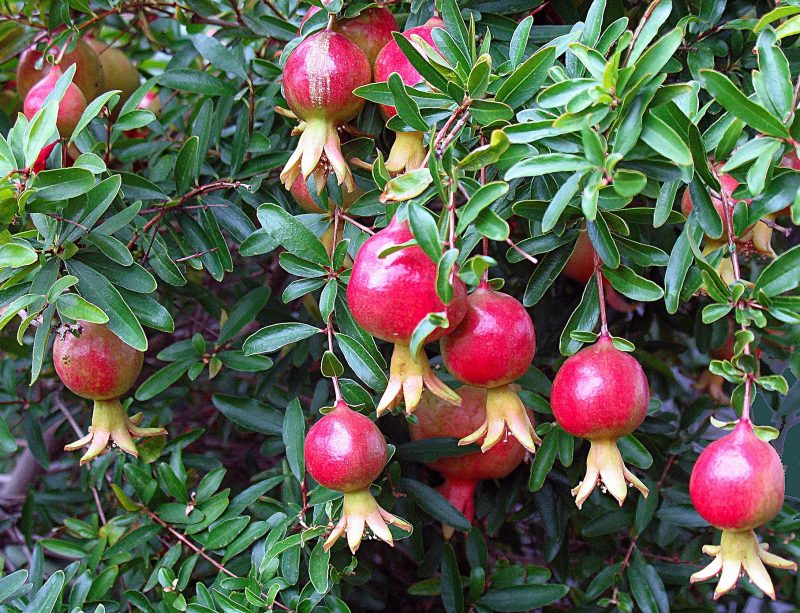
Pomegranate
Its regular consumption has been shown to increase endurance and speed-strength performance. It increases maximal oxygen consumption (one of the main indicators of endurance performance), improves performance in running or constant speed to exhaustion tests and reduces fatigue during and after exercise.
Pomegranate is one of the best natural remedies for promoting blood circulation. Its consumption (or the consumption of its extract) leads to an immediate (within 30 minutes after ingestion) and long-term increase in the diameter of blood vessels supplying the muscles, as well as an increase in the flow in them. This then positively reflects not only on the improvement of endurance performance, but there is also an increase in muscle strength.
Another important effect of pomegranate that positively affects performance is the increase in testosterone levels. This is due to the protection of testicular tissue from oxidative stress (which also leads to an increase in semen quality), as well as slowing the conversion of testosterone to dihydrotestosterone.
In addition, the significant anti-inflammatory and antioxidant effect of pomegranate effectively shortens the recovery time after exercise and restores muscle strength after strenuous exercise.
EGCG
Epigallocatechin gallate, or EGCG, is the active ingredient in green tea that has extraordinary epigenetic potential. Of particular importance in terms of athletic performance is its ability to positively influence the body’s ability to use fat as an energy source. You will appreciate this both when losing weight and especially when preparing for endurance events that last more than an hour and a half. However, the ability of EGCG to have a positive epigenetic effect on immunity, especially on T-lymphocyte activity, is also important for endurance athletes. After marathon-type races, there is a significant drop in immunity that lasts up to 72 hours, and during this time athletes are much more susceptible to infectious diseases.
Astaxanthin
Astaxanthin is a red dye found in nature, for example in salmon, shrimp and some types of algae. It has an extremely high antioxidant potential, acts as an immunostimulant and positively influences epigenetic processes in the body.
Similar to EGCG, astaxanthin increases the body’s ability to use fat as fuel. Moreover, according to scientists, the proportion of fat burned during exercise increases at the expense of oxidised carbohydrates, which is again very important for performance in long endurance races (e.g. marathons).
However, Astaxanthin is also very effective for speed-strength athletes. When young men in a Swedish study took it during six months of weight training, they experienced up to a 3-fold increase in maximal strength and increased strength endurance compared to the placebo group.
In addition, Astaxanthin is another promising substance for those who need to lose weight. When researchers gave it to mice fed a high-fat, high-calorie diet, they saw not only lower weight gains, but also lower cholesterol, triglyceride and liver fat levels compared to the control group.
Last but not least, astaxanthin significantly increases immunity because it promotes the proliferation (i.e. rapid multiplication) of T-cells and B-cells and also increases the production of immunoglobulins. In addition, it has significant anti-inflammatory effects, which promote recovery after exercise.
The combination of astaxanthin with omega-3 unsaturated fatty acids is particularly suitable for endurance athletes.
Quercetin
It is a flavonoid, which is found in many fruits, vegetables and buckwheat. Its concentration in food is very low, so it is suitable for use in the form of dietary supplements.
The effects of quercetin on athletic performance are extraordinary, both in endurance and speed-strength disciplines. When combining its use with endurance training, athletes in studies have achieved a 2% higher increase in VO2max (the main indicator of endurance) than placebo-trained individuals. Considering that the average increase in VO2max due to long-term endurance training is around 10%, this is a very respectable result. This is likely due to an increase in the number of mitochondria in the muscles, leading to higher energy production. Another study also showed a positive effect in beginner runners – those who took quercetin showed a much greater improvement in the 12-minute run test, and the researchers also measured a higher proportion of mitochondria in their muscles.
In addition to supporting the development of muscle strength, quercetin also has a beneficial effect on immunity – as well as providing a general boost, it can prevent it from declining after long endurance races. This was demonstrated in a study conducted on participants in the 160 km Western States Endurance Run – runners who took 1,000 mg of quercetin daily for three weeks before the race not only had much better immunity and a lower incidence of respiratory disease, but also lower concentrations of harmful free radicals and inflammatory substances in the blood. This also resulted in a significantly reduced recovery time.
Quercetin is a very suitable substance for combinations with other epigenetic nutrients. For example, you can try combining it with curcumin, which excels in its anti-inflammatory and immune effects. Endurance and speed-strength athletes will appreciate it, for example, in training camps or any other increase in training doses, where it will noticeably speed up recovery. Combination with EGCG or omega-3 unsaturated fatty acids is in turn suitable after supporting the development of endurance, which is great for the winter preparation period, and also for weight loss.
OPC
The abbreviation OPC refers to a mixture of so-called oligomeric proanthocyanidins, which are found in high concentrations in grape seeds, for example. This mixture also has an epigenetic effect on our endurance, significantly affecting the activity of mitochondria, the energy centres of the cell, in skeletal muscles. In the mitochondria, oxygen consumption increases, which is an important indicator of endurance. At the same time, the dysfunction of mitochondria in brown adipose tissue, which usually occurs as a result of obesity, is reduced and fundamentally disrupts energy metabolism – making OPCs suitable for weight loss support.
However, OPC also helps to increase muscle strength and also significantly accelerates recovery after endurance and strength training.
0:00
/
0:00
Stárnutí je volba
Klíčová slova: endurance, Muscle, performance, rate, regeneration, Sports, sports nutrition, strength, training, VO2max
Komentáře
Seznam zdrojů
- Maléne E Lindholm, Francesco Marabita, David Gomez-Cabrero, Helene Rundqvist, Tomas J Ekström, Jesper Tegnér & Carl Johan Sundberg. An integrative analysis reveals coordinated reprogramming of the epigenome and the transcriptome in human skeletal muscle after training. Epigenetics. 7th December 2014, doi:10.4161/15592294.2014.982445
- Eric T. Trexler, Abbie E. Smith-Ryan, Malia N. Melvin, Erica J. Roelofs, and Hailee L. Wingfielda The effects of pomegranate extract on blood flow and running time to exhaustion. Appl Physiol Nutr Metab. 2014 Sep; 39(9): 1038–1042.
- Wilkerson DP, Hayward GM, Bailey SJ, Vanhatalo A, Blackwell JR, Jones AM. Influence of acute dietary nitrate supplementation on 50 mile time trial performance in well-trained cyclists. Eur J Appl Physiol. 2012 Dec; 112(12): 4127-34.
- Trombold JR, Barnes JN, Critchley L, Coyle EF. Ellagitannin consumption improves strength recovery 2-3 d after eccentric exercise. Med Sci Sports Exerc. 2010 Mar; 42(3): 493-8.
- Kathryn H. Myburgh. Polyphenol Supplementation: Benefits for Exercise Performance or Oxidative Stress? Sports Med. 2014; 44(Suppl 1): 57–70.
- Trombold JR, Reinfeld AS, Casler JR, Coyle EF. The effect of pomegranate juice supplementation on strength and soreness after eccentric exercise. J Strength Cond Res. 2011 Jul;25(7):1782-8. doi: 10.1519/JSC.0b013e318220d992.
- Türk, G., Sönmez, M., Aydin, M., Yüce, A., Gür, S., Yüksel, M., … & Aksoy, H. (2008). Effects of pomegranate juice consumption on sperm quality, spermatogenic cell density, antioxidant activity and testosterone level in male rats. Clinical nutrition, 27(2), 289-296.
- Al-Dujaili, E., & Smail, N. Pomegranate juice intake enhances salivary testosterone levels and improves mood and well being in healthy men and women. Endocrine Abstracts (2012) 28 P313
- Al-Olayan, E. M., El-Khadragy, M. F., Metwally, D. M., & Moneim, A. E. A. (2014). Protective effects of pomegranate (Punica granatum) juice on testes against carbon tetrachloride intoxication in rats. BMC complementary and alternative medicine, 14(1), 164.
- Dean S, Braakhuis A, Paton C. The effects of EGCG on fat oxidation and endurance performance in male cyclists. Int J Sport Nutr Exerc Metab. 2009 Dec;19(6):624-44.
- Po Hung Liu, Wataru Aoi, Maki Takami, Hitomi Terajima, Yuko Tanimura, Yuji Naito, Yoshito Itoh, andToshikazu Yoshikawa. The astaxanthin-induced improvement in lipid metabolism during exercise is mediated by a PGC-1α increase in skeletal muscle. J Clin Biochem Nutr. 2014 Mar; 54(2): 86–89.
- Jay Lee, Yanmei Li, Chunhua Li, and Duo Li. Natural products and body weight control. N Am J Med Sci. 2011 Jan; 3(1): 13–19.
- Kressler J, Millard-Stafford M, Warren GL. Quercetin and endurance exercise capacity: a systematic review and meta-analysis. Med Sci Sports Exerc. 2011 Dec;43(12):2396-404. doi: 10.1249/MSS.0b013e31822495a7.
- Jacob Schor. The Influence of Quercetin on Exercise Performance and Muscle Mitochondria. Natural Medicine Journal. May 2010 Vol. 2 Issue 5. http://www.naturalmedicinejournal.com/journal/2010-05/influence-quercetin-exercise-performance-and-muscle-mitochondria