The recent heatwave inevitably leads one to wonder how to survive in such conditions. The good news is that our bodies can largely acclimatise to high temperatures, adapt – which is why there are people who run marathons in the Sahara without being harmed. How can we support these processes?
The nature of acclimatisation to heat is largely epigenetic, i.e. it consists of changes in the activity of important genes. When the body is exposed to high temperatures, cells start to produce the so-called heat shock factor HSF1. This causes the production of heat shock proteins, which increase the stability of other proteins in the cell, protect them from degradation and help to neutralise free radicals that are produced in the body in increased amounts when exposed to high temperatures.
Adaptation to heat does not only take place at the cellular level, but also concerns our ability to thermoregulate. For example, the amount of blood plasma increases and therefore the total blood volume. This allows us to send as much blood as possible to the subcutaneous tissue so that excess heat can be radiated to the environment. Sweating is also made more efficient – firstly it comes on earlier and secondly it reduces mineral loss. The cardiovascular system also adapts to the heat, for example, the efficiency of cardiac contractions and venous return increases.
Two important epigenetic reactions – gene methylation and histone methylation – also play a role in heat adaptation. Especially the former is more stable and creates the so-called epigenetic memory. Thus, although most heat adaptation mechanisms disappear within weeks, future adaptation processes may proceed more rapidly as a result. Faster adaptation, but with a shorter duration, is then made possible by, for example, histone acetylation and regulation by microRNAs.
In order for our body to adapt to heat, it is logically necessary to expose it to heat. For example, visits to the sauna during the period preceding the heat are not a bad thing. For example, we can visit the sauna once a week all year round and intensify our visits when the meteorologists report a heat wave (the first adaptation changes come within a few days).
A very effective way is to acclimatise while moving. During sports, there is a significant increase in body temperature, so that both the cooling process through sweating is more efficient and the blood volume increases. The working muscles “consume” a large amount of blood, and in order for it to reach the subcutaneous tissue, the increase in blood plasma volume must be even greater. Blood plasma volume increases with regular aerobic exercise in all conditions, so people who exercise generally tolerate heat better, but if we exercise in warmer temperatures, this process becomes much more efficient.
So, for example, if we regularly do outdoor physical activities in the afternoon from May onwards, we will be well prepared for the holiday heatwaves. However, this is only suitable for healthy individuals. For endurance athletes, it is even true that training in the heat can improve their performance just by increasing their plasma volume.
An important condition for adaptation and coping with the heat in general is, of course, sufficient fluid intake – dehydration reduces the ability to cope with the heat quite significantly.
At the same time, some natural remedies can also support the effect of adaptation to heat. Others can help us mitigate the negative effects of heat on the body. So which ones to choose?
Adaptogens are substances that improve the body’s adaptation to physical or mental stress, and this is also true in the case of adaptation to temperature stress – i.e. heat stress. Rhodiola in particular is a good choice.
The more blood is circulated in our skin, the more heat we are able to radiate to the environment. Thus, substances that dilate blood vessels and promote blood flow, whether by promoting nitric oxide production or through other means, can offer some help.
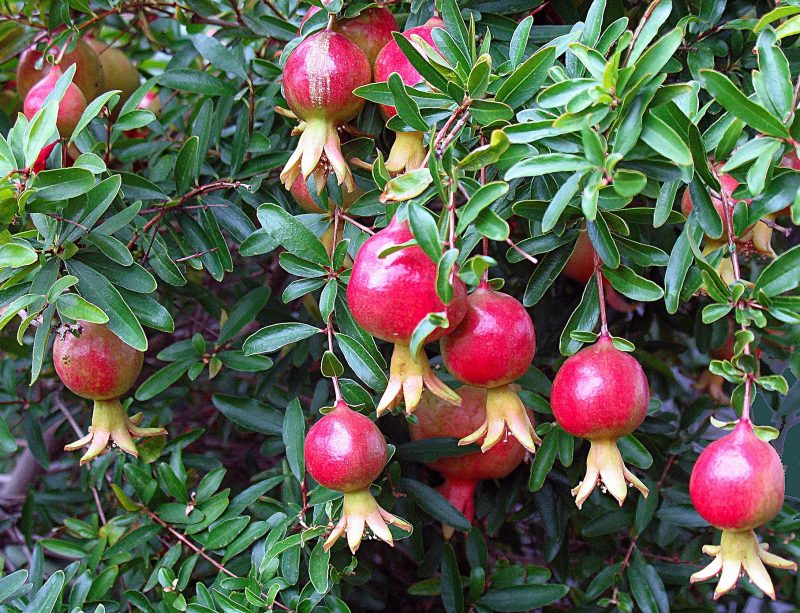
Relatively well known are the effects of mint in this regard, whose cooling effect is caused by increased blood circulation. However, quercetin, pomegranate or ginkgo biloba are also suitable choices. The alkaloid berberine, which is abundant in nopal (prickly pear), yarrow and barberry, has a proven positive effect on thermoregulation. Betaine from beetroot also promotes blood circulation as well as heat tolerance.
Exposure to high temperatures can adversely affect the permeability of the intestinal wall, which can lead to the passage of bacteria and other substances into the bloodstream. The consequence is an increased intensity of inflammatory processes in the body. Therefore, substances that have an anti-inflammatory effect and positively affect the permeability of the intestinal wall can help. A good choice is, for example, curcumin or butyrate.
As we have already mentioned, exposure to high temperatures also increases the production of free radicals, so it is advisable to support the body’s antioxidant protection. Curcumin, quercetin, OPCs, astaxanthin or vitamins C and E can be helpful.
This element is involved in the regulation of metabolic processes related to energy production (e.g. ATP production) and during heat stress its balance in the body is often disturbed. Its sufficient intake is therefore essential for heat adaptation.
PŘIHLASTE SE K ODBĚRU NOVINEK A MĚJTE VŽDY ČERSTVÉ INFORMACE
| Cookie | Duration | Description |
|---|---|---|
| cookielawinfo-checkbox-analytics | 11 měsíců | Tento soubor cookie je nastaven pluginem GDPR Cookie Consent. Soubor cookie se používá k uložení souhlasu uživatele s používáním souborů cookie v kategorii „Analytika“. |
| cookielawinfo-checkbox-functional | 11 měsíců | Soubor cookie je nastaven na základě souhlasu s cookie GDPR k zaznamenání souhlasu uživatele pro soubory cookie v kategorii „Funkční“. |
| cookielawinfo-checkbox-necessary | 11 měsíců | Tento soubor cookie je nastaven pluginem GDPR Cookie Consent. Cookies slouží k uložení souhlasu uživatele s cookies v kategorii „Nezbytné“. |
| cookielawinfo-checkbox-others | 11 měsíců | Tento soubor cookie je nastaven pluginem GDPR Cookie Consent. Cookie se používá k uložení souhlasu uživatele s cookies v kategorii „Jiné. |
| cookielawinfo-checkbox-performance | 11 měsíců | Tento soubor cookie je nastaven pluginem GDPR Cookie Consent. Cookie se používá k uložení souhlasu uživatele s cookies v kategorii „Výkon“. |
| elementor | nikdy | Tento soubor cookie používá téma WordPress webu. Umožňuje vlastníkovi webu implementovat nebo měnit obsah webu v reálném čase. |
| viewed_cookie_policy | 11 měsíců | Soubor cookie je nastaven pluginem GDPR Cookie Consent a používá se k uložení, zda uživatel souhlasil nebo nesouhlasil s používáním souborů cookie. Neukládá žádné osobní údaje. |
| Cookie | Duration | Description |
|---|---|---|
| sb | 2 roky | Tento soubor cookie používá Facebook ke kontrole svých funkcí, shromažďování jazykových nastavení a sdílení stránek. |
| Cookie | Duration | Description |
|---|---|---|
| _ga | 2 roky | Soubor _ga cookie, nainstalovaný službou Google Analytics, vypočítává údaje o návštěvnících, relacích a kampaních a také sleduje využití webu pro analytický přehled webu. Soubor cookie ukládá informace anonymně a přiřazuje náhodně vygenerované číslo k rozpoznání unikátních návštěvníků. |
| _gat_gtag_UA_71041054_1 | 1 minuta | Nastaveno Googlem k rozlišení uživatelů. |
| _gid | 1 den | Soubor cookie _gid nainstalovaný službou Google Analytics ukládá informace o tom, jak návštěvníci používají webovou stránku, a zároveň vytváří analytickou zprávu o výkonu webu. Některá data, která jsou shromažďována, zahrnují počet návštěvníků, jejich zdroj a stránky, které anonymně navštěvují. |
| Cookie | Duration | Description |
|---|---|---|
| fr | 3 měsíce | Facebook nastavuje tento soubor cookie tak, aby uživatelům zobrazoval relevantní reklamy sledováním chování uživatelů na webu, na stránkách, které mají Facebook pixel nebo sociální plugin Facebooku. |
| _fbp | 3 měsíce | Tento soubor cookie je nastaven společností Facebook, aby po návštěvě webové stránky zobrazoval reklamy na Facebooku nebo na digitální platformě založené na reklamě na Facebooku. |
| Cookie | Duration | Description |
|---|---|---|
| pvc_visits[0] | 1 minuta | Tento soubor cookie vytváří počítadlo po zhlédnutí. Tento soubor cookie se používá k počítání počtu návštěv příspěvku. Pomáhá také zabránit opakovanému zobrazení příspěvku návštěvníkem. |