Nattokinase
epivyziva.cz/
Zobrazeno: 1,621
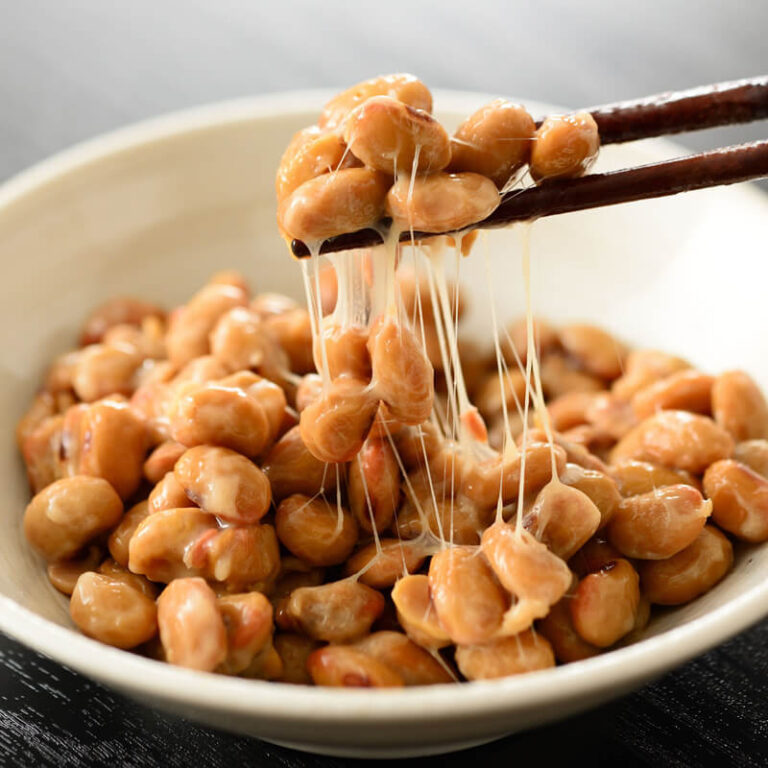
Regular consumption of the fermented soy dish natto is considered to be one of the important factors contributing to the longevity of Japanese people. This is because natto is the only food containing nattokinase, an enzyme that has been shown to reduce mortality from cardiovascular disease and has many other beneficial effects on the human body.
Description
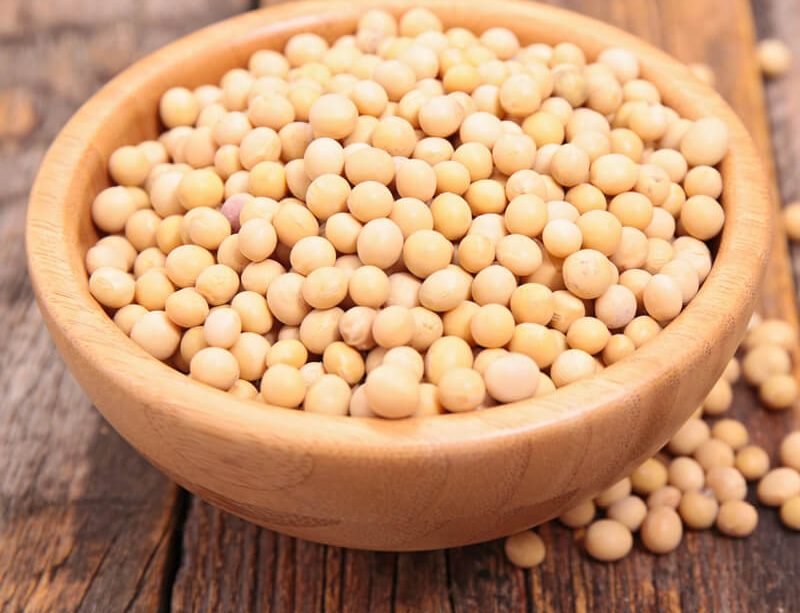
Similar to the better-known soy dish tempeh, natto is made by fermenting soybeans. However, the two dishes differ in the fermentation culture used: in the case of natto, it is the bacterium Bacillus subtilis natto. (2)
Nattokinase is the most potent component of natto from a human health perspective. It is an enzyme from the category of alkaline proteases (enzymes capable of cleaving proteins), whose chain is made up of 275 amino acids.
History
Natto has been consumed in Japan for more than 2,000 years, but the reasons for its positive effects have long been unknown. Some of the mechanisms responsible were described in the 1970s, but nattokinase itself was not discovered until 1987.
Healing effects
Probably the most important area of action of nattokinase on the human body is its fibrinolytic effect, or its ability to break down fibrin. Fibrin is a protein that has an important role in the body: it is produced in the body from fibrinogen, and it is produced when there is an injury and bleeding occurs. The fibrin formed then begins to close the injured blood vessel to prevent massive blood loss. However, when there is too much fibrin in the blood, blood clots, or thrombi, form and can cause blood vessels to clog. (2)
Nattokinase also has an antiatherosclerotic and anti-obesity effect, helps to reduce LDL cholesterol and triglyceride levels in the blood and blood pressure. Furthermore, it has a neuroprotective effect (i.e. it protects nerve cells from damage), and its epigenetic effect has also been demonstrated – in studies it has been able, for example, to increase the activity of genes in brain tissue that have been silenced as a result of exposure to toxins (specifically BPA) or radiation (2, 4).
Heart and blood vessels
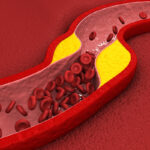
Nattokinase, due to its fibrinolytic and antithrombotic action, can effectively dissolve blood clots and also helps to degrade atherosclerotic plaques. One clinical trial, for example, showed a 36% reduction in the rate of plaques in the blood vessels supplying the heart, a better result than in a control group taking statin drugs. In mouse experiments, nattokinase administration also resulted in a significant increase in survival in the event of pulmonary thrombosis, and the antithrombotic effect was confirmed in studies on human volunteers. One reason for this is that it effectively reduces the production of the substance thromboxane in the body, resulting in a reduction in platelet clumping without causing bleeding complications. A fibrinolytic and antithrombotic effect has been described not only with long-term use of nattokinase, but also with its single administration, where it persisted for about 4 hours after consumption (2, 5-8).
The antioxidant potential of nattokinase, which improves fat metabolism and prevents oxidation of LDL cholesterol, is also involved in reducing the risk of cardiovascular disease. The ability of nattokinase to lower blood pressure has also been demonstrated. It does this by suppressing the production of angiotensin-converting enzyme (ACE), which is responsible for the production of the hypertension hormone angiotensin II (2, 9-11).
There is also promising research into the use of nattokinase after stroke – when injected immediately after a stroke, it significantly helps to restore blood flow in brain tissue, thereby reducing damage to it (12).
Alzheimer’s disease
Nattokinase has a significant neuroprotective effect – it promotes the production of a factor called BDNF, which is involved in the protection of nerve cells. In addition, it can also degrade beta-amyloid plaques, which form in Alzheimer’s disease and impair nerve cell function, quite effectively. In addition, it increases the activity of the ADAM9 and ADAM10 genes in brain cells, which are reduced in Alzheimer’s disease. However, the effectiveness of nattokinase in Alzheimer’s disease is limited by its restricted ability to cross the blood-brain barrier (the barrier separating the bloodstream from the brain) (13).
Pulmonary fibrosis
Pulmonary fibrosis is a serious disease in which fibrin deposits in the lung tissue. This leads to its “scarring”, thickening, and thus a significant impairment of its function. The result is breathlessness, which not only significantly reduces the patient’s quality of life, but also puts his or her life at risk. Current medicine is unable to cure pulmonary fibrosis; commonly used drugs only slow down the progression of the disease. Nattokinase here contributes to the breakdown of fibrin deposited in the lungs and easier removal of mucus. (14)
Gums
The term “opacities” is used for the various filaments and dots floating through the field of view. They are formed by degradation of the jelly-like substance of the vitreous (the substance filling the inside of the eyeball) and their frequency increases with age. In most cases they are not dangerous and do not interfere with vision because the brain adapts to them and can ignore them when forming an image. However, at higher frequencies they can cause discomfort. Conventional medicine removes them with a laser or surgery, but nattokinase can be quite effective in helping to degrade the proteins that form the opacities. (15)
COVID-19
Research in cell cultures shows that nattokinase may also be useful in the treatment of COVID-19 infection. And it is this protein that nattokinase can effectively degrade. (16)
In acute, but also in the so-called long covid, the antithrombotic, antihypertensive, antiatherosclerotic and neuroprotective effects of nattokinase play a positive role. The majority of patients with acute COVID-19 are in a so-called hypercoagulable state – there is an increased production of the protein fibrin in their blood, which forms the basis of blood clots. These can occur in the lungs, coronary vessels (i.e. the arteries that feed the heart muscle), but also in other tissues of the body. The fibrinolytic effects of nattokinase may therefore play a very important role in these conditions (17).
Borreliosis
However, COVID-19 is not the only infection that increases blood clot formation. Lyme disease can have similar consequences. According to research, 67% of Lyme disease patients have a higher concentration of fibrinogen in their blood, which is a protein that can form fibrin. The use of nattokinase may therefore be useful in this disease as well (18).
Use of
Nattokinase is usually taken in amounts equivalent to 2,000-7,000 fibrinolytic units (FU) and is considered safe for long-term use. It is not recommended for diseases and conditions where there is an increased risk of bleeding, and for this reason it should also be discontinued at least 2 weeks before elective surgical procedures. It is also not recommended for use during pregnancy and breastfeeding, as the necessary research has not yet been conducted to demonstrate its safety during this period (20).
Nattokinase may also interact with drugs that affect blood clotting and blood pressure. Therefore, in these cases, it is desirable to take it exclusively under the supervision of a doctor and carefully monitor changes in health status. Patients taking medications that affect blood clotting should also make sure that the nattokinase supplement they choose does not contain vitamin K2 – natto is the richest plant source of this vitamin (19, 20).
Suitable combinations
Nattokinase can be combined with isoflavones that occur naturally in soybeans, in particular genistein and danzein. Moreover, when soybeans are fermented with Bacillus subtilis natto, the proportion of these beneficial substances naturally increases. This combination may be particularly suitable for menopausal women, as genistein and dasein are potent phytoestrogens. Consumption of natto has a beneficial effect not only on the risk of cardiovascular disease but also on the risk of osteoporosis in postmenopausal women.(21, 22) However, other combinations are also possible:
Heart and blood vessels: nattokinase + ginseng (23), nattokinase + EGCG
Alzheimer’s disease: nattokinase + serrapeptase (24), nattokinase + EGCG
Pulmonary fibrosis: nattokinase + serrapeptase (14)
0:00
/
0:00
Stárnutí je volba
Klíčová slova: Alzheimer's disease, atherosclerosis, cholesterol, COVID-19, eyes, geneistein, high blood pressure, long covid, Lyme disease, natto, Nattokinase, pulmonary fibrosis, thrombosis, vitamin K2
Komentáře
Seznam zdrojů
- Wu Y, Benjamin EJ, MacMahon S. Prevention and control of cardiovascular disease in the rapidly changing economy of China. Circulation. 2016;133:2545–2560
- Hongie chen, Eileen M McGowan, Nina Ren, Sara Lal, Najah Nassif, Fatima Shad-Kaneez, Xianqin Qu, Yiguang Lin. Nattokinase: A Promising Alternative in Prevention and Treatment of Cardiovascular Diseases. Sage journals, July5 2018.
- Sumi H, Hamada H, Tsushima H, Mihara H, Muraki H. A Novel Fibrinolytic Enzyme (Nattokinase) in the Vegetable Cheese Natto; a Typical and Popular Soybean Food in the Japanese Diet. Experientia (1987) 43:1110–1.
- Mustafa M. M. Elbakry, Somaya Z. Mansour, Hamed Helal & Esraa S. A. Ahmed. Nattokinase attenuates bisphenol A or gamma irradiation-mediated hepatic and neural toxicity by activation of Nrf2 and suppression of inflammatory mediators in rats. Environmental Science and Pollution Research volume 29, pages75086–75100 (2022)
- Sumi H, Yanagisawa Y, Yatagai C, Saito J. Natto Bacillus as an oral fibrinolytic agent: nattokinase activity and the ingestion effect of Bacillus subtilis natto. Food Sci Technol Res. 2004;10:17–20.
- Chien-Hsun Hsia, Ming-Ching Shen, Jen-Shiou Lin, Yao-Ke Wen, Kai-Lin Hwang, Thau-Ming Cham, Nae-Cherng Yang. Nattokinase decreases plasma levels of fibrinogen, factor VII, and factor VIII in human subjects. Nutr Res. 2009 Mar;29(3):190-6.
- Jang JY, Kim TS, Cai J, et al. Nattokinase improves blood flow by inhibiting platelet aggregation and thrombus formation. Lab Anim Res. 2013;29:221–225.
- Kurosawa Y, Nirengi S, Homma T, et al. A single-dose of oral nattokinase potentiates thrombolysis and anti-coagulation profiles. Sci Rep. 2015;5:11601.
- Iwai K, Nakaya N, Kawasaki Y, Matsue H. Antioxidative functions of natto, a kind of fermented soybeans: effect on LDL oxidation and lipid metabolism in cholesterol-fed rats. J Agric Food Chem. 2002;50:3597–3601.
- Okamoto A, Hanagata H, Kawamura Y, Yanagida F. Anti-hypertensive substances in fermented soybean, natto. Plant Foods Hum Nutr. 1995;47:39–47.
- Gitte S Jensen, Miki Lenninger, Michael P Ero, and Kathleen F Benson. Consumption of nattokinase is associated with reduced blood pressure and von Willebrand factor, a cardiovascular risk marker: results from a randomized, double-blind, placebo-controlled, multicenter North American clinical trial. Integr Blood Press Control. 2016; 9: 95–104.
- Ahn YJ, Kim MH, Kim J, et al. Abstract W P262: Neuroprotective effect of nattokinase mediated by inhibition of platelet aggregation and thrombosis in photothrombotic stroke. Stroke. 2015;46(Suppl 1):AWP262.
- Prakash Chandra Bhatt,Amita Verma, Fahad A Al-Abbasi, Firoz Anwar, Vikas Kumar, and Bibhu Prasad Panda. Development of surface-engineered PLGA nanoparticulate-delivery system of Tet1-conjugated nattokinase enzyme for inhibition of Aβ40 plaques in Alzheimer’s disease. Int J Nanomedicine. 2017; 12: 8749–8768.
- Neha Shah. Effects of Systemic Enzyme Supplements on Symptoms and Quality of Life in Patients with Pulmonary Fibrosis—A Pilot Study. Medicines (Basel). 2021 Nov; 8(11): 68.
- Akiomi Takano, Akira Hirata, Kazuya Ogasawara, Nina Sagara, Yasuya Inomata, Takahiro Kawaji, Hidenobu Tanihara. Posterior vitreous detachment induced by nattokinase (subtilisin NAT): a novel enzyme for pharmacologic vitreolysis. Invest Ophthalmol Vis Sci. 2006 May;47(5):2075-9.
- Takashi Tanikawa,, Yuka Kiba, James Yu, Kate Hsu, Shinder Chen, Ayako Ishii, Takami Yokogawa, Ryuichiro Suzuki, Yutaka Inoue and Masashi Kitamura. Degradative Effect of Nattokinase on Spike Protein of SARS-CoV-2. Molecules 2022, 27, 5405.
- Giuseppe Derosa, Pamela Maffioli, Angela D’Angelo, and Francesco Di Pierro. Nutraceutical Approach to Preventing Coronavirus Disease 2019 and Related Complications. Front Immunol. 2021; 12: 582556.
- Kichloo A et al. Covid-19 and Hypercoagulability: A review: Clin Appl Thromb Hemost Jan-Dec 2020;26.
- https://idsa.confex.com/idsa/2003/webprogram/Paper18421.html
- https://www.drugs.com/npp/nattokinase.html
- https://www.webmd.com/vitamins/ai/ingredientmono-1084/nattokinase
- Hasim Hasim, Samira Falah, Didah Nur Faridah. Bacillus subtilis natto fermentation to improve aglycone isoflavones content of black soybean varieties detam 2. International Food Research Journal 22(6): 2558-2564 (2015)
- Yukihiro Ikeda, Masayuki Iki, Akemi Morita, Etsuko Kajita, Sadanobu Kagamimori, Yoshiko Kagawa, Hideo Yoneshima. Intake of Fermented Soybeans, Natto, Is Associated with Reduced Bone Loss in Postmenopausal Women: Japanese Population-Based Osteoporosis (JPOS) Study. The Journal of Nutrition, Volume 136, Issue 5, May 2006, Pages 1323–1328.
- Kang S-J, Lim Y, Kim A-J. Korean red ginseng combined with nattokinase ameliorates dyslipidemia and the area of aortic plaques in high cholesterol-diet fed rabbits. Food Sci Biotechnol. 2014;23:283–287.
- NN Fadl, HH Ahmed, HF Booles, and AH Sayed. Serrapeptase and nattokinase intervention for relieving Alzheimer’s disease pathophysiology in rat model. https://journals.sagepub.com/doi/full/10.1177/0960327112467040