Shrubby goatgrass
epivyziva.cz/
Zobrazeno: 841
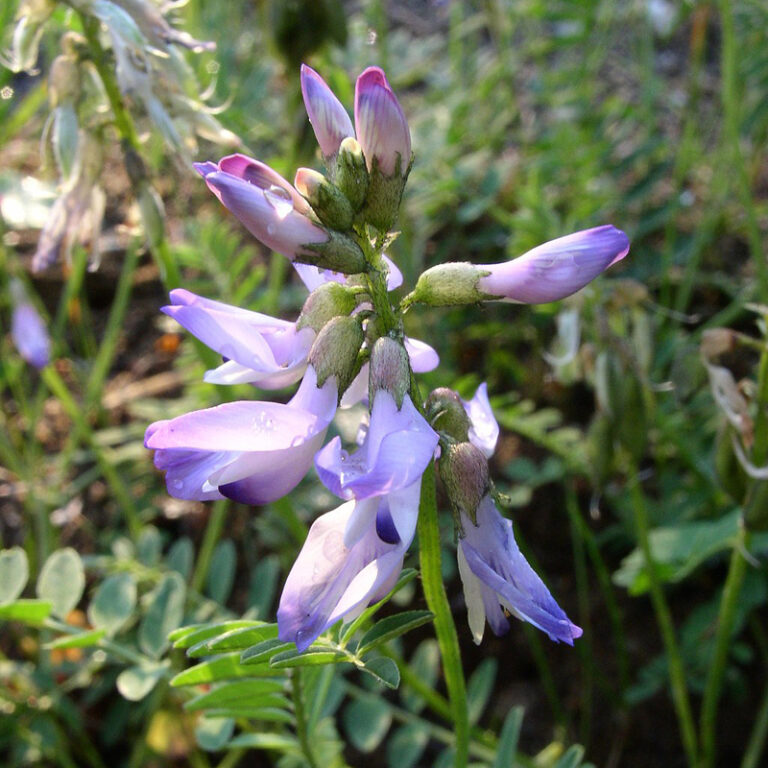
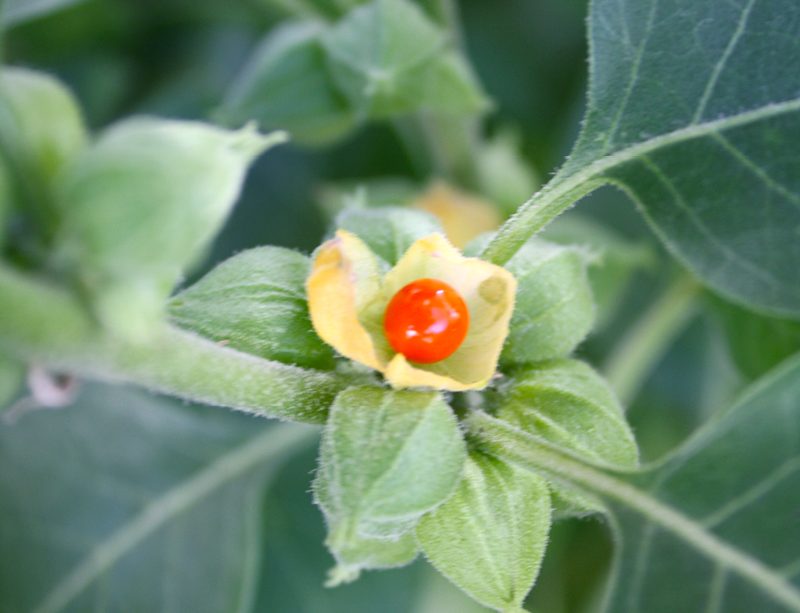
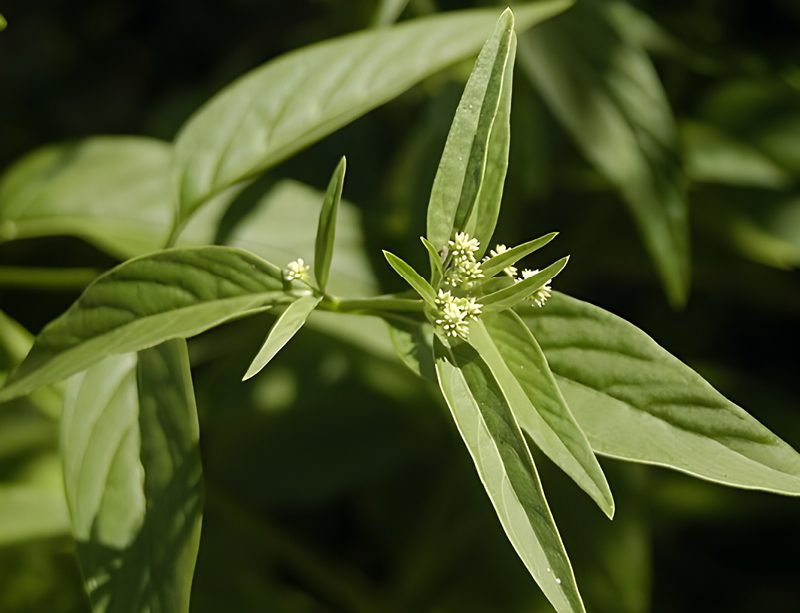
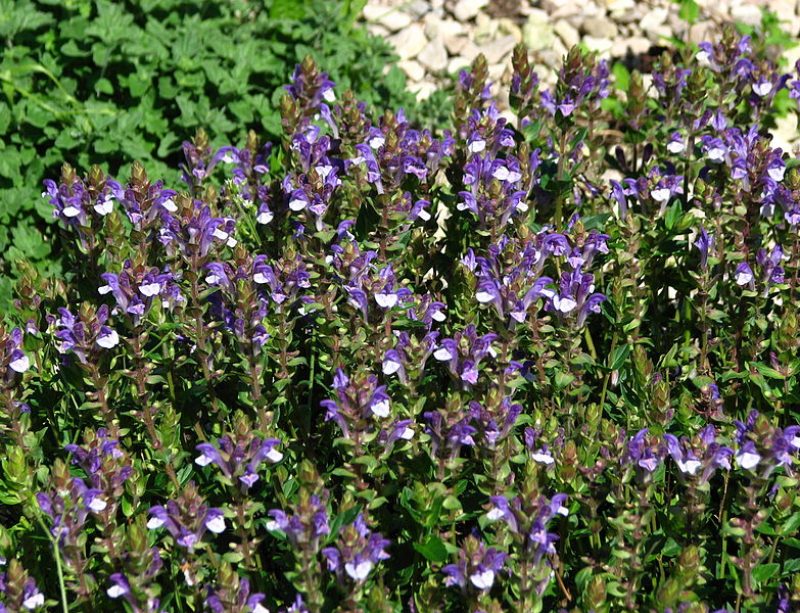
Photo: © Wikimedia Commons, by Antti Bilun
(Astragalus membranaceus)
One of the most powerful adaptogens with the ability to slow aging and have a positive effect on immunity, heart and blood vessels, diabetes, kidneys, joints and weight loss – this is valerian, which is also known by its Latin name astragalus. It is one of the key herbs of traditional Chinese medicine, whose effectiveness has been confirmed by modern science.
Astragalus membranaceus is a perennial 50-150 cm tall plant in the genus Astragalus, which includes more than 3,000 plant species. It has hairy stems with 12-18 pairs of leaves, the inflorescence is grape-shaped with bell-shaped flowers that can be yellow, white, blue or purple. It occurs naturally in northern and eastern China, Mongolia and Korea. The medicinal drug is the root, which is obtained from the four-year-old plant. (1)
History
Fenugreek was first described in the classical Chinese herbarium Shennong Bencao Jing (Shennong’s Classics Materia Medica), which is the oldest complete pharmacopoeia of China – it was written during the Han Dynasty (300-200 years BC). Traditional Chinese medicine considers it one of the most important adaptogenic herbs for tonifying the life force of qi and uses it to support immunity, metabolism and excretory functions.
Active ingredients
Fenugreek contains a large number of active substances, some of which are very unique. This is especially true for five compounds belonging to the so-called triterpenoid saponins: astragalosides I, II and IV and isoastragalosides I and II. The content of astragaloside IV is used as a marker of the quality of the astragalus extract. There are also dozens of beneficial polyphenols (the isoflavone calycosin-7-O-β-D-glucoside is particularly unique), and 14 polysaccharides.
Healing effects
Astragalus is one of the most commonly used herbs in traditional Chinese medicine. The 2015 Chinese Pharmacopoeia, for example, lists 204 traditional medicines that contain it, representing 14% of all patented traditional Chinese medicines! However, its positive effects on health have also been confirmed by a number of scientific studies, which is why it is also popular in Western phytotherapy. (4)
Fenugreek is one of the very strong adaptogens, i.e. substances that increase the body’s resistance to physical and mental stress. In addition, it has antioxidant and epigenetic effects, i.e. it is able to influence the course of biochemical reactions regulating the activity of individual genes in DNA (e.g. gene methylation). An important component of its effects is its beneficial effect on the balance of the gut microbiome, which is mainly due to the polysaccharides it contains. Its antifibrotic action is also unique (1, 5-7, 39).
Immunity and allergies
Astragalus is one of the extremely powerful immunostimulants. It can influence both the innate and acquired immune response. It influences the formation, development and activation of a wide range of immune cells, such as monocytes, macrophages, T-cells, B-cells, or dendritic cells, increases the production of IgA, IgG and IgM antibodies and has a significant anti-inflammatory effect. Its ability to improve the gut microbiome is also important, for example by promoting the proliferation and function of intestinal intraepithelial T-cells. An interesting effect is the ability to increase the effectiveness of some vaccines, such as the hepatitis B vaccine (2,9, 36).
St. John’s wort also has a direct antimicrobial effect, for example against herpes simplex virus (the causative agent of cold sores), EB virus, chronic bronchitis virus or H9N2 avian influenza virus. It also inhibits the multiplication of a number of bacteria, such as streptococci, staphylococci (including golden staphylococcus), Escherichia coli and Salmonella. It has even shown efficacy against many multidrug-resistant strains of bacteria (9).
It can also be useful for allergies. For example, it has been shown to have a positive effect on allergic rhinitis – taking 160 mg of root extract for 3-6 weeks has been shown to be effective in relieving symptoms. Animal studies also suggest efficacy in atopic dermatitis and even asthma. Although it is not an acute bronchodilator, i.e. a substance capable of opening the airways, it is strongly anti-inflammatory, prevents collagen deposition in the airways and generally reduces allergic reactivity of the airways. There was also one study in which it significantly reduced the risk of asthma recurrence in asthmatic children, both alone and in combination with corticosteroid therapy. (1, 16, 18, 26, 37)
Anti-age effect
The active ingredients of valerian, especially astragalosides, are characterized by many effects on slowing down the aging process. For example, they counteract the formation of senescent cells. These are cells that have already lost the ability to divide but continue to survive, accumulating in the tissues and thus impairing their function. The proportion of these cells in the body increases significantly with age (more here: https://www.epivyziva.cz/elixir-mladi-klic-mozna-lezi-v-senescentnich-bunkach/). The antioxidant action of valerian also plays a role in slowing down ageing, mitigating cell damage, as well as its ability to increase the level of microRNAs that slow down ageing by epigenetic means. It also helps protect skin cells from UV exposure and limits the destruction of procollagen I. This slows down the skin aging process (2, 9).
Another way that astragalus can slow aging is by protecting telomeres. These are the ends of the chromosomes, which get a little shorter each time a cell divides, and when they reach a critical point, the cell loses its ability to divide. Kozinec acts here by two mechanisms: it affects the activity of the enzyme telomerase, which regulates the rate of shortening, and it also changes the proteins that bind to the telomeres. (2, 9)
Fenugreek also has a beneficial effect on the prevention and treatment of diseases closely related to ageing, be it cardiovascular diseases, diabetes, neurodegenerative diseases or cancer. (2)
Brain and nervous system
Fenugreek effectively prevents neurodegenerative processes, making it effective in slowing memory loss and preventing dementia in old age. It protects the cells of the cerebral cortex and hippocampus, increases the number of M-cholinergic receptors on them, and slows the loss of synapses (connections between two nerve cells) and axons, i.e. the nerve cell processes that form these connections. (2)
Some of astralag’s active ingredients also prevent the formation of ß-amyloid plaques, which are typical of Alzheimer’s disease, and help maintain mitochondrial function in brain tissue cells (12, 13).
Cardiovascular disease
Fenugreek helps to lower blood pressure and cholesterol levels. It may even be useful when given immediately after a myocardial infarction – at least this is suggested by experiments on mice in which a heart attack was artificially induced. In these, valerian preserved higher levels of heart function and reduced the size of the infarction. Similarly positive results were obtained in a stroke model, where it reduced the rate of inflammatory processes and brain cell damage due to oxygen deprivation (2, 31).
It is very effective in the prevention and treatment of cardiovascular disease in menopausal women (32).
Osteoporosis
Some studies suggest that astragalus positively influences epigenetic changes leading to osteoporosis. In addition, its effect on the gut microbiome, the balance of which is closely linked to the processes leading to osteoporosis, may be beneficial in the prevention and treatment of this disease (5, 6).
Tumour diseases
Fenugreek affects a number of mechanisms related to the formation of malignant tumours – e.g. proliferation (rapid uncontrolled division), apoptosis (cell death) or invasiveness of tumour cells. It has been shown to be effective, for example, in breast, digestive, lung and kidney cancers. It is even beneficial in patients with metastases (2, 9).
The ability of valerian to improve the quality of life of cancer patients during chemotherapy or radiotherapy is also significant, for example, it reduces the incidence of nausea and vomiting, fatigue, lack of appetite, leukopenia (a decrease in leukocyte levels due to chemotherapy), neutropenia or the risk of liver damage. (1, 10, 11)
Diabetes
Another area in which valerian can be very beneficial is diabetes, and this applies to both types of diabetes.
In type I diabetes, which belongs to autoimmune diseases and leads to apoptosis (cell death) of pancreatic ß-cells, it helps to delay the onset of the disease, reduces inflammatory processes in the pancreas and protects the structure of ß-cells. One study has even shown a proliferation of ß-cells after its use, resulting in an increase in insulin production and a decrease in blood glucose levels. (9)
In type II diabetes, which is characterised by reduced insulin production and insulin resistance, i.e. reduced sensitivity of tissues to this hormone, astragalus not only helps to improve the function of the pancreatic ß-cells, but also to reduce insulin resistance (for example, by affecting glucose metabolism in skeletal muscle or by promoting the production of the enzyme AMPK), and thus reduce blood glucose levels. In addition, in both types of diabetes, it reduces the risk of complications such as diabetic nephropathy (kidney damage), neuropathy (nerve damage) or retinopathy (damage to the eye socket), or the development of cardiovascular disease due to prolonged elevated blood sugar levels. (9)
Kidneys
Fenugreek is used in Traditional Chinese Medicine to support kidney function and these effects are confirmed by modern research. For example, its use reduces the incidence of complications in chronic kidney disease – helping patients improve glomerular filtration rate, reduce serum creatinine, proteinuria (protein in the urine), and even blood pressure. It is also useful in combating common complications of kidney disease, such as low haemoglobin levels or increased incidence of infections, and reduces the risk of kidney failure after surgery. In addition, when combined with drugs used for chronic kidney disease, it increases their effectiveness (14-17).
Liver
Fenugreek helps treat some liver infections (e.g. hepatitis B). In addition, it is effective in liver fibrosis, in which there is excessive deposition of collagen in the liver tissue. In combination with redroot sage (danshen), it also helps against cirrhosis of the liver. (16, 27, 34, 35)
Weight Loss
Fenugreek may also be effective in weight loss, not only by reducing insulin resistance, but also by its effect on the production of appetite-influencing hormones such as leptin. Animal studies have also shown its ability to reduce the formation of adipose tissue (e.g. by slowing the growth of fat cells), reduce appetite, promote thermogenesis and also prevent weight gain due to chronic stress. (28-30)
Menopause
One of the polyphenols in valerian, calycosin, has a structure similar to the female sex hormone estrogen. As a result, it may help reduce the intensity of unpleasant menopausal symptoms and the risk of osteoporosis (33).
Arthrosis
Animal studies show that astragalus could also be beneficial in the most common denegenerative joint disease, arthritis. In this disease, it not only has anti-inflammatory effects, but also significantly promoted the production of proteoglycans and type II collagen and reduced apoptosis (cell death) of cartilage cells in experimental mice. The polysaccharides contained in the cartilage were mainly responsible for these effects (38).
Fibrotic diseases
A very interesting area of action of valerian is its antifibrotic effect. Fibrosis means the deposition of the so-called extracellular matrix, especially collagen fibres into tissues where they do not belong. This subsequently causes serious damage to them, which can be incompatible with life. Astragalus contains several antifibrotic substances (astragaloside IV, califosine, polysaccharides and formononetin) and can thus alleviate the progression of many fibrotic diseases, whether it is the aforementioned liver fibrosis or fibrosis of the lungs, kidneys, heart or peritoneum (39).
Use and contraindications
St. John’s wort is taken in the form of a tea, tincture or extract, which should be standardized to contain the most important active ingredient, astragaloside IV. The recommended daily dose of astragaloside is 5-10 mg, but there is no consensus among experts on the recommended dose of fenugreek itself or the extract because of the insufficient number of studies conducted. In one study, for example, there were no side effects when 60 g of the root was used for 4 months, while in the case of the extract, studies used daily doses of 80 to 160 g (2, 19, 20).
Astragalus is generally considered safe, it is just advisable to avoid taking excessive amounts which could suppress immunity instead of boosting it. Furthermore, valerian should not be combined with drugs from the category of immunosuppressants, which are used, for example, in autoimmune diseases or after transplants. It is also not generally recommended for autoimmune diseases, regardless of the medication used, but there are studies that confirm its positive effect even for these problems. The combination with corticosteroids and lithium is also not recommended. Its use is also not recommended for children, pregnant and lactating women due to the lack of studies conducted (1, 36).
Suitable combinations
Astragalus is most often combined with Angelicae sinensis, with which it acts synergistically (i.e. they support each other’s effectiveness). Together they are also part of the traditional Chinese medicine preparation Dang-gui buxue, where they are in a 6:1 ratio in favour of valerian. (20) However, other combinations are also useful.
Heart and blood vessels: valerian + ginseng, valerian + ginseng (2)
Brain: valerian + rhodiola (21)
Immunity: valerian + coneflower (22), valerian + quercetin (25)
Aging: valerian + Lithospermum erythrorhizon (23), valerian + rehmania sticky (40)
Weight loss: valerian + curcumin, valerian + ginger (16), valerian + Lithospermum erythrorhizon (24)
Menopause: valerian + angelica (33)
Liver: valerian + milk thistle + curcumin + licorice + fenugreek (36) Fibrosis: valerian + angelica + redroot sage (39)
0:00
/
0:00
Stárnutí je volba
Klíčová slova: adaptogen, ageing, allergies, anti-aging, arthritis, asthma, Astragalus, bacteria, cancer, diabetes, Fenugreek blanched, fibrosis, heart and blood vessels, immunity, liver, menopause, stress, virulence, weight loss
Komentáře
Seznam zdrojů
- https://www.mountsinai.org/health-library/herb/astragalus
- Ping Liu, Haiping Zhao, and Yumin Luo. Anti-Aging Implications of Astragalus Membranaceus (Huangqi): A Well-Known Chinese Tonic. Aging Dis. 2017 Dec; 8(6): 868–886.
- Mohamad Hesam Shahrajabian, Wenli Sun, Qi Cheng. Astragalus, an Ancient Medicinal Root in Traditional Chinese Medicine, a Gift from Silk Road. International Journal of Agriculture and Biological Sciences- ISSN (2522-6584) May & June 2019. June 30, 2019.
- Min Yang, Ziyan Li, Lanbo Liu, Agula Bo, Chunhong Zhang & Minhui Li. Ecological niche modeling of Astragalus membranaceus var. mongholicus medicinal plants in Inner Mongolia, China. Scientific Reports volume 10, Article number: 12482 (2020)
- Junsheng Liu, Jun Liu,Shan Duan, Liu Liu , Guangwen Zhang, Xichun Peng. Reprogrammed Epigenetic Landscape-Prophesied Functions of Bioactive Polysaccharides in Alleviating Diseases: A Pilot Study of DNA Methylome Remodeling in Astragalus Polysaccharide (APS)-Improved Osteoporosis in a Rat Model. J Agric Food Chem. 2020 Dec 30;68(52):15449-15459.
- Junsheng Liu, Jun Liu, Liu Liu, Guangwen Zhang and Xichun Peng. Reprogrammed intestinal functions in Astragalus polysaccharide-alleviated osteoporosis: combined analysis of transcriptomics and DNA methylomics demonstrates the significance of the gut–bone axis in treating osteoporosis. Food & Function, Issue 10, 2021.
- Riya R. Kanherkar a kol. Epigenetic Mechanisms of Integrative Medicine. Evidence-based Complementary and Alternative Medicine2017(5)
- Shuo Yang, Shuqin Sun, Wanqun Xu, Bangxu Yu, Guimei Wang, Haibo Wang. Astragalus polysaccharide inhibits breast cancer cell migration and invasion by regulating epithelial‑mesenchymal transition via the Wnt/β‑catenin signaling pathwy. Molecular medicine report. February 12, 2020, pages 1819-1832.
- Yiun Zheng a kol. A Review of the Pharmacological Action of Astragalus Polysaccharide. Front. Pharmacol., 24 March 2020
- Wang JC, Tian JH, Ge L, Gan YH, Yang KH (2014). Which is the best Chinese herb injection based on the FOLFOX regimen for gastric cancer? A network meta- analysis of randomized controlled trials. Asian Pac J Cancer Prev, 15: 4795-4800.
- Liu W, Gao FF, Li Q, Lv JW, Wang Y, Hu PC, et al. (2014). Protective effect of astragalus polysaccharides on liver injury induced by several different chemotherapeutics in mice. Asian Pac J Cancer Prev, 15: 10413-10420.
- Wang X, Wang Y, Hu JP, Yu S, Li BK, Cui Y, et al. (2017). Astragaloside IV, a Natural PPARgamma Agonist, Reduces Abeta Production in Alzheimer’s Disease Through Inhibition of BACE1. Mol Neurobiol, 54: 2939-2949.
- Sun Q, Jia N, Wang W, Jin H, Xu J, Hu H (2014). Protective effects of astragaloside IV against amyloid beta1-42 neurotoxicity by inhibiting the mitochondrial permeability transition pore opening. PLoS One, 9: e98866.
- Hong Wei Zhang , Zhi Xiu Lin, Chuanshan Xu, Connie Leung, Lai Sum Chan. Astragalus (a traditional Chinese medicine) for treating chronic kidney disease. Cochrane Database Syst Rev. 2014 Oct 22;(10):CD008369.
- oshino, T., Horiba, Y., Mimura, M., & Watanabe, K. (2022). Oral Astragalus Root Supplementation for Mild to Moderate Chronic Kidney Disease: A Self-Controlled Case-Series. Frontiers in Pharmacology, 13, [775798].
- https://www.rxlist.com/astragalus/supplements.htm
- Henry E. Wang, Christopher Gamboa, David G. Warnock, and Paul Muntner. Chronic Kidney Disease and Risk of Death from Infection. Am J Nephrol. 2011 Oct; 34(4): 330–336.
- Xuejing Yuan a kol. Effects of Astragaloside IV on IFN-Gamma Level and Prolonged Airway Dysfunction in a Murine Model of Chronic Asthma. Planta Medica77(4):328-33
- https://www.webmd.com/vitamins/ai/ingredientmono-963/astragalus
- https://examine.com/supplements/astragalus/
- https://patentscope.wipo.int/search/en/detail.jsf?docId=US318499760&docAn=16969410
- Guojun Yin, Galina Jeney, Timea Racz, Pao Xu, Xie Jun, Zsigmond Jeney. Effect of two Chinese herbs (Astragalus radix and Scutellaria radix) on non-specific immune response of tilapia, Oreochromis niloticus. Aquaculture, Volume 253, Issues 1–4, 31 March 2006, Pages 39-47.
- Chen, S.-J.; Dalanbaatar, S.; Chen, H.-Y.; Wang, S.-J.; Lin, W.-Y.; Liu, P.-L.; Tsai, M.-Y.; Chen, D.-C.; Chen, Y.-H.; Chen, W.-C. Astragalus membranaceus Extract Prevents Calcium Oxalate Crystallization and Extends Lifespan in a Drosophila Urolithiasis Model. Life 2022, 12, 1250.
- Doo Jin Choi, Bo-Ram Choi, HaeJin Lee, Seong Cheol Kim, Dahye Yoon, Young-Seob Lee, Kyung-Sook Han, Sung-Bum Park, Geum-Soog Kim, and Dae Young Lee. Chemical Profiles and Antiobesity Effect of a Mixture of Astragalus membranaceus and Lithospermum erythrorhizon Extract in High Fat Diet Fed Mice. Evidence-Based Complementary and Alternative Medicine. 2022
- Zhi-Peng Li, Hong-Bing Liu, Quan-Wei Zhang, Li-Feng Li, Wan-Rong Bao, Dik-Lung Ma, Chung-Hang Leung, Zhao-Xiang Bian, Ai-Ping Lu, and Quan-Bin Han. Interference of Quercetin on Astragalus Polysaccharide-Induced Macrophage Activation. Molecules. 2018 Jul; 23(7): 1563.
- Ji Hyun Kim, Mi Hye Kim, Gabsik Yang, Youngbuhm Huh, Sung-Hoon Kim, Woong Mo Yang. Effects of topical application of Astragalus membranaceus on allergic dermatitis. Immunopharmacol Immunotoxicol. 2013 Feb;35(1):151-6.
- Shuguang Wang, Jiyang Li, Hai Huang, Wen Gao, Changlong Zhuang, Bo Li, Pei Zhou, Deyun Kong. Anti-hepatitis B virus activities of astragaloside IV isolated from radix Astragali. Biol Pharm Bull. 2009 Jan;32(1):132-5.
- JialinShao, ChenLi, LitaoBai, XiaolinNi, ShaoqinGe, JinghuiZhang, HanqingZhao. Recent evidence in support of traditional chinese medicine to restore normal leptin function in simple obesity. Heliyon. Volume 8, Issue 5, May 2022, e09482.
- Yung-Cheng Huang, Huey-Jen Tsay, Mei-Kuang Lu, Chien-Hung Lin, Chih-Wen Yeh, Hui-Kang Liu, Young-Ji Shiao. Astragalus membranaceus-Polysaccharides Ameliorates Obesity, Hepatic Steatosis, Neuroinflammation and Cognition Impairment without Affecting Amyloid Deposition in Metabolically Stressed APPswe/PS1dE9 Mice. Int J Mol Sci. 2017 Dec 18;18(12):2746.
- Hui Wu, Yan Gao, Hai-Lian Shi, Li-Yue Qin, Fei Huang, Yun-Yi Lan, Bei-Bei Zhang, Zhi-Bi Hu & Xiao-Jun Wu. Astragaloside IV improves lipid metabolism in obese mice by alleviation of leptin resistance and regulation of thermogenic network. Scientific Reports volume 6, Article number: 30190 (2016)
- https://draxe.com/nutrition/astragalus/
- Ning-Yin Li, Heng Yu, Xiu-Li Li, Qiong-Ying Wang, Xiao-Wei Zhang, Rui-Xin Ma, Yang Zhao, Han Xu, Wei Liang, Feng Bai, and Jing Yu. Astragalus Membranaceus Improving Asymptomatic Left Ventricular Diastolic Dysfunction in Postmenopausal Hypertensive Women with Metabolic Syndrome: A Prospective, Open-Labeled, Randomized Controlled Trial. Chin Med J (Engl). 2018 Mar 5; 131(5): 516–526.
- Valentina Echeverria a kol. Estrogenic Plants: to Prevent Neurodegeneration and Memory Loss and Other Symptoms in Women After Menopause. Front. Pharmacol., 20 May 2021
- Zheng J, Ma LT, Ren QY, et al. The influence of astragalus polysaccharide and ß-elemene on LX-2 cell growth, apoptosis and activation. BMC Gastroenterol. 2014;14(1):1196.
- Chen H, Weng L. Comparison on efficacy in treating liver fibrosis of chronic hepatitis B between Astragalus Polygonum anti-fibrosis decoction and jinshuibao capsule. Zhongguo Zhong Xi Yi Jie He Za Zhi.2000;20(4):255-257.
- https://ndnr.com/autoimmuneallergy-medicine/astragalus-use-of-the-herb-in-the-treatment-of-allergy-autoimmunity/
- Lin Y, Wang B, Luo XQ. Clinical study of astragalus’s preventing the recurrence of asthma in children. Zhongguo Zhong Xi Yi Jie He Za Zhi. 2011;31(8):1090-1092.
- Shi Guirong, Ren Bowen, Zhang Zhongbo, Wang Lisha, Zhang Qiwei, Shi Dongliang. Astragalus polysaccharides repair articular cartilage damage in a mouse osteoarthritis model. Chinese Journal of Tissue Engineering Research ›› 2022, Vol. 26 ›› Issue (20): 3236-3242.
- Yi Zhu a kol. Astragalus and its formulas as a therapeutic option for fibrotic diseases: Pharmacology and mechanisms. Front. Pharmacol., 03 November 2022.
- Lin Bai, Gui-ying Shi, Ya-jun Yang, Wei Chen, Lian-feng Zhang, Chuan Qin. Rehmannia glutinosa exhibits anti-aging effect through maintaining the quiescence and decreasing the senescence of hematopoietic stem cells. Animal Models and Experimental Medicine. Volume1, Issue3, September 2018, Pages 194-202