When we say “sun protection”, we usually think of sunscreen or sunglasses. But equally important is “internal” protection, which increases our resistance to the negative effects of sunlight directly at the cellular level, and also improves the body’s protection against negative changes due to high temperatures.
There are several reasons why UV radiation is harmful to us: first, it directly damages the structure of skin cells, leading to increased production of free radicals and an increase in inflammatory processes. Sometimes the damage can be so severe that mutations, i.e. changes in the DNA of the cells involved, can occur, but fortunately this doesn’t happen very often. However, epigenetic changes, i.e. changes that alter the activity of certain genes in the DNA, are much more common. These increase the risk of cancer, for example, or accelerate skin ageing.
However, we are also negatively affected by the heat, to which we have been exposed more and more often in the summer in recent years. It is a fairly well-known fact that high temperatures cause increased stress on the cardiovascular system. In order to cool the body effectively, more blood needs to get to the subcutaneous tissue, so the heart simply has to work harder. And when you add to this, for example, dehydration, which thickens the blood, or the poor condition of blood vessels that restricts their patency, the strain on the heart can be considerable indeed.
But the negative effects of heat can be even more insidious. High temperatures increase the permeability of the intestinal wall, which can allow pathogens or toxic substances to enter the bloodstream. The result is an increase in the rate of inflammation throughout the body, which increases the risk of developing a number of diseases or worsening the course of existing ones. That’s why it’s important to take care of the gut microbiome during the summer, the balance of which is essential for maintaining the integrity of the intestinal wall.
A big help in maintaining good health during the summer months is our diet. The following rules should be followed when preparing your diet:
Lutein and zeaxanthin – carotenoids with significant antioxidant and epigenetic effects. They are mainly found in eggs, corn, yellow fruits and vegetables and vegetables with dark green leaves. They protect not only the skin but also the retina from UV rays, relieve pain and inflammation after skin burns and slow down skin aging. Read more ‘
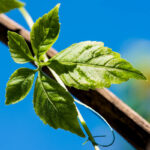
Ginkgo biloba – the extract from this tree can very effectively improve blood circulation, thereby promoting thermoregulation and relieving the heart in the heat. At the same time, it protects the skin from UV rays and slows down skin aging. Read more here ‘
Hydroxytyrosol – at a time when effective sunscreens were not available, people in the Mediterranean used to apply olive oil to their skin when in the sun. The effectiveness of this treatment against UV rays has been confirmed by research which has shown that the polyphenol hydroxytyrosol, which is found in olives, is responsible for this effect. Moreover, it is a very powerful antioxidant with anti-inflammatory effects. Read more ‘
Coleus forskohlii – a herb growing on the slopes of the Himalayas is the only known source of forskolin. It promotes the production of cAMP, which is essential for the transmission of information within cells. Increasing the production of cAMP in the skin helps to slow down its aging, improves its protection against UV radiation and free radicals. Read more ‘
OPCs – oligomeric proanthocyanidins, which are abundant in grape seeds, for example, protect the skin from UVB radiation and positively influence epigenetic processes that are related to the risk of skin cancer. Read more ‘
Astaxanthin , a carotenoid found in salmon, shrimp and lobster, is a very powerful antioxidant with epigenetic and anti-cancer effects. It protects the skin against the effects of UV radiation and free radicals, improves its barrier function and prevents the appearance of wrinkles and other signs of ageing. Read more ‘
Nopal – prickly pear fruits are known primarily as a weight loss aid. However, one of the substances contained in it, berberine, also has a significant positive effect on the ability to thermoregulate.
Rhodiola – this herb belongs to the powerful adaptogens, i.e. substances that promote adaptation to stressful stimuli. Scientific research has confirmed its ability to support the body’s adaptation to heat. More about rhodiola here ‘
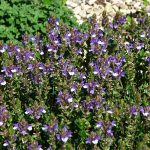
Mint – its cooling effect in drinks, for example, is very pleasant in the summer heat, but it’s not just about the feeling. In fact, its main active ingredient, menthol, significantly improves blood circulation, which contributes to better thermoregulation.
Pomegranate – this fruit is one of the most effective “promoters” of nitric oxide production, a substance that dilates blood vessels and improves blood flow. This can greatly facilitate thermoregulation and reduce the burden on the heart in hot weather. It also contains a number of powerful antioxidants and anti-inflammatory substances. Its combination with curcumin is very useful, which will not only boost its blood-thinning effect, but also help to improve the integrity of the intestinal wall.
PŘIHLASTE SE K ODBĚRU NOVINEK A MĚJTE VŽDY ČERSTVÉ INFORMACE
| Cookie | Duration | Description |
|---|---|---|
| cookielawinfo-checkbox-analytics | 11 měsíců | Tento soubor cookie je nastaven pluginem GDPR Cookie Consent. Soubor cookie se používá k uložení souhlasu uživatele s používáním souborů cookie v kategorii „Analytika“. |
| cookielawinfo-checkbox-functional | 11 měsíců | Soubor cookie je nastaven na základě souhlasu s cookie GDPR k zaznamenání souhlasu uživatele pro soubory cookie v kategorii „Funkční“. |
| cookielawinfo-checkbox-necessary | 11 měsíců | Tento soubor cookie je nastaven pluginem GDPR Cookie Consent. Cookies slouží k uložení souhlasu uživatele s cookies v kategorii „Nezbytné“. |
| cookielawinfo-checkbox-others | 11 měsíců | Tento soubor cookie je nastaven pluginem GDPR Cookie Consent. Cookie se používá k uložení souhlasu uživatele s cookies v kategorii „Jiné. |
| cookielawinfo-checkbox-performance | 11 měsíců | Tento soubor cookie je nastaven pluginem GDPR Cookie Consent. Cookie se používá k uložení souhlasu uživatele s cookies v kategorii „Výkon“. |
| elementor | nikdy | Tento soubor cookie používá téma WordPress webu. Umožňuje vlastníkovi webu implementovat nebo měnit obsah webu v reálném čase. |
| viewed_cookie_policy | 11 měsíců | Soubor cookie je nastaven pluginem GDPR Cookie Consent a používá se k uložení, zda uživatel souhlasil nebo nesouhlasil s používáním souborů cookie. Neukládá žádné osobní údaje. |
| Cookie | Duration | Description |
|---|---|---|
| sb | 2 roky | Tento soubor cookie používá Facebook ke kontrole svých funkcí, shromažďování jazykových nastavení a sdílení stránek. |
| Cookie | Duration | Description |
|---|---|---|
| _ga | 2 roky | Soubor _ga cookie, nainstalovaný službou Google Analytics, vypočítává údaje o návštěvnících, relacích a kampaních a také sleduje využití webu pro analytický přehled webu. Soubor cookie ukládá informace anonymně a přiřazuje náhodně vygenerované číslo k rozpoznání unikátních návštěvníků. |
| _gat_gtag_UA_71041054_1 | 1 minuta | Nastaveno Googlem k rozlišení uživatelů. |
| _gid | 1 den | Soubor cookie _gid nainstalovaný službou Google Analytics ukládá informace o tom, jak návštěvníci používají webovou stránku, a zároveň vytváří analytickou zprávu o výkonu webu. Některá data, která jsou shromažďována, zahrnují počet návštěvníků, jejich zdroj a stránky, které anonymně navštěvují. |
| Cookie | Duration | Description |
|---|---|---|
| fr | 3 měsíce | Facebook nastavuje tento soubor cookie tak, aby uživatelům zobrazoval relevantní reklamy sledováním chování uživatelů na webu, na stránkách, které mají Facebook pixel nebo sociální plugin Facebooku. |
| _fbp | 3 měsíce | Tento soubor cookie je nastaven společností Facebook, aby po návštěvě webové stránky zobrazoval reklamy na Facebooku nebo na digitální platformě založené na reklamě na Facebooku. |
| Cookie | Duration | Description |
|---|---|---|
| pvc_visits[0] | 1 minuta | Tento soubor cookie vytváří počítadlo po zhlédnutí. Tento soubor cookie se používá k počítání počtu návštěv příspěvku. Pomáhá také zabránit opakovanému zobrazení příspěvku návštěvníkem. |