Alzheimer’s disease: There is hope for improvement
epivyziva.cz/
Zobrazeno: 1,903

And which one are you?” Hearing that sentence from one of your parents is one of the saddest things in the world. The person who has loved and cherished you all your life suddenly doesn’t recognize you. The culprit is clear: Alzheimer’s disease. Fortunately, new findings from the world of epigenetics offer great hope in the fight against this disease.
AN is the most common cause of dementia in Western society. It affects 17% of the population in the 65+ age group, but 50% in the 85+ age group. The risk doubles roughly every five years, so ageing is clearly the biggest epigenetic risk. Other risk factors for AN include diseases or behaviours that are themselves generally epigenetic – for example, diabetes, obesity, depression, lack of exercise or smoking.
Externally, AN is manifested by a significant decline in memory and mental abilities, and at the brain level by the formation of two types of so-called protein aggregates that damage nerve cells and impair their function. The first is called amyloid plaques, which are made up of a protein called amyloid-beta, and the second is neurofibrillary tangles, or spiral fibres made up of several proteins.
Epigenetics and Alzheimer’s disease
Are genes responsible for Alzheimer’s disease (AD)? Yes and no. Few direct genetic links have been found, but a number of what we call epigenetic links have been confirmed. These are chemical reactions that affect the activity of a number of our genes and may therefore promote the development of AN.
Epigenetic changes take place in our DNA almost constantly, mainly due to our lifestyle and the environment around us. Over time, some of our genes can be switched off completely, so that it is as if they were not in the DNA at all, while others can be switched on again, activated. Some of the epigenetic changes are positive, for example allowing us to adapt to different circumstances in our lives, but a large part are negative.
Negative epigenetic changes in DNA generally increase with age. Although we can largely influence the rate of their accumulation by eating a healthy diet, exercising regularly, avoiding environmental pollutants, and even taking dietary supplements with epigenetic effects, we cannot completely stop this process. This is also the reason why more and more diseases plague us as we grow older. Especially those that we call civilisational diseases (cardiovascular diseases, cancer, diabetes, but also arthritis) have a largely epigenetic basis. And this also applies to Alzheimer’s disease.
Most studies of AN sufferers have shown increased rates of two epigenetic responses: gene methylation and histone deacetylation. Both of these turn off genes (or reduce their activity) and thus significantly reduce the plasticity of our genetic information. Mutations of some enzymes involved in epigenetic processes have also been confirmed. This results in neurodegenerative processes leading to AN.
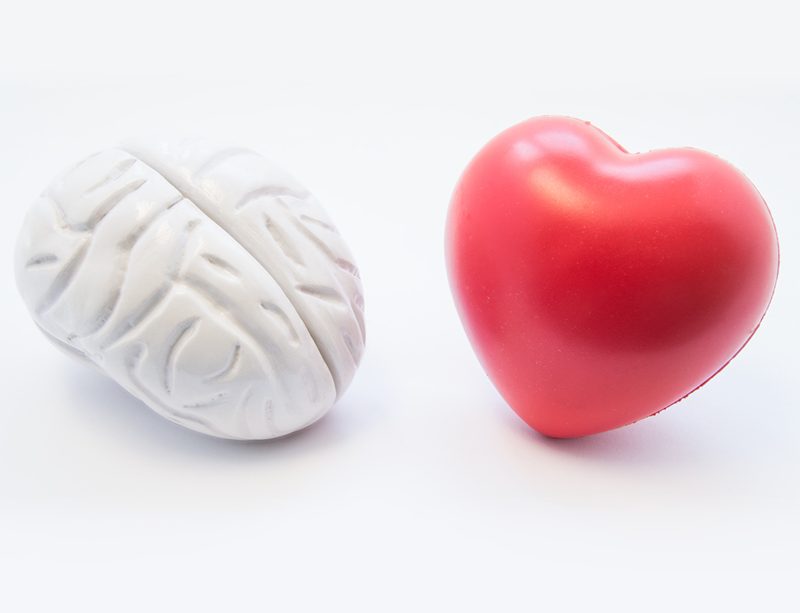
The nervous system is very complex and specialized. Millions of cells are arranged in different structures with characteristic epigenetic profiles that are closely linked to different functions. Thus, the functioning of the brain and nervous system is not only genetically controlled, but epigenetic profiles that influence the reading of individual genes also play a key role. This is why the nervous system is very sensitive to all epigenetic effects.
It has to be said that the research on the epigenetic background of AN is still in its early stages and some of it has only been done in animal and tissue models, but the results are very promising.
So what is there to prevent and treat Alzheimer’s disease that we can do for ourselves and our loved ones?
Environment
A number of studies suggest that the risk of developing AN may be significantly increased by exposure to certain environmental toxins. This is true, for example, for lead, which deposits in the cerebral cortex and hippocampus (i.e. the parts responsible for intellect and memory), damaging brain cells and altering epigenetic profiles (especially DNA methylation). Exposure to lead in childhood may even increase the risk of AN in older age.
Other harmful heavy metals are arsenic, aluminium and cadmium. However, transport emissions, in particular nitrogen oxides and fine dust particles, have also been shown to contribute to the risk of AN (https://www.epivyziva.cz/skodliviny-z-dopravy-zvysuji-riziko-alzheimerovy-choroby).
Nutrition
Nutrition is one of the most significant epigenetic factors, so it probably plays a role in the development of Alzheimer’s disease. Excessive carbohydrate in the diet is a relatively important factor in the development of insulin resistance. This is a condition that is typical mainly of type II diabetes – the pancreas produces enough insulin, but the tissues lose sensitivity to it, resulting in elevated blood glucose levels. This then increases inflammatory processes in the body through epigenetic pathways and negatively affects the risk of a number of diseases – obesity, cardiovascular disease and AN in addition to diabetes.
Because when blood sugar levels rise, the supply of sugar to the brain also increases. However, the same is not true for the insulin supply to the brain tissue, which, on the contrary, gets less of it during insulin resistance. The brain cells cannot make use of the glucose that does reach them; instead, they suffer from a lack of nutrition and are damaged. The most sensitive cells are those in the hippocampus, the part of the brain responsible for memory.
Reducing carbohydrates in the diet (especially those with a high glycaemic index) should therefore be the first step in the prevention and treatment of AN. Restriction of total caloric intake also has a positive effect, as does reduction of alcohol consumption, which generally causes a number of negative epigenetic changes.
Conversely, many plant and animal foods contain a number of ingredients with epigenetic effects that have positive epigenetic effects and thus reduce the risk of AN. One example of the research that has examined the effects of a dietary system called the MIND Diet (i.e., the Mind Diet) is the restriction of caloric intake and frequent consumption of a total of 15 dietary components, such as vegetables (especially those with green leaves), fish, poultry, olive oil, red wine, nuts, legumes and berries. The so-called MIND score (i.e. the proportion in which the person’s diet conforms to the dietary guidelines) was directly related to the risk of AN.
Motion
Regular physical activity, especially of an endurance nature (walking, swimming, cycling, running…) is generally a very effective prevention of cognitive decline in older age – the mental abilities of sports-active seniors are significantly better than those of their peers. But it is also a very effective prevention of AN. Firstly, it has direct epigenetic effects (affecting in particular DNA methylation patterns) and secondly, it has a positive effect on glucose metabolism (especially in the hippocampus), disorders of which play a role in the development of AN.
The beneficial effect of exercise was evident in studies of people who engaged in at least 68 minutes of endurance activity per week. The intensity does not have to be particularly high – a brisk walk is sufficient for the average person (not, for example, a veteran athlete). The benefit of more intensive activities is only minimally higher.
Dietary supplements
As we have already said, many foods contain epigenetically acting components that may be very useful in the prevention and treatment of Alzheimer’s disease. When consumed in high concentrations, i.e. in the form of dietary supplements, their effects can be really significant in this regard.
B vitamins – help regulate homocysteine levels in the body, which may be the cause of the negative epigenetic reactions associated with AN. In particular, vitamin B12 and folic acid play an important role.
Vitamin D3 – sufficient intake of vitamin D3 has also been shown to reduce the risk of AN in humans. Although the epigenetic mechanisms of this action have not yet been described, since it is a vitamin with significant epigenetic effects, their existence is very likely.
Omega-3 – these unsaturated fatty acids generally reduce the rate of cognitive decline in older age. They have also been shown to have significant epigenetic effects that may influence the onset and progression of AN. For example, they reduce the concentrations of several enzymes called histone deacetylases, which are involved in the epigenetic reaction of histone deacetylation (which, as mentioned above, reduces the activity of important genes and is involved in the development of AN). Here, a treatment lasting six months had promising effects.
Curcumin in combination with piperine – prevents the clumping of proteins forming beta-amyloid plaques and neurofibrillary tangles and also reduces the level of histone deacetylases.
Vitamin A – a deficiency of retinoic acid, which along with beta-carotene and retinol is a component of the vitamin A complex, reduces methylation of a number of important genes that may be related to the development of AN.
Quercetin – supports mechanisms that increase neuroplasticity of the nervous system.
Baikal coneflower – one of the basic herbs of traditional Chinese medicine has a neuroprotective effect and improves memory.
Vitamin E – increased dietary intake reduces the risk of AN.
EGCG – reduces the formation of beta-amyloid plaques and protects and helps restore the mitochondria of cells in the hippocampus and cerebral cortex.
Resveratrol – has a significant neuroprotective effect (i.e. protects nerve cells from damage), stabilizes amyloid beta 40 levels, improves cerebral blood flow, long-term memory and hippocampal function.
0:00
/
0:00
Stárnutí je volba
Klíčová slova: Alzheimer's disease, Baikal pine cone, beta-amyloid plaques, carbohydrates, curcumin, DNA, egcg, epigenetics, MIND Diet, Motion, neuronal protection, quercetin, resveratrol
Komentáře
Seznam zdrojů
- Xin Y., Chanrion B., Liu M. M., Galfalvy H., Costa R., Ilievski B., et al. (2010). Genome-wide divergence of DNA methylation marks in cerebral and cerebellar cortices. PLoS ONE 5:e1135710.1371/journal.pone.0011357
- Alzheimer’s Association (2010). 2010 Alzheimer’s disease facts and figures. Alzheimers Dement. 6158–194.
- Cummings J. L. (2004). Alzheimer’s disease. N. Engl. J. Med. 351 56–67.
- Kivipelto M., Mangialasche F. (2014). Alzheimer disease: to what extent can Alzheimer disease be prevented? Nat. Rev. Neurol. 10 552–553. 10.1038/nrneurol.2014.
- Chouliaras L., van den Hove D. L., Kenis G., Keitel S., Hof P. R., van Os J., et al. (2012). Prevention of age-related changes in hippocampal levels of 5-methylcytidine by caloric restriction. Neurobiol. Aging 33 1672–1681. 10.1016/j.neurobiolaging.2011.06.003
- Citron M., Oltersdorf T., Haass C., McConlogue L., Hung A. Y., Seubert P., et al. (1992). Mutation of the beta-amyloid precursor protein in familial Alzheimer’s disease increases beta-protein production. Nature 360 672–674. 10.1038/360672a0
- Murrell J., Farlow M., Ghetti B., Benson M. D. (1991). A mutation in the amyloid precursor protein associated with hereditary Alzheimer’s disease. Science 254 97–99. 10.1126/science.1925564
- Mastroeni D., McKee A., Grover A., Rogers J., Coleman P. D. (2009). Epigenetic differences in cortical neurons from a pair of monozygotic twins discordant for Alzheimer’s disease. PLoS ONE 4:e6617 10.1371/journal.pone.0006617
- Marques S, Outeiro TF. Epigenetics in Parkinson’s and Alzheimer’s diseases. Subcell Biochem2013;61:507–25.
- Dosunmu R, Alashwal H, Zawia NH. Genome-wide expression and methylation profiling in the aged rodent brain due to early-life Pb exposure and its relevance to aging. Mech Ageing Dev 2012;133:435–43.
- Georgia Ede. Preventing Alzheimer’s Disease May Be Easier Than You Think. Psychology Today. Sep 07, 2016. https://www.psychologytoday.com/us/blog/diagnosis-diet/201609/preventing-alzheimer-s-disease-may-be-easier-you-think
- Dimitrios Athanasopoulos, George Karagiannis, and Magda Tsolaki. Recent Findings in Alzheimer Disease and Nutrition Focusing on Epigenetics. Adv Nutr. 2016 Sep; 7(5): 917–927. https://www.ncbi.nlm.nih.gov/pmc/articles/PMC5015036/#b23
- Nicolia V, Lucarelli M, Fuso A. Environment, epigenetics and neurodegeneration: focus on nutrition in Alzheimer’s disease. Exp Gerontol 2015;68:8–12.
- Dougherty RJ, Schultz SA, Kirby TK, Boots EA, Oh JM, Edwards D, Gallagher CL, Carlsson CM, Bendlin BB, Asthana S, Sager MA, Hermann BP, Christian BT, Johnson SC, Cook DB, Okonkwo OC. Moderate Physical Activity is Associated with Cerebral Glucose Metabolism in Adults at Risk for Alzheimer’s Disease. J Alzheimers Dis. 2017;58(4):1089-1097. doi: 10.3233/JAD-161067.
- Joven J, Micol V, Segura-Carretero A, Alonso-Villaverde C, Menéndez JA. Bioactive Food Components Platform: polyphenols and the modulation of gene expression pathways: can we eat our way out of the danger of chronic disease? Crit Rev Food Sci Nutr 2014;54:985–1001.
- Sadowska-Bartosz I, Bartosz G. Effect of antioxidants supplementation on aging and longevity. Biomed Res Int 2014;2014:404680.
- Banerjee A, Khemka VK, Ganguly A, Roy D, Ganguly U, Chakrabarti S. Vitamin D and Alzheimer’s disease: neurocognition to therapeutics. Int J Alzheimers Dis 2015;2015:192747.
- Wang X, Hjorth E, Vedin I, Eriksdotter M, Freund-Levi Y, Wahlund LO, Cederholm T, Palmblad J, Schultzberg M. Effects of n-3 FA supplementation on the release of proresolving lipid mediators by blood mononuclear cells: the OmegAD study. J Lipid Res 2015;56:674–81.
- Burdge GC. Lillycrop KA. Fatty acids and epigenetics. Curr Opin Clin Nutr Metab Care 2014;17:156–61.
- Martin SL, Hardy TM, Tollefsbol TO. Medicinal chemistry of the epigenetic diet and caloric restriction. Curr Med Chem 2013;20:4050–9.
- Hu S, Maiti P, Ma Q, Zuo X, Jones MR, Cole GM, Frautschy SA. Clinical development of curcumin in neurodegenerative disease. Expert Rev Neurother 2015;15:629–37.
- Gerszon J, Rodacka A, Puchała M. Antioxidant properties of resveratrol and its protective effects in neurodegenerative diseases. Adv Cell Biol 2014;4.
- Ho L, Ferruzzi MG, Janle EM, Wang J, Gong B, Chen TY, Lobo J, Cooper B, Wu QL, Talcott ST, et al.Identification of brain-targeted bioactive dietary quercetin-3-O-glucuronide as a novel intervention for Alzheimer’s disease. FASEB J 2013;27:769–81.
- Martha Clare Morris, S.D., Christy C. Tangney, Ph.D., Yamin Wang, Ph.D., Frank M. Sacks, M.D., David A Bennett, M.D., and Neelum T. Aggarwal, M.D. MIND Diet Associated with Reduced Incidence of Alzheimer’s Disease. Alzheimers Dement. 2015 Sep; 11(9): 1007–1014. https://www.ncbi.nlm.nih.gov/pmc/articles/PMC4532650/
- Dragicevic N, Smith A, Lin X, Yuan F, Copes N, Delic V, Tan J, Cao C, Shytle RD, Bradshaw PC. Green tea epigallocatechin-3-gallate (EGCG) and other flavonoids reduce Alzheimer’s amyloid-induced mitochondrial dysfunction. J Alzheimers Dis. 2011;26(3):507-21.