Crohn’s disease and ulcerative colitis: hope comes from nature
epivyziva.cz/
Zobrazeno: 2,677

Although genetics plays only a small role in Crohn’s disease and ulcerative colitis, scientists studying these diseases are increasingly focusing on our DNA. In fact, it turns out that an epigenetic reaction called gene methylation plays a big part in their development. And it’s the field of epigenetics that gives patients great hope.
Diarrhoea, often even with blood, vomiting, abdominal pain, weakness, increased temperature, fatigue, anaemia, but later also joint and eye disorders. These are the symptoms of chronic inflammatory bowel diseases called Crohn’s disease and ulcerative colitis. They affect specific, localised parts of the digestive system, most commonly in the intestines. Symptoms are non-specific, so it sometimes takes years to discover the cause.
In Europe, ulcerative colitis affects about 12 people in 100 000, and Crohn’s disease about twice as many, with the incidence of both diseases increasing in recent years in both children and adults. The first occurrence is most commonly seen between the ages of 15 and 30, but the diseases can appear at any time (unfortunately, the incidence is currently rising, especially in children). It is also interesting to note that, in contrast to Europe and the USA, these diseases have so far been rare in Asia, but in recent years their incidence in this region has also been increasing. The black population is also less frequently affected.
Focus on DNA
The exact cause of chronic inflammatory bowel disease is not yet known. Genetic predispositions play a role – 7.5% in ulcerative colitis and 13.6% in Crohn’s disease. On the other hand, the impaired immune response to the intestinal microflora has a significant influence. It appears, however, that external environmental influences such as diet, smoking, environmental pollution, the use of medicines (including hormonal contraceptives) and drugs, but also breastfeeding, for example, play a relatively significant role.
Characteristically, these circumstances are among the significant epigenetic factors that trigger chemical reactions in the body that affect the activity of individual genes in our DNA. In some cases, these reactions are able to switch individual genes completely off (or on), resulting in a situation similar to if they were not present in our DNA at all.
The most important reaction here appears to be a reaction called gene methylation, in which the CH3- methyl group attaches to regions in the so-called gene promoters. A promoter is a piece of DNA that does not code for anything but triggers the reading of the gene that follows it. If the promoter is methylated, the gene is switched off, i.e. no proteins are made by it.
When a cell eats itself
Studies have found that methylation in the promoter region of certain genes is on average 10 times higher in ulcerative colitis patients than in controls (e.g. p16, CDH1, GDNF and MDR1). Moreover, their methylation rates are shown to increase when the disease is in an active phase (i.e. relapse), whereas they are reduced when the patient is not suffering from any symptoms (i.e. in remission). Of particular importance is the increased methylation of the CDH1 gene promoter, as this is associated with the occurrence of a long-term inflammatory process.
Increased methylation of a number of important genes has also been demonstrated in Crohn’s disease patients (e.g. NOD2 and NLRP3 genes) – here too, differences in methylation rates between healthy and inflamed tissues in the same patient have been confirmed. Importantly, the changes are mainly related to genes involved in a process called autophagy (ATG16L1, IRGM).
Autophagy is, simply put, the process where a cell eats itself. Under normal circumstances, this ability is important for survival – for example, cells get nourishment during times of starvation, and autophagy is also used to remove damaged cells that could become the basis of a tumour, or pathogens that have managed to infiltrate the cell. The impaired ability of autophagy is even linked to ageing, as ageing cells cease to perform ‘cellular housekeeping’, whereby the cell gets rid of dysfunctional organelles or metabolites (which young cells do with the help of autophagy). Defects in autophagy can then be the cause of Crohn’s disease in particular, but also of a number of other autoimmune diseases.
Last but not least, inflammatory bowel diseases are characterised by increased production of interleukins, which are substances that increase the activity of genes involved in the inflammatory response. This is a process related to the activation of immune cells called T-lymphocytes. Another epigenetic mechanism plays a role here, regulation by microRNAs (short chains of ribonucleic acids that can block the production of proteins by certain genes). However, the production of other substances involved in inflammation is also increased, such as cytokines, leukotrienes, nuclear factor NF-kB and others.
How to alleviate the trouble
Treatment of inflammatory bowel disease is problematic. Immunosuppressants, corticosteroids are mostly used, and in recent years biological therapy has been increasingly applied. Sometimes, however, it is necessary to resort to surgical intervention in the form of removal of the affected sections of the intestine.
However, research in the field of epigenetics offers great hope. These are taking place both in the field of pharmaceutics, i.e. in the field of synthetic drugs that are able to regulate the activity of certain genes in an epigenetic way, and in the field of natural substances, many of which have really significant epigenetic effects. Indeed, an important common feature of epigenetic reactions is that they are reversible. Thus, by using epigenetically acting nutrients and herbs, we can not only effectively inhibit inflammatory processes, but also largely reverse the course of those processes that are directly involved in the development of Crohn’s disease and ulcerative colitis. And which natural substances are able to help patients?
Boswell
The plant with the Czech name incense plant is mainly known as a treatment for arthrosis and arthritis, but its exceptionally strong anti-inflammatory effect is also seen in Crohn’s disease and ulcerative colitis. In particular, it can effectively inhibit the production of the enzyme 5-LOX, which is involved in the production of inflammatory substances called leukotrienes. In one scientific study, for example, 82% of patients experienced a reduction in symptoms when taking boswellia, compared with only 75% when taking the commonly used drug sulfasalazine.
Curcumin
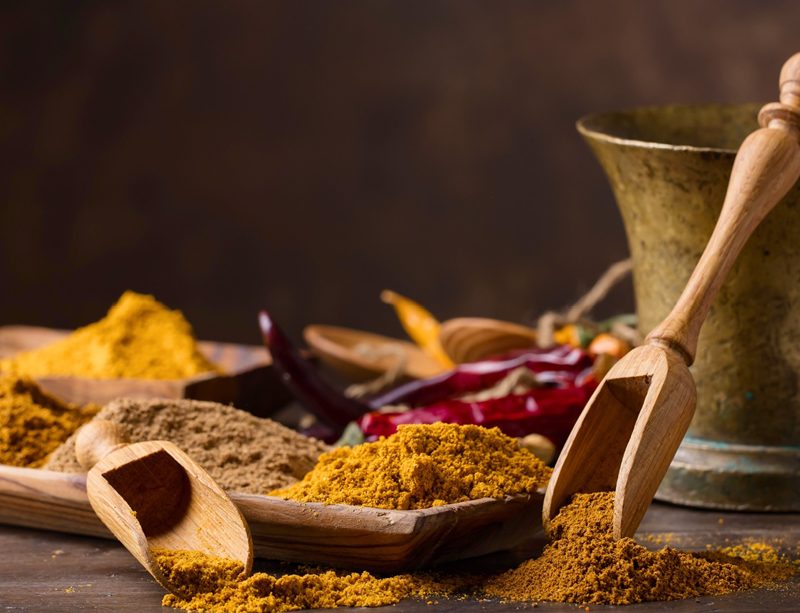
The dye in turmeric root is one of the most powerful anti-inflammatory substances. At the same time, it has a very positive effect on both gene methylation rates and microRNA regulation, and can therefore directly target the epigenetic causes of inflammatory disease. A beneficial effect has been observed in both Corohn’s disease and ulcerative colitis.
Omega-3 unsaturated fatty acids
These substances also have significant anti-inflammatory effects and the ability to influence the rate of gene methylation, and patients with inflammatory bowel disease often show a deficiency. In addition, the mucosa of the gastrointestinal tract is very sensitive to omega-3s, which suppress the production of inflammatory cytokines and nuclear factor NF-kB, which also plays a role in inflammatory reactions. In addition, two of these acids, ALA and DHA, have been shown to reduce the pain that accompanies inflammatory bowel disease.
Rosemary
Also, this herb combines strong anti-inflammatory and pain-relieving effects and, in addition, has a healing effect on the damaged intestinal mucosa, where it can alleviate macroscopic and microscopic lesions. These positive effects have been demonstrated for both the leaf extract of the plant and the essential oil. This is mainly due to the content of rosmarinic acid and ursolic acid, which are substances with strong epigenetic effects.
Vitamin D3
This vitamin with epigenetic action affects a number of immune functions. Although its direct beneficial effect on the prevention or treatment of inflammatory bowel diseases has not been reliably confirmed, its deficiency has been demonstrated in 82% of patients suffering from these diseases (compared to 31% in the general population). Its supplementation through dietary supplements is therefore certainly advisable.
Minerals and trace elements
Many of them are characterized by epigenetic effects. For example, zinc (controls the process of T-lymphocyte activation), selenium (influences antibody production) and iron (its deficiency affects T-lymphocyte function and the production of inflammatory cytokines) play important roles.
Overall dietary modification is also advisable – dietary composition is one of the most important epigenetic factors. In inflammatory bowel disease, for example, the diet developed as early as 1951 by Sidney Haas is often recommended, which consists in limiting the intake of carbohydrates in the diet. Here, monosaccharides (fruit, honey) are allowed, but disaccharides (sucrose, i.e., regular sugar) are prohibited, and polysaccharides (i.e., starch) are also severely restricted. The positive epigenetic effect of the so-called Mediterranean diet has also been demonstrated – research has shown that it leads in particular to changes in the methylation of genes related to inflammatory processes. A diet rich in probiotics and probiotics also has a positive effect.
0:00
/
0:00
Stárnutí je volba
Klíčová slova: autophagy, boswellia-serrata, Crohn's disease, curcumin, DNA, epigenetics, inflammation, interleukin, omega-3, rosmarinic, ulcerative colitis, Vitamin D3
Komentáře
Seznam zdrojů
- Loftus EV., Jr Clinical epidemiology of inflammatory bowel disease: Incidence, prevalence, and environmental influences. Gastroenterology. 2004;126:1504–1517
- Xavier RJ, Podolsky DK. Unravelling the pathogenesis of inflammatory bowel disease. Nature. 2007;448:427–434.
- Jostins L, Ripke S, Weersma RK, et al. Host-microbe interactions have shaped the genetic architecture of inflammatory bowel disease. Nature. 2012;491:119–124.
- Gloria L, Cravo M, Pinto A, et al. DNA hypomethylation and proliferative activity are increased in the rectal mucosa of patients with long-standing ulcerative colitis. Cancer. 1996;78:2300–2306.
- Hsieh CJ, Klump B, Holzmann K, Borchard F, Gregor M, Porschen R. Hypermethylation of the p16INK4a promoter in colectomy specimens of patients with long-standing and extensive ulcerative colitis. Cancer Res. 1998;58:3942–3945.
- Tahara T, Shibata T, Nakamura M, et al. Effect of MDR1 gene promoter methylation in patients with ulcerative colitis. Int J Mol Med. 2009;23:521–527.
- Lin Z, Hegarty JP, Cappel JA, et al. Identification of diseaseassociated DNA methylation in intestinal tissues from patients with inflammatory bowel disease. Clin Genet. 2011;80:59–67.
- Cooke J, Zhang H, Greger L, et al. Mucosal genome-wide methylation changes in inflammatory bowel disease. Inflamm Bowel Dis. 2012;18:2128–2137.
- Saito S, Kato J, Hiraoka S, et al. DNA methylation of colon mucosa in ulcerative colitis patients: correlation with inflammatory status. Inflamm Bowel Dis. 2011;17:1955–1965
- Wu F., Zikusoka M., Trinidade A. et al.: MicroRNAs are differentialy expressed in ulcerative colitis and alter expression of macrophage inflammatory peptide-2α. Gastroenterology 135, 1624–1635 (2008)
- Nguyen H. T. T., Dalmasso G., Yan Y. et al.: MicroRNA-7 modulates CD98 expression dutiny intestinal epithelial.
- Crawford A., Wilson D. Essential metals at the host-pathogen interface: Nutritional immunity and micronutrient assimilation by human fungal pathogens. FEMS Yeast Res. 2015;15:fov071. doi: 10.1093/femsyr/fov071.
- Huang Z., Rose A.H., Hoffmann P.R. The role of selenium in inflammation and immunity: From molecular mechanisms to therapeutic opportunities. Antioxid. Redox Signal. 2012;16:705–743. doi: 10.1089/ars.2011.4145.
- Seril D.N., Liao J., West A.B., Yang G.Y. High-iron diet: Foe or feat in ulcerative colitis and ulcerative colitis-associated carcinogenesis. J. Clin. Gastroenterol. 2006;40:391–397. doi: 10.1097/00004836-200605000-00006.
- Nieves R., Jackson R.T. Specific carbohydrate diet in treatment of inflammatory bowel disease. Tenn. Med. 2004;97:407.
- Arpon A., Riezu-Boj J.I., Milagro F.I., Razquin C., Martinez-Gonzalez M.A., Corella D., Estruch R., Casas R., Fito M., Ros E., et al. Adherence to Mediterranean diet is associated with methylation changes in inflammation-related genes in peripheral blood cells. J. Phys. Biochem. 2017;73:455. doi: 10.1007/s13105-017-0552-6.
- Gupta I, Parihar A, Malhotra P, et al. Effects of Boswellia serrata gum resin in patients with ulcerative colitis. Eur J Med Res. 1997 Jan;2(1):37-43.
- Baliga, M.S., Joseph, N., Venkataranganna, M.V., Saxena, A., Ponemone, V., Fayad, R., 2012. Curcumin, an active component of turmeric in the prevention and treatment of ulcerative colitis: preclinical and clinical observations. Food & Function 3
- Mouzaoui, S., Rahim, I., Djerdjouri, B., 2012. Aminoguanidine and curcumin attenuated tumor necrosis factor (TNF)-alphainduced oxidative stress, colitis and hepatotoxicity in mice. International Immunopharmacology 12, 302e311.
- Fiala M, Halder RC, Sagong B, et al. ω-3 Supplementation increases amyloid-βphagocytosis and resolvin D1 in patients with minor cognitive impairment. FASEB J. 2015;29:2681–2689.
- Wang X, Hjorth E, Vedin I, et al. Effects of n-3 FA supplementation on the release of pro-resolving lipid mediators by blood mononuclear cells: the OmegAD study. J Lipid Res. 2015;56:674–681
- Seki H, Sasaki T, Ueda T, Arita M. Resolvins as regulators of the immune system. Sci World J. 2010;10:818–831.
- Generoso SV, Rodrigues NM, Trindade LM, et al. Dietary supplementation with omega-3 fatty acid attenuates 5-fluorouracil induced mucositis in mice. Lipids Health Dis. 2015;14:54.
- Uchiyama K, Nakamura M, Odahara S, et al. N-3 polyunsaturated fatty acid diet therapy for patients with inflammatory bowel disease. Inflamm Bowel Dis. 2010;16:1696–1707.
- Nakamoto K, Nishinaka T, Mankura M, Fujita-Hamabe W, Tokuyama S. Antinociceptive effects of docosahexaenoic acid against various pain stimuli in mice. Biol Pharm Bull. 2010;33:1070–1072.
- Tokuyama S, Nakamoto K. Unsaturated fatty acids and pain. Biol Pharm Bull. 2011;34:1174–1178.
- Minaiyan, A. R. Ghannadi, M. Afsharipour, P. Mahzouni. Effects of extract and essential oil of Rosmarinus officinalisL. on TNBS-induced colitis in rats. Res Pharm Sci. 2011 Jan-Jun; 6(1): 13–21.