Bechterew’s disease: How can epigenetics help?
epivyziva.cz/
Zobrazeno: 2,199

A constant life of pain that complicates the slightest movement and normal functioning. This is the daily reality of people suffering from Bechterew’s disease. Can it be prevented in carriers of risk genes? And how to alleviate the symptoms of the disease itself?
At first, pain and stiffness start to appear more and more often, especially in the early morning hours. Very often this is mainly in the area of the SI joint, which connects the sacrum to the pelvis, but it can also occur in other parts of the spine. These are the first manifestations of so-called Bechterew’s disease or ankylosing spondylitis. Gradually, the stiffness increases and affects larger and larger areas of the spine. The pain becomes unbearable, often shooting up into the limbs, and it is often difficult for the sufferer to walk a few dozen metres. Over time, a so-called bamboo spine can develop, where the cartilaginous intervertebral discs turn into bone.
In addition, other complications are often added gradually. Approximately half of the patients develop inflammation of the anterior chamber of the eye, which causes pain and redness of the eyes, excessive occurrence of the so-called opacities, which complicate vision, and increased sensitivity to light. There are also problems with the cardiovascular system, such as inflammatory conditions of the aorta and valves or disorders of the conduction system by which the heart regulates its activity. The lungs and digestive system may also be affected and men are at increased risk of prostatitis.
Runner’s disease affects men more often. Usually, the first symptoms appear in early adulthood.
What are our genes responsible for?
Bechterew’s disease is one of the diseases with a high degree of heredity. A gene called HLA-B 27 plays a key role in the development of the disease. If a child inherits it from one of his or her parents, he or she has a 78% risk of developing Bechterew’s disease (this is called dominant inheritance, i.e. if the variant is inherited from both parents, the risk does not increase).
78% risk is a lot. However, there’s still a 22% chance that the person in question won’t get sick after all. And it is in these percentages that epigenetic influences play a big role. These are external influences, particularly from lifestyle, that trigger biochemical reactions in the body that ultimately affect the activity of a number of genes in our bodies.
Epigenetic influences and factors
Epigenetic influences may also be involved in the production of a protein called DKK-1, which most likely plays a significant role in the development of the disease. According to research, its level is significantly increased in people with Bechterew’s disease. DKK-1 functions as a signalling molecule, i.e. it is involved in the process of transmitting information that influences cell behaviour.
The mechanism by which DKK-1 influences the development of the disease itself has not yet been fully described. However, from the studies carried out so far, it appears that an excess of this protein negatively affects the production of another type of protein known as Wnt, which is essential for normal bone metabolism. When Wnt protein production is reduced, osteoblast formation, a type of bone cell, is reduced and massive apoptosis (i.e. cell death) of immature osteoblasts occurs. DKK-1, in turn, activates another type of bone cell, osteoclasts, thus disrupting the balance of bone formation and degradation.
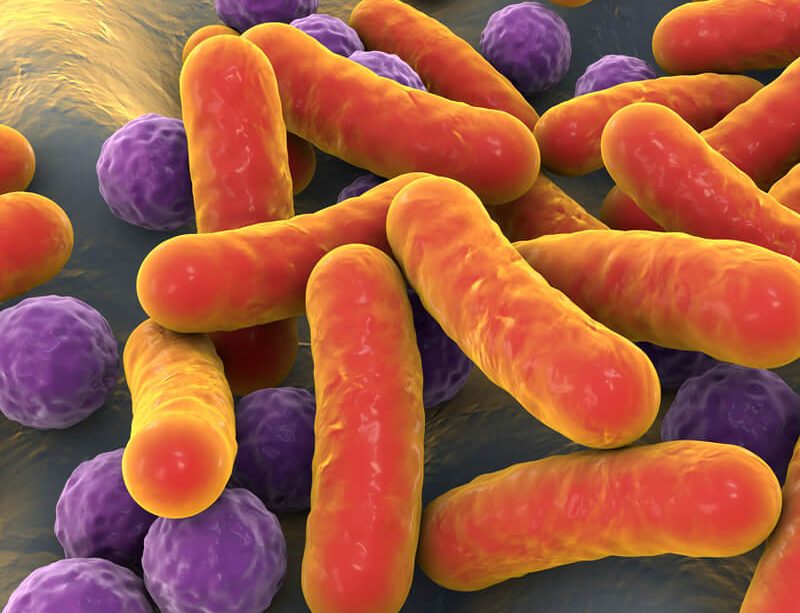
Pro-inflammatory cytokines, which are also signaling molecules, are also involved in the development of the disease. These are mainly interleukins numbered 23 and 17, which promote the development of inflammatory processes in the body. Differences are also found in the immune cells, especially in T-cells and dendritic cells. In addition, recent research suggests that a poorly functioning gut microbiome may contribute to the development of the disease.
Mesenchymal stem cells play an interesting role in the development of the disease. These are as yet unspecialised cells that can develop into different types of specialised cells – for example, fat cells, muscle cells, but also bone or cartilage cells. In addition, these stem cells are able to produce the protein MPC-1, which can significantly influence the activity of both types of bone cells, i.e. osteoblasts and osteoclasts. It is MPC-1 that is involved in the development of a number of diseases – in addition to Bechterew’s disease, these include psoriasis, rheumatoid arthritis and atherosclerosis.
Diet modification is essential
The pharmaceutical industry is already trying to translate the above findings into the development of drugs that would affect the epigenetic mechanisms of Bechterew’s disease. However, it is true that epigenetic reactions can also be influenced quite effectively by lifestyle changes. In the case of this disease, this is also true, whether in the context of prevention or symptom alleviation. Diet is particularly important in this respect.
Bechterew’s disease is one of the diseases with a high rate of chronic inflammatory processes, so the body responds very well to an anti-inflammatory diet. It is particularly beneficial to limit carbohydrates in the diet – this is especially true for those patients who also suffer from digestive problems. This is not just about sweets, but also about high starch, low fibre foods (white bread, pasta, potatoes, etc.). There are theories that it is starch that feeds on a certain type of bacteria in the gut microbiome that can be a trigger for disease. However, this theory has not been reliably proven, and many experts are therefore sceptical of a low-starch diet for Bechterew’s disease. However, limiting foods with a high glycemic index and replacing them with whole grains is certainly a good step.
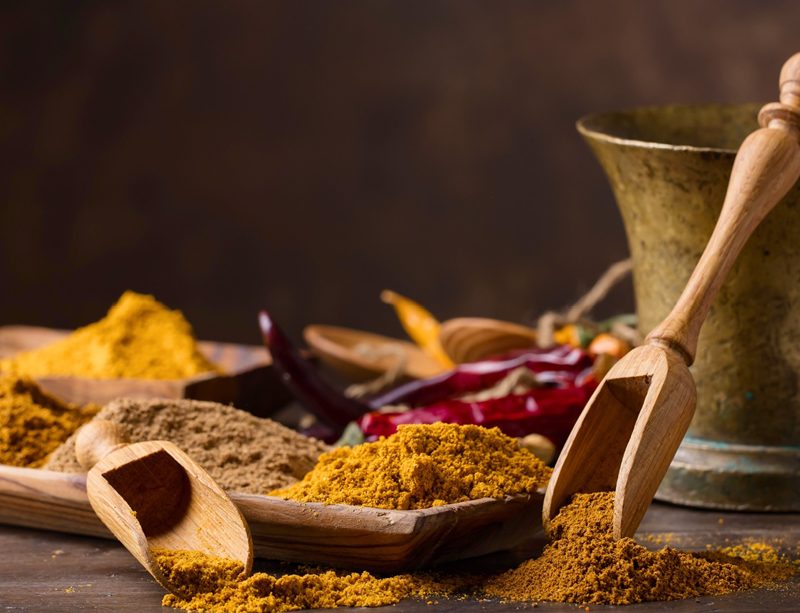
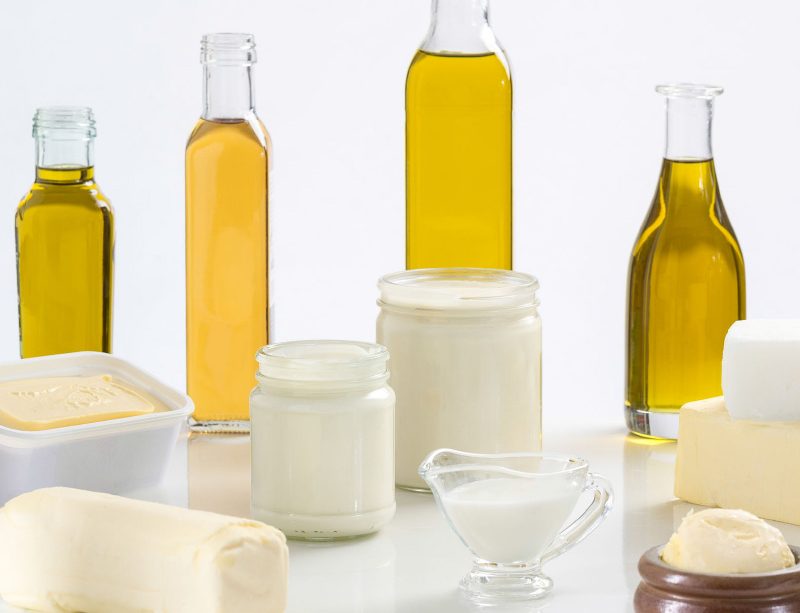
Too much salt (i.e. sodium) is also harmful, dark meat should be limited and excessive intake of fats, especially saturated ones, should be avoided. On the other hand, anti-inflammatory ingredients should be added to the diet, especially vegetables, olive oil, garlic, fish and spices with anti-inflammatory properties (rosemary, turmeric, ginger, basil, sage and many others).
Will it help to cut out milk?
In some cases, it is also advisable to limit the consumption of dairy products. In one study, 52% of patients experienced a reduction in their symptoms after eliminating them from their diet, so much so that most of them were even able to stop taking anti-inflammatory drugs. However, the other half of the subjects did not experience any improvement. The effect of this dietary measure may be related to lactose tolerance, but given the 50% chance of improvement mentioned above, it is worth at least trying the elimination of dairy products.
In Bechterew’s disease, care should be taken to ensure sufficient calcium intake. If the patient decides to exclude dairy products from the diet, he should consume other sources of this element in sufficient quantities – these can be nuts and seeds (poppy seeds are great, for example), sardines, vegetables with dark green leaves, tofu, etc. Adequate intake of zinc and copper is also important. A diet high in antioxidants is also generally protective.
Alcohol should be handled with care. Although its direct negative effect on the disease has not been proven, it is generally accepted that hard alcohol in particular has a negative effect on bone health and can also significantly impair the absorption of many important nutrients.
It is also desirable in the case of overweight to obesity to reduce body weight. This not only provides relief for the joints, but usually also reduces the intensity of symptoms. Regular physical activity is very useful. Although a large proportion of patients find it extremely difficult to move due to pain, regular physical exercise has a significant positive epigenetic effect, not to mention that a combination of regular weight training and stretching can significantly slow down the negative impact of the disease on the musculoskeletal system.
Useful dietary supplements
Vitamin D3 – for virtually all autoimmune diseases, people who suffer from them overwhelmingly have reduced levels of this vitamin in their bodies. In addition, a 2015 study showed that vitamin D3 significantly reduces the risk of developing Bechterew’s disease. D can also reduce the intensity of symptoms in people who already have the disease.
Omega-3 – sufficient intake of these unsaturated fatty acids should be taken into account in the prevention and treatment of virtually all diseases whose cause or consequence is chronic inflammation (at the same time, it is necessary to focus on reducing the intake of omega-6). They have also been shown to be beneficial in Bechterew’s disease – for example, higher doses (above 4.5 g per day) have been shown in research to significantly reduce the BASDAI index, which measures disease activity.
Curcumin – the dye contained in turmeric root is one of the strongest natural anti-inflammatory agents ever, and can also be quite effective in relieving pain. For this reason, curcumin is successfully used in most autoimmune diseases and is also suitable for Bechterew’s disease.
Ginger – another extremely powerful natural anti-inflammatory agent. Its effectiveness in Bechterew’s disease has not yet been reliably confirmed, but given its effectiveness in other inflammatory autoimmune diseases, it can be assumed.
Probiotics – their effect has also not yet been reliably demonstrated, with only one small study showing improvement in some aspects of the disease (and a reduction in BASDAI) with a mixture of Lactobacillus acidophilus and Lactobacillus salivarius. However, given the growing body of research on the importance of the gut microbiome in the development of autoimmune diseases (not including Runter’s disease), it is worth considering the use of probiotics, or at least the regular inclusion of their food sources in the diet.
0:00
/
0:00
Stárnutí je volba
Klíčová slova: autoimmune diseases, Bechterew's disease, curcumin, dairy products, ginger, gut microbiome, heredity, inflammation, nutrition, omega-3, osteoblasts, osteoclasts, probiotics, Vitamin D3
Komentáře
Seznam zdrojů
- Li Zhang, Hui Ouyang, Zhen Xie, Zhi-Hui Liang, Xiong-Wen Wu. Serum DKK-1 level in the development of ankylosing spondylitis and rheumatic arthritis: a meta-analysis. Experimental & Molecular Medicine volume48, pagee228 (2016).
- Friedrich C. Luft. Mesenchymal stem cells provide novel insights into ankylosing spondylitis. Journal of Molecular Medicine, February 2017, Volume 95, Issue 2, pp 119–121.
- Taurog JD, Chhabra A, Colbert RA (2016) Ankylosing spondylitis and axial spondyloarthritis. N Engl J Med 374(26):2563–2574
- Mahmoudi M, Aslani S, Nicknam MH, Karami J, Jamshidi AR (2016) New insights toward the pathogenesis of ankylosing spondylitis; genetic variations and epigenetic modifications. Mod Rheumatol 18:1–12
- Diarra D, Stolina M, Polzer K, Zwerina J, Ominsky MS, Dwyer D et al. Dickkopf-1 is a master regulator of joint remodeling. Nat Med2007; 13: 156–163.
- Gavriatopoulou M, Dimopoulos MA, Christoulas D, Migkou M, Iakovaki M, Gkotzamanidou M et al. Dickkopf-1: a suitable target for the management of myeloma bone disease. Expert Opin Ther Targets 2009; 13: 839–848.
- Heath DJ, Chantry AD, Buckle CH, Coulton L, Shaughnessy JD Jr, Evans HR et al. Inhibiting Dickkopf-1 (DKK1) removes suppression of bone formation and prevents the development of osteolytic bone disease in multiple myeloma. J Bone Min Res 2009; 24: 425–436.
- Pinzone JJ, Hall BM, Thudi NK, Vonau M, Qiang YW, Rosol TJ et al. The role of Dickkopf-1 in bone development, homeostasis, and disease. Blood 2009; 113: 517–525.
- Smith JA, Colbert RA (2014) The interleukin-23/interleukin-17 axis in spondyloarthritis pathogenesis: Th17 and beyond. Arthritis Rheumatol 66:231–241
- Yeremenko N, Paramarta JE, Baeten D (2014) The interleukin-23/interleukin-17 immune axis as a promising new target in the treatment of spondyloarthritis. Curr Opin Rheumatol 26:361–370
- Xie Z, Wang P, Li J, Li Y, Wang S, Wu X, Sun S, Cen S, Su H, Deng W et al (2016) MCP1 triggers monocyte dysfunction during abnormal osteogenic differentiation of mesenchymal stem cells in ankylosing spondylitis. J Mol Med.
- Xie Z, Wang P, Li Y, Deng W, Zhang X, Su H, Li D, Wu Y, Shen H (2016) Imbalance between bone morphogenetic protein 2 and Noggin induces abnormal osteogenic differentiation of mesenchymal stem cells in ankylosing spondylitis. Arthritis Rheumatol 68(2):430–440
- Jayne Leonard. Diet tips for managing ankylosing spondylitis. Medical News Today. 24 May 2017. https://www.medicalnewstoday.com/articles/317610.php
- Taha Rashid, Clyde Wilson, and Alan Ebringer. The Link between Ankylosing Spondylitis, Crohn’s Disease, Klebsiella, and Starch Consumption. Clin Dev Immunol. 2013; 2013: 872632.
- Cai G, Wang L, Fan D, Xin L, Liu L, Hu Y, Ding N, Xu S, Xia G, Jin X, Xu J, Zou Y, Pan F Vitamin D in ankylosing spondylitis: review and meta-analysis. Clin Chim Acta. 2015 Jan 1;438:316-22.
- Jurenka JS. Anti-inflammatory properties of curcumin, a major constituent of Curcuma longa: a review of preclinical and clinical research. Altern Med Rev. 2009 Jun;14(2):141-53.
- Sundström B, Stålnacke K, Hagfors L, Johansson G. Supplementation of omega-3 fatty acids in patients with ankylosing spondylitis. Scand J Rheumatol. 2006 Sep-Oct;35(5):359-62.
- Tatiana V. Macfarlane, Hadeel M. Abbood, Ejaz Pathan, Katy Gordon, Juliane Hinz, and Gary J. Macfarlan.eRelationship between diet and ankylosing spondylitis: A systematic review. Eur J Rheumatol. 2018 Mar; 5(1): 45–52.