Colourful food looks much better on the plate than a grey-brown mass, but that’s not the only reason why we should prefer the former. In fact, predominantly vegetable dyes have a number of beneficial effects on human health, including the ability to regulate the activity of many of our important genes. So what colours should we indulge in?
Yellow
This colour has several substances with positive effects on health.
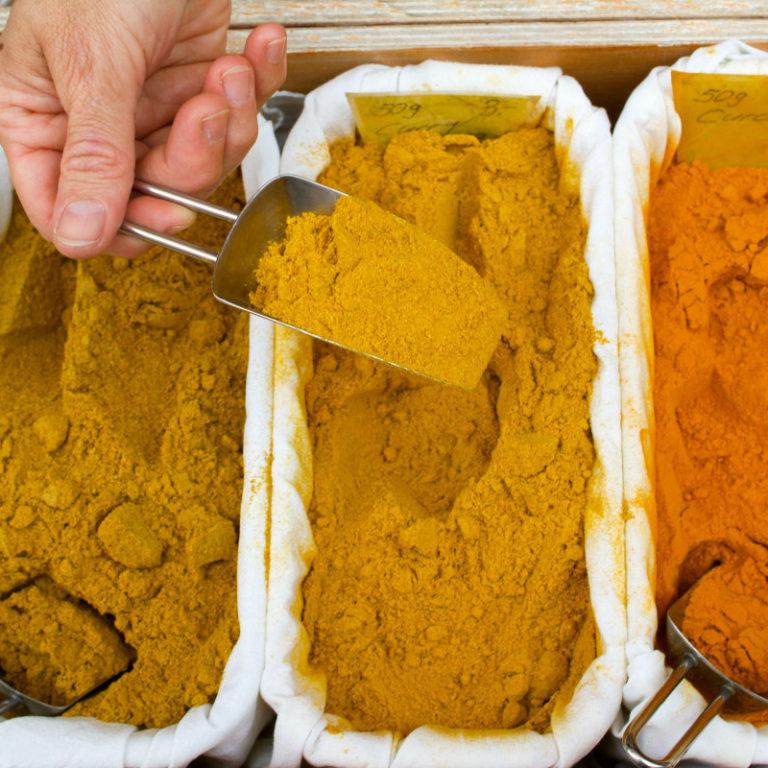
Curcumin – the dye contained in turmeric root is one of the most powerful natural anti-inflammatory agents ever. It can effectively influence virtually all epigenetic reactions, i.e. those through which the activity of individual genes is regulated in the body. It has significant anti-cancer effects, promotes joint health, is a great tool in the prevention and treatment of diabetes and many autoimmune diseases (rheumatoid arthritis, Crohn’s disease, Bechterew’s disease, etc.). It has a positive effect on the prostate gland, reduces hair loss in men and promotes weight loss.
Quercetin – this light yellow dye excels in its antioxidant effects. It is also anti-cancer, anti-inflammatory, useful in the prevention and treatment of diabetes, helps to lose weight, has a positive effect on the health of the heart and blood vessels and promotes athletic performance, especially in endurance sports. It is found in a variety of fruits and vegetables, but is found in higher concentrations to achieve epigenetic effects, so it is advisable to take it in the form of dietary supplements.
Lutein and zeaxanthin – these are two structurally related dyes from the carotenoid family, which are found, for example, in egg yolks, in some yellow fruits and vegetables (e.g. apricots), but also in leafy vegetables (e.g. spinach), where they are covered by chlorophyll. These are very powerful antioxidants that are known to have a particular effect on eye health. However, recent research has also shown their epigenetic effects. For example, they are essential for the development of the nervous system of children, support their cognitive development and have anticancer effects.
Orange
Beta-carotene – this substance from the carotenoid group is one of the well-known nutrients. It is a very powerful antioxidant, which, according to recent research, also has epigenetic effects, especially as a cancer preventive agent. Carrots are the best known source of carotene, but it is also found in many other crops, such as pumpkins and sweet potatoes.
Astaxanthin – this substance, again belonging to the carotenoids, differs from the other nutrients in this article in one important respect: it is not of plant but also of animal origin. It is mainly found in fish and seafood with orange flesh (salmon, prawns, lobster, etc.) and is obtained from seaweed for the production of food supplements. Astaxanthin is not only a very powerful antioxidant, but also has significant immunostimulatory effects, and is also an epigenetically acting nutrient. It is particularly beneficial for eye health, but it is also beneficial for heart and blood vessels, weight loss, immunity and cancer prevention. Read more here(https://www.epivyziva.cz/astaxantin/)
Red
Lycopene – the best known source of this colouring is tomatoes, but it can also be found in melon, pink grapefruit and apricots, for example. Lycopene also combines significant antioxidant and epigenetic effects. Its anti-cancer action is the best studied – it mainly limits the so-called proliferation, i.e. the rapid uncontrolled multiplication of cells. However, it also has extensive positive effects on the digestive system.
Resveratrol, a dye found in red wine, has extensive epigenetic effects. It helps to slow the aging process, has anti-cancer effects (it reduces proliferation, and in turn promotes apoptosis or programmed cell death), positively affects cardiovascular health, promotes mental performance and memory, helps with Alzheimer’s disease, and helps increase fertility, especially in older women. (Read more here : https://www.epivyziva.cz/resveratrol/)
Violet
Anthocyanins – these dyes from the polyphenol family are mainly found in berries (blueberries, blackberries, raspberries, currants…). They are powerful antioxidants with significant anti-inflammatory effects, which have an anti-cancer effect and effectively support, for example, recovery after sports.
Green
Chlorophyll – although epigenetic effects have not yet been demonstrated for this green plant dye, its health effects are quite extensive. For example, it promotes wound healing, has a positive effect on the mucous membranes of the entire digestive system, has disinfectant and antibacterial effects and helps to alleviate unpleasant body odours. It can be found in all vegetables with green leaves, and green foods such as young barley and chlorella are very rich sources.