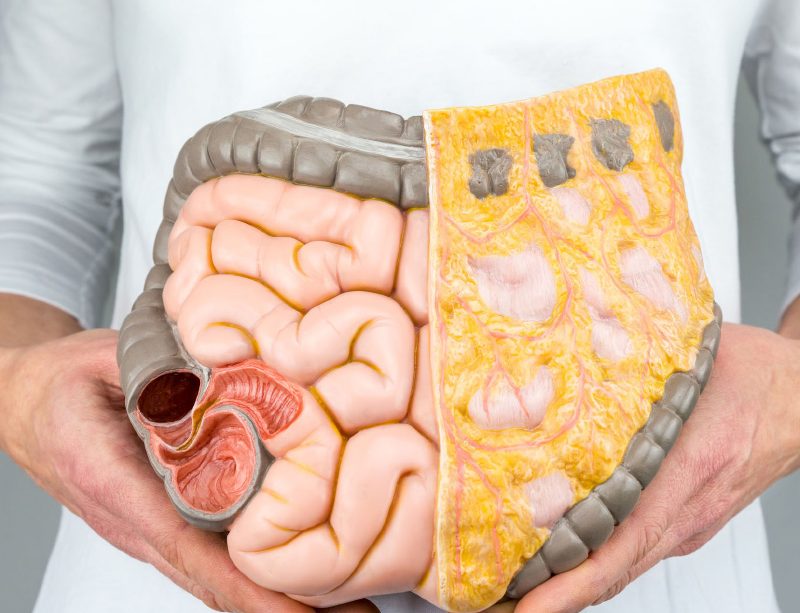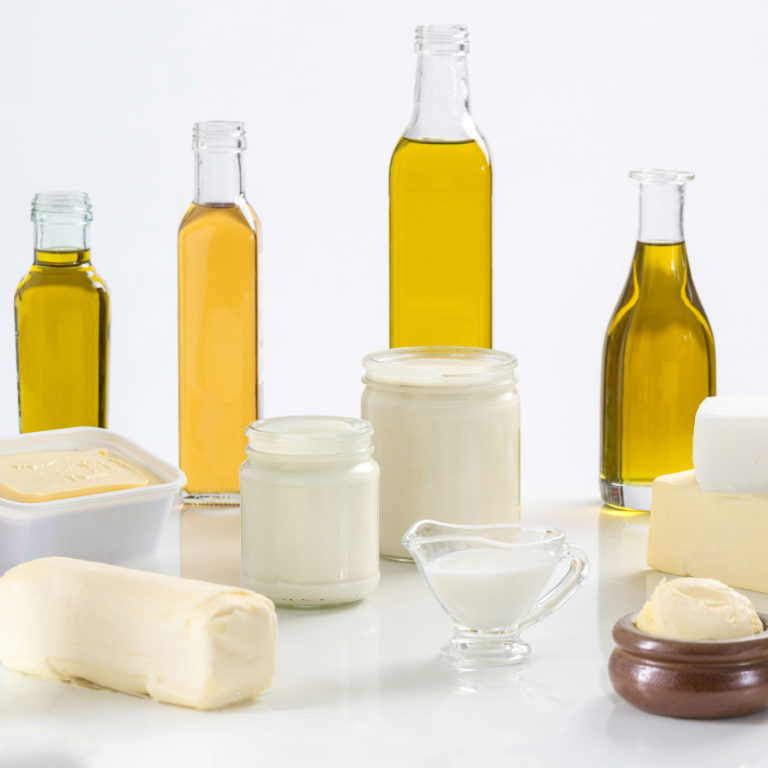
At the outset, it should be said that there is indeed a body of research demonstrating the negative impact of a high fat diet. This factor can even significantly influence epigenetic reactions in our body, which in turn suppress or promote the activity of certain genes in our DNA. Moreover, this factor may have influenced our health not only long before we were born, but even before we were conceived.
For example, one of the interesting studies was carried out on octopuses. These flies are very often used in scientific studies because their DNA is surprisingly similar to human DNA, and they have a short life cycle, so they can easily be studied several generations in a row.
In this study, female octopuses were fed a high-fat diet, which led to rapid weight gain and changes typical of heart disease. However, the same problems plagued their daughters and granddaughters, even though they were already fed a normal diet. In all three generations of flies, the researchers observed, among other things, reduced activity of genes known as bmm and PCG-1, which are responsible for protecting the heart.
This means that the high fat intake triggered epigenetic reactions in the first generation of octopuses, which suppressed the activity of these genes. The genes in their sex cells were also affected, and the changes were then passed on to their offspring, adversely affecting their health.
Further research, this time on rats, showed that the same was true of fathers’ diets. Here too, a high-fat diet caused not only obesity in male rats, but also epigenetic changes that were passed on to their offspring, who had a greater tendency to gain weight and impaired sugar metabolism, which increased their risk of diabetes.
However, a crucial period for epigenetic programming is the period of intrauterine development. The influences exerted here on the rapidly developing child can have a profound effect on its health and, in general, on its entire development from birth to adulthood, and this is especially true for the nutrition of its mother.
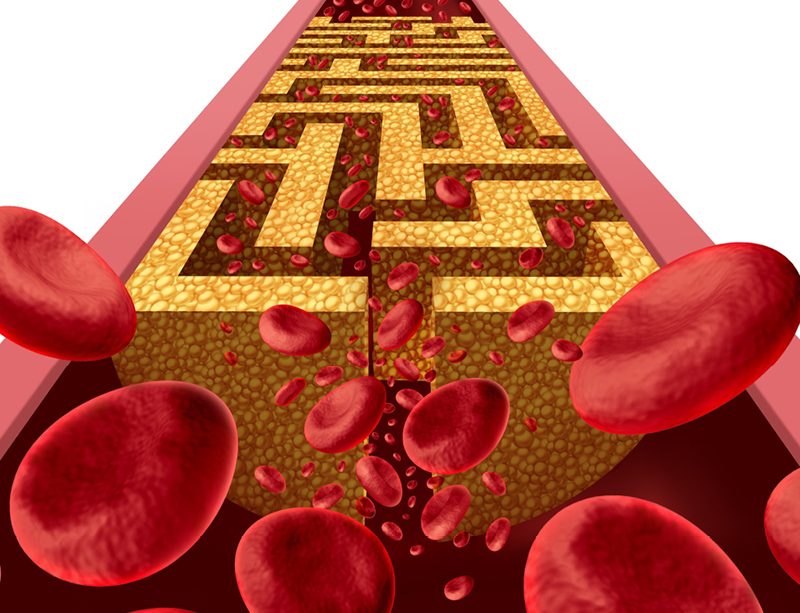
Therefore, it is also not surprising that excessive maternal fat intake during pregnancy has an even more negative effect on the health of the offspring. Thus, studies in rats that focused on monitoring female offspring on a high-fat diet clearly showed that the offspring had epigenetic effects on the activity of important genes, resulting in a higher risk of overweight, diabetes and vascular disease later in life. Again, these were changes that were passed on to the next generation. Although the results of animal studies can never be applied 100% to humans, it is certainly true that people who are planning to have offspring should be particularly careful about their diet in general and its fat content. In addition, some studies have suggested similar links in humans – pregnant women’s diets rich in fats and sugars are likely to increase the risk of not only obesity and metabolic disorders, but even ADHD (i.e. hyperactivity) in children.
At the same time, however, one very important thing must be mentioned: in most of the studies mentioned above, the experimental animals gained weight as a result of a diet rich in fat. It is true that obesity itself has very strong negative epigenetic effects, so that it is not possible to say unequivocally whether the activity of important genes was affected by high fat intake or by obesity. In addition, adipose tissue produces some important hormones (especially leptin and adiponectin) and their different levels can, especially in obese pregnant women, quite significantly affect the metabolism of the baby in the womb.
In addition, there are also studies (and not only in animals) that show that if the body is regularly exposed to physical activity in the form of aerobic exercise during pregnancy, it can eliminate the negative effects of excessive fat intake and significantly reduce the risk of obesity and chronic diseases in the offspring.
The results of some studies that have focused on high fat intake in later life are also rather ambiguous. It is true that there are a number of studies that link long-term excessive fat consumption (especially saturated fat) with the risk of certain cancers – in particular bowel, prostate and ovarian cancer. Again, however, it is not entirely clear how much weight and other lifestyle factors play a role.
However, one study that has mapped the effect of diets with different fat contents on people trying to lose weight is interesting from this perspective. While individuals who received a low- or medium-fat diet experienced improvements in some cardiovascular disease risk factors (HDL andLDL-cholesterol, triglycerides and homocysteine), while volunteers consuming a high-fat diet experienced a worsening of all risk factors studied, despite experiencing statistically significant weight loss. Thus, this result indicates that excessive fat intake is likely to be harmful in itself, not just in the context of obesity.
However, we must not forget that the intake of certain fats, especially those containing unsaturated fatty acids, is essential for our health. This is especially true for omega-3 unsaturated fatty acids, which are essential for the proper development of the nervous system in children, and insufficient intake increases the risk of inflammatory processes, cardiovascular disease, Alzheimer’s disease and other problems (more here: https://www.epivyziva.cz/omega-3-nenasycene-mastne-kyseliny/ and here: https://www.epivyziva.cz/deti-kterym-to-pali-jak-zlepsit-detske-zdravi/)
Vegetable oils, nuts and seeds are also sources of essential unsaturated fatty acids, which our bodies cannot do without, as well as vitamin E and other fat-soluble nutrients. And animal fats are not to be avoided completely, especially if they come from animals fed a natural plant-based diet (i.e. mainly free-range). For example, they are an important source of vitamin K2, which is essential for bone and vascular health, and yet deficiency is very common in the population (more here: https://www.epivyziva.cz/vitamin-k2/).
Fats simply belong in our diet, it’s just a matter of maintaining a reasonable level of their intake and also giving preference to the really good ones: virgin vegetable oils, fish oil and animal fats from free-range animals. And, of course, we should also take care to modify other factors that can negatively contribute to changes in the activity of genes in our DNA, be it lack of exercise, excessive intake of sugars or alcohol, smoking or prolonged exposure to stress.
PŘIHLASTE SE K ODBĚRU NOVINEK A MĚJTE VŽDY ČERSTVÉ INFORMACE
| Cookie | Duration | Description |
|---|---|---|
| cookielawinfo-checkbox-analytics | 11 měsíců | Tento soubor cookie je nastaven pluginem GDPR Cookie Consent. Soubor cookie se používá k uložení souhlasu uživatele s používáním souborů cookie v kategorii „Analytika“. |
| cookielawinfo-checkbox-functional | 11 měsíců | Soubor cookie je nastaven na základě souhlasu s cookie GDPR k zaznamenání souhlasu uživatele pro soubory cookie v kategorii „Funkční“. |
| cookielawinfo-checkbox-necessary | 11 měsíců | Tento soubor cookie je nastaven pluginem GDPR Cookie Consent. Cookies slouží k uložení souhlasu uživatele s cookies v kategorii „Nezbytné“. |
| cookielawinfo-checkbox-others | 11 měsíců | Tento soubor cookie je nastaven pluginem GDPR Cookie Consent. Cookie se používá k uložení souhlasu uživatele s cookies v kategorii „Jiné. |
| cookielawinfo-checkbox-performance | 11 měsíců | Tento soubor cookie je nastaven pluginem GDPR Cookie Consent. Cookie se používá k uložení souhlasu uživatele s cookies v kategorii „Výkon“. |
| elementor | nikdy | Tento soubor cookie používá téma WordPress webu. Umožňuje vlastníkovi webu implementovat nebo měnit obsah webu v reálném čase. |
| viewed_cookie_policy | 11 měsíců | Soubor cookie je nastaven pluginem GDPR Cookie Consent a používá se k uložení, zda uživatel souhlasil nebo nesouhlasil s používáním souborů cookie. Neukládá žádné osobní údaje. |
| Cookie | Duration | Description |
|---|---|---|
| sb | 2 roky | Tento soubor cookie používá Facebook ke kontrole svých funkcí, shromažďování jazykových nastavení a sdílení stránek. |
| Cookie | Duration | Description |
|---|---|---|
| _ga | 2 roky | Soubor _ga cookie, nainstalovaný službou Google Analytics, vypočítává údaje o návštěvnících, relacích a kampaních a také sleduje využití webu pro analytický přehled webu. Soubor cookie ukládá informace anonymně a přiřazuje náhodně vygenerované číslo k rozpoznání unikátních návštěvníků. |
| _gat_gtag_UA_71041054_1 | 1 minuta | Nastaveno Googlem k rozlišení uživatelů. |
| _gid | 1 den | Soubor cookie _gid nainstalovaný službou Google Analytics ukládá informace o tom, jak návštěvníci používají webovou stránku, a zároveň vytváří analytickou zprávu o výkonu webu. Některá data, která jsou shromažďována, zahrnují počet návštěvníků, jejich zdroj a stránky, které anonymně navštěvují. |
| Cookie | Duration | Description |
|---|---|---|
| fr | 3 měsíce | Facebook nastavuje tento soubor cookie tak, aby uživatelům zobrazoval relevantní reklamy sledováním chování uživatelů na webu, na stránkách, které mají Facebook pixel nebo sociální plugin Facebooku. |
| _fbp | 3 měsíce | Tento soubor cookie je nastaven společností Facebook, aby po návštěvě webové stránky zobrazoval reklamy na Facebooku nebo na digitální platformě založené na reklamě na Facebooku. |
| Cookie | Duration | Description |
|---|---|---|
| pvc_visits[0] | 1 minuta | Tento soubor cookie vytváří počítadlo po zhlédnutí. Tento soubor cookie se používá k počítání počtu návštěv příspěvku. Pomáhá také zabránit opakovanému zobrazení příspěvku návštěvníkem. |