AMPK belongs to a family of enzymes called protein kinases. It is produced almost constantly in our body, in many places – in muscles, in the brain (especially in the hypothalamus), in the liver or in adipose tissue and is involved in many key processes in the body.
It is a substance that our body produces quite naturally. However, although it has a positive effect on a number of key processes in the body, it makes little sense to use it as a dietary supplement – its basis is protein, which is broken down into individual amino acids in the digestive process. However, we can naturally increase the activity of the genes responsible for the production of AMPK and thus, for example, promote weight loss, sports performance or contribute to the prevention and treatment of a number of diseases.
1. Accelerates metabolism
If we can increase AMPK production in the hypothalamus, energy production at the cellular level will increase. This will not only give us an influx of energy, but will also increase the intensity of energy metabolism so that we burn more energy. Therefore, an increase in AMPK production in the hypothalamus is desirable for athletes, for example, but in the case of people trying to lose weight, it is a bit controversial, because it can also increase appetite.
2. Improves carbohydrate metabolism
However, for overweight people, but also for diabetics and again for athletes, it makes a lot of sense to try to increase AMPK production in the muscles. Here, this enzyme influences a number of processes related to carbohydrate metabolism.
In particular, the processes in the muscles that result in lower blood sugar levels are key. High blood glucose is an undesirable condition that promotes fat storage, but also, for example, increases inflammatory processes in the body. However, AMPK firstly increases the transport of glucose from the blood to the muscles and secondly the ability of the body (especially the muscles) to use sugars efficiently as fuel.
The first capability, i.e. supporting glucose transport to muscle tissue, is essential for overweight and diabetic people – as a direct consequence of this is a drop in blood sugar levels. Athletes, both endurance and speed and strength athletes, will then benefit in particular from the improved ability of the body to use sugars as fuel (i.e. to support the conversion of glucose to ATP). For them, it is also important to aim to increase the production of AMPK in the liver, where this enzyme is needed for glucose production.
3. Promotes fat burning
The enzyme AMPK is required for the process by which stored fat stores are converted into energy. This is especially important for weight loss, where AMPK also helps in another way: it inhibits the production of fatty acids, which is necessary for the formation of new fat tissue. However, the high efficiency of fat metabolism is also important for endurance athletes over long distances, e.g. marathon runners.
4. Allows the formation of new mitochondria
AMPK is involved in the formation of new mitochondria, organelles often referred to as “cellular powerhouses” because they convert nutrients into energy. Athletes in particular strive to increase the number of mitochondria, because the more they have in their muscle cells, the more they are able to produce energy, which they then use for muscle work. But it is also important for overweight people, because it helps them to increase the intensity of their metabolism.
Moreover, the deterioration of mitochondrial function is closely linked to the ageing process and the development of certain diseases, such as Alzheimer’s disease.
5. Has antioxidant effect
AMPK increases the body’s production of protein substances that have a significant antioxidant effect – a typical example is one of the most important antioxidant enzymes, superoxide dismutase or SOD.
6. Increases blood circulation
AMPK increases the production of nitric oxide, a signaling molecule that affects vasodilation, or the dilation of blood vessels. This allows more blood to reach the tissues, and therefore more oxygen and nutrients, resulting in higher athletic and mental performance, better blood flow to the heart muscle in cardiac patients, as well as increased erectile capacity.
7. Supports fertility
AMPK increases the production of sex hormones and thus improves fertility in both sexes. The boost in testosterone production also translates into improved athletic performance.
8. Relieves inflammation
AMPK influences the production of a number of substances that play a key role in chronic inflammatory processes (e.g. nuclear factor NF-kB).
9. Improves the condition of diabetics
AMPK has a positive effect on diabetes not only due to its ability to improve glucose transport from the blood to the muscles, thereby lowering blood glucose levels, but also by increasing insulin sensitivity. It is the reduction in insulin sensitivity that is the main cause of type II diabetes.
10. Slows aging
In addition to promoting mitochondrial formation, AMPK has a positive effect on other cellular processes related to aging, such as autophagy. In experiments in various animal species, the activation of this enzyme has been shown to increase life span by an incredible 15%, but no data are yet available for humans, but a positive effect is expected here as well.
The production of AMPK enzyme can be increased very efficiently by artificial means, for example by using the AICAR activator. However, we do not recommend this method because of its negative side effects, although its effect on increasing sports performance is very high (AICAR is also on the doping list). We, on the other hand, will look at purely natural ways to support the production of AMPK.
Repeated muscle contractions cause an energy deficit that promotes AMPK production. High-intensity physical activities, such as weight training with high loads, repeated sprints, etc., are most effective.
Obese people generally have reduced AMPK production, and reducing total caloric intake is one way to increase it again. Caloric restriction has also been shown to lead to prolonged life, and here too AMPK probably plays a role. In addition, restricting carbohydrate intake is also very effective.
While AMPK is anti-inflammatory, it is also true that if the body is undergoing an inflammatory process, the production of this enzyme is reduced. Therefore, it is worthwhile to also use means to reduce inflammation in the body, such as epigenetic dietary supplements (curcumin, EGCG, omega-3, etc.).
Dietary supplements containing nutrients or herbs with an epigenetic effect are a very effective way to boost AMPK production. These can directly influence the activity of the genes that control AMPK production. Which ones are they?
Quercetin – this substance is very effective for overweight people, diabetics and athletes. It increases the production of AMPK in the muscles, adipose tissue and liver, but at the same time limits its production in the hypothalamus, so there is no increase in appetite.
Resveratrol – a dye from red wine increases the production of AMPK in muscle tissue.
Genistein – the ability to increase AMPK production in muscle tissue has also been demonstrated in the case of genistein, an epigenetically acting substance from soybeans.
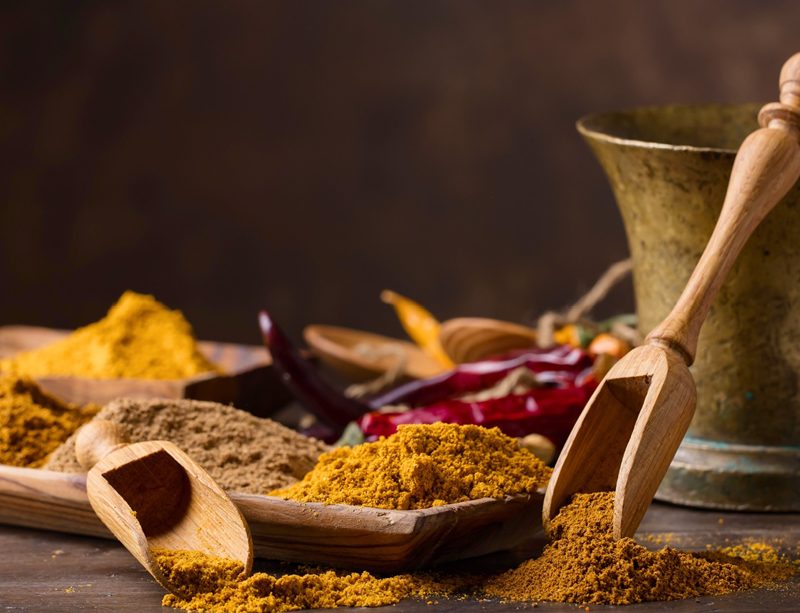
Curcumin – promotes the production of AMPK in the muscles and liver, while having significant anti-inflammatory effects.
Baikal coneflower – the effects on AMPK production are due to the substance baicalin contained in this herb.
EGCG – epigallocatechin gallate is known for its effects on weight loss and one of the reasons is its action on AMPK.
Other substances and dietary supplements with positive effects on AMPK production: anthocyanins from berries, carnitine, lipoic acid, cinnamon, asparagus, ginseng, apple cider vinegar, reishi, gynostemma, hydroxythyrosol from olive oil, vitamin E, rooibos and others.
PŘIHLASTE SE K ODBĚRU NOVINEK A MĚJTE VŽDY ČERSTVÉ INFORMACE
| Cookie | Duration | Description |
|---|---|---|
| cookielawinfo-checkbox-analytics | 11 měsíců | Tento soubor cookie je nastaven pluginem GDPR Cookie Consent. Soubor cookie se používá k uložení souhlasu uživatele s používáním souborů cookie v kategorii „Analytika“. |
| cookielawinfo-checkbox-functional | 11 měsíců | Soubor cookie je nastaven na základě souhlasu s cookie GDPR k zaznamenání souhlasu uživatele pro soubory cookie v kategorii „Funkční“. |
| cookielawinfo-checkbox-necessary | 11 měsíců | Tento soubor cookie je nastaven pluginem GDPR Cookie Consent. Cookies slouží k uložení souhlasu uživatele s cookies v kategorii „Nezbytné“. |
| cookielawinfo-checkbox-others | 11 měsíců | Tento soubor cookie je nastaven pluginem GDPR Cookie Consent. Cookie se používá k uložení souhlasu uživatele s cookies v kategorii „Jiné. |
| cookielawinfo-checkbox-performance | 11 měsíců | Tento soubor cookie je nastaven pluginem GDPR Cookie Consent. Cookie se používá k uložení souhlasu uživatele s cookies v kategorii „Výkon“. |
| elementor | nikdy | Tento soubor cookie používá téma WordPress webu. Umožňuje vlastníkovi webu implementovat nebo měnit obsah webu v reálném čase. |
| viewed_cookie_policy | 11 měsíců | Soubor cookie je nastaven pluginem GDPR Cookie Consent a používá se k uložení, zda uživatel souhlasil nebo nesouhlasil s používáním souborů cookie. Neukládá žádné osobní údaje. |
| Cookie | Duration | Description |
|---|---|---|
| sb | 2 roky | Tento soubor cookie používá Facebook ke kontrole svých funkcí, shromažďování jazykových nastavení a sdílení stránek. |
| Cookie | Duration | Description |
|---|---|---|
| _ga | 2 roky | Soubor _ga cookie, nainstalovaný službou Google Analytics, vypočítává údaje o návštěvnících, relacích a kampaních a také sleduje využití webu pro analytický přehled webu. Soubor cookie ukládá informace anonymně a přiřazuje náhodně vygenerované číslo k rozpoznání unikátních návštěvníků. |
| _gat_gtag_UA_71041054_1 | 1 minuta | Nastaveno Googlem k rozlišení uživatelů. |
| _gid | 1 den | Soubor cookie _gid nainstalovaný službou Google Analytics ukládá informace o tom, jak návštěvníci používají webovou stránku, a zároveň vytváří analytickou zprávu o výkonu webu. Některá data, která jsou shromažďována, zahrnují počet návštěvníků, jejich zdroj a stránky, které anonymně navštěvují. |
| Cookie | Duration | Description |
|---|---|---|
| fr | 3 měsíce | Facebook nastavuje tento soubor cookie tak, aby uživatelům zobrazoval relevantní reklamy sledováním chování uživatelů na webu, na stránkách, které mají Facebook pixel nebo sociální plugin Facebooku. |
| _fbp | 3 měsíce | Tento soubor cookie je nastaven společností Facebook, aby po návštěvě webové stránky zobrazoval reklamy na Facebooku nebo na digitální platformě založené na reklamě na Facebooku. |
| Cookie | Duration | Description |
|---|---|---|
| pvc_visits[0] | 1 minuta | Tento soubor cookie vytváří počítadlo po zhlédnutí. Tento soubor cookie se používá k počítání počtu návštěv příspěvku. Pomáhá také zabránit opakovanému zobrazení příspěvku návštěvníkem. |