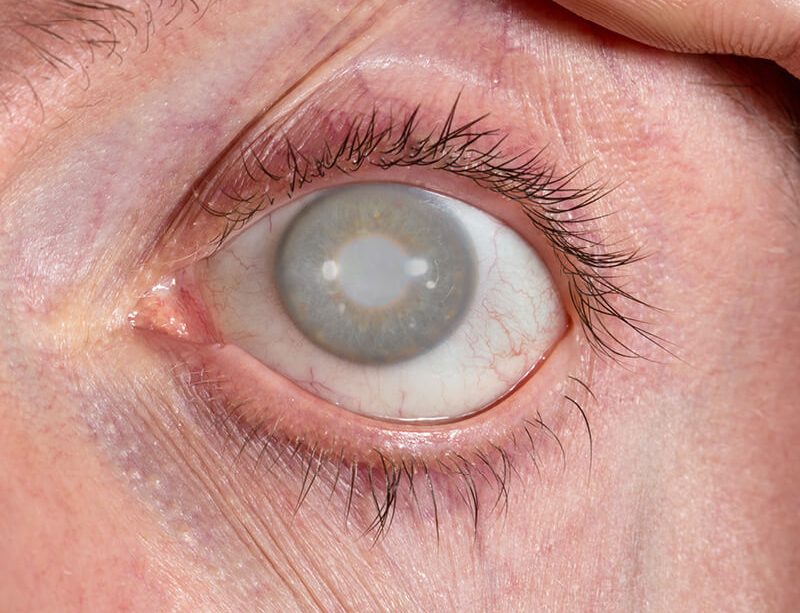
The main manifestation of diabetes is a long-term elevated blood sugar level, and because of it, various tissues in the body are damaged (eyes, kidneys, blood vessels…). Depending on the cause, there are two types of diabetes. Type 1 diabetes is an autoimmune disease in which inflammation destroys the so-called beta cells of the pancreas, which are then unable to produce insulin. In type 2 diabetes, on the other hand, insulin production does not have to decrease because insulin resistance plays a major role: Tissues lose their sensitivity to insulin, so the amount secreted is not enough to lower blood glucose levels.
Epigenetically, the activity of genes that influence mitochondrial formation in muscle and glucose transport into muscle cells can be regulated in type 2 diabetes. This improves the capacity of the muscles to oxidise glucose, leading to a decrease in glucose levels in the body. Fighting inflammatory processes that can impair the pancreas’ ability to produce insulin and supporting the gut microbiome are also important. Regular exercise is key. In the case of type 1 diabetes, the focus should be on reducing inflammation. In both cases, looking after the gut microbiome is also important.
Read more “
Suitable herbs and nutrients:
Curcumin “
Quercetin “
Gurmar “
Boswellie “
Sum
Ginger “
Ginseng five-leaf “
Pomegranate “
Vitamin D3 “
Milk thistle “
Genistein “
Vitamin K2 “
Rhodiola “
Hops “