According to scientists, EGCG from green tea has extraordinary anti-cancer effects due to its ability to influence gene activity.
Right from the start, we will disappoint everyone in whom the headline of the article gave the feeling that a few cups of tea will cure them of cancer. Unfortunately, it is not that easy. But there is one piece of good news: the catechins in green tea, especially epigallocatechin gallate, or EGCG, actually work against cancer in several different ways. As a result, they can be an effective cancer prevention and treatment aid.
Nearly thirty billion new cells are created in our bodies every day. So it would be a miracle if, with so many complex processes, there wasn’t the occasional mistake. Mistakes simply happen, and so every day a few cells arise in our bodies that could become the basis for a tumour.
Fortunately, the body has mechanisms that can prevent this in most cases. For example, much of the cellular damage can be repaired. Furthermore, the cells themselves are coded to destroy themselves if they make a mistake – this ability for programmed cell death is called apoptosis. However, tumour cells usually have their ability to undergo apoptosis disrupted, so they continue to multiply despite their damage.
Healthy cells are also only able to divide at a limited rate, another defence mechanism. Cancer cells, on the other hand, are capable of what is called proliferation, or rapid, uncontrolled multiplication. We must not forget the immune system, which is normally able to seek out and destroy damaged cells.
Our genes play a key role in all defence processes. Those that control the above-mentioned processes are numerous and can be divided into three basic categories. The first is the so-called tumour suppressor genes, which are the body’s way of making proteins that can activate apoptosis (cell death) and reduce proliferation (rapid uncontrolled division). This protects us against tumours. Proto-oncogenes have the opposite effect – they encode proliferation-promoting proteins and thus increase the likelihood of cancer. Thirdly, repair genes are important – they produce the proteins needed to repair damaged DNA sites.
However, it is important to know that the presence or absence of a particular gene does not mean anything in itself. In order for a gene to make proteins, it must be turned on. If it is off, it is the same as if it were not in the DNA. Thus, to protect against cancer, it would be ideal to achieve a state where we have all tumour suppressor and repair genes switched on and all proto-ontogens switched off.
But the best part of all this is that we can influence the switching on and off of the relevant genes ourselves. The course and intensity of the chemical reactions that control the switching on and off of genes (the so-called epigenetic reactions) can be influenced by us, especially through lifestyle and nutrition. In the context of nutrition, certain nutrients and herbs with strong epigenetic effects are particularly effective, including epigallocatechin gallate (EGCG) from green tea. As a result, it is able to effectively support the prevention and treatment of many serious diseases, including cancer.
Let’s now take a closer look at some of the many scientifically studied mechanisms by which EGCG protects us from cancer.
EGCG is one of the very powerful antioxidants. In experiments on mice, for example, its use was able to reduce the level of harmful lipid peroxides by 50%, while also significantly increasing the levels of antioxidant enzymes in the body.
The antioxidant effect is particularly important in cancer prevention. It neutralizes free radicals that can damage important cellular structures and cause the cell to become the germ of a future tumour. Oxidative damage also negatively affects the process of apoptosis.
One of the chemical reactions that can turn off a gene is methylation in the promoter region (the part of the DNA strand that triggers the transcription of the gene). If the promoter is methylated, the gene is literally switched off, i.e. no proteins are made by it, which is particularly a problem for tumour suppressor genes. However, green tea, especially the EGCG in it, can reduce the production of the enzyme DNA-methyl transferase, which is essential for the methylation process.
For example, research has shown that drinking several cups of green tea every day can reduce methylation of the Cdx2 gene (a tumour suppressor gene whose activity is reduced in tumours such as stomach and colon cancer) by up to 40%, and has been shown to have a positive effect on a number of other tumour suppressor genes.
Turning off tumour suppressor genes by increased methylation usually occurs in the early stages of tumour development, so regular consumption of green tea or EGCG is particularly useful as part of cancer prevention.
EGCG also positively influences two other basic epigenetic mechanisms that lead to the switching of genes on and off. The first one is the so-called acetylation of histones as a reaction of proteins that are part of the spatial structure of DNA (acetylation switches on the respective gene, i.e. enables its reading). The second one is the influence on the formation of microRNAs, i.e. small RNA sections that do not encode anything but participate in the process of translation (transcription of RNA into protein). Excessive production of microRNAs is characteristic of the process of tumour formation.
Apoptosis is a complex mechanism that allows the destruction and removal of damaged cells that could become the basis of a malignant neoplasm. This process involves, for example, the condensation of the cells’ chromatin, their shrinkage, the breakdown of the DNA into parts and then the disintegration of the whole cell into parts that are then engulfed by immune cells called macrophages. If this process is disrupted, tumours can develop.
EGCG has been shown to positively affect the ability of apoptosis through several pathways (e.g. inactivation of the transcription factor NF-kB or expression of the p21 and p27 genes).
The behaviour of our body’s cells is influenced by nerve or chemical signals (chemical signals include, for example, the influence of hormones). Each cell has specific sites on its surface, receptors, to which the relevant chemicals can bind and thus trigger a whole cascade of processes within the cell.
EGCG can, for example, block receptors in cancer cells and thus prevent them from multiplying further. In addition, it affects the entire cascade of intracellular signalling reactions, such as the production of the transcription factors NF-kB and FOXO or the suppression of the production of the inflammatory enzyme COX-2.
Influencing the production of other enzymes
For example, EGCG turns off the gene for urokinase, an enzyme essential for tumour growth and metastasis, and suppresses the production of telomerase, which promotes the growth of chromosome ends (high telomerase production is characteristic of cancer cells). On the other hand, it positively affects the production of phase I and phase II detoxification enzymes.
In the initial stage, when the tumour is small, its cells can obtain nutrients from their immediate surroundings. As it grows, however, it must create its own blood supply by forming new blood vessels – angiogenesis. So if we can suppress angiogenesis, this will significantly slow down the growth of the tumour itself.
EGCG increases the activity of the transcription factor FOXO, which suppresses the formation of new blood vessels. This also makes it suitable as a treatment aid for existing cancers.
EGCG promotes the production and activation of a number of immune cells by epigenetic pathways. In addition, it effectively protects fatty acids abundant in their membranes from oxidation.
EGCG is mildly toxic to cancer cells. For example, it inhibits the production of new DNA during cell division in some types of cancer and even kills some types (especially those caused by adenoviruses) outright.
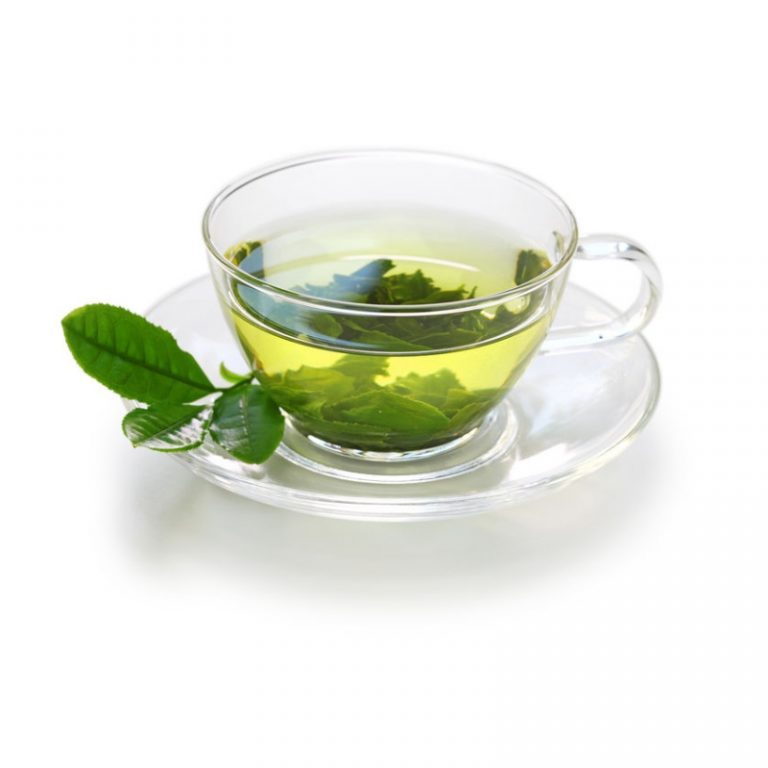
Although epigallocatechin gallate is found in several types of food, green tea remains its most important source. Fermentation, which is the basis of black tea production, reduces its content considerably, but it also varies considerably in green teas. According to a study commissioned by the U.S. Department of Agriculture, it ranged from an incredibly wide range of 5 to 400 mg per cup in the samples examined. High-quality loose-leaf teas fared best, with low-quality flavoured sachets and instant teas at the other end of the spectrum.
Since the effective amount for prevention is around 100-200 mg per day, drinking 1-2 cups of high quality green tea every day is sufficient for this purpose. However, it is advisable to take supplements as a support for treatment, whether in the case of cancer or other problems.
PŘIHLASTE SE K ODBĚRU NOVINEK A MĚJTE VŽDY ČERSTVÉ INFORMACE
| Cookie | Duration | Description |
|---|---|---|
| cookielawinfo-checkbox-analytics | 11 měsíců | Tento soubor cookie je nastaven pluginem GDPR Cookie Consent. Soubor cookie se používá k uložení souhlasu uživatele s používáním souborů cookie v kategorii „Analytika“. |
| cookielawinfo-checkbox-functional | 11 měsíců | Soubor cookie je nastaven na základě souhlasu s cookie GDPR k zaznamenání souhlasu uživatele pro soubory cookie v kategorii „Funkční“. |
| cookielawinfo-checkbox-necessary | 11 měsíců | Tento soubor cookie je nastaven pluginem GDPR Cookie Consent. Cookies slouží k uložení souhlasu uživatele s cookies v kategorii „Nezbytné“. |
| cookielawinfo-checkbox-others | 11 měsíců | Tento soubor cookie je nastaven pluginem GDPR Cookie Consent. Cookie se používá k uložení souhlasu uživatele s cookies v kategorii „Jiné. |
| cookielawinfo-checkbox-performance | 11 měsíců | Tento soubor cookie je nastaven pluginem GDPR Cookie Consent. Cookie se používá k uložení souhlasu uživatele s cookies v kategorii „Výkon“. |
| elementor | nikdy | Tento soubor cookie používá téma WordPress webu. Umožňuje vlastníkovi webu implementovat nebo měnit obsah webu v reálném čase. |
| viewed_cookie_policy | 11 měsíců | Soubor cookie je nastaven pluginem GDPR Cookie Consent a používá se k uložení, zda uživatel souhlasil nebo nesouhlasil s používáním souborů cookie. Neukládá žádné osobní údaje. |
| Cookie | Duration | Description |
|---|---|---|
| sb | 2 roky | Tento soubor cookie používá Facebook ke kontrole svých funkcí, shromažďování jazykových nastavení a sdílení stránek. |
| Cookie | Duration | Description |
|---|---|---|
| _ga | 2 roky | Soubor _ga cookie, nainstalovaný službou Google Analytics, vypočítává údaje o návštěvnících, relacích a kampaních a také sleduje využití webu pro analytický přehled webu. Soubor cookie ukládá informace anonymně a přiřazuje náhodně vygenerované číslo k rozpoznání unikátních návštěvníků. |
| _gat_gtag_UA_71041054_1 | 1 minuta | Nastaveno Googlem k rozlišení uživatelů. |
| _gid | 1 den | Soubor cookie _gid nainstalovaný službou Google Analytics ukládá informace o tom, jak návštěvníci používají webovou stránku, a zároveň vytváří analytickou zprávu o výkonu webu. Některá data, která jsou shromažďována, zahrnují počet návštěvníků, jejich zdroj a stránky, které anonymně navštěvují. |
| Cookie | Duration | Description |
|---|---|---|
| fr | 3 měsíce | Facebook nastavuje tento soubor cookie tak, aby uživatelům zobrazoval relevantní reklamy sledováním chování uživatelů na webu, na stránkách, které mají Facebook pixel nebo sociální plugin Facebooku. |
| _fbp | 3 měsíce | Tento soubor cookie je nastaven společností Facebook, aby po návštěvě webové stránky zobrazoval reklamy na Facebooku nebo na digitální platformě založené na reklamě na Facebooku. |
| Cookie | Duration | Description |
|---|---|---|
| pvc_visits[0] | 1 minuta | Tento soubor cookie vytváří počítadlo po zhlédnutí. Tento soubor cookie se používá k počítání počtu návštěv příspěvku. Pomáhá také zabránit opakovanému zobrazení příspěvku návštěvníkem. |