The slimming hit of recent years is known to the world as “the diet that helped the singer Adele lose weight” or “the diet where chocolate and red wine can be used”. That certainly sounds appealing. But how does this diet work in terms of epigenetics? And does it make sense to embark on it?
The Sirtfood Diet was invented by pharmacist Aidan Goggins and nutritionist Glen Matten and its principles are summarised in the book The Sirtfood Diet. It was published in 2016, but only gained popularity in 2019, when the then very corpulent singer Adele lost weight thanks to it.
The sirfood diet is usually presented as a dietary system in which foods containing sirtuins are consumed. However, this is not actually the case. Sirtuins are actually enzymes that are made in our bodies, where they have a number of important functions. It would be pointless to consume them in the diet – their basis is protein, which is broken down into individual amino acids during digestion. The recommended foods actually work on an epigenetic principle: they contain polyphenols that act as sirtuin activators, i.e. they activate genes in our DNA that control the production of sirtuins.
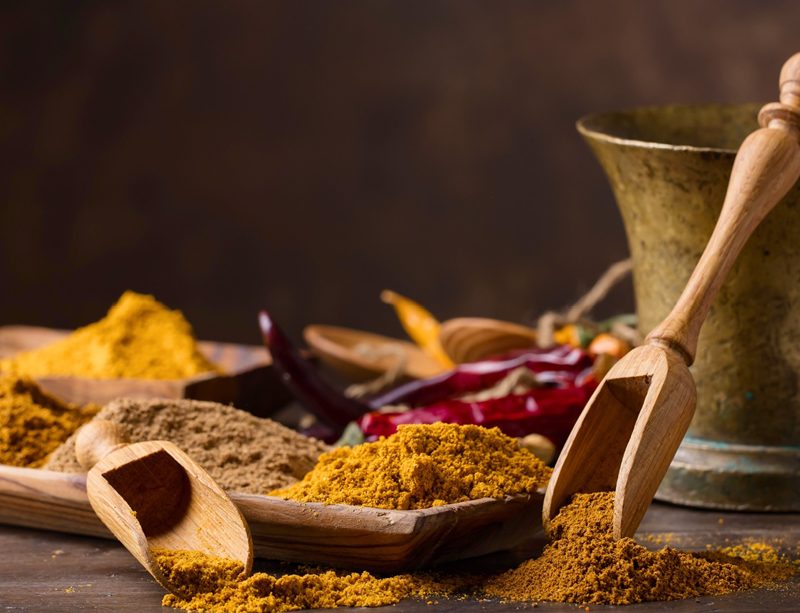
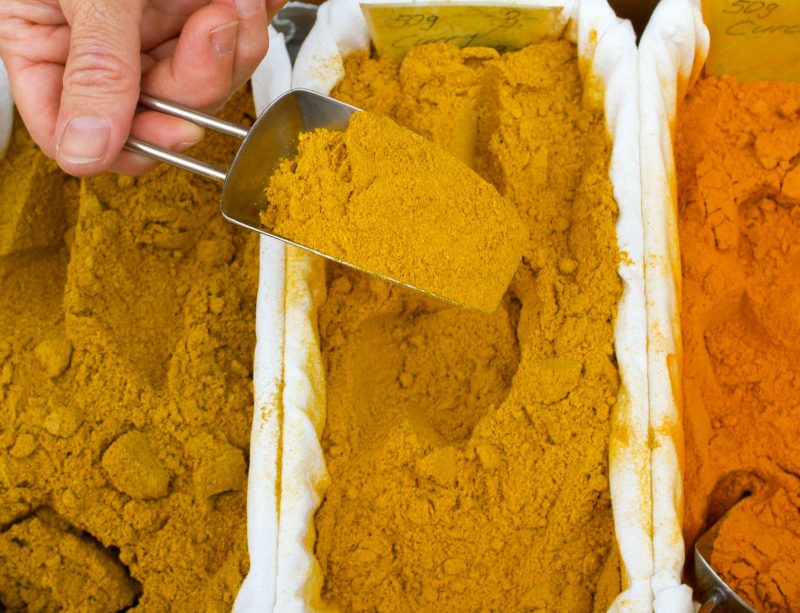
The Sirtfood diet recommends a total of twenty such foods, including red wine, chocolate with 85% cocoa, buckwheat, turmeric, olive oil, green tea, kale, arugula, garlic, onions, strawberries, blueberries and walnuts.
Does it make sense to go on a sirtfood diet? Yes and no. The main reason is that sirtuins are a real blessing for us. A total of seven of these enzymes are produced in the mammalian body, abbreviated SIRT-1 to SIRT-7, and the most important is SIRT-1, which has a number of positive effects on the body:
So it definitely makes sense to support the production of sirtuins, whether we want to lose weight or just support our health. However, the sirtfood diet itself has major pitfalls.
The Sirtfood diet is appealing to many people because it lasts only three weeks and promises obvious weight loss – over three kilograms in the first week alone. But this is its biggest pitfall.
For the first week, only one meal rich in sirtuins is eaten daily, otherwise vegetable juices are drunk. The energy intake is only 1 000 kcal/day (4 200 kJ), which for most people is less than half of the so-called basal metabolic rate, i.e. the energy needed to maintain basic life functions. For the next two weeks, three meals are eaten, but the energy intake is still low. And this is the main problem: Although orphans generally increase the intensity of metabolism, extremely low energy intake, together with insufficient protein consumption, always leads to a significant slowdown in metabolism. So if one then switches to a regular diet (albeit still rich in sirtfoods), this leads to the so-called yo-yo effect, or rapid weight gain again, often even above the baseline.
Moreover, the diet’s functioning is not sufficiently scientifically proven. The authors mention a study conducted in their fitness centre in which participants lost an average of 3.5 kg in the first week. However, this study has not been published in any peer-reviewed journal and, moreover, it is impossible not to lose weight with such a drastic restriction of caloric intake. But it is another thing to maintain the weight gained.
Another problem is that weight loss does not represent actual fat loss. The Sirtfood diet does try to prevent the loss of muscle mass that is typical of crash diets – this effect is partly due to the sirtuins themselves and partly to the exercise that the system also recommends. However, the low energy intake leads to depletion of the muscle storage polysaccharide glycogen, to which a considerable amount of water is bound in the muscles. Part of the weight loss is therefore always attributable to these losses.
Sticking to a sirtfood diet as such does not make sense, however, going on a sensible, long-term reduction regime consisting of healthy eating with a moderate calorie deficit and regular exercise and supplementing it with sirtuin activators is definitely a great choice – both for weight loss support and for health. In addition to the foods recommended in the sirtfood diet, it is also possible to use dietary supplements that support sirtuin production in an epigenetic way.
Resveratrol – a polyphenol from the stilbene group is the most effective natural sirtuin activator ever, which also has anticancer effects, protects the heart and blood vessels and supports mental performance. It is found in grapes, blueberries, raspberries and peanuts. Read more about resveratrol here “
Quercetin – this polyphenol is not only a very effective sirtuin activator itself, but also promotes the absorption of resveratrol, so it is advisable to take these two nutrients in combination. More about quercetin here “
Piceatannol – this stilbene is similar in structure and function to resveratrol. It accompanies it in red wine, another important source of it is blueberries.
Fisetin – a substance contained in strawberries, for example, is known for its anti-aging effect, which is also due to its ability to activate genes for the production of sirtuins.
Omega-3s – although their ability to promote sirtuin production has so far only been demonstrated in studies in rats, it can also be expected in humans. Moreover, it is a nutrient necessary for a number of processes in the body, especially for the functioning of the brain and nervous system, so it is definitely worth taking. Read more “
PŘIHLASTE SE K ODBĚRU NOVINEK A MĚJTE VŽDY ČERSTVÉ INFORMACE
| Cookie | Duration | Description |
|---|---|---|
| cookielawinfo-checkbox-analytics | 11 měsíců | Tento soubor cookie je nastaven pluginem GDPR Cookie Consent. Soubor cookie se používá k uložení souhlasu uživatele s používáním souborů cookie v kategorii „Analytika“. |
| cookielawinfo-checkbox-functional | 11 měsíců | Soubor cookie je nastaven na základě souhlasu s cookie GDPR k zaznamenání souhlasu uživatele pro soubory cookie v kategorii „Funkční“. |
| cookielawinfo-checkbox-necessary | 11 měsíců | Tento soubor cookie je nastaven pluginem GDPR Cookie Consent. Cookies slouží k uložení souhlasu uživatele s cookies v kategorii „Nezbytné“. |
| cookielawinfo-checkbox-others | 11 měsíců | Tento soubor cookie je nastaven pluginem GDPR Cookie Consent. Cookie se používá k uložení souhlasu uživatele s cookies v kategorii „Jiné. |
| cookielawinfo-checkbox-performance | 11 měsíců | Tento soubor cookie je nastaven pluginem GDPR Cookie Consent. Cookie se používá k uložení souhlasu uživatele s cookies v kategorii „Výkon“. |
| elementor | nikdy | Tento soubor cookie používá téma WordPress webu. Umožňuje vlastníkovi webu implementovat nebo měnit obsah webu v reálném čase. |
| viewed_cookie_policy | 11 měsíců | Soubor cookie je nastaven pluginem GDPR Cookie Consent a používá se k uložení, zda uživatel souhlasil nebo nesouhlasil s používáním souborů cookie. Neukládá žádné osobní údaje. |
| Cookie | Duration | Description |
|---|---|---|
| sb | 2 roky | Tento soubor cookie používá Facebook ke kontrole svých funkcí, shromažďování jazykových nastavení a sdílení stránek. |
| Cookie | Duration | Description |
|---|---|---|
| _ga | 2 roky | Soubor _ga cookie, nainstalovaný službou Google Analytics, vypočítává údaje o návštěvnících, relacích a kampaních a také sleduje využití webu pro analytický přehled webu. Soubor cookie ukládá informace anonymně a přiřazuje náhodně vygenerované číslo k rozpoznání unikátních návštěvníků. |
| _gat_gtag_UA_71041054_1 | 1 minuta | Nastaveno Googlem k rozlišení uživatelů. |
| _gid | 1 den | Soubor cookie _gid nainstalovaný službou Google Analytics ukládá informace o tom, jak návštěvníci používají webovou stránku, a zároveň vytváří analytickou zprávu o výkonu webu. Některá data, která jsou shromažďována, zahrnují počet návštěvníků, jejich zdroj a stránky, které anonymně navštěvují. |
| Cookie | Duration | Description |
|---|---|---|
| fr | 3 měsíce | Facebook nastavuje tento soubor cookie tak, aby uživatelům zobrazoval relevantní reklamy sledováním chování uživatelů na webu, na stránkách, které mají Facebook pixel nebo sociální plugin Facebooku. |
| _fbp | 3 měsíce | Tento soubor cookie je nastaven společností Facebook, aby po návštěvě webové stránky zobrazoval reklamy na Facebooku nebo na digitální platformě založené na reklamě na Facebooku. |
| Cookie | Duration | Description |
|---|---|---|
| pvc_visits[0] | 1 minuta | Tento soubor cookie vytváří počítadlo po zhlédnutí. Tento soubor cookie se používá k počítání počtu návštěv příspěvku. Pomáhá také zabránit opakovanému zobrazení příspěvku návštěvníkem. |