For the healthy development of the baby in the womb, it is not enough for its mother to receive enough of all important nutrients. Other dietary errors can also cause problems. For example, scientists have shown that excessive fat intake during pregnancy increases a child’s tendency to obesity.
Research by a team led by Kirsteen Browning has recently been published in the Journal of Physiology, which has clearly demonstrated a link between a high-fat diet and offspring obesity in laboratory rats. However, research on human mothers and their babies has come to similar results. It has been shown that inappropriate diet during pregnancy can seriously disrupt the processes involved in the development of satiety in the child.
Is obesity a brain disease?
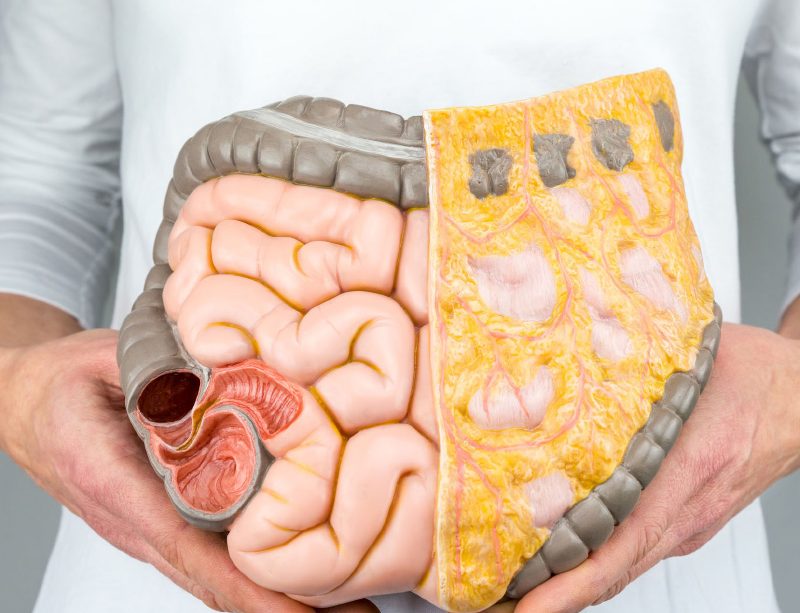
In the rat study, the researchers used two groups of pregnant rats. The first received a normal diet, the second a high-fat diet. After birth, the pups were separated from their mothers and fed the same diet. Virtually all of the offspring of the “fat” mothers had higher body fat content in adulthood, but another thing was more serious: Even before the actual obesity manifested itself, the researchers found a malfunction in the neural circuits that transmit information from the stomach and small intestine to the brain and back.
These circuits are essential for the reflexes that create the feeling of satiety after eating, and if they are disturbed, it leads to overeating. This research lends credence to theories that consider obesity to be a disease of the brain.
The results of surveys of human mothers have also shown an association between a high-fat diet and the risk of obesity in their offspring, but not conclusively. This is probably because the negative effect of excessive fat intake may be offset by sufficient physical activity during pregnancy or sufficient intake of certain important nutrients, such as omega-3 unsaturated fatty acids. Kirsteen Browning intends to focus on proving these links in some of her future research.
Read more about omega-3 unsaturated fatty acids here.