When autumn asks… 8 ways to boost immunity in summer
epivyziva.cz/
Zobrazeno: 398
Articles about the need to boost immunity before the viral season flood the media space mostly at the end of September and the beginning of October. But by then it will be too late. If you want to get through the autumn and winter in good health, you need to start taking care of your immunity now at the latest.
Our body is guarded by a perfectly organized army. It is made up of millions of warriors ready to pounce on any intruder and destroy him instantly. But at the same time, our immune system is very complex and influenced by many factors. Therefore, it is very easy to disrupt its functioning and very difficult to put it back together again. Nevertheless, we will try.
But before we get into specific advice, let’s briefly explain how our immunity actually works, because it’s easy to get totally lost in all the letters and names of immune cells.
Overview of the Inner Warriors
There are two types of immunity: innate and adaptive.
Innate immunity is the first to be activated at the moment of pathogen penetration. It is fast because it reacts to all pathogens in much the same way, but it is also less effective because of this.
It is provided by a number of immune cells. Probably the most famous are those belonging to the phagocytes – these are amoeba-like cells that are able to literally devour a pathogen or their own disturbed cell. This includes macrophages and monocytes. However, neutrophils, dendritic cells, eosinophils and other microscopic fighters are also involved in innate immunity.
Adaptive immunity, on the other hand, can recognise specific pathogens, “remember” those it has encountered before, and deploy a specific, highly effective response based on that experience. Its disadvantage, however, is that it only works effectively against invaders that we have encountered in the past. If we are invaded by an unknown microbe or a pathogen that has mutated to the point that it is unrecognisable to the immune system, it is much more difficult (or impossible) for the body to deal with the infection.
T-cells, also known as T-lymphocytes, are an important player in adaptive immunity. They are tasked with recognizing a specific pathogen by its so-called antigen and then coordinating the immune response. But there are several types of these:
- So-called cytotoxic T-cells are fighters with the task of killing – not only pathogens, but also damaged cells, including cancerous ones.
- Helper cells, called Th cells, are known to produce substances called cytokines. These influence the course of inflammatory processes, but their main task is to coordinate the activity of other immune cells.
- Regulatory T-cells, known as Treg cells, have the task of making sure that the body does not overreact with its immune response – that is, that it does not attack what comes from outside but does not threaten the body in any way – for example, food, pollen, etc.
Another player in adaptive immunity are B cells (B-lymphocytes), which are responsible for generating antibodies.
And now we can get down to listing the measures that will help us recruit new warriors to an internal army decimated by previous battles and other disasters, and arm it to resist almost any invader.
1. Fight inflammation
Here, first of all, it must be said that inflammation is not the enemy. It is true that it causes most of the unpleasant symptoms of infectious diseases, i.e. pain, swelling, redness, etc., but the development of inflammation is also a necessary condition for the immune system to work. Without it, for example, the damaged tissues could not be removed.
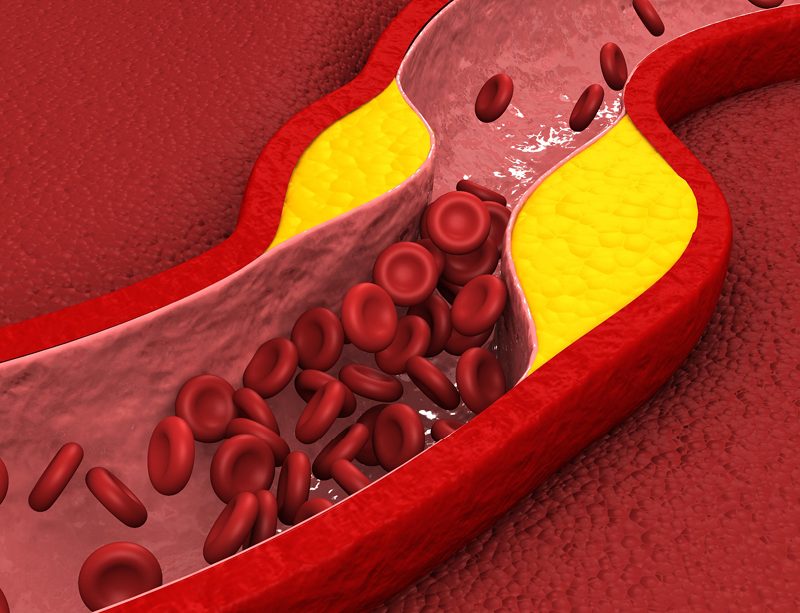
But the problem arises when there is chronic inflammation in the body, caused for example by poor diet, obesity, etc. Chronic inflammation significantly reduces the effectiveness of our immunity.
Obesity has a very negative effect in this respect, causing chronic whole-body inflammation, which compromises immunity. So it certainly makes sense to try to lose a little more weight before autumn, but it is definitely not a good idea to go on drastic diets.
When the immune system encounters a pathogen, it needs a large amount of energy to respond effectively. So if the body is in a severe energy deficit, the immune system does not have enough energy to respond properly – no army can do without a functioning supply. Right now, therefore, it is necessary to lose weight very carefully, a maximum of half a kilogram per week. It seems little, but even just two kilos, which is so realistic to lose by the autumn splash, can reduce the level of inflammation in the body quite substantially.
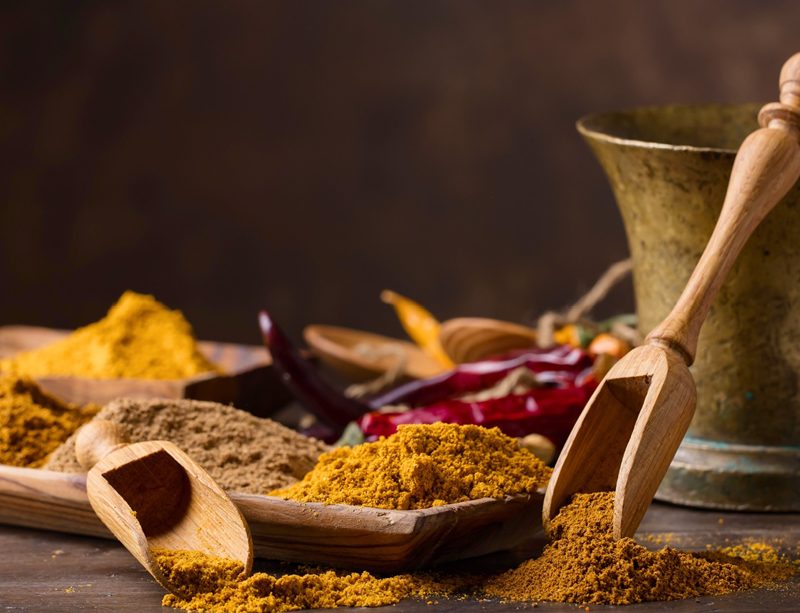
Diet is also important – inflammation is promoted by high consumption of carbohydrates with a high glycaemic index, saturated fats, but artificial sweeteners and other food additives also have a negative effect. An effective fighter against inflammation, on the other hand, is an industrially minimally processed plant-based diet, especially fruits, vegetables, legumes, whole grains, but also many types of spices.
Powerful weapons against inflammation are then dietary supplements, for example:
- curcumin
- EGCG
- astaxanthin
- boswellie
- blanched valerian
- Ginger
- quercetin
- and many others.
2. Supplement key nutrients
The immune system response is not only energy demanding, but also results in increased nutrient consumption. Therefore, even if the levels of micronutrients in our body are sufficient to feel healthy now, this may not be the case when pathogens enter the body. Therefore, it is important to work now to replenish our levels. And which are the most important?
Zinc – this trace element is crucial for cell division, so if it is deficient, many genes are silenced and immune cells cannot multiply fast enough. Especially in the fight against viral infections, sufficient levels are therefore essential for success.
Selenium – not only is it a powerful antioxidant, but its deficiency also negatively affects the production and activity of certain immune cells (mainly lymphocytes and NK cells), antibody levels and the overall ability of the body to respond optimally to viral infection. Its use has therefore been shown to improve the immune response.
Vitamin D3 – low levels of this vitamin have been shown to be associated with susceptibility to infection. It has a direct effect on both innate and adaptive immunity, affecting the activity of most immune cells. In addition to its preventive effect, its use also helps to reduce the time taken to treat infections and has an anti-inflammatory effect. Moreover, given that the vast majority of people in our latitudes suffer from a deficiency of ‘rain’, we certainly cannot rely on having enough of it at the end of summer.
Vitamins A, C and E – not only act as antioxidants, but also have epigenetic effects affecting the functioning of immunity. For example, they influence cell division or the production of certain key enzymes. Here too, their use is both preventive and helps to shorten the treatment period.
Amino acids – the key is, of course, a sufficient supply of all essential amino acids (i.e. those that the body cannot make and are therefore necessary to take in through food). However, supplementation of some non-essential ones, such as arginine or glutamine, also has a positive effect on immunity.
3. Support the gut microbiome
The balance of the inhabitants of the intestines has a very important influence on our immunity. If it is disturbed, the function of the intestinal wall deteriorates, leading to the penetration of microbes into the bloodstream, increased inflammation and reduced production of antimicrobial peptides. And all this results in a deterioration of immunity. A dysfunctional gut microbiome also negatively affects cytokine production and suppresses the production of many immune cells.
And how to support the microbiome? Diet is key:
- Excessive carbohydrates with a high glycemic index, saturated fats, but also emulsifiers, artificial sweeteners and other food additives are harmful.
- Limiting salt intake also has a positive effect on immune function and inflammation levels in the body.
- Adequate consumption of fibre is essential. This is achieved by adding legumes, whole grains, nuts, seeds, fruits and vegetables to the diet. Beverages made from chicory, psyllium, etc. are also a great help.
From dietary supplements can also help:
- curcumin
- quercetin
- resveratrol
- boswellie
- and others. Taking probiotics, which have been shown to support immunity, may also be appropriate.
When you change your diet, positive changes in the gut microbiome happen very quickly – the first ones happen within days, the more significant ones within weeks. However, these changes are not very permanent and the new lifestyle needs to be maintained for at least half a year – basically until spring – to stabilise.
4. Refresh your diet
In addition to dietary changes that support the balance of the gut microbiome, it is advisable to follow other dietary principles:
- Limiting the intake of omega-6 unsaturated fatty acids and increasing the intake of omega-3 has been shown to have a positive effect on immunity.
- Fried foods are inappropriate. When frying, the food is exposed to excessively high temperatures, which react carbohydrates with proteins and produce so-called advanced glycation end products (AGEs), which increase inflammation in the body, damage cells and impair immunity.
- AGEs are also abundant when grilling meat and sausages or baking them at high temperatures.
- In general, too much consumption of highly processed food from fast food chains has a negative effect on immunity.
- Also avoid excessive alcohol and caffeine intake.
5. Try natural immunostimulants
Epigenetic nutrients and herbs that act as immunostimulants are a great way to directly support immunity. Among those particularly effective are:
Fenugreek – influences the origin, development and differentiation of most immune cells, has a direct antimicrobial effect against many viruses and bacteria (including those with high levels of antibiotic resistance), and even helps to increase the effectiveness of some vaccines.
Ginger – influences the activity of many immune cells, especially T-cells and macrophages, and has a direct effect against some viruses (including influenza, COVID-19), bacteria and yeasts.
Astaxanthin – a dye found in salmon and shrimp meat, for example, also promotes the activity and ability of rapid multiplication of many immune cells, improving antibody production and immunity in the mucous membranes.
6. Limit exposure to stress
Stress hormones are designed to induce changes in the body that will help us face life threats – for example, by increasing the amount of energy available for potential fight or flight. But they also restrict the supply of energy to systems that are not crucial for survival in an acute threat to life. And one of these is immunity. Thus, a number of studies have confirmed not only that stressed individuals are more susceptible to infectious diseases, especially those of viral origin, but even their immune response is impaired after vaccine administration and wound healing is slowed.
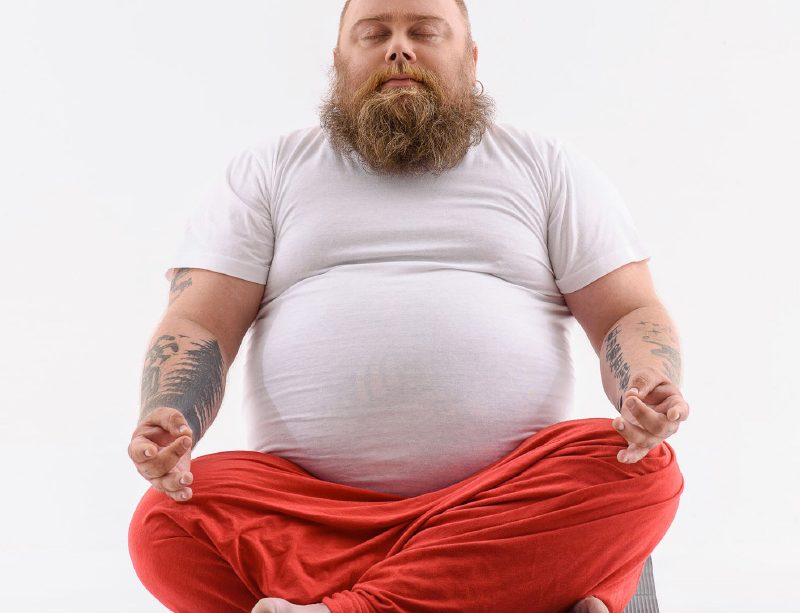
Since the beginning of the school year in particular is a highly stressful time, it is necessary to consistently reduce stress levels, whether by better organisation of time, setting priorities or adopting stress-reducing techniques such as breathing exercises, yoga and similar systems, meditation, etc.
So-called adaptogens, i.e. plants that improve the body’s adaptation to stress, are also a good choice. In addition, many of them also have a direct positive effect on immunity and have anti-inflammatory properties – this applies, for example, to valerian, maral root, rhodiola or five-leaf ginseng.
7. Don’t forget to move
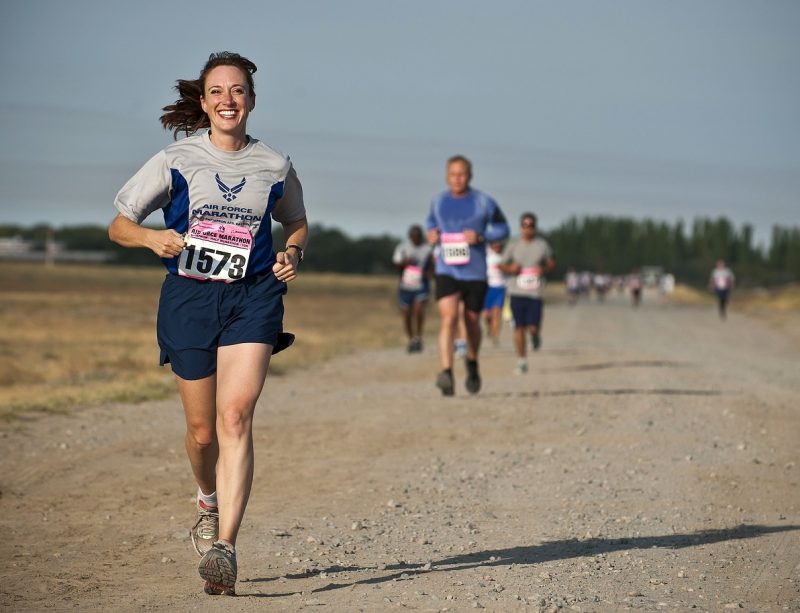
Regular exercise, especially aerobic exercise of moderate to moderate intensity, strengthens immunity in several ways:
- Stimulates cellular immunity (according to research, moderate intensity exercise of 35-45 minutes works best here).
- It increases body temperature, thereby preventing the growth of pathogens by mechanisms similar to fever.
- It reduces the level of inflammation in the body and has a preventive effect against the development of civilisation diseases, which also affect immunity.
- Reduces stress levels.
8. Don’t neglect sleep
Sleep deprivation affects both innate and adaptive immunity in a rather fundamental way and also increases the rate of inflammation in the body. Maintaining sleep hygiene and trying to sleep at least seven hours a day is therefore very important in supporting immunity.
For sleep problems, you can try, for example, passionflower, hops or tryptophan
In the next article, we will take a closer look at the reciprocal relationship between certain physical and mental ailments and immunity.
0:00
/
0:00
Stárnutí je volba
Klíčová slova: adaptogens, astaxanthin, Astragalus, bacteria, boswellia, curcumin, Fenugreek blanched, ginger, Ginseng five-leaf, gut microbiome, hops, immunity, immunity, immunostimulants, maral root, Motion, nutrition, quercetin, resveratrol, Rhodiola, sleep, stress, Torture, tryptophan, viruses, Vitamin D3, zinc
Komentáře
Seznam zdrojů
- Caroline E. Childs, Philip C. Calder, and Elizabeth A. Miles. Diet and Immune Function. Nutrients. 2019 Aug; 11(8): 1933.
- Shankar AH, Prasad AS. Zinc and immune function: the biological basis of altered resistance to infection. Am J Clin Nutr 1998;68:447S-63S.
- Fairweather-Tait SJ, Bao Y, Broadley MR, Collings R, Ford D, Hesketh JE, Hurst R. Selenium in human health and disease. Antioxid Redox Signal 2011; 14:1337-83
- Hoffmann PR and Berry MJ. The influence of selenium on immune responses. Mol Nutr Food Res 52: 1273–1280, 2008
- Giulia Bivona, Luisa Agnello, and Marcello Ciaccio. The immunological implication of the new vitamin D metabolism. Cent Eur J Immunol. 2018; 43(3): 331–334.
- Palleja et al., “Recovery of gut microbiota of healthy adults following antibiotic exposure,” Nat. Microbiol., vol. 3, no. 11, pp. 1255–1265, Nov. 2018
- Fang Yan and D.B. Polk. Probiotics and immune health. Curr Opin Gastroenterol. 2011 Oct; 27(6): 496–501.
- Jyonouchi, H., Sun, S., and Gross, M., Effect of carotenoids on in vitro immunoglobulin production by human peripheral blood mononuclear cells: astaxanthin, a carotenoid without vitamin A activity, enhances in vitro immunoglobulin production in response to a T-dependent stimulant and antigen, Nutr. Cancer, 23, 171, 1995.
- https://www.healthline.com/nutrition/foods-that-weaken-immune-system#The-bottom-line
- Ping Liu, Haiping Zhao, and Yumin Luo. Anti-Aging Implications of Astragalus Membranaceus (Huangqi): A Well-Known Chinese Tonic. Aging Dis. 2017 Dec; 8(6): 868–886.
- https://www.rxlist.com/astragalus/supplements.htm
- Sudipta Tripathi , Kristopher Maier, David Bruch and Dilip S Kittur. Ginger extract inhibits macrophage activation and T cell co-stimulation. The FASEB Journal. 2006.
- Jung San Chang, Kuo Chih Wang, Chia Feng Yeh, Den En Shieh, Lien Chai Chiang. Fresh ginger (Zingiber officinale) has anti-viral activity against human respiratory syncytial virus in human respiratory tract cell lines. J Ethnopharmacol. 2013 Jan 9;145(1):146-51
- Arshad H Rahmani, Fahad M Al shabrmi, and Salah M Aly. Active ingredients of ginger as potential candidates in the prevention and treatment of diseases via modulation of biological activities. Int J Physiol Pathophysiol Pharmacol. 2014; 6(2): 125–136.
- Abdollah Jafarzadeh, Sara Jafarzadeh, and Maryam Nemati. Therapeutic potential of ginger against COVID-19: Is there enough Bendich, A., Carotenoids and the immune response, J. Nutr., 119, 112, 1989.
- https://www.news-medical.net/health/How-does-Stress-Affect-Your-Immune-System.aspx
- https://www.webmd.com/vitamins/ai/ingredientmono-883/rhodiola
- Kamal Patel. Maral Root. Examine. 28. 9. 2022. https://examine.com/supplements/maral-root/research/#ref-36
- Ladislav Kokoška, Dagmar Janovská. Chemistry and pharmacology of Rhaponticum carthamoides: A review. Phytochemistry 70 (2009) 842-855
- Xiaoya Shang, Yu Chao, Yuan Zhang, Chengyuan Lu, Chunlan Xu, and Weining Niu. Immunomodulatory and Antioxidant Effects of Polysaccharides from Gynostemma pentaphyllum Makino in Immunosuppressed Mice. Molecules. 2016 Aug; 21(8): 1085.
- David C. Nieman and Laurel M. Wentz. The compelling link between physical activity and the body’s defense systém. J Sport Health Sci. 2019 May; 8(3): 201–217.
- Glen P. Kenny and Ryan McGinn. Restoration of thermoregulation after exercise. Journal of Applied Physiology. Vol. 122, No. 4.
- Sergio Garbarino, Paola Lanteri, Nicola Luigi Bragazzi, Nicola Magnavita, and Egeria Scoditti. Role of sleep deprivation in immune-related disease risk and outcomes. Commun Biol. 2021; 4: 1304.