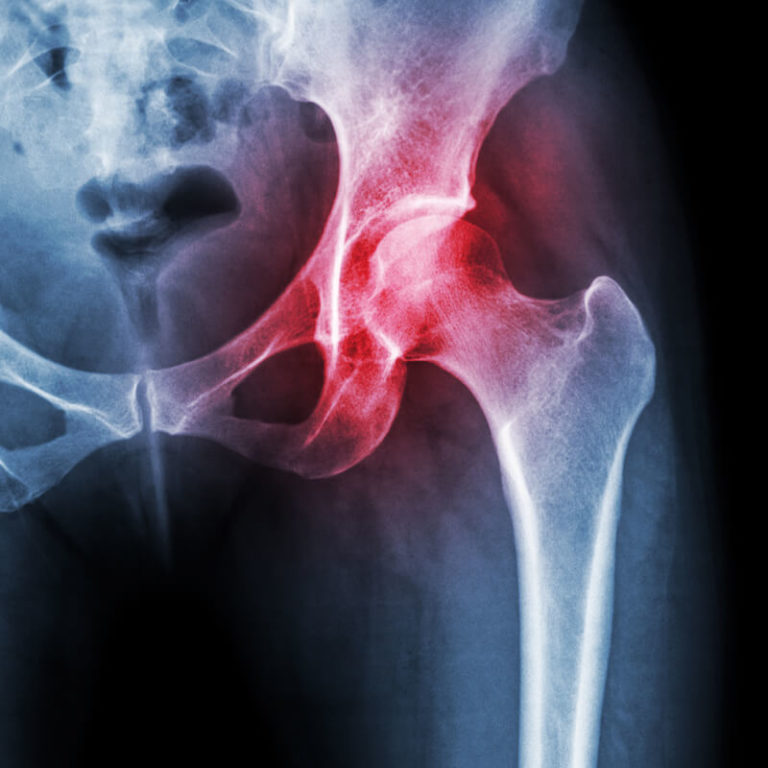
The processes of bone formation and remodeling are very sensitive to an epigenetic response called histone acetylation. Histones are proteins that form a kind of coil on which DNA strands are “wound”. In order for a gene to be read, the corresponding section of the strand must first be unwound, and this only happens if the histones are acetylated. Enzymes called histone deacetylases (HDACs) play an important role in these processes, some of which also influence the production of so-called transcription factors involved in the processes of bone cell formation, differentiation and maturation. However, another epigenetic process, DNA methylation, which is usually associated with ageing and poor lifestyle, also plays a negative role. In fact, faulty methylation patterns can completely shut down some genes that play a crucial role in the process of bone formation.
However, the production of female sex hormones is crucial, which is why osteoporosis most often affects women in menopause. For this reason, consistent consumption of phytoestrogens plays an important role. Emphasis should also be placed on the balance of the gut microbiome. And, of course, sufficient calcium should be consumed.
Suitable herbs and nutrients
Vitamin D3 “
Vitamin K2 “
Resveratrol “
Omega3 “
OPC “
Hops “
Martyr “
Baikal pine cone “