The road to a healthy baby II: Epigenetics in pregnancy
epivyziva.cz/
Zobrazeno: 1,543
“As long as it’s healthy,” expectant mothers like to say. But at the same time, they also want their child to be smart, clever and happy in life… And did you know that all this can be influenced to a large extent by how a woman eats during pregnancy, what pollutants she is exposed to, and even whether she is mentally well?
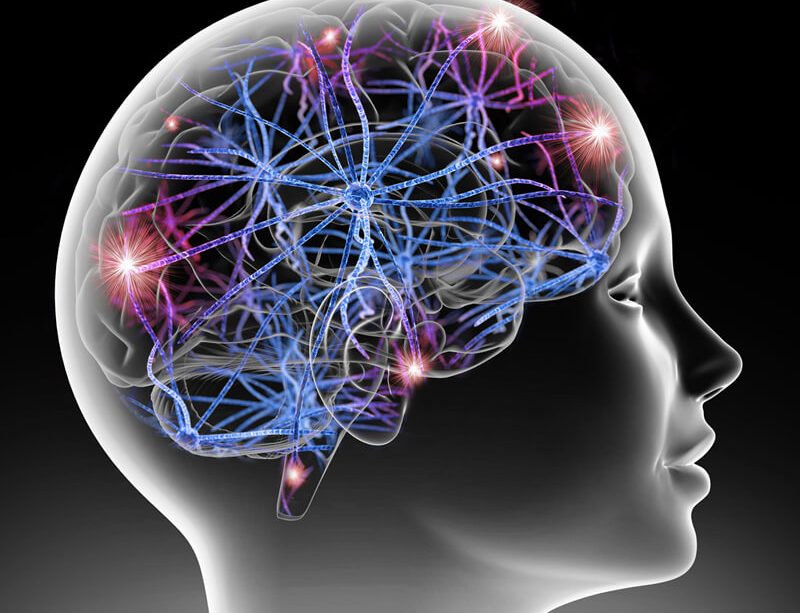
The characteristics and abilities of our future baby are not only influenced by the genes we pass on in our DNA. Equally important is which of these genes are switched on at certain points in life and can therefore form proteins, or switched off and therefore non-functional. Genes are switched on and off by so-called epigenetic reactions, the course of which is largely influenced by our lifestyle.
This is true throughout our lifetime, but it is several times more true during intrauterine development, during which turbulent processes of growth and development take place. It has been shown that during pregnancy a child is much more susceptible to environmental factors that alter the activity of its genes than it is afterwards for the rest of its life. Thus, the mother’s lifestyle during pregnancy significantly affects not only her health, but also, for example, her intelligence and even her child’s psyche (for example, in terms of susceptibility to anxiety and depression).
So what should we pay attention to during pregnancy to prepare our baby for the best possible entry into life?
Nutrition for growth, immunity and intelligence
Nutrition is fundamentally important in pregnancy. Not only does it provide the baby with the building blocks for its growth and development, but it also provides important information about conditions in the outside world. Based on this information, epigenetic reactions take place in the body to prepare the child for life in this world.
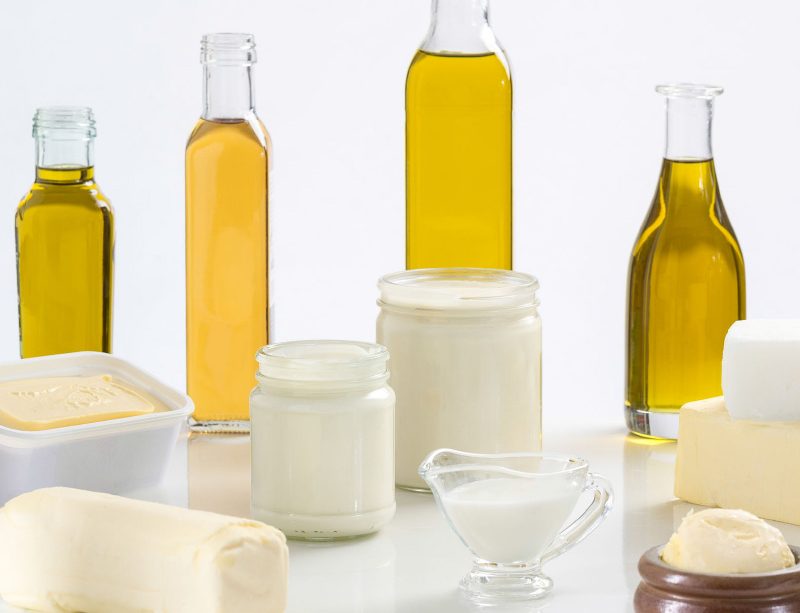
A healthy, balanced diet with enough, but not too much, of all important nutrients should therefore be the basis of pregnancy. From an epigenetic point of view, for example, a Mediterranean diet rich in olive oil, fish and seafood, fruit, vegetables, legumes and red wine has been shown to have a positive effect. Most of these foods have positive epigenetic effects, i.e. they positively influence the activity of important genes, and are therefore (with the exception of wine, of course) also suitable as a basis for a pregnancy diet. According to research, this diet protects the unborn child from the so-called metabolic syndrome, a group of metabolic disorders that increase the risk of cardiovascular disease and type 2 diabetes. In the Western world, about one third of the population suffers from metabolic syndrome.
Macronutrients
On the other hand, a diet containing too much carbohydrate and fat is generally harmful – too much of both is bad for health in general, but if a pregnant mother eats too much of either nutrient, it leads to excessive methylation of the IGF2 gene in the baby. The consequence can be, for example, the development of ADHD (attention deficit hyperactivity disorder). A high-fat diet also reduces the rate of an epigenetic response called histone acetylation. This reduces the activity of a gene for a protein called adiponectin, which is involved in blood glucose regulation and fatty acid oxidation. This can lead to a child being at higher risk of obesity and type 2 diabetes.
On the other hand, a sufficient intake of quality protein is very important. If an expectant mother consumes insufficient protein, her offspring not only have a lower total birth weight, but also a proportionally lower weight of many important organs – brain, heart, liver and kidneys. Certain processes of energy production in the liver and the production of stress hormones are also adversely affected, and these children are generally smaller in stature as adults.
Micronutrients
Folic acid, vitamins B12, B6, B2, choline and betaine – we mention these nutrients together because all of them are important for the proper functioning of another key epigenetic reaction – gene methylation (they usually function as methyl donors). The necessity of folic acid is particularly well known; its deficiency, especially in the early stages of pregnancy, leads to severe damage to the brain and nervous system. Its metabolism produces a methyl group, which is involved in the methylation process. However, sufficient intake of the other nutrients mentioned above, which interfere with this process as cofactors (components of enzymes), is also essential. A deficiency of vitamin B2 in the mother’s diet is often linked to methylation changes that can cause growth disorders and the development of diabetes, but in our country its deficiency is rather rare.
Vitamin D3 – this vitamin with strong epigenetic effects has a very important role in pregnancy. It influences the activity of genes that control the transport of important nutrients across the placenta. This function is necessary to ensure sufficient nutrients for proper growth and development of the fetus, without vitamin D3 the developing baby would suffer from severe malnutrition. Thus, its deficiency results in suppressed fetal growth, poor bone development (impaired bone density and mineral content), and a higher risk of obesity after birth.
Omega-3 – these unsaturated fatty acids not only have significant epigenetic effects (especially in the area of gene methylation), but also have an important structural function. One in particular, DHA, is a component of cell membranes and is considered the most important fatty substance in the brain. Therefore, the level of omega-3 consumption during pregnancy (and then also during breastfeeding) can directly influence the development of the brain and nervous system of the child, and even its intelligence, memory and ability to concentrate. Moreover, when experimental mice in the research were fed a diet low in omega-3, their offspring were born with significantly smaller brains, and with high levels of anxiety symptoms. Omega-3s are also essential in pregnancy for the proper development of the child’s immune system and for the prevention of allergies – children of allergic mothers who supplemented during pregnancy had a lower incidence of atopic eczema and respiratory problems.
What about dietary supplements?
In general, we should be very careful with supplements during pregnancy and a varied diet should be the basis. Most epigenetic dietary supplements are not recommended in pregnancy, but there are a few exceptions.
The best known is folic acid. In our country, women are automatically prescribed it as soon as they visit a gynaecologist for the first time during pregnancy, but since it is important especially in the first weeks after conception, it is advisable to ensure sufficient intake already at the time when we start planning the baby.
Taking omega-3 unsaturated fatty acids is highly recommended – a Canadian study found that only a quarter of pregnant women consume enough omega-3s! It’s important for both the baby’s development (see above), but it helps pregnant women reduce the symptoms of gestational diabetes, and omega-3s also significantly reduce the risk of postpartum depression!
Especially in autumn and winter, it is advisable to consider supplementing vitamin D3, which is also very common in our latitudes.
Negative emotions and stress threaten not only immunity
It has been known for many years that strong negative emotions during pregnancy have a devastating effect on the psyche of the unborn child. But recently, research has emerged suggesting that this is also due to epigenetic mechanisms.
Interesting research on this topic has been conducted in Quebec, Canada. It focused on the children of women who were pregnant in the winter of 1998. At that time, there was a major snowstorm that left three million people in the deep freeze for 45 days without electricity, which of course meant great stress for all residents, and doubly so for pregnant women. When scientists examined their children’s DNA thirteen years later, they found increased methylation in nearly a thousand genes that affect the immune system, especially T-cell function. The level of methylation was related to the objective magnitude of stress to which the mother was exposed (e.g., the degree of damage to her home). In other words, the greater the maternal stress, the worse the child’s immunity.
The influence of the mother’s emotions on the child’s psychological well-being in later life has also been demonstrated. For example, when scientists examined the DNA of children of women who had been sexually abused during pregnancy, they found increased methylation of a gene affecting glucocorticoid receptors. Glucocorticoids are hormones that ensure an optimal response to stress, and if their action is limited (for example, by just dysfunctional receptors), this leads to increased levels of anxiety.
Dangerous diabetes and obesity
In particular, gestational diabetes can greatly affect the child’s epigenome if it is not compensated for. High blood glucose levels, which can significantly alter the level of gene methylation over the long term, are particularly harmful. The child then has a significantly higher risk of diabetes and obesity later in life.
Another problem may be maternal obesity, which also significantly affects the methylation of the child’s genes. This in turn has a higher propensity for obesity, diabetes and cardiovascular disease. However, maternal underweight is also detrimental.
Smoking harms a child’s brain and lungs
Smoking fundamentally alters the epigenetic patterns of the smoker, but if a pregnant woman indulges in this habit, it has a significantly negative effect on her unborn child. Although the baby does not breathe the harmful smoke, many of the problematic substances pass into the blood and from there through the placenta, affecting the genetic information of the foetus in a similar way to the DNA of the smoker. Recent research published in the American Journal of Human Genetics has shown that smoking in pregnancy primarily affects a process called gene methylation (methylation causes a gene to be “turned off”). The authors found that the children of smokers have different methylation patterns for more than 6,000 genes compared to the offspring of non-smokers! In particular, these were genes that affect the development of the nervous system and lungs.
In pregnancy itself, smoking adversely affects fetal growth – babies of smokers are born at a lower birth weight – and increases the risk of miscarriage. Epigenetic changes are also likely to be the reason why a higher percentage of babies born to smokers are born with cleft lipids. Over the course of their lives, these children have a higher incidence of respiratory problems, immune disorders, are more likely to be obese, and are also at greater risk of cancer and type II diabetes.
Alcohol destroys the intellect
If the expectant mother drinks alcohol, she negatively affects all basic epigenetic mechanisms (i.e. gene methylation, histone acetylation and microRNA regulation). This has a particularly negative impact on the development of the child’s nervous system – in particular, the child is at risk of reduced intelligence, learning and memory impairments, impaired attention, but also at higher risk of anxiety and behavioural disorders.
Beware of environmental toxins
Toxic substances from the environment can alter the epigenetic patterns of the developing child quite substantially. They affect so-called cofactors, which are non-protein parts of enzymes, especially those enzymes involved in epigenetic processes. Some of these cofactors are consumed in detoxification processes, others are damaged by free radicals, whose production is affected by the presence of toxins in the body. Some pollutants also interfere with cellular metabolism or affect mitochondrial function.
Most of the toxic substances are of course harmful to humans at any age, but the developing fetus is many times more sensitive to them than the adult organism, and this is also true for children shortly after birth. The changes that take place in epigenetic information as a result of their action are almost always negative – they can result in developmental defects in the worst case, or in minor changes in the best case, which significantly increase the risk of a number of diseases later in the child’s life (but fortunately, these epigenetic changes are reversible in many cases). The degree of damage to the foetus depends not only on the amount of the agent involved, but on the stage of pregnancy at which it occurs. Toxin exposure in the first trimester has the worst effects.
The risk is not only posed by substances that we generally perceive as “poisons”, i.e. heavy metals (a significant part of their toxic effect has an epigenetic background), but also by industrial and transport exhaust emissions, pesticides and other substances used in the cultivation of agricultural crops, and even polycyclic aromatic hydrocarbons, which are produced, for example, when grilling or burning candles. For example, environmental toxins present during pregnancy can adversely affect fetal growth and cognitive development, and after birth they increase the incidence of immune disorders, asthma, allergies and behavioural problems.
0:00
/
0:00
Stárnutí je volba
Klíčová slova: alcohol, Baikal pine cone, brain development, choline, dietary supplements, emotions in pregnancy, epigenetics, fetal development, fetal harm, folic acid, Kurperin, pps, Pregnancy, Smoking
Komentáře
Seznam zdrojů
- Bernal A, Jirtle R. Epigenomic disruption: the effects of early developmental exposures. Birth Defects Res A Clin Mol Teratol. 2011;6203(919):1–14.
- Crider K, Yang T, Berry R, Bailey L. Folate and DNA methylation: a review of molecular mechanisms and the evidence for folate’s role. Adv Nutr. 2012;3(14):21–38.
- Lorite Mingot et al. (2017). Epigenetic effects of the pregnancy Mediterranean diet adherence on the offspring metabolic syndrome markers. J Physiol Biochem, 73:495-510.
- van Straten, E.M. et al,, 2010. The liver X-receptor gene promoter is hypermethylated in a mouse model of prenatal protein restriction. Am J Physiol Regul Integr Comp Physiol 298, R275–R282.
- Crider K, Quinlivan E, Berry R, et al. Genomic DNA methylation changes in response to folic acid supplementation in a population-based intervention study among women of reproductive age. PLoS One. 2011;6(12):e28144.
- Rampersaud G, Kauwell G, Hutson AD, Cerda J, Bailey L. Genomic DNA methylation decreases in response to moderate folate depletion in elderly women. Am J Clin Nutr. 2000;72:998–1003.
- Anderson O, Sant K, Dolinoy D. Nutrition and epigenetics: an interplay of dietary methyl donors, one-carbon metabolism, and DNA methylation. J Nutr Biochem. 2012;23(8):853–859.
- Azzi S, Sas T, Koudou Y, et al. Degree of methylation of ZAC1 (PLAGL1) is associated with prenatal and post-natal growth in healthy infants of the EDEN mother child cohort. Epigenetics. 2014;9(3):338–345.
- Rijlaarsdam, J. et al. (2016). Prenatal unhealthy diet, insulin-like growth factor 2 gene (IGF2) methylation, and attention deficit hyperactivity disorder symptoms in youth with early-onset conduct problems. Journal of Child Psychology and Psychiatry, doi: 10.1111/jcpp.12589.
- Brogan, A. et al. (2017). Short term vitamin D exposure alters methylation status of term placental villi. Placenta, 57:262.
- Connye N. Kuratko, Erin Cernkovich Barrett, Edward B. Nelson, and Salem Norman, Jr. The Relationship of Docosahexaenoic Acid (DHA) with Learning and Behavior in Healthy Children: A Review. Nutrients. 2013 Jul; 5(7): 2777–2810.
- Richardson A.J., Burton J.R., Sewell R.P., Spreckelsen T.F., Montgomery P. Docosahexaenoic acid for reading, cognition and behavior in children aged 7–9 years: A randomized, controlled trial (the DOLAB Study) PLoS One. 2012;7:e43909.
- Nobuyuki Sakayori, Takako Kikkawa, Hisanori Tokuda, Emiko Kiryu, Kaichi Yoshizaki, Hiroshi Kawashima, Tetsuya Yamada, Hiroyuki Arai, Jing X. Kang, Hideki Katagiri, Hiroshi Shibata, Sheila M. Innis, Makoto Arita, Noriko Osumi. Maternal dietary imbalance between omega-6 and omega-3 polyunsaturated fatty acids impairs neocortical development via epoxy metabolites. STEM CELLS, 2015
- Xiaoming Jia, Mohammadreza Pakseresht, Nour Wattar, Jamie Wildgrube, Stephanie Sontag, Murphy Andrews, Fatheema Begum Subhan, Linda McCargar, Catherine J. Field. Women who take n-3 long-chain polyunsaturated fatty acid supplements during pregnancy and lactation meet the recommended intake. Applied Physiology, Nutrition, and Metabolism, 2015; 1 DOI: 10.1139/apnm-2014-0313
- María Consuelo Escamilla-Nuñez, MSc, Albino Barraza-Villarreal, PhD, Leticia Hernández-Cadena, PhD, Efraín Navarro-Olivos, MD, Peter D. Sly, MBBS, MD, DSc, and Isabelle Romieu, MD, MPH, ScD. Omega-3 Fatty Acid Supplementation During Pregnancy and Respiratory Symptoms in Children. Chest. 2014 Aug; 146(2): 373–382.
- D Berman, C Clinton, R Limb, EC Somers, V Romero, and E Mozurkewich. Prenatal Omega-3 Supplementation and Eczema Risk among Offspring at Age 36 Months. Insights Allergy Asthma Bronchitis. 2016; 2(1): 1.
Miller BJ, Murray L, Beckmann MM, Kent T, Macfarlane B. Dietary supplements for preventing postnatal depression. Cochrane Database Syst Rev. 2013 Oct 24;(10):CD009104. doi: 10.1002/14651858.CD009104.pub2.
Alireza Ostadrahimi, Sakineh Mohammad-Alizadeh, Mozhgan Mirgafourvand, Sina Yaghoubi,4 Elham Shahrisa,and Azizeh Farshbaf-Khalili. Effects of Fish Oil Supplementation on Gestational Diabetes Mellitus (GDM): A Systematic Review.
Lei Cao-Lei, Renaud Massart, Matthew J. Suderman, Ziv Machnes, Guillaume Elgbeili, David P. Laplante, Moshe Szyf, Suzanne King. DNA Methylation Signatures Triggered by Prenatal Maternal Stress Exposure to a Natural Disaster: Project Ice Storm. PLoS ONE. 2014. - Radtke KM, Ruf M, Gunter HM, Dohrmann K, Schauer M, Meyer A, Elbert T (July 2011). “Transgenerational impact of intimate partner violence on methylation in the promoter of the glucocorticoid receptor”. Translational Psychiatry. 1 (July 19): e21.
- Joubert, B. et al. (2016). DNA Methylation in Newborns and Maternal Smoking in Pregnancy: Genome-wide Consortium Meta-analysis. American Journal of Human Genetics, 98(4): 680-696.
- Suter MA, Anders AM, Aagaard KM. Maternal smoking as a model for environmental epigenetic changes affecting birthweight and fetal programming. Mol Hum Reprod 2013; 19:1–6; PMID:23139402
- Abel EL. Smoking during pregnancy: a review of effects on growth and development of offspring. Hum Biol 1980; 52:593–625; PMID:7009384
- Grabenhenrich LB, Gough H, Reich A, Eckers N, Zepp F, Nitsche O, Forster J, Schuster A, Schramm D, Bauer CP, et al. Early-life determinants of asthma from birth to age 20 years: A German birth cohort study. J Allergy Clin Immunol 2014; 133(4):979–88; PMID:24461583;
- Wang L, Joad JP, Abel K, Spinner A, Smiley-Jewell S, Liu H, Pinkerton KE. Effects of environmental tobacco smoke on the developing immune system of infant monkeys. J Allergy Clin Immunol 2007; 120:445–51; PMID:17482667
- Benartzi CS, Koestler DC, Houseman EA, Christensen BC, Wiencke JK, Schned AR, Karagas MR, Kelsey KT, Marsit CJ. DNA methylation profiles delineate etiologic heterogeneity and clinically important subgroups of bladder cancer. Carcinogenesis 2010; 31:1972–6
- Makin J, Fried PA, Watkinson B. A comparison of active and passive smoking during pregnancy: long-term effects. Neurotoxicol Teratol 1991; 13:5–12
- Ungerer M, Knezovich J, Ramsay M. In utero alcohol exposure, epigenetic changes, and their consequences. Alcohol Res 2013; 35:37–46; PMID:24313163
- Pruett D, Waterman EH, Caughey AB. Fetal alcohol exposure: consequences, diagnosis, and treatment. Obstet Gynecol Surv 2013; 68:62–9; PMID:23322082;
- Wallace DC, Fan W. Energetics, epigenetics, mitochondrial genetics. Mitochondrion 2010; 10:12–31; PMID:19796712
- Migicovsky Z, Kovalchuk I. Epigenetic memory in mammals. Front Genet 2011; 2:28; PMID:22303324; http://dx.doi.org/10.3389/fgene.2011.00028
- Perera F, Herbstman J. Prenatal environmental exposures, epigenetics, and disease. Reprod Toxicol 2011; 31:363–73; PMID:21256208;
- Finer S, Mathews C, Lowe R, et al. Maternal gestational diabetes is associated with genome-wide DNA methylation variation in placenta and cord blood of exposed offspring. Hum Mol Genet. 2015;44:1–31.[
- Sharp G, Lawlor D, Richmond R, et al. Maternal pre-pregnancy BMI and gestational weight gain, offspring DNA methylation and later offspring adiposity: findings from the Avon Longitudinal Study of Parents and Children. Int J Epidemiol. 2015;44(4):1288–1304.
- Morales E, Groom A, Lawlor D, Relton C. DNA methylation signatures in cord blood associated with maternal gestational weight gain: results from the ALSPAC cohort. BMC Res Notes. 2014;7(1):278.