The mysterious world inside our gut: bacteria affect our health and genetic information
epivyziva.cz/
Zobrazeno: 2,794
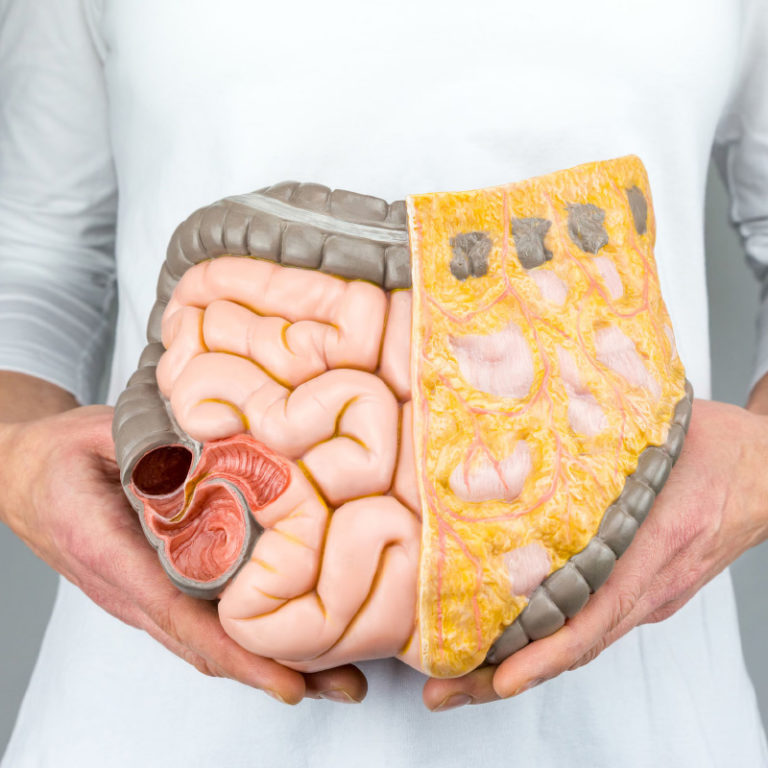
Inside each of us there is a whole complex world inhabited by strange beings whose qualities and actions profoundly affect our lives. No, we are not talking here about the mental world of a psychiatric patient, but about the microscopic organisms that inhabit our intestines. Our gut microbiome is not only important for food digestion and immunity, but can also actively influence the activity of many genes in our DNA.
There is practically no moment in our lives when we are the only living being in our body. Until recently, although scientists believed that during intrauterine development our intestines were virginally clean, it was only at the moment of passing through the birth canal that we became “infected” with our mother’s microorganisms, and then we ingested others through breast milk (probiotic bacteria), but also, for example, through contact with our mother’s skin. However, recent research has shown that the gut is already rich with life long before birth, as microbes from the amniotic fluid and placenta enter the gut.
Affects immunity, mental development and weight loss
We have used the word “infected” in quotation marks deliberately. These microorganisms do not primarily cause disease (although if there is an imbalance in the intestinal system, this can happen). Instead, our coexistence with them can be described as a symbiosis, i.e. a mutually beneficial relationship. We provide them with nutrition, and in return they help us digest our food through fermentation, produce certain vitamins (such as vitamin B12 and K2), and in addition they constantly interact with our immune system to help shape our immune response.
In addition, the state of our microbiome (microbiome is a more accurate term than microbiota, as it is not a plant organism) has been shown to have a significant impact on our susceptibility to many diseases and problems, such as cardiovascular disease, diabetes, asthma, allergies, autoimmune diseases and obesity. According to recent research, the microbiome is even closely linked to the development of the nervous system (especially in the first three years of life), brain function, and stress and anxiety responses. There have even been studies suggesting a possible link between the microbiome and the development of autism!
Bacteria alter DNA function
However, epigenetics also plays a role in all this in the form of external influences that trigger specific biochemical reactions that then affect the activity of genes in our DNA, and may even turn some of them off or on. Here too, our relationship with the microbes in our gut is reciprocal: we humans trigger reactions through lifestyle factors that affect the activity of genes not only in our own DNA, but also in the DNA of our gut microbes. And they in turn greatly influence our epigenetic patterns.
Thus, even during our prenatal development, microorganisms from our mother’s body influence which of our genes are turned on and off, and therefore influence a large number of aspects of our development. And it continued after birth, especially in the first three years of life, when the influence of nutrition and other lifestyle factors added to the “infection” from our loved ones (breast milk, contact with loved ones).
It all starts in the womb
The most sensitive period of human life in terms of epigenetics is prenatal development, i.e. pregnancy. This is the time when epigenetic reactions are at their most intense and determine which of the inherited genes will be used in the child’s development. The specific course of these epigenetic reactions is mainly influenced by the mother. The influence of the mother’s nutrition, which provides not only the building blocks for the child’s development but also a number of substances with epigenetic effects, is crucial. The mother’s exposure to environmental pollutants, her physical activity and even her emotional state are also important. (We have written more about these influences here: https://www.epivyziva.cz/cesta-ke-zdravemu-miminku-ii-epigenetika-v-tehotenstvi/)
However, as we mentioned above, already at this time the developing baby is exposed to microbes from the amniotic fluid or placenta that colonize its gut and affect epigenetic processes. These microbes can particularly affect the immune response and the propensity to allergies in the first years of life.
Expectant mothers should therefore try to positively influence their own gut microbiome, as this determines which micro-organisms inhabit their baby’s gut. A rational diet containing probiotics and probiotics is particularly important here – women who received these substances during pregnancy have even been found to have a different epigenetic response rate called gene methylation. But restraint in the use of antibiotics, for example, is also in order.
Breastfeeding is irreplaceable
An absolutely crucial food in the first months of life is breast milk. It contains not only the optimal mix of nutrients in terms of growth and development of the child, but also in terms of epigenetic effects on both the child’s organism and its microbiome. For example, there is the protein lactoferrin, which positively influences the activity of genes that control the inflammatory response in the gut, or oligosaccharides, which serve as a prebiotic (i.e. a substrate that allows gut microorganisms to survive). Mother’s milk also has an epigenetic effect on the child’s immunity, digestive processes, intestinal barrier function, cholesterol levels, and the propensity to inflammatory processes, obesity and metabolic disorders later in life. The beneficial effect of breastfeeding on the development of the intestinal microflora is also probably the reason why breastfed children are less likely to suffer from immune disorders, asthma and allergies.
A little dirt doesn’t hurt
However, other influences also play a major role in the colonization of the gut. First and foremost is early contact with microorganisms, which bucks the trend of recent decades to keep babies in as sterile an environment as possible to protect them from disease. The effect is quite the opposite. For example, when baby mice were kept in a germ-free environment in research, they developed an imperfect immune response and a high incidence of allergies.
However, contact with common microbes found in nature is also important during pregnancy, because even then the baby’s immune response is already being shaped by the mother’s microbiome. For example, children of women living on farms during pregnancy had a significantly lower risk of asthma compared to children of urban mothers.
Watch out for caesarean section
However, the method of delivery is also important. When passing through the birth canal, there is massive contact with the mother’s microbiome, which is important for optimal colonisation of the baby’s gut with bacteria. Thus, in children born by caesarean section, significant deviations in the composition of the intestinal microbiota have been observed, which persisted until the seventh year of life. These children therefore have a higher risk of developing immune disorders, allergies, as well as arthritis and inflammatory bowel disease. In particular, children suffering from ulcerative colitis and Crohn’s disease have been reported to have a lower species diversity of gut microbiota, which results in epigenetic changes leading to an increased risk of these diseases (in particular by affecting the inflammatory response). Children after caesarean section even suffer from a higher incidence of childhood obesity.
Antibiotic treatment also has a negative effect on the composition of the gut microbiota. This has a negative effect at all stages of life, but in the early stages it causes epigenetic changes that, for example, increase the risk of asthma, inflammatory bowel disease and diabetes later in life.
Although the epigenetic effects of the gut microbiome are highest during pregnancy and the first three years of life, this does not mean that they do not apply later in life. On the contrary, the importance of optimal colonization of our gut continues throughout life. For example, significantly lower species diversity of the gut microbiota has been shown in obese adults, and this aspect has been shown to be associated with the risk of inflammatory bowel disease, diabetes, bowel cancer and a range of other conditions.
Focused on nutrition
So how do we increase the quality of the population in our intestines? A good diet should be the basis, but supplements can also help.
Probiotics
Consuming probiotics, whether in the form of fermented dairy products, fermented vegetables or supplements, is very important. This is particularly important for pregnant mothers and breastfeeding mothers – supplementing with probiotics in the last few weeks of pregnancy and up to 6 months of age, for example, has led to a significant reduction in the incidence of atopic eczema in children. Consumption of probiotics in children had a similar effect, up to the age of 7 years. However, probiotics are also important for health care throughout the rest of life.
Prebiotics
Equally important are the so-called prebiotics. These are mainly indigestible or difficult-to-digest carbohydrates that serve as a substrate for probiotic bacteria (e.g. fructooligosaccharides and inulin). For example, chicory root is a very rich source of these, which also has epigenetic effects. As a result, chicory significantly supports immunity, counteracts allergies, constipation, arthritis, promotes weight loss and reduces the risk of colon cancer (more here: https://www.epivyziva.cz/cekanka-obecna/). Other sources of prebiotics include Jerusalem artichokes, garlic, onions and some types of mushrooms.
Isoflavones
Many plant substances, which chemically include isoflavones and polyphenols, also have a very positive effect on the gut microbiome. Most of them have strong antioxidant effects, directly counteracting a number of bacterial, viral and fungal pathogens, while promoting the growth of beneficial microorganisms. Some also have direct epigenetic effects:
- Quercetin, which can be found mainly in many fruits, is probably the best studied in terms of its effect on the microbiome. Combined with its epigenetic action, it makes it an effective weight loss aid.
- The resveratrol in grape skins promotes the growth of several strains of “friendly” bacteria (especially Lactobacillus and Bifidobacterium), suppresses some undesirable ones (such as Enterococcus) and reduces the negative impact of a high-fat diet on the gut microbiome.
Other dietary supplements
L-glutamine – The use of this amino acid effectively adjusts the balance of individual intestinal microorganisms. This is especially reflected in improved immunity and also in the promotion of weight loss.
Omega-3 and omega-6 – both of these types of unsaturated fatty acids have a beneficial effect on the gut microbiome. However, our diets tend to contain an excess of omega-6, so it is advisable to supplement only with omega-3.
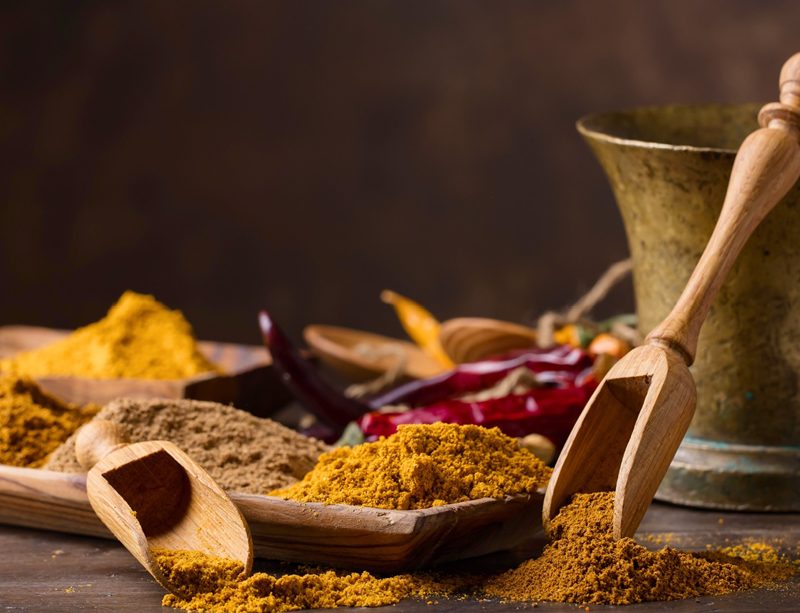
Curcumin – the active ingredient of turmeric root is known for its beneficial effects on inflammatory bowel diseases (especially Crohn’s disease and Ulcerative colitis). This is due to both its epigenetic action on inflammatory processes and its effect on the gut microbiome. For optimal absorption, curcumin should be consumed together with piperine.
Spirulina – this blue-green freshwater algae effectively promotes the growth of beneficial probiotics (mainly Lactobacillus), while effectively suppressing the multiplication of undesirable ones.
0:00
/
0:00
Stárnutí je volba
Klíčová slova: breastfeeding, caesarean section, Chicory, depression, epigenetics, gut microbiome, immunity, isoflavones, Kurperin, microflora, physiogym, prebiotics, Pregnancy, probiotics, quercetin, resveratrol, weight loss
Komentáře
Seznam zdrojů
- Franck Carbonero. Human epigenetics and microbiome: the potential for a revolution in both research areas by integrative studies. Future Sci OA. 2017 Aug; 3(3): FSO207.
- Flavia Indrio, Silvia Martini, Ruggiero Francavilla, Luigi Corvaglia, Fernanda Cristofori,Salvatore Andrea Mastrolia, Josef Neu, Samuli Rautava, Giovanna Russo Spena, Francesco Raimondi, andGiuseppe Loverro. Epigenetic Matters: The Link between Early Nutrition, Microbiome, and Long-term Health Development. Front Pediatr. 2017; 5: 178.
- Celluzzi A, Masotti A. How our other genome controls our epi-genome. Trends Microbiol (2016) 24:777–87.10.1016/j.tim.2016.05.005
- Bhutta ZA, Das JK, Rizvi A, Gaffey MF, Walker N, Horton S, et al. Evidence-based interventions for improvement of maternal and child nutrition: what can be done and at what cost? Lancet (2013) 382:452–77.10.1016/S0140-6736(13)60996-4
- Neu J. The microbiome during pregnancy and early postnatal life. Semin Fetal Neonatal Med (2016) 21:373–9.10.1016/j.siny.2016.05.001
- Collado MC, Rautava S, Aakko J, Isolauri E, Salminen S. Human gut colonisation may be initiated in utero by distinct microbial communities in the placenta and amniotic fluid. Sci Rep (2016) 6:23129.10.1038/srep23129 [
- Neu J. The microbiome during pregnancy and early postnatal life. Semin Fetal Neonatal Med (2016) 21:373–9.10.1016/j.siny.2016.05.001.
- Koren O, Goodrich JK, Cullender TC, Spor A, Laitinen K, Bäckhed HK, et al. Host remodeling of the gut microbiome and metabolic changes during pregnancy. Cell (2012) 150:470–80.10.1016/j.cell.2012.07.008
- Mueller NT, Mao G, Bennet WL, Hourigan SK, Dominguez-Bello MG, Appel LJ, et al. Does vaginal delivery mitigate or strengthen the intergenerational association of overweight and obesity? Findings from the Boston Birth Cohort. Int J Obes (Lond) (2017) 41:497–501.10.1038/ijo.2016.219
- Minekawa R, Takeda T, Sakata M, Hayashi M, Isobe A, Yamamoto T, et al. Human breast milk suppresses the transcriptional regulation of IL-1beta-induced NF-kappaB signaling in human intestinal cells. Am J Physiol Cell Physiol (2004) 287:C1404–11.10.1152/ajpcell.00471.2003
- Weng M, Walker WA. The role of gut microbiota in programming the immune phenotype. J Dev Orig Health Dis (2013) 4:203–14.10.1017/S2040174412000712
- Hooper LV, Wong MH, Thelin A, Hansson L, Falk PG, Gordon JI. Molecular analysis of commensal host-microbial relationships in the intestine. Science (2001) 291:881–4.10.1126/science.291.5505.881
- Sjögren YM, Tomicic S, Lundberg A, Böttcher MF, Björkstén B, Sverremark-Ekström E, et al.Influence of early gut microbiota on the maturation of childhood mucosal and systemic immune responses. Clin Exp Allergy (2009) 39:1842–51.10.1111/j.1365-2222.2009.03326.x
- Sharma AM, Staels B. Review: peroxisome proliferator-activated receptor gamma and adipose tissue – understanding obesity-related changes in regulation of lipid and glucose metabolism. J Clin Endocrinol Metab (2007) 92:386–95.10.1210/jc.2006-1268
- Rossmeisl M, Medrikova D, van Schothorst EM, Pavlisova J, Kuda O, Hensler M, et al. Omega-3 phospholipids from fish suppress hepatic steatosis by integrated inhibition of biosynthetic pathways in dietary obese mice. Biochim Biophys Acta (2014) 1841:267–78.10.1016/j.bbalip.2013.11.010
- Owen CG, Whincup PH, Odoki K, Gilg JA, Cook DG. Infant feeding and blood cholesterol: a study in adolescents and a systematic review. Pediatrics (2002) 110:597
- Fofanova TY, Petrosino JF, Kellermayer R. Microbiome-epigenome interactions and the environmental origins of inflammatory bowel diseases. J Pediatr Gastroenterol Nutr (2016) 62:208
- Round JL, Mazmanian SK. Inducible Foxp3+ regulatory T-cell development by a commensal bacterium of the intestinal microbiota. Proc Natl Acad Sci U S A (2010) 107:12204–9.10.1073
- McLoughlin RM, Mills KHG. Influence of gastrointestinal commensal bacteria on the immune responses that mediate allergy and asthma. J Allergy Clin Immunol (2011) 127:1097
- Patel RM, Lin PW. Developmental biology of gut-probiotic interaction. Gut Microbes (2010) 1:186
- Sudo N, Sawamura S, Tanaka K, Aiba Y, Kubo C, Koga Y. The requirement of intestinal bacterial flora for the development of an IgE production system fully susceptible to oral tolerance induction. J Immunol(1997) 159:1739–45.
- Kalliomäki M, Kirjavainen P, Eerola E, Kero P, Salminen S, Isolauri E. Distinct patterns of neonatal gut microflora in infants in whom atopy was and was not developing. J Allergy Clin Immunol (2001) 107:129–34.10.1067/mai.2001.111237
- Kalliomäki M, Collado MC, Salminen S, Isolauri E. Early differences in fecal microbiota composition in children may predict overweight. Am J Clin Nutr (2008) 87:534–8.
- Dominguez-Bello MG, Costello EK, Contreras M, Magris M, Hidalgo G, Fierer N, et al. Delivery mode shapes the acquisition and structure of the initial microbiota across multiple body habitats in newborns. Proc Natl Acad Sci U S A (2010) 107:11971
- Salminen S, Gibson GR, McCartney AL, Isolauri E. Influence of mode of delivery on gut microbiota composition in seven year old children. Gut (2004) 53:1388
- Sevelsted A, Stokholm J, Bønnelykke K, Bisgaard H. Cesarean section and chronic immune disorders. Pediatrics (2015) 135:e92–8.10.1542/peds.2014-0596
- Turta O, Rautava S. Antibiotics, obesity and the link to microbes – what are we doing to our children?BMC Med (2016) 14:57.10.1186/s12916-016-0605-7
- Semic-Jusufagic A, Belgrave D, Pickles A, Telcian AG, Bakhsoliani E, Sykes A, et al. Assessing the association of early life antibiotic prescription with asthma exacerbations, impaired antiviral immunity, and genetic variants in 17q21: a population-based birth cohort study. Lancet Respir Med (2014) 2:621–30.10.1016/S2213-2600(14)70096-7
- Candon S, Perez-Arroyo A, Marquet C, Valette F, Foray A-P, Pelletier B, et al. Antibiotics in early life alter the gut microbiome and increase disease incidence in a spontaneous mouse model of autoimmune insulin-dependent diabetes. PLoS One (2015) 10:e0125448.10.1371/journal.pone.0125448
- Hviid A, Svanström H, Frisch M. Antibiotic use and inflammatory bowel diseases in childhood. Gut(2011) 60:49–54.10.1136/gut.2010.219683
- Kuhle S, Tong OS, Woolcott CG. Association between caesarean section and childhood obesity: a systematic review and meta-analysis. Obes Rev (2015) 16:295–303.10.1111/obr.12267
- Kumar H, Lund R, Laiho A, Lundelin K, Ley RE, Isolauri E, et al. Gut microbiota as an epigenetic regulator: pilot study based on whole-genome methylation analysis. MBio (2014) 5:e2113–4.10.1128/mBio.02113-14
- Remely M, Aumueller E, Jahn D, Hippe B, Brath H, Haslberger AG. Microbiota and epigenetic regulation of inflammatory mediators in type 2 diabetes and obesity. Benef Microbes (2014) 5:33–43.10.3920/BM2013.00
- O’ Mahony SM, Stilling RM, Dinan TG, Cryan JF. The microbiome and childhood diseases: focus on brain-gut axis. Birth Defects Res C Embryo Today (2015) 105:296–313.10.1002/bdrc.21118
- Stilling RM, Dinan TG, Cryan JF. Microbial genes, brain & behaviour – epigenetic regulation of the gut-brain axis. Genes Brain Behav (2014) 13:69–86.10.1111/gbb.12109
- Dinan TG, Cryan JF. Regulation of the stress response by the gut microbiota: implications for psychoneuroendocrinology. Psychoneuroendocrinology (2012) 37:1369–78.10.1016/j.psyneuen.2012.03.007
- Li Q, Han Y, Dy ABC, Hagerman RJ. The gut microbiota and autism spectrum disorders. Front Cell Neurosci (2017) 11:120.10.3389/fncel.2017.00120
- Kalliomäki M, Salminen S, Arvilommi H, Kero P, Koskinen P, Isolauri E. Probiotics in primary prevention of atopic disease: a randomised placebo-controlled trial. Lancet (2001) 357:1076–9.10.1016/S0140-6736(00)04259-8
- Kalliomäki M, Salminen S, Poussa T, Isolauri E. Probiotics during the first 7 years of life: a cumulative risk reduction of eczema in a randomized, placebo-controlled trial. J Allergy Clin Immunol(2007) 119:1019–21.10.1016/j.jaci.2006.12.608
- Douwes J, Cheng S, Travier N, Cohet C, Niesink A, McKenzie J, et al. Farm exposure in utero may protect against asthma, hay fever and eczema. Eur Respir J (2008) 32:603–11.10.1183/09031936.00033707
- Etxeberria et al. (2015) Etxeberria U, Arias N, Boqué N, Macarulla MT, Portillo MP, Martínez JA, Milagro FI. Reshaping faecal gut microbiota composition by the intake of trans-resveratrol and quercetin in high-fat sucrose diet-fed rats. Journal of Nutritional Biochemistry. 2015;26:651–660.
- Larrosa et al. (2009) Larrosa M, Yañéz Gascón MJ, Selma MV, González-Sarrías A, Toti S, Cerón JJ, Tomás-Barberán F, Dolara P, Espín JC. Effect of a low dose of dietary resveratrol on colon microbiota, inflammation and tissue damage in a DSS-induced colitis rat model. Journal of Agricultural and Food Chemistry. 2009;57:2211–2220.
- Adrian Catinean, Maria Adriana Neag, Dana Maria Muntean, Ioana Corina Bocsan, andAnca Dana Buzoianu. An overview on the interplay between nutraceuticals and gut microbiota. PeerJ. 2018; 6: e4465. https://www.ncbi.nlm.nih.gov/pmc/articles/PMC5855885/#ref-57
- Ramalingam et al. (2016) Ramalingam R, Harrison CA, Besselsen DG, John H. The role of curcumin in modulating colonic microbiota during colitis and colon cancer prevention. Inflammatory Bowel Diseases. 2016;21:2483–2494.