Is fatness in our genes?
epivyziva.cz/
Zobrazeno: 1,620

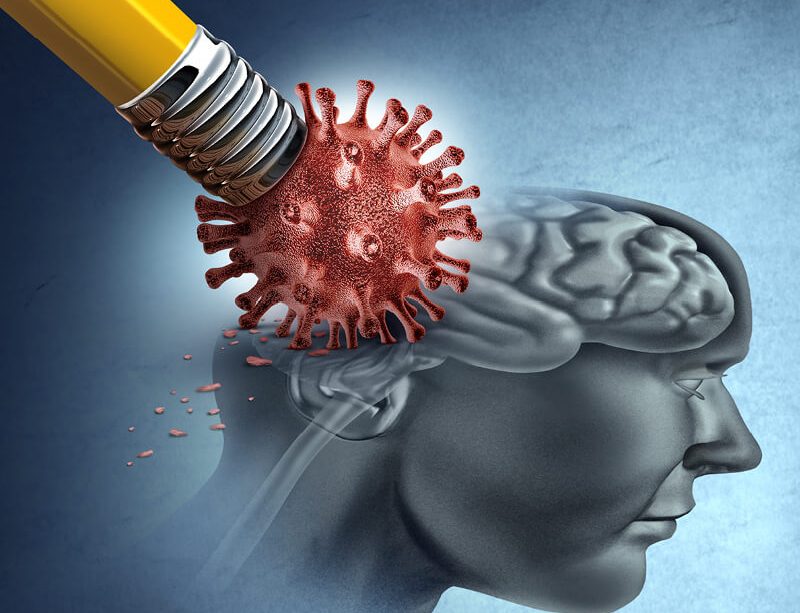
Are you worried about extra pounds, are you unable to lose weight and are you convinced that it is simply “in your genes”? Then you are largely right – there are indeed genes in our DNA that increase the risk of obesity. But the good news is that we have the means to control these genes. In fact, a number of natural substances can effectively regulate the activity of these genes through epigenetic processes.
The basis for achieving and maintaining optimal weight has always been, is and will always be a balance between energy intake (i.e. what we eat) and expenditure (i.e. mainly the level of physical activity). However, there are still big differences between people – some people can eat anything without gaining weight, while others fail to lose weight despite significant dietary restrictions. The differences are due both to genetic make-up and to so-called epigenetic patterns, i.e. the degree of chemical changes that switch certain genes on or off.
When diet alone is not enough
Just because we eat a certain food doesn’t mean anything. The nutrients from the food must be absorbed and used to create energy, which is either consumed immediately or stored as fat. In the process of their formation, fat cells must first form and then differentiate. When, on the other hand, the stores are used up, the fat cells must first be converted by chemical reactions to release energy, which must then be consumed, for example, by the working muscles. All of these processes take the form of complex biochemical reactions involving a variety of enzymes. These enzymes are created by individual genes in our DNA, which determine how willing we are to lose or gain weight.
The influence of genetics is much more pronounced than dietitians usually acknowledge – genes account for an estimated 40-70 percent of adipose tissue volume (1). Moreover, a growing body of research confirms that it is not the genes themselves that play a role, but rather environmental factors that cause chemical changes that affect the activity of these genes. For example, obese individuals overwhelmingly have different methylation patterns of important genes compared to lean individuals, but they also differ in the rate of another important epigenetic process, histone acetylation (2).
For example, methylation and demethylation determine how readily fat cells (adipocytes) are formed in the body from so-called preadipocytes (3-4). Genes that influence energy balance and the production of hormones that control metabolic processes are also a very little-studied area. So far, 256 of these have been discovered in mice, and a high number is expected in humans as well. Their activity is also dependent on epigenetic processes such as gene methylation or histone acetylation (24).
Fix what you inherited
Epigenetic patterns are inherited – so if parents are obese, it is very likely that their child will inherit the negative changes. Other negative epigenetic processes also take place during pregnancy (25). However, malnutrition can also be a cause there. In fact, if the mother tries to maintain a slim figure at all costs and restricts her nutrient intake, the child takes this as a signal that there is a deficiency “out there” and epigenetic changes begin to take place in his body that will allow his body to make maximum use of all the nutrients it receives. However, a number of negative epigenetic changes also take place throughout life, particularly in relation to inappropriate diet and lack of exercise.
Fortunately, epigenetic changes are reversible, so at any age we can reduce our tendency to gain weight and, in turn, promote weight loss. A healthy, balanced diet and plenty of exercise are essential, and the use of dietary supplements containing herbs or nutrients with epigenetic effects can be very effective. Of course, they do not replace the adjustment of the ratio between energy intake and expenditure, but their effect is still quite significant.
Among the substances that can positively influence obesity-related epigenetic processes are organosulfur substances found in, for example, garlic or onions, but the largest group is made up of flavonoids, which are found in a wide range of foods, including tea, coffee, wine, fruit, vegetables and many spices. Here is a list of the most important ones.
EGCG
Another flavonoid, epigallocatechin gallate, or EGCG, is one of the most important substances in green tea (black tea also contains it, but in lower amounts). Several studies have shown that regular consumption of green tea leads to an overall decrease in body fat and waist circumference (9,10).
There are a number of mechanisms by which EGCG works – these include regulating appetite, affecting energy expenditure, fat and glucose absorption, and affecting the production of a number of key enzymes involved in nutrient digestion, fat metabolism and adipose tissue formation. Many of these processes are influenced by epigenetic mechanisms, such as affecting the genes responsible for the production of the enzyme pancreatic lipase, blocking the enzyme AMPK, which inhibits fat cell differentiation, and promoting apoptosis, or programmed cell death of fat cells (11-14). Some studies also suggest that it increases the rate of fat oxidation in humans (15). This makes it a suitable adjunct to all weight-reduction diets and especially for people who combine dietary restriction with regular endurance physical activity.
Curcumin
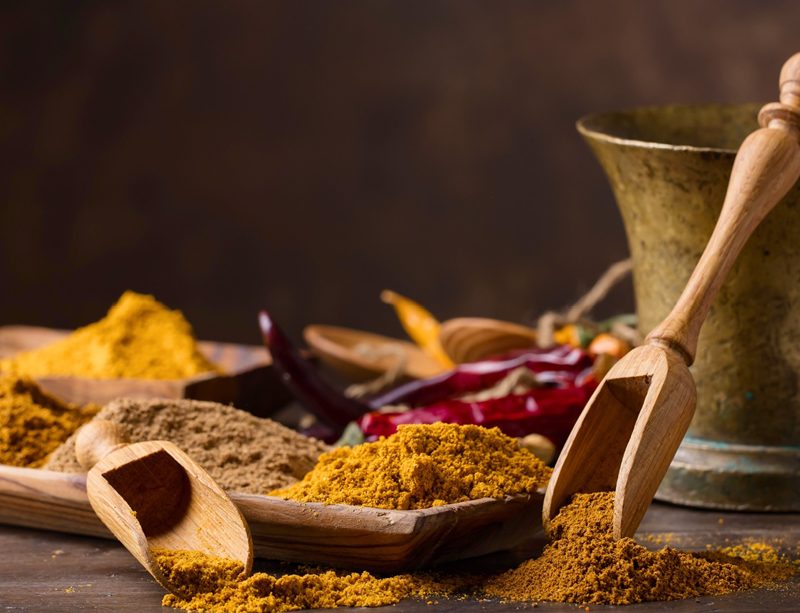
The active ingredient contained in the spice turmeric stands out for its antioxidant, anti-inflammatory and anti-cancer action. At the same time, it has also proven itself as a weight loss aid.
Curcumin influences the activity of genes that control the intensity of energy metabolism and fat storage in adipose tissue, and also contributes to the reduction of intercellular fat. Its anti-angiogenic effect is also important, as it reduces the formation of blood vessels supplying adipose tissue, thus slowing its growth. Overall, it also helps to reduce body fat and body weight. Taking curcumin also affects genes responsible for the formation, differentiation and apoptosis (i.e. cell death) of fat cells and increases the rate of fat oxidation in the body (19-21).
Quercetin
This flavonoid occurs naturally in many foods and herbs, such as fruits, carrots, green tea, buckwheat, olive oil and celery, but it is found in low concentrations and should be taken as a dietary supplement to achieve a more pronounced epigenetic effect.
Quercetin has significant antioxidant and anti-inflammatory effects, and its ability to promote weight loss is well proven scientifically, which is mainly due to its effect on the production of the enzymes AMPK, DNMT1 and HDAC1, thus preventing the proliferation (rapid multiplication) of the so-called. It prevents the growth of preadipocytes, which give rise to fat cells in the body, and causes their apoptosis or cell death. In addition, it can limit the absorption of sugars and fats from the digestive tract, thereby reducing energy intake (16-18).
In addition, quercetin is an epigenetic substance that is very suitable for combination with other dietary supplements – for weight loss purposes, the combination with EGCG or curcumin is particularly recommended.
Genistein
This flavonoid substance is most abundant in soy and soy products. It is also classified as a phytoestrogen, a natural substance similar to female sex hormones. It is currently one of the most researched natural remedies for the treatment of obesity.
Genistein has a strong epigenetic potential and helps in weight loss in several ways: for example, it turns off genes responsible for the production of an enzyme called lipoprotein lipase and regulates the process of adipogenesis, i.e. the formation and differentiation of adipose tissue cells, which is done by regulating the production of the enzyme AMPK or fatty acid synthases. When genistein was administered to obese mice, they showed a significant reduction in adipose tissue volume after only 12 days (5-7). Interestingly, when genistein was administered to pregnant mice in another study, it also protected their offspring from obesity (8).
Other important nutrients
In order for the aforementioned flavonoids to be able to effectively influence the rate of gene methylation and other epigenetic processes, it is important that sufficient levels of methyl donor compounds are present in the body. These include the amino acid methionine, choline, betaine, folic acid and vitamin B12. Trace elements that are part of the enzymes that influence weight loss processes are also important, especially iron and zinc. Deficiency of any of these substances can lead to weight gain (22, 23).
0:00
/
0:00
Stárnutí je volba
Komentáře
Seznam zdrojů
- H. H. Maes, M. C. Neale, L. J. Eaves. Genetic and environmental factors in relative body weight and human adiposity. Behav. Genet. 27 (1997) 325-351.
- A. Marti, M.A. Martinez-Gonzalez, J.A. Martinez, Interaction between genes and lifestyle factors on obesity. Proc. Nutr. Soc. 67 (2008) 1-8. C. Junien, P. Nathanielsz, Obes. Rev. 8 (2007) 487-502. [
- Zhu JG, Xia L, Ji CB, Zhang CM, Zhu GZ, Shi CM, Chen L, Qin DN, Guo XR. Differential DNA methylation status between human preadipocytes and mature adipocytes. Cell Biochem Biophys. 2012 May;63(1):1-15. doi: 10.1007/s12013-012-9336-3.
- Masashi Okamura, Takeshi Inagaki, Toshiya Tanaka, and Juro Sakai . Role of histone methylation and demethylation in adipogenesis and obesity. Organogenesis. 2010 Jan-Mar; 6(1): 24–32.
- J.T. Hwang, I.J. Park, J.I. Shin, Y.K. Lee, S.K. Lee, H.W. Baik, J. Ha, O.J. Park, Biochem. Biophys. Res. Commun. Genistein, EGCG, and capsaicin inhibit adipocyte differintiation proces via activating AMP-activated protein kinase. Biochem. Biophys. Res. Commun. 338 (2005) 694-699.
- A. Naaz, S. Yellayi, M.A. Zakroczymski, D. Bunick, D.R. Doerge, D.B. Lubahn, W.G. Helferich, P.S. Cooke. The soy isoflavone genistein decreases adipose deposition in mice. Endocrinology 144 (2003) 3315-3320
- M. Zhang, K. Ikeda, J.W. Xu, Y. Yamori, X.M. Gao, B.L. Zhang, Genistein suppresses adipogenesis of 3T3-L1 cells via multiple signal pathways. Phytother. Res. 23 (2009) 713-718.
- M.Z. Fang, D. Chen, Y. Sun, Z. Jin, J.K. Christman, C.S. Yang, Clin. Reversal of hypermethylation and reactivation of p16INK4a, RARbeta and MGMT genes by genistein and other isoflavones from soy. Cancer Res. 11 (2005) 7033-7041.
- T. Murase, A. Nagasawa, J. Suzuki, T. Hase, I. Tokimitsu. Beneficial effects of tea catechins on diet-induced obesity: stimulation of lipid catabolism in the liver. International journal of obesity and related metabolic disorders : journal of the International Association for the Study of Obesity 26 (2002) 1459-1464.
- D. Richard, K. Kefi, U. Barbe, A. Poli, P. Bausero, F. Visioli. Nutritional intervention helps pharmacology in the management of the metabolic syndrome. Pharmacol. Res. 59 (2009) 351-354.
- H. Kim, A. Hiraishi, K. Tsuchiya, K. Sakamoto. Epigallocatechin gallate suppresses the differentiation of 3T3-L1 preadipocytes through transcription factors FoxO1 and SREBP1c. Cytotechnology 62 (2010) 245255.
- M. Bose, J.D. Lambert, J. Ju, K.R. Reuhl, S.A. Shapses, C.S. Yang. The Major Green Tea Polyphenol, (−)-Epigallocatechin-3-Gallate, Inhibits Obesity, Metabolic Syndrome, and Fatty Liver Disease in High-Fat–Fed Mice. J. Nutr. 138 (2008) 1677-1683.
- A.M. Hill, A.M. Coates, J.D. Buckley, R. Ross, F. Thielecke, P.R. Howe. Can EGCG reduce abdominal fat in obese subjects? J. Am. Coll. Nutr. 26 (2007) 396S-402S.
- S. Klaus, S. Pultz, C. Thone-Reineke, S. Wolfram. Epigallocatechin gallate attenuates diet-induced obesity in mice by decreasing energy absorption and increasing fat oxidation. Int. J. Obes. (Lond.) 29 (2005) 615-623.
- M. Boschmann, F. Thielecke. The effects of epigallocatechin-3-gallate on thermogenesis and fat oxidation in obese men: a pilot study. J. Am. Coll. Nutr. 26 (2007) 389S-395S.
- C.D. Zheng, Y.Q. Duan, J.M. Gao, Z.G. Ruan, Screening for anti-lipase properties of 37 Traditional Chinese Medicinal Herbs. J. Chin. Med. Assoc. 73 (2010) 319-324
- J. Ahn, H. Lee, S. Kim, J. Park, T. Ha, Biochem. Biophys. The anti-obesity effect of quercetin is mediated by the AMPK and MAPK signaling pathways. Res. Commun. 373 (2008) 545-549.
- Perez-Vizcaino, F. Duarte, J. Flavonols and caridovascular diesase. Molecular aspects of Medicine 31 (2010) 478-494
- Y.K. Lee, W.S. Lee, J.T. Hwang, D.Y. Kwon, Y.J. Surh, O.J. Park, J. Curcumin exerts antidifferentiation effect through AMPKalpha-PPAR-gamma in 3T3-L1 adipocytes and antiproliferatory effect through AMPKalpha-COX-2 in cancer cells. Agric. Food Chem. 57 (2009) 305-310.
- J. Ahn, H. Lee, S. Kim, T. Ha, Am. J. Physiol. Curcumin-induced suppression of adipogenic differentiation is accompanied by activation of Wnt/beta-catenin signaling. Cell Physiol. 298 (2010) C15101516.
- A. Goel, S. Jhurani, B.B. Aggarwal, Multi-targeted therapy by curcumin: how spicy is it? Mol. Nutr. Food Res. 52 (2008) 1010-1030.
- W.A. Loenen, Biochem. S-adenosylmethionine: jack of all trades and master of everything? Soc. Trans. 34 (2006) 330-333.
- C.S. Lieber, L. Packer, S-Adenosylmethionine: molecular, biological, and clinical aspects—an introduction. Am. J. Clin. Nutr. 76 (2002) 1148S-1150S.
- Milagro F, Mansego ML, De Miguel C, Martínez J. Dietary factors, epigenetic modifications and obesity outcomes: progresses and perspectives. http://core.ac.uk/download/pdf/25092232.pdf
- Woon E, Hoh J. Anti-obesity Effects of Natural Products from an Epigenetic Perspective. Department of Pharmacy, National University of Singapore.