At the moment of conception, we pass on to our children not only half of our DNA, but also part of the epigenetic changes that have accumulated on this DNA during our lifetime. These are biochemical reactions that create marks on the DNA and change their course based on many factors (nutrition, lifestyle, environment, stress…). In doing so, they have the power to reduce or increase the activity of a number of genes, and even turn some of them completely off or on.
Therefore, it is advisable to try to “repair” our DNA before conception, i.e. to try to reverse the negative epigenetic changes in our body as much as possible, so that we pass on as few of them as possible to our future child.
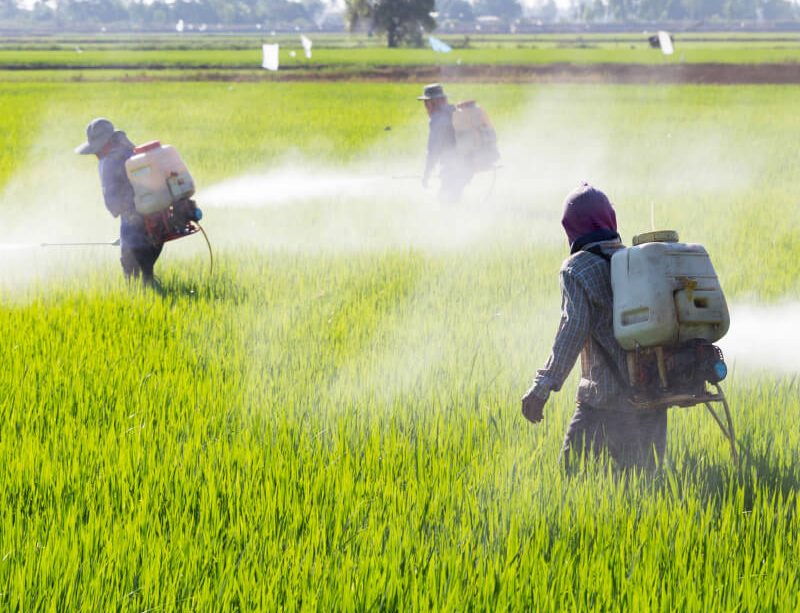
There are a number of factors that can adversely affect the health or intellect of the child we are about to conceive. Here are some examples:
So, if you are going to conceive, you should try to improve your diet, avoid cigarettes and alcohol, play sports regularly and not stress for some time beforehand.
Our tip: if conception fails, negative epigenetic changes may also be to blame. This is especially true for potential parents at an older age, as the number of negative epigenetic changes generally increases with age. So trying to improve your epigenetic profile can help here too. For women, dietary supplements such as resveratrol and omega-3 unsaturated fatty acids are very useful, while men may benefit from astaxanthin or a combination of pomegranate and vitamin K2.
The absolutely most important period in terms of epigenetics is intrauterine development. Therefore, if a woman is pregnant, she should take care to avoid anything that may damage the epigenetic profile of her offspring.
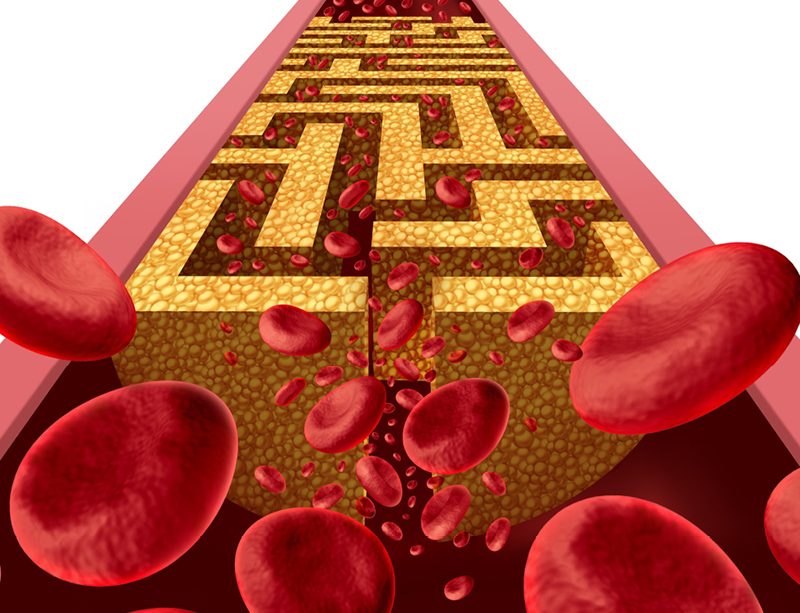
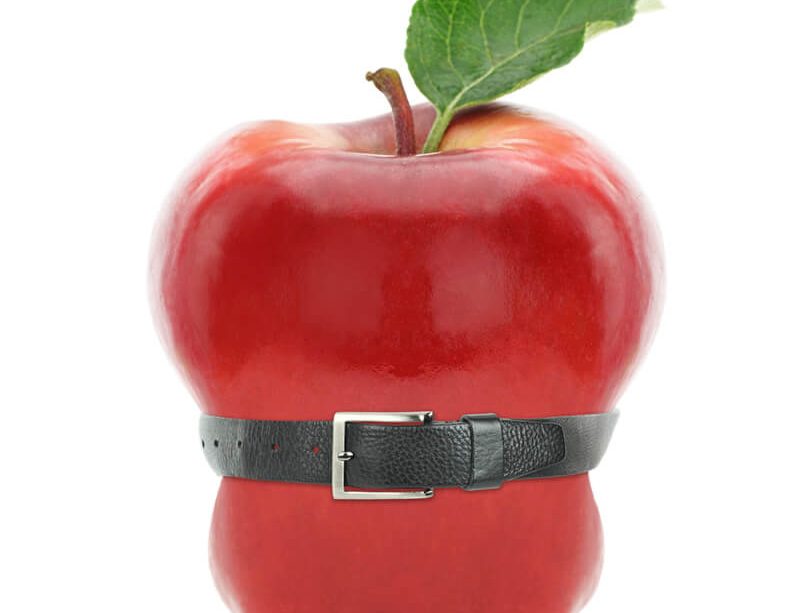
The basis should be a healthy, balanced diet. Excessive intake of sugars and fats is particularly harmful – it can lead not only to obesity in the future, but also to the development of attention and behavioural disorders (e.g. ADHD). Conversely, none of the key essential nutrients should be missing. Adequate intake of protein, vitamins (especially the so-called methyl donors, such as folic acid and vitamin B12), minerals, omega-3s and other nutrients is essential. The Mediterranean diet, for example, has proven benefits – if a woman eats it during pregnancy, her baby’s risk of developing the so-called metabolic syndrome, a metabolic disorder that can lead to diabetes or cardiovascular disease, for example, is reduced.
Of course, it should be a matter of course to avoid environmental toxins, including polluted air – the air pollutants that a pregnant woman inhales increase the risk of asthma in her future child, for example.
Our tip: Omega-3 unsaturated fatty acids should be the main dietary supplement during pregnancy. A lack of omega-3 fatty acids can cause the baby to have a reduced intellect and suffer from behavioural and psychological problems. Intake of folic acid is essential, and vitamin D3 supplementation is advisable, especially in winter.
Breast milk is not only a completely irreplaceable source of nutrients, but also has a significant positive epigenetic effect. This, for example, promotes the development of the child’s intellect, but it also increases the child’s protection against a number of serious diseases – for example, it reduces the risk of cancer, inflammatory bowel disease, immune disorders and obesity.
Our tip: the production of breast milk will help to support fenugreek or benedict.
Nutrition is one of the major epigenetic factors throughout life, but this is doubly true in childhood. A child needs a diet rich in protein, omega-3 unsaturated fatty acids and other essential nutrients. In contrast, the so-called Western diet, a diet rich in carbohydrates and animal fats, leads not only to obesity but also to a higher risk of neurodevelopmental disorders and other problems.
Our tip: In addition to omega-3s, a sufficient intake of vitamin D3 is essential for children.
Children need plenty of exercise not only to prevent obesity and ensure proper development of the musculoskeletal system. In fact, movement is a very important epigenetic factor that reduces the rate of inflammatory processes in the body and protects against the development of many civilisation diseases. Young children need more than five hours of movement a day to ensure their healthy development!
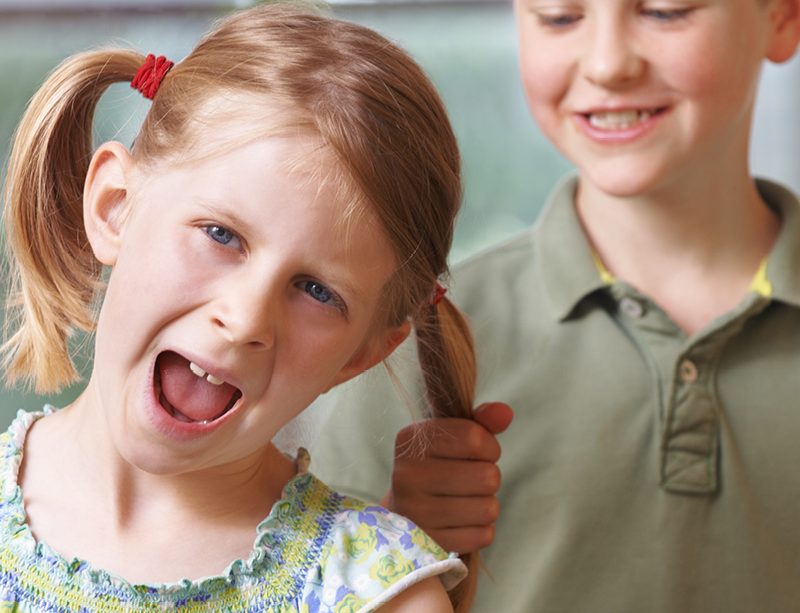
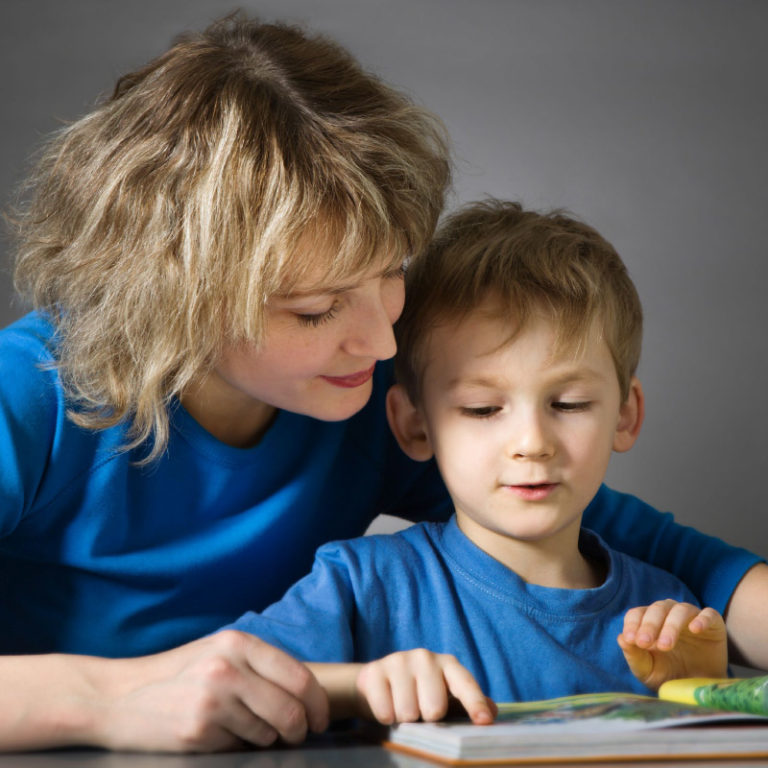
While strong traumas during childhood cause negative epigenetic changes that can lead to the development of depression or other diseases, for example, expressions of love have a clearly positive epigenetic effect. A child who feels loved is simply healthier and develops better. Not only are verbal expressions of love important, but also as much physical contact as possible. Children simply need to be spoiled!
PŘIHLASTE SE K ODBĚRU NOVINEK A MĚJTE VŽDY ČERSTVÉ INFORMACE
| Cookie | Duration | Description |
|---|---|---|
| cookielawinfo-checkbox-analytics | 11 měsíců | Tento soubor cookie je nastaven pluginem GDPR Cookie Consent. Soubor cookie se používá k uložení souhlasu uživatele s používáním souborů cookie v kategorii „Analytika“. |
| cookielawinfo-checkbox-functional | 11 měsíců | Soubor cookie je nastaven na základě souhlasu s cookie GDPR k zaznamenání souhlasu uživatele pro soubory cookie v kategorii „Funkční“. |
| cookielawinfo-checkbox-necessary | 11 měsíců | Tento soubor cookie je nastaven pluginem GDPR Cookie Consent. Cookies slouží k uložení souhlasu uživatele s cookies v kategorii „Nezbytné“. |
| cookielawinfo-checkbox-others | 11 měsíců | Tento soubor cookie je nastaven pluginem GDPR Cookie Consent. Cookie se používá k uložení souhlasu uživatele s cookies v kategorii „Jiné. |
| cookielawinfo-checkbox-performance | 11 měsíců | Tento soubor cookie je nastaven pluginem GDPR Cookie Consent. Cookie se používá k uložení souhlasu uživatele s cookies v kategorii „Výkon“. |
| elementor | nikdy | Tento soubor cookie používá téma WordPress webu. Umožňuje vlastníkovi webu implementovat nebo měnit obsah webu v reálném čase. |
| viewed_cookie_policy | 11 měsíců | Soubor cookie je nastaven pluginem GDPR Cookie Consent a používá se k uložení, zda uživatel souhlasil nebo nesouhlasil s používáním souborů cookie. Neukládá žádné osobní údaje. |
| Cookie | Duration | Description |
|---|---|---|
| sb | 2 roky | Tento soubor cookie používá Facebook ke kontrole svých funkcí, shromažďování jazykových nastavení a sdílení stránek. |
| Cookie | Duration | Description |
|---|---|---|
| _ga | 2 roky | Soubor _ga cookie, nainstalovaný službou Google Analytics, vypočítává údaje o návštěvnících, relacích a kampaních a také sleduje využití webu pro analytický přehled webu. Soubor cookie ukládá informace anonymně a přiřazuje náhodně vygenerované číslo k rozpoznání unikátních návštěvníků. |
| _gat_gtag_UA_71041054_1 | 1 minuta | Nastaveno Googlem k rozlišení uživatelů. |
| _gid | 1 den | Soubor cookie _gid nainstalovaný službou Google Analytics ukládá informace o tom, jak návštěvníci používají webovou stránku, a zároveň vytváří analytickou zprávu o výkonu webu. Některá data, která jsou shromažďována, zahrnují počet návštěvníků, jejich zdroj a stránky, které anonymně navštěvují. |
| Cookie | Duration | Description |
|---|---|---|
| fr | 3 měsíce | Facebook nastavuje tento soubor cookie tak, aby uživatelům zobrazoval relevantní reklamy sledováním chování uživatelů na webu, na stránkách, které mají Facebook pixel nebo sociální plugin Facebooku. |
| _fbp | 3 měsíce | Tento soubor cookie je nastaven společností Facebook, aby po návštěvě webové stránky zobrazoval reklamy na Facebooku nebo na digitální platformě založené na reklamě na Facebooku. |
| Cookie | Duration | Description |
|---|---|---|
| pvc_visits[0] | 1 minuta | Tento soubor cookie vytváří počítadlo po zhlédnutí. Tento soubor cookie se používá k počítání počtu návštěv příspěvku. Pomáhá také zabránit opakovanému zobrazení příspěvku návštěvníkem. |