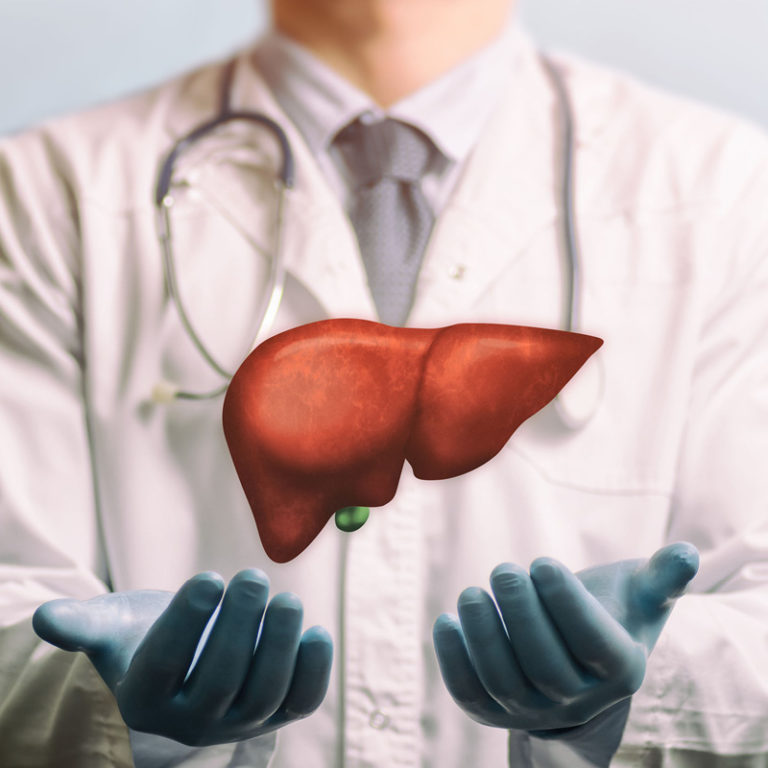
The liver is often referred to as the main detoxifying organ of the body – it is in the liver that almost all toxic substances that enter the body through food or the environment are broken down. However, this is far from the only function of this organ. The liver is also where the main metabolic reactions related to the breakdown and utilisation of essential nutrients, i.e. carbohydrates, proteins and fats, take place, where many substances essential for the functioning of the body are produced and many others are stored. Alcohol or drugs are broken down here, as well as the products of our own metabolism. However, the liver is also involved in maintaining the balance of acids and alkalis in the body and also influences the activity of certain hormones.
From this list it is clear that once the liver is overloaded or even damaged, it can have adverse consequences for the functioning of the entire body.
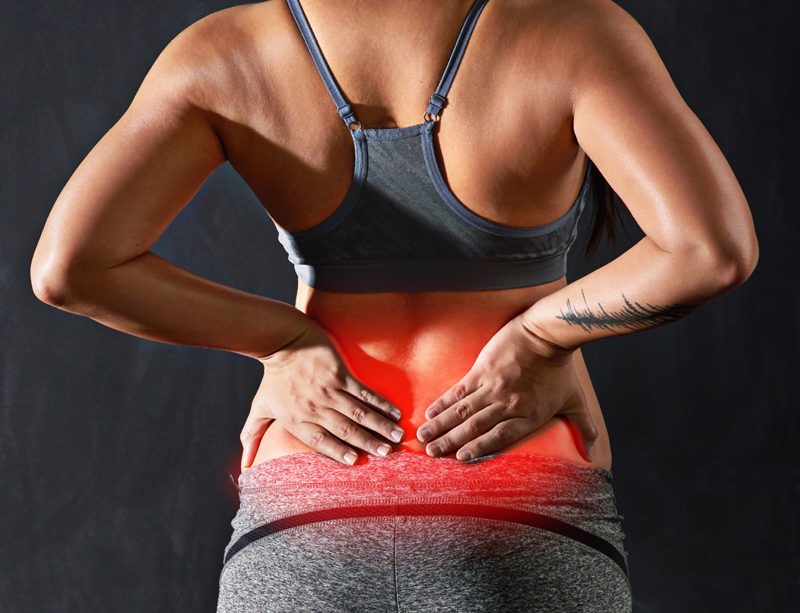
The fact that something is wrong with the liver can manifest itself in different ways: often it is significant fatigue, headaches, skin problems (e.g. eczema), but also increased constipation or menstrual cycle disorders.
The liver has to cope with almost everything that enters the body through food, inhaled air or through the skin – be it essential nutrients or harmful toxins. Their condition can therefore be influenced primarily by what we eat and drink.
Excessive intake of fat, especially saturated fat, is harmful to the liver. Fried foods are particularly burdensome for them. However, they can also be harmed by an excess of sugars in the diet, especially those with a high glycaemic index, which promote fat storage – not only in adipose tissue, but also in the liver. However, food additives, i.e. various synthetic flavourings, colourings or preservatives, are a completely unnecessary burden – even if they are not directly toxic, our liver simply has to process them.
The harmful effects of alcohol, which can irreversibly damage the liver, are well known. However, drugs, certain medications, pesticides and other substances used to treat plants, heavy metals, air and water pollutants and many other foreign chemicals are equally damaging to the liver. Obesity also has a negative effect.
On the contrary, many substances contained in plant foods, especially those from the category of polyphenols, have a positive effect. Regular exercise is also beneficial.
Certain herbs and nutrients can influence liver health very effectively. A positive effect has been demonstrated for a number of natural substances, but we will take a closer look at those that affect the liver thanks to their epigenetic action.
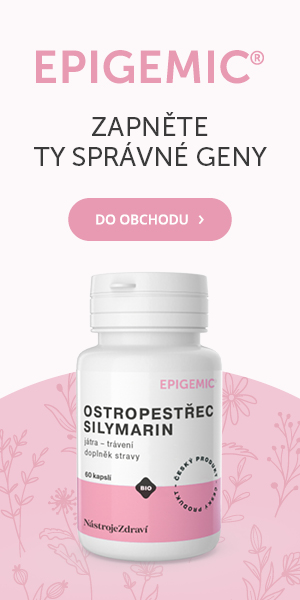
Milk thistle is the most commonly used herb to support liver function, and its extract is even included in many medicines. Especially in the case of dietary supplements, you may come across the name silymarin, which is used for several substances from the flavonolignans group that are responsible for the effects of milk thistle – silybin A, silybin B, isosilybin A, isosilybin B, silychristin and silydianin.
These flavonolignans have strong antioxidant but also epigenetic effects – they are able to influence the activity level of many important genes in our DNA. In particular, they regulate two basic epigenetic reactions that are able to switch our genes off or on – DNA methylation and histone acetylation. However, they also affect processes related to cell signalling, i.e. the transmission of information that influences the behaviour of individual cells in the body.
Milk thistle has significant anti-inflammatory and antioxidant effects, suppressing, for example, the production of substances called cytokines, which promote the course of inflammatory reactions in the body. It also protects the liver from the effects of toxins, improves the function of mitochondria in its cells and is effective in combating fatty liver, whether caused by excessive alcohol consumption or other reasons.
Milk thistle also significantly supports the regenerative capacity of tissues, which makes it a suitable herb not only for supporting and restoring liver function, but also for athletes or people in convalescence. However, its epigenetic effects are also due to its anti-cancer action, which is used, for example, in the prevention and treatment of liver, bowel, lung and prostate cancer.
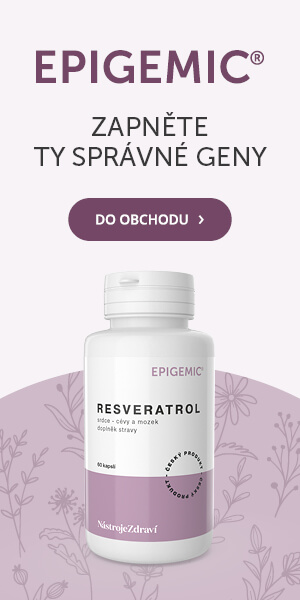
The dye, found mainly in red wine, combines strong antioxidant and epigenetic effects – it regulates both gene methylation and histone acetylation. It has a positive effect on the functioning of a number of systems in our body, and our liver is no exception.
First of all, it is an effective hepatoprotective agent, i.e. a substance that protects liver cells from damage. This refers to damage through alcohol, but also through the action of other toxic substances or free radicals. It limits apoptosis (cell death) of liver cells, protects the liver from necrosis, counteracts steatosis, or fatty liver, and also counteracts fibrosis, or the thickening of connective tissue in the liver that usually precedes the development of cirrhosis.
Resveratrol even reduces the risk of liver cancer because it prevents the proliferation (rapid multiplication) of cancer cells. In experiments on mice, resveratrol has also been shown to increase the chance of survival after liver transplantation.
The unicellular freshwater algae is known to support detoxification of the liver and the whole body. However, it too owes part of its effects to epigenetic action, particularly its ability to regulate the overall methylation rate of our DNA.
Chlorella helps to eliminate a number of toxic substances from the body, especially heavy metals (including mercury and lead) and dioxin. It effectively protects liver cells against free radical and toxin damage and promotes regeneration of already damaged liver tissue. However, it also counteracts fatty liver and fibrosis.
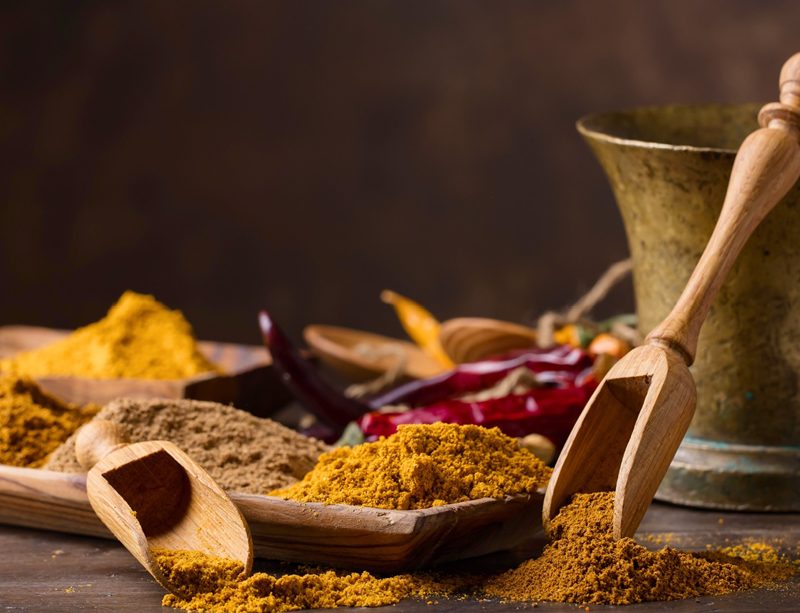
The dye contained in turmeric root represents one of the best known epigenetic nutrients. It positively influences all major epigenetic reactions and has a beneficial effect in the prevention and treatment of a wide range of diseases – from cancer, diabetes, autoimmune diseases, prostate and hair loss. It can also be very effective in influencing our liver health in several ways.
In addition to its epigenetic action, curcumin has a very strong antioxidant potential, which effectively protects liver cells. Its hepatoprotective effect is also manifested by the protection of the liver against the effects of alcohol, toxic substances and the side effects of drugs. At the same time, it also promotes liver regeneration in case of damage that has already occurred. Curcumin also counteracts fatty liver as well as liver fibrosis and cirrhosis.
The well-known herb contains several substances with epigenetic effects: caronosol, carnosic, ursolic and rosmarinic acids. Overall, it improves liver function, protects liver cells from the action of free radicals and toxic chemicals, prevents fat deposition in the liver, and also counteracts fibrosis and cirrhosis.
PŘIHLASTE SE K ODBĚRU NOVINEK A MĚJTE VŽDY ČERSTVÉ INFORMACE
| Cookie | Duration | Description |
|---|---|---|
| cookielawinfo-checkbox-analytics | 11 měsíců | Tento soubor cookie je nastaven pluginem GDPR Cookie Consent. Soubor cookie se používá k uložení souhlasu uživatele s používáním souborů cookie v kategorii „Analytika“. |
| cookielawinfo-checkbox-functional | 11 měsíců | Soubor cookie je nastaven na základě souhlasu s cookie GDPR k zaznamenání souhlasu uživatele pro soubory cookie v kategorii „Funkční“. |
| cookielawinfo-checkbox-necessary | 11 měsíců | Tento soubor cookie je nastaven pluginem GDPR Cookie Consent. Cookies slouží k uložení souhlasu uživatele s cookies v kategorii „Nezbytné“. |
| cookielawinfo-checkbox-others | 11 měsíců | Tento soubor cookie je nastaven pluginem GDPR Cookie Consent. Cookie se používá k uložení souhlasu uživatele s cookies v kategorii „Jiné. |
| cookielawinfo-checkbox-performance | 11 měsíců | Tento soubor cookie je nastaven pluginem GDPR Cookie Consent. Cookie se používá k uložení souhlasu uživatele s cookies v kategorii „Výkon“. |
| elementor | nikdy | Tento soubor cookie používá téma WordPress webu. Umožňuje vlastníkovi webu implementovat nebo měnit obsah webu v reálném čase. |
| viewed_cookie_policy | 11 měsíců | Soubor cookie je nastaven pluginem GDPR Cookie Consent a používá se k uložení, zda uživatel souhlasil nebo nesouhlasil s používáním souborů cookie. Neukládá žádné osobní údaje. |
| Cookie | Duration | Description |
|---|---|---|
| sb | 2 roky | Tento soubor cookie používá Facebook ke kontrole svých funkcí, shromažďování jazykových nastavení a sdílení stránek. |
| Cookie | Duration | Description |
|---|---|---|
| _ga | 2 roky | Soubor _ga cookie, nainstalovaný službou Google Analytics, vypočítává údaje o návštěvnících, relacích a kampaních a také sleduje využití webu pro analytický přehled webu. Soubor cookie ukládá informace anonymně a přiřazuje náhodně vygenerované číslo k rozpoznání unikátních návštěvníků. |
| _gat_gtag_UA_71041054_1 | 1 minuta | Nastaveno Googlem k rozlišení uživatelů. |
| _gid | 1 den | Soubor cookie _gid nainstalovaný službou Google Analytics ukládá informace o tom, jak návštěvníci používají webovou stránku, a zároveň vytváří analytickou zprávu o výkonu webu. Některá data, která jsou shromažďována, zahrnují počet návštěvníků, jejich zdroj a stránky, které anonymně navštěvují. |
| Cookie | Duration | Description |
|---|---|---|
| fr | 3 měsíce | Facebook nastavuje tento soubor cookie tak, aby uživatelům zobrazoval relevantní reklamy sledováním chování uživatelů na webu, na stránkách, které mají Facebook pixel nebo sociální plugin Facebooku. |
| _fbp | 3 měsíce | Tento soubor cookie je nastaven společností Facebook, aby po návštěvě webové stránky zobrazoval reklamy na Facebooku nebo na digitální platformě založené na reklamě na Facebooku. |
| Cookie | Duration | Description |
|---|---|---|
| pvc_visits[0] | 1 minuta | Tento soubor cookie vytváří počítadlo po zhlédnutí. Tento soubor cookie se používá k počítání počtu návštěv příspěvku. Pomáhá také zabránit opakovanému zobrazení příspěvku návštěvníkem. |