Eyes are an extension of the brain – slow down ageing and improve vision and thinking at the same time
epivyziva.cz/
Zobrazeno: 1,389
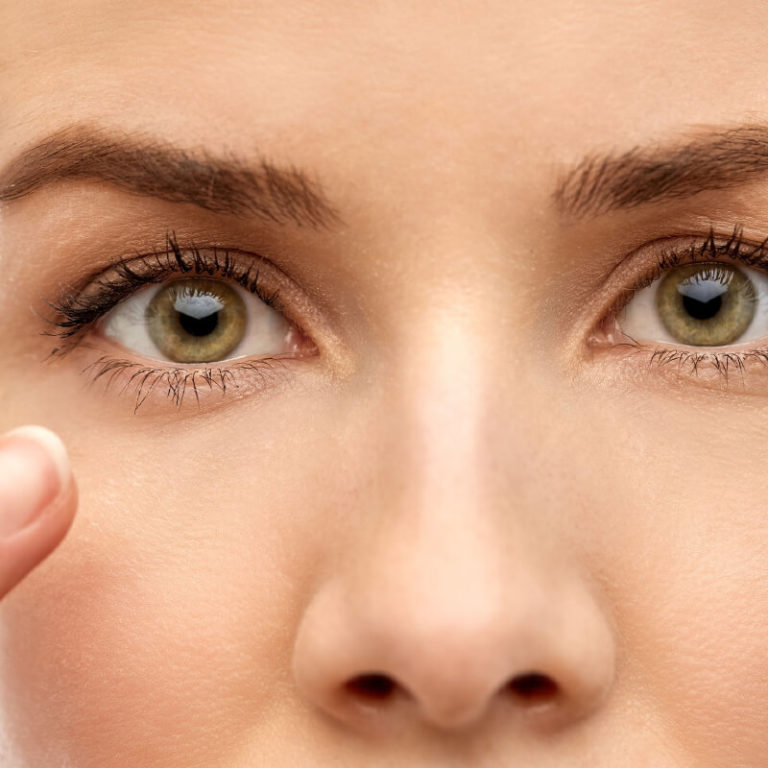
It is said that the eyes are an extension of the brain, and this is not just because of the proximity of the two organs. In fact, the retina is very similar in structure to brain tissue. This is why it is also true that a deterioration in vision often goes hand in hand with a decline in cognitive abilities, and vice versa – what is good for the eyes is usually also good for the brain.
If we focus on the eye diseases that appear in adulthood (cataracts, glaucoma, macular degeneration, but also old-age hyperopia), most of them are closely related to the aging process. A link has even been shown between visual difficulties and Alzheimer’s disease. For example, research has repeatedly confirmed that people suffering from this type of dementia experience a reduction in the thickness of nerve cells in the retina, which is caused by degenerative processes attacking these cells as well as their axons (i.e. the processes that make up the optic nerve). There is a particular similarity between the changes accompanying glaucoma and macular degeneration.
In addition, vision problems are common in a number of diseases of the brain and nervous system, be it Alzheimer’s, Parkinson’s or multiple sclerosis.
The correlations are so significant that we may see the emergence of diagnostic methods for brain diseases using eye examinations in the future. This could involve, for example, early diagnosis of Alzheimer’s disease, but it may even be possible to estimate the risk of stroke from changes in the retina!
How the eyes age
There are a number of changes in the eye area that are somehow related to the aging process. Some are even visible at first glance – for example, the “sunken” eyes caused by the loss of the fat layer or the drooping of the eyelids. But the hidden changes are more important for our ability to see.
In the conjunctiva, for example, tear gland tissue atrophies and connective tissue proliferates (i.e. cells multiply rapidly), leading to impaired tear production. The consequence is not only a dry and burning sensation, but also damage that leads to impaired visual acuity. There are also changes in the bleb (the protective layer enveloping the entire eyeball), as well as degenerative changes in the cornea that can lead to astigmatism. The pupil also shrinks and iris reactivity decreases.
There are significant changes in the lens area. Its elasticity decreases, which complicates focusing. The structure of specific proteins, called crystallins, which are central to the transparency of the lens, and changes in the composition of the lipids that make up the membranes of the lens cells are also disrupted. These processes can result, for example, in cataracts.
Changes in the retina are also extensive, especially in the structure and function of the nerve cells contained therein. The membrane through which the retina transports waste substances is also thickened and deposits are formed, which can lead to macular degeneration.
In the optic nerve, not only the axons decrease, but also connective tissue proliferates, which complicates their blood supply. The vascular supply to the ocular tissues also deteriorates due to atherosclerosis. The consequence is a lack of oxygen and nutrients, which further accelerates the negative processes inside the eye.
As a result of all these changes, visual acuity and perception of contrasts deteriorate with age, the field of vision narrows, colour vision deteriorates, and the ability of the eyes to adapt to dim or sharp light deteriorates.
The brain and ageing
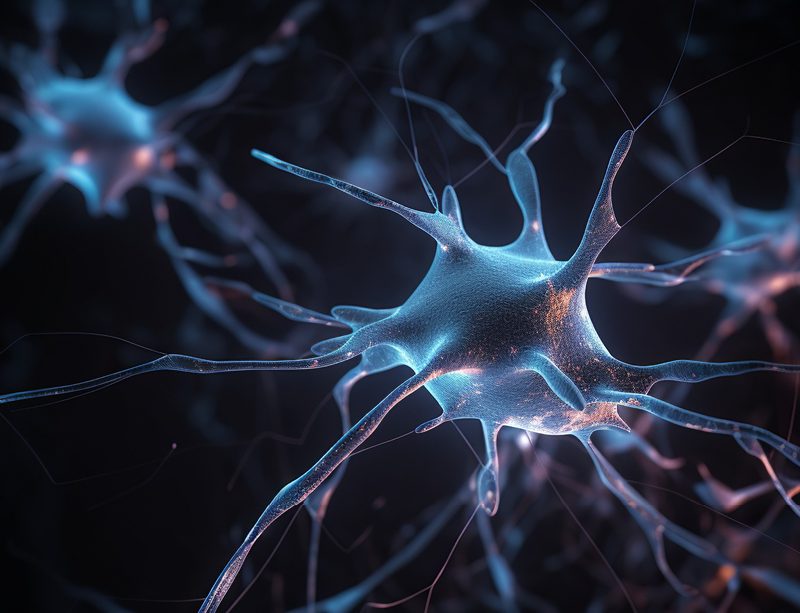
With age, structural changes in the brain also increase significantly, which are very similar to changes in the retina and optic nerve. Brain cells and their axons decline and the number of synapses (i.e. connections between neurons) decreases. In some types of dementia, plaques also form on the neurons, which limit their function – for example, the beta-amyloid plaques in Alzheimer’s disease are prominent.
As in the case of the eyes, changes in the brain also affect the vascular system. The small capillaries that supply the brain with blood are diminishing, the existing ones are affected by atherosclerosis and the condition of the blood-brain barrier is also deteriorating. This term refers to the system that protects the brain from damage by preventing the passage of a number of substances from the blood into brain tissue. However, as we age, changes occur that complicate the passage of substances that should pass through the barrier.
Last but not least, the production of neurotransmitters, which are substances that ensure signal transmission between individual nerve cells, is reduced. Significant changes in the production of neurotransmitters are typical of some diseases – for example, Alzheimer’s disease (where a lack of acetylcholine is typical) or depression.
What happens inside cells
What we mentioned above are the outward manifestations of aging. But their essence is what happens inside our cells, and the causes and manifestations of ageing are similar in all cells and tissues of the body.
Epigenetic causes of ageing
As we age, negative epigenetic changes in the DNA of our cells increase, altering the activity of many important genes. In particular, changes in the level of methylation – in the region of some genes there is excessive methylation (hypermethylation), which turns genes off, while elsewhere methyl groups in the promoters of genes are reduced (hypomethylation).
At the same time, ageing causes changes in chromatin, a complex of DNA and proteins (called histones) in the nuclei of cells. As age advances, the overall chromatin decreases and changes in histone modification (especially in the degree of acetylation) also affect the activity of genes in DNA.
Importantly, significant epigenetic changes occur with advancing age both inside the eyes and in the brain. And it is true that most diseases affecting these organs have a strong epigenetic background, be it cataracts, glaucoma, macular degeneration, diabetic retinopathy, Alzheimer’s and Parkinson’s disease, depression, anxiety, schizophrenia and many others.
Unfortunately, we cannot prevent the accumulation of negative epigenetic changes due to ageing, but the good news is that we can significantly slow it down by making lifestyle changes.
Sirtuins
Enzymes called sirtuins have a number of important functions in the body and their production also declines significantly with age. Sirtuins affect the rate of histone acetylation, the length of telomeres (the end parts of chromosomes that shorten at each cell division), promote repair of damaged DNA, regulate the processes of cell differentiation, cell death and the rate of inflammatory processes in the body. They also help protect nerve cells from degeneration. Meanwhile, the loss of some sirtuins (especially SIRT-1) is typical of some retinal diseases as well as problems in the brain.
Senescent (senescent) cells
With advancing age, there are more and more so-called senescent cells in the body, which are sometimes referred to as “cellular zombies”. These cells no longer divide, yet they do not die and accumulate in the body. They disrupt the function of most tissues in the body and also produce cytokines, which are substances that promote inflammation.
Mitochondrial dysfunction
Ageing also significantly affects the function of mitochondria, the cellular organelles that convert nutrients into energy. Many diseases, such as Alzheimer’s disease and autism, are associated with mitochondrial dysfunction.
Direct line of the intestine – brain
An interesting, and so far relatively overlooked, aspect affecting the state of our eyes and brain is the gut microbiome – the collection of microorganisms that inhabit our gut. The balance in this area not only influences the digestion of food, but also plays an important role in the development of inflammatory processes that subsequently cause a number of serious health problems throughout the body. It is inflammatory processes that are involved in the development of many eye diseases (such as macular degeneration), as well as many diseases related to our brain – for example, Alzheimer’s and Parkinson’s disease, depression, autism and others.
However, the bacteria inside our gut also produce substances that enter the bloodstream and can affect tissues and organs throughout the body. These include butyrate or propionate. Butyrate, in particular, can alter the epigenetic patterns in the DNA of many of the body’s cells (suppressing the function of histone deacetylases, for example), is involved in cell signalling processes by which cells receive the information they need to regulate their function, and also affects the function of mitochondria.
The ability to influence epigenetic reactions (and thus the activity of individual genes in DNA) and mitochondrial function is particularly relevant to nervous tissue. For example, mitochondrial dysfunction is closely involved in the development of both brain-related diseases (Alzheimer’s disease, autism, etc.) and those affecting the eyes (cataracts, glaucoma, retinopathy, etc.).
You can read more about the gut microbiome HERE “, more information about mitochondria can be found HERE “.
What can we do for the brain and eyes?
The basis of eye and brain care is to try to control factors that negatively affect epigenetic processes and the gut microbiome. We have discussed them in detail many times on Epivýživiva.cz, so just briefly:
In principle, it can be said that all factors of our lifestyle have an epigenetic influence – i.e. nutrition, level of physical activity, drinking or not drinking alcohol, smoking, environmental toxins, but also the level of stress, amount of sleep, etc.
I would like to highlight one aspect of nutrition in particular, which is the consumption of carbohydrates. In most cases, our diet contains a significant excess of carbohydrates, and this factor increases the intensity of inflammatory processes in the body and the risk of a number of diseases. It is the eyes and the brain that are greatly affected by excess sugars, because insulin resistance is particularly damaging to nerve cells, because of which neurons suffer from a lack of energy, and because, in addition to overeating sugars, lack of exercise also contributes to this. Alzheimer’s disease, for example, is sometimes even referred to as type 3 diabetes.
On the other hand, sufficient consumption of antioxidants, which protect against damage to nerve cells in the brain and eyes and are also important for protecting the proteins in the lens of the eye, is essential. For example, a high intake of polyphenols, whether from vegetables or soy, has been shown in human and animal models not only to prevent cataracts, but even to improve cataracts that have already formed. Vitamins C and E and carotenoids are also important, as is a sufficient intake of unsaturated fatty acids.
Regular exercise is also essential, especially aerobic exercise (regular brisk walks are also sufficient). Physical activity has been shown to be associated with cognitive abilities, reduces the risk of a number of brain diseases and has a positive effect on eye health.
At the same time, it is necessary to take care of the intestinal microbiome, which is harmed, for example, by a high-fat diet, and benefits from the consumption of probiotics and probiotics. The vascular system must also be kept in good order, as this is the only way to ensure that the cells of the eyes and brain have enough oxygen and nutrients. Useful tips can be found HERE “.
Dietary supplements that can help
Here are a few tips on dietary supplements that benefit the eyes and the brain at the same time:
Omega-3
It is an essential nutrient for the functioning of the brain and eyes. One of these unsaturated fatty acids, DHA, is an important structural component of nerve cells, and another, EPA, has significant anti-inflammatory effects.
Taking Omega-3s improves cognitive abilities, and helps alleviate a number of brain problems (Alzheimer’s, ADHD, depression, anxiety and more). Adequate intake is especially important for preventing eye defects and cataracts caused by aging. In fact, low levels of omega-3 have been found in people with this disease. They also help reduce the risk of macular degeneration.
Butyrate
It is a short-chain fatty acid that is produced by certain species of gut bacteria, but it can also be taken as a dietary supplement.
Its positive effects on the brain and nervous system are very extensive. It promotes the proliferation (i.e. multiplication) and differentiation of nerve cells, improves the formation of new connections between them and at the same time protects them from degenerative processes and helps to delay their cell death. It has anti-inflammatory effects and promotes the production of the growth factor BDNF, which is essential for the formation and maintenance of neuronal function. A number of studies have confirmed that butyrate helps improve memory, protects against neurodegenerative diseases (including Alzheimer’s disease), and is beneficial in autism.
It has also been shown in animal experiments to reduce intraocular pressure, which may be essential in the treatment and prevention of glaucoma, as well as protecting retinal cells and may be useful in the prevention and treatment of macular degeneration. Read more about butyrate HERE “.
Vitamin D3
It is a vitamin with a strong epigenetic effect, which binds to the so-called VDR receptors located directly on the cell nucleus. Its deficiency has a significant negative effect on many brain functions.
Vitamin D3 is anti-inflammatory, but it is also crucial for the division and growth of nerve cells and their protection against degenerative processes. It is very effective in both the hippocampus (the part of the brain responsible for memory) and the cerebral cortex. It also helps to regulate the formation of amyloid plaques and is therefore useful in the prevention and treatment of Alzheimer’s disease. Its deficiency, which is very common in our population, not only increases the risk of many types of dementia, but also, for example, depression, anxiety and schizophrenia.
But “D” is also essential for eye function – its deficiency, for example, significantly increases the risk of macular degeneration, cataracts and glaucoma – and for the proper functioning of the gut microbiome.
Resveratrol
The dye contained in red wine in particular is one of the most effective activators of sirtuins, and thanks to this it helps to slow down the aging process throughout the body, including the eyes and brain. It has a significant positive effect on memory, improving the control of glucose levels in the hippocampus (the part of the brain responsible for memory), as well as functional connectivity in this area. It is effective not only in healthy people, but also in people at high risk of dementia. It also has a significant neuroprotective effect, stabilising the level of amyloid-beta 40, one of the main components of the so-called amyloid plaques formed, for example, in Alzheimer’s disease. It is also a very powerful antioxidant.
Rosemary
This herb very effectively supports not only memory, but also the ability to learn and concentrate. This is due to the content of two substances with epigenetic action: rosmarinic acid and ursolic acid. These, for example, promote the production of the growth factor IGF-1 in brain tissue. Rosemary can even help people who have developed symptoms of Alzheimer’s disease. Improvements in cognitive function have even been confirmed not only with the internal use of rosemary, but even by simply inhaling its essential oils.
Rosemary also has a positive effect on the eyes. For example, it acts as an antioxidant, protects the cells of the retina and also regulates the activity of several genes related to the development of macular degeneration.
Astaxanthin
Orange dye from the carotenoid family is one of the most effective dietary supplements for supporting visual function. For example, it improves the ability to focus, slows age-related visual decline, improves retinal nutrition, supports the prevention and treatment of glaucoma and macular degeneration, and reduces visual fatigue. In addition, it has extensive positive effects on brain function, especially on memory and learning ability, as well as on the prevention and treatment of Alzheimer’s and Parkinson’s disease. Unlike other substances, it can easily cross the blood-brain barrier, so it can act directly on brain cells.
0:00
/
0:00
Stárnutí je volba
Klíčová slova: Alzheimer's disease, Butyrate, cataracts, concentration, eyes, farsightedness, learning, macular degeneration, memory, mental performance, omega-3, resveratrol, rosemary, vision
Komentáře
Seznam zdrojů
- Salobrar-García E, Ramírez AÍ, de Hoz R, Rojas P, Salazar JJ, Rojas B, Yubero R, Gil P, Trivino A, Ramírez JM. The Impact of the Eye ni Demintia: The Eye and its Role in Diagnosis and Follow-up. November 25 2015, https://www.intechopen.com/books/update-on-dementia/the-impact-of-the-eye-in-dementia-the-eye-and-its-role-in-diagnosis-and-follow-up
- Hinton DR, Sadun AA, Blanks JC, Miller CA. Optic-nerve degeneration in Alzheimerś disease. Teh New England Journal of Medicine. 1986;315:485-487.
- VanGuilder HD, Farley JA, Yan H, Van Kirk CA, Mitschelen M, Sonntag WE, et al. Hippocampal dysregulation of synaptic plasticity-associated proteins with age-related cognitive decline. Neurobiology of Desease. 2011;43_201-212
- Xiaofeng Wen, Xiao Hu, Li Miao, Xiaofei Ge, Yuhua Deng, Paul W. Bible, Lai Wei. Epigenetics, microbiota, and intraocular inflammation: New paradigms of immune regulation in the eye. Progress in Retinal and Eye Research. Volume 64, May 2018, Pages 84-95.
Cheung N, Mosley T, Islam A, Kawasaki R, Sharrett AR, Klein R et al. Retinal microvasular abnormalities and subclinical magnetic resonance imaging brain infarct: a prospective study. Brain. 2010; 133: 1987-1993 - Wong TY, Klein R, Couper DJ, Cooper LS, Hahar E, Hubbard LD et al. Retinal microvascular abnormalities and incident stroke: the Atherosclerosis Risk in Communities Study. Lancet. 2001; 358:1134-1140.
- K.R. Foster, J. Schluter, K.Z. Coyte, S. Rakoff-NahoumThe evolution of the host microbiome as an ecosystem on a leash. Nature, 548 (2017), pp. 43-51
- Mimura T, Kaji Y, Noma H, Funatsu H, Okamoto S. The role of SIRT1 in ocular aging. Exp Eye Res. 2013;116:17–26.
- Wątroba M, Szukiewicz D. The role of sirtuins in aging and age-related diseases. Adv Med Sci. 2015;61(1):52–62.
- Kugel S, Mostoslavsky R. Chromatin and beyond: the multitasking roles for SIRT6. Trends Biochem Sci. 2014;39(2):72–81.
- Finkel T, Deng C-X, Mostoslavsky R. Recent progress in the biology and physiology of sirtuins. Nature. 2009;460(7255):587–591.
- Nazar Labinskyy, Anna Csiszar, Gabor Veress, Gyorgyi Stef, Pal Pacher, Gabor Oroszi, Joseph Wu, and Zoltan Ungvari. Vascular Dysfunction in Aging: Potential Effects of Resveratrol, an Anti-Inflammatory Phytoestrogen. Curr Med Chem. 2006; 13(9): 989–996.
Traynor BJ, Renton AE. Exploring the epigenetics of Alzheimer disease. JAMA Neurol. 2015 Jan;72(1):8-9. - Marco Malavolta , Massimo Bracci , Lory Santarelli , Md Abu Sayeed, Elisa Pierpaoli, Robertina Giacconi, Laura Costarelli, Francesco Piacenza, Andrea Basso, Maurizio Cardelli, and Mauro Provinciali. Inducers of Senescence, Toxic Compounds, and Senolytics: The Multiple Faces of Nrf2-Activating Phytochemicals in Cancer Adjuvant Therapy. Hindawi. Mediators of Inflammation. Volume 2018, Article ID 4159013.
Muñoz-Najar U., Sedivy J. M., Epigenetic control of aging. Antioxid. Redox Signal. 14, 241–259 (2011). - Guarente L., Franklin H. Epstein Lecture: Sirtuins, aging, and medicine. N. Engl. J. Med. 364, 2235–2244 (2011).
- Alcaín FJ, Villalba JM (April 2009). “Sirtuin activators”. Expert Opin Ther Pat 19 (4): 403–14.
- http://www.actichem.fr/fiches/Resveratrol_2010_Poster.pdf?PHPSESSID=5c4e022a60e9b291b1b8c85ada9a133c
- Raed Mualem, Gerry Leisman, Yusra Zbedat, Sherif Ganem, Ola Mualem, Monjed Amaria, Aiman Kozle, Safa Khayat-Moughrabi, and Alon Ornai. The Effect of Movement on Cognitive Performance. Front Public Health. 2018; 6: 100.
Z. S. Tan, W. S. Harris, A. S. Beiser, R. Au, J. J. Himali, S. Debette, A. Pikula, C. DeCarli, P. A. Wolf, R. S. Vasan, S. J. Robins, S. Seshadri. Red blood cell omega-3 fatty acid levels and markers of accelerated brain aging. Neurology, 2012; 78 (9): 658 - H. Rasoolijazi, N. Azad, M. T. Joghataei, M. Kerdari, F. Nikbakht, and M. Soleimani. The Protective Role of Carnosic Acid against Beta-Amyloid Toxicity in Rats. The Scientific World Journal, Volume 2013 (2013).
- Theresa Köbe, A. Veronica Witte, Ariane Schnelle, Valentina A. Tesky, Johannes Pantel,Jan-Philipp Schuchardt, Andreas Hahn, Jens Bohlken, Ulrike Grittner, and Agnes Flöel. Impact of Resveratrol on Glucose Control, Hippocampal Structure and Connectivity, and Memory Performance in Patients with Mild Cognitive Impairment. Front Neurosci. 2017; 11: 105.
Fernando Gómez-Pinilla. Brain foods: the effects of nutrients on brain function. Nat Rev Neurosci. 2008 Jul; 9(7): 568–578. - Janusz Skrzypecki , Tymoteusz Żera , Marcin Ufnal. Butyrate, a Gut Bacterial Metabolite, Lowers Intraocular Pressure in Normotensive But Not in Hypertensive Rats. J Glaucoma. 2018 Sep;27(9):823-827.
- Stephen Barnes and Roy A. Quinlan. Small molecules, both dietary and endogenous, influence the onset of lens cataracts. Exp Eye Res. 2017 Mar; 156: 87–94.
Hu Liu, Ji Wang, Ting He, Sage Becker, Guolong Zhang, Defa Li, Xi Ma. Butyrate: A Double-Edged Sword for Health? Advances in Nutrition, Volume 9, Issue 1, January 2018, Pages 21–29.
Emanuele Rinninella, Maria Cristina Mele, Nicolò Merendino, Marco Cintoni, Gaia Anselmi, Aldo Caporossi, Antonio Gasbarrini, and Angelo Maria Minnella. The Role of Diet, Micronutrients and the Gut Microbiota in Age-Related Macular Degeneration: New Perspectives from the Gut–Retina Axis. Nutrients. 2018 Nov; 10(11): 1677.
Zhang H, Dai X, Qi Y, He Y, Du W, Pang JJ. Histone Deacetylases Inhibitors in the Treatment of Retinal Degenerative Diseases: Overview and Perspectives. Journal of Ophthalmology, 02 Jun 2015, 2015:250812
Shannon Rose, Sirish C. Bennuri, Jakeira E. Davis, Rebecca Wynne, John C. Slattery, Marie Tippett, Leanna Delhey, Stephan Melnyk, Stephen G. Kahler, Derrick F. MacFabe,and Richard E. Frye Butyrate enhances mitochondrial function during oxidative stress in cell lines from boys with autism. Transl Psychiatry. 2018; 8: 42. - Han Dai, David A. Sinclair, James L. Ellis, and Clemens Steegborn. Sirtuin activators and inhibitors: Promises, achievements, and challenges. Pharmacol Ther. 2018 Aug; 188: 140–154.
Govindarajan N, Agis-Balboa RC, Walter J, Sananbenesi F, Fischer A. Sodium butyrate improves memory function in an Alzheimer’s disease mouse model when administered at an advanced stage of disease progression. J Alzheimers Dis. 2011;26(1):187-97
Fernando Gómez-Pinilla. Brain foods: the effects of nutrients on brain function. Nat Rev Neurosci. 2008 Jul; 9(7): 568–578. - Theresa Köbe, A. Veronica Witte, Ariane Schnelle, Valentina A. Tesky, Johannes Pantel,Jan-Philipp Schuchardt, Andreas Hahn, Jens Bohlken, Ulrike Grittner, and Agnes Flöel. Impact of Resveratrol on Glucose Control, Hippocampal Structure and Connectivity, and Memory Performance in Patients with Mild Cognitive Impairment. Front Neurosci. 2017; 11: 105.
H. Rasoolijazi, N. Azad, M. T. Joghataei, M. Kerdari, F. Nikbakht, and M. Soleimani. The Protective Role of Carnosic Acid against Beta-Amyloid Toxicity in Rats. The Scientific World Journal, Volume 2013 (2013). - Mark Moss and Lorraine Oliver. Plasma 1,8-cineole correlates with cognitive performance following exposure to rosemary essential oil aroma. Ther Adv Psychopharmacol. 2012 Jun; 2(3): 103–113.
- Vitamin D cell signalling in health and disease. Berridge MJ. Biochem Biophys Res Commun. 2015;460:53–71. Vitamin D in dementia prevention. Annweiler C. Ann N Y Acad Sci. 2016;1367:57–63.
- 1α,25-Dihydroxyvitamin D3 reduces cerebral amyloid-β accumulation and improves cognition in mouse models of Alzheimer`s disease. Durk MR, Han K, Chow EC, et al. J Neurosci. 2014;34:7091–7101.
- Ibrar Anjum, Syeda S Jaffery, Muniba Fayyaz, Zarak Samoo, and Sheraz Anjum. The Role of Vitamin D in Brain Health: A Mini Literature Review. Cureus. 2018 Jul; 10(7): e2960.
https://vitamindwiki.com/Cataracts+prevented+and+perhaps+treated+by+Vitamin+D+-+2015
Guerin, M., Huntley, M.E., and Olaizola, M., Haematococcus astaxanthin: applications for human health and nutrition, Trends Biotechnol., 21, 210, 2003. - Miki, W., Biological functions and activities of animal carotenoids, Pure & Appl. Chem., 63, 141, 1991.
- Iwasaki Tsuneto, Tahara Akihiko. Effects of Astaxanthin on Eyestrain Induced by Accommodative Dysfunction. Journal of the Eye VOL.23;NO.6;829-834(2006)
- Katagiri M, Satoh A, Tsuji S, Shirasawa T. Effects of astaxanthin-rich Haematococcus pluvialis extract on cognitive function: a randomised, double-blind, placebo-controlled study. J Clin Biochem Nutr. 2012 Sep;51(2):102-7.