Depression at the time of the coronavirus: 7 epigenetic tips that will do our soul good
epivyziva.cz/
Zobrazeno: 929

In the context of COVID-19, we usually deal with numbers of seriously ill and deceased people. Yet we often overlook the fact that the numbers of people suffering from depression, anxiety and other mental health problems have been increasing enormously in recent months. Why is our psyche suffering so much? How can we support it with natural remedies? And what role do our genes play in this?
Stress plays a pivotal role in the development of depression and anxiety. This is true both for the stress we experienced as young children (for example, due to a lack of maternal love) and for the stress that is affecting us now. In fact, stress alters the levels of enzymes in the body that affect the rate of epigenetic reactions called histone acetylation and deacetylation. These are reactions that affect what are called histones – the proteins on which our DNA is “strung” in the cell nucleus. Acetylation and deacetylation can change their structure, turning the genes in question completely off or on. These processes are particularly pronounced during stress in a part of the brain called the hippocampus, which is closely linked to the development of depression and anxiety.
And we are experiencing more than enough stress at the moment – we are afraid of the disease itself and the economic problems it brings with it, we find social isolation difficult to bear, we cannot pursue our hobbies… All this has been affecting us for many months, which can lead to psychological problems in sensitive individuals.
When a virus attacks the brain
However, depression and other mental health problems may also be a consequence of COVID-19 itself. According to a study published in early November in the prestigious scientific journal The Lancet, 20% of people who have the disease suffer from mental health problems – mainly depression and anxiety, but also an increased risk of dementia – three months later.
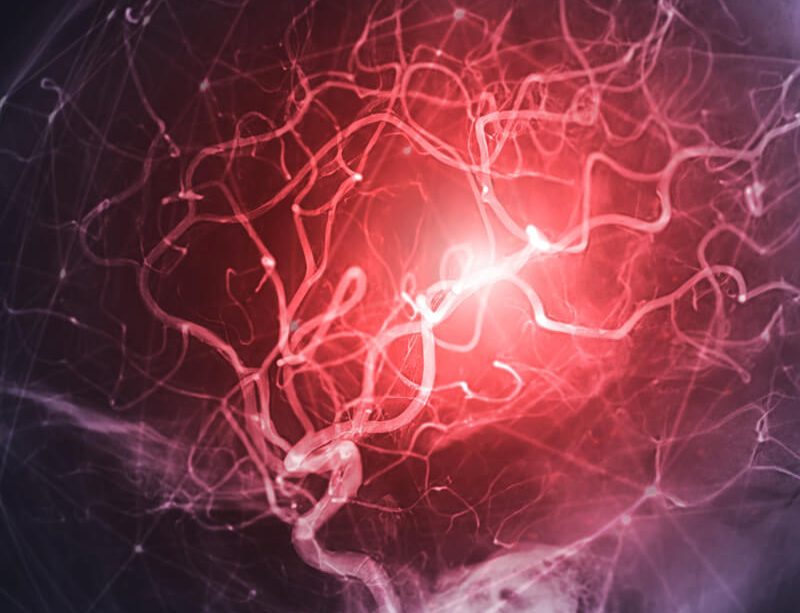
COVID-19 does not only attack the lungs, but can affect virtually any organ in the body, including the brain. And if the brain is attacked by any virus, it causes oxygenation problems that can result in mental illnesses as well as cognitive impairment, such as memory problems, difficulty learning to concentrate or solve logic problems, etc. In addition, infection causes inflammation, and both depression and anxiety have increased levels of inflammatory processes in the brain.
But the link is also reversed – people who suffer from mental illness have up to a 65% higher risk of contracting COVID-19 and an increased risk of death. One reason for this is that they have elevated levels of the stress hormone cortisol in their blood, which impairs the functioning of the immune system.
Depression and epigenetics
While we can inherit a certain tendency to depression, the proven influence of heredity is only between 31 and 42%, which is not a very high figure. Much of the rest of the “work” is done by epigenetics, i.e. external influences that determine the level of activity of important genes in our DNA. But this is also good news, because epigenetic changes, unlike the order of genes in our DNA, are largely reversible.
One of the epigenetic mechanisms influencing the development of depression is the aforementioned change in histone acetylation levels, which can occur, for example, as a result of stress. However, differences have also been observed in other epigenetic responses, in particular gene methylation and histone methylation.
However, here too the link is two-sided – i.e. depression itself negatively affects the course of epigenetic reactions in the body, causing further changes in the activity of a number of important genes. This may contribute to the development of some diseases and has even been shown to shorten overall lifespan by accelerating epigenetic processes related to the rate of ageing.
BDNF factor: the key to both depression and mental performance
Depression can affect not only health but also cognitive function. Scientists have long considered the deterioration of these abilities to be a concomitant of depression, but it turns out that problems in this area often persist even after treatment. The reason is probably due to a substance known by the acronym BDNF.
BDNF is a growth factor that acts in the area of nerve cells – it promotes the formation and maturation of new neurons, improves the survival of existing ones, and at the same time promotes the formation of new neural connections, which are necessary for example in the learning process. Inadequate production of BDNF is typical of both cognitive problems and depression. BDNF promotes the formation and function of neurons that produce serotonin, a substance that enables the transmission of nerve impulses, and also has a positive effect on mood. People suffering from depression have increased methylation of the gene that produces BDNF (this gene has reduced activity).
Interestingly, some commonly used antidepressants are able to influence epigenetic changes in a number of genes associated with depression, including the BDNF gene.
7 tips for a better mood
The most common treatment for depression today is medication from the antidepressant category. It is, admittedly, a fairly effective treatment, and of course, simple – just swallow a pill. It even appears that some of the antidepressants work on the basis of epigenetic principles. The disadvantage, however, is the high number of negative side effects, and also the high likelihood of the return of problems after their discontinuation. It is therefore worth looking for other ways to deal with depression.
1. Psychotherapy
Psychotherapy is clear evidence that thoughts and emotions can influence biochemical processes within the body. In fact, it has been shown to alter epigenetic patterns and influence the formation of connections between nerve cells. Its effects are similar to antidepressants from an epigenetic perspective – research shows that around 75% of patients feel better after treatment than before (compared to those who did not receive any treatment).
There are many epigenetic changes as a result of psychotherapy, in particular changes in the activity of the BDNF gene and overall changes in methylation in the DNA region of brain cells. The extent of these changes was consistent with how patients responded to treatment in the studies. The changes are so pronounced that some scientists have even suggested that psychotherapy should be considered an epigenetic drug.
Psychotherapy is a long haul and requires the active involvement of the patient, which is not easy, especially in the case of severe forms of depression. However, unlike medication, it is completely free of side effects and there is a significantly lower risk of a return of problems after the end of the treatment compared to withdrawal from antidepressants. But the very fact that the person is an active participant in the process can also be important, giving them the important knowledge that they can deal with the problem themselves, ‘in their own head’.
There are many types of psychotherapy (psychodynamic, behavioural, cognitive-behavioural, interpersonal…), and their effects are roughly comparable – the differences in research have been in the order of percentages, but the right choice of therapist is a very important condition for effectiveness.
2. More fish, less sugar
Nutrition is an important factor that affects depression in quite a fundamental way – more than we usually admit. In particular, increased consumption of fish, seafood, nuts and seeds has a positive effect. All of these foods are among the very rich sources of omega-3 unsaturated fatty acids, which is an absolutely crucial nutrient for brain function. Firstly, they form part of the membranes of brain cells and secondly, their sufficient intake significantly reduces the progression of inflammatory diseases in the body. Consistent supplementation of omega-3s in studies has itself reduced the risk of depression by 25!
Polyphenols in plant foods also have a positive effect. Small berries, for example, are particularly beneficial.
Research on the effects of intermittent fasting (i.e. limiting food intake to only a certain part of the day, for example 8-10 hours) and overall reduction in calorie intake is also very promising. Both of these practices promote the production of BDNF and increase the plasticity of the nervous system, which not only results in increased mental performance but also has a positive effect on depression and other psychological problems.
On the other hand, excessive carbohydrate consumption increases the rate of inflammatory processes in the body, but low protein consumption has also been shown to be associated with depression.
3. No alcohol
What to do when a person is locked up at home, lacks contact with friends, can’t pursue hobbies, and also has depressive or anxious feelings? Reaching for a bottle of alcohol is a simple and effective solution at the time. However, in addition to the risk of addiction, the short-term relief is bought by the long-term worsening of psychological problems. Alcohol has significant negative epigenetic effects and, among other things, impairs the production of BDNF.
4. Healthy Light
In autumn and winter, the short daylight hours and the associated lower intensity of natural light can have a significant impact on our mood and psychological well-being. This can trigger what is known as Seasonal Affective Disorder (SAD), known as ‘winter depression’, in sensitive people, but it can also worsen the course of classic, non-seasonal depression.
It is therefore important to use the brightest possible lighting at home or in the workplace, which is so-called full-spectrum – i.e. has a colour composition as close as possible to natural sunlight. The use of so-called light boxes or sun simulators, which give off very bright light, can also be beneficial. For seasonal depression, they are the main method of treatment (their use is even covered by health insurance), but they are also effective for non-seasonal depression.
5. Regular exercise
Movement has been shown to have positive effects on both depression and anxiety, plus it promotes mental performance. One of the reasons for this is probably the fact that it significantly promotes the production of the factor BDNF. It should be aerobic exercise of a moderate to moderate intensity, so in current conditions mainly brisk walking, and only in the case of well-trained people also running. Of course, this applies to persons who are not undergoing an acute phase of coronavirus or other infection.
6. Maintaining optimal weight
It’s something that can’t be done right away, but we have to mention it: Obesity is among the factors that significantly increase the risk of depression. This is because high body fat content firstly alters the epigenetic patterns in the body (especially the rate of methylation), and secondly increases the rate of inflammatory processes. In the long term, therefore, maintaining a reasonable body weight is one of the important steps in the prevention of mental health problems.
7. Dietary supplements
There are a number of substances of natural origin that affect the intensity of epigenetic reactions in the body and can significantly relieve depression and other psychological problems. They usually have no negative side effects, but they do have a number of positive side effects, as they can help to improve health, physical and mental performance, or even promote weight loss by adjusting epigenetic patterns in the body. Here is a small selection.
Rosemary
The well-known Mediterranean herb has a positive effect on the brain and mind as a whole and has been confirmed to have a significant effect on depression and anxiety. It has also been shown to improve sleep quality. It is taken in the form of a tea or extract (in capsules).
Curcumin
The dye from turmeric root is also known to have positive effects on the psyche, both for depression and anxiety. It effectively influences the rate of histone acetylation and gene methylation, improves the production of the growth factor BDNF and repairs damage to mitochondria, whose impaired function can also cause depression. Curcumin can be taken long-term, preferably in combination with piperine, which greatly improves its absorption.
Omega-3
These unsaturated fatty acids not only have epigenetic effects, but are also a building block of nerve cells. They are therefore important for all brain processes – not just cognitive ones, but insufficient intake also increases the risk of depression and anxiety.
Baikal pine cone
The herb, widely used in traditional Chinese medicine, is very effective in treating anxiety. The substances contained in the pine cone are among the few natural substances that can overcome the barrier between the bloodstream and the brain. In the brain, they then bind to the so-called GABA receptors, which, incidentally, is the same principle by which the benzodiazepine drugs that are prescribed for anxiety work. But pine cones are also useful for depression. However, it is not recommended for long term use, usually used in about a four week treatment.
Pomegranate
The extract of this fruit is very useful for middle-aged and older men. This is because it effectively promotes the production of testosterone, whose reduced level is one of the risk factors for depression, and this is reflected in an improvement in mood. However, pomegranate is also very effective for menopausal women.
Boswell
It induces epigenetic changes in the hippocampus that can bring significant relief from depression.
0:00
/
0:00
Stárnutí je volba
Klíčová slova: alcohol, Baikal pine cone, BDNF, carbohydrates, COVID-19, curcumin, depression, inflammation, Kurperin, lighting, mental performance, Motion, omega-3, pomegranate, rosemary, rosmarinic, viruses, weight loss
Komentáře
Seznam zdrojů
- HaoSheng Sun, Pamela J Kennedy, Eric J Nestler. Epigenetics of the Depressed Brain: Role of Histone Acetylation and Methylation. Neuropsychopharmacology. 2013 Jan; 38(1): 124–137. https://www.ncbi.nlm.nih.gov/pmc/articles/PMC3521990/#bib96
https://www.thelancet.com/journals/lanpsy/article/PIIS2215-0366(20)30462-4/fulltext#%20
Jonathan P Rogers, Edward Chesney, Dominic Oliver, Thomas A Pollak, PaoloFusar, Michael S Zandi, Glyn Lewis, Anthony S David. Psychiatric and neuropsychiatric presentations associated with severe coronavirus infections: a systematic review and meta-analysis with comparison to the COVID-19 pandemic. The Lancet Psychiatry. Volume 7, Issue 7, July 2020, Pages 611-627
QuanQiu Wang, Rong Xu, Nora D. Volkow. Increased risk of COVID‐19 infection and mortality in people with mental disorders: analysis from electronic health records in the United States. World Psychiatry. 07 October 2020. https://onlinelibrary.wiley.com/doi/full/10.1002/wps.20806 - Laura K.M. Han et al. (2018). Epigenetic Aging in Major Depressive Disorder American Journal of Psychiatry, 2018; 175 (8)
Martinowich K, Lu B (2008). “Interaction between BDNF and serotonin: role in mood disorders”. Neuropsychopharmacology. 33(1): 73–83.
Pina G (2015). Fluoxetine: Pharmacology, Mechanism of Action and Potential side effects. pp. 125–167.
Juan P. Jiménez, Alberto Botto*, Luisa Herrera, Caroline Leighton, José L. Rossi, Yamil Quevedo, Jaime R. Silva, Felipe Martínez, Rodrigo Assar, Luis A. Salazar, Manuel Ortiz, Ulises Ríos, Paulina Barros, Karina Jaramillo and Patrick Luyten. Psychotherapy and Genetic Neuroscience: An Emerging Dialog. Front. Genet., 17 July 2018 - Stahl SM. Psychotherapy as an epigenetic ‘drug’: psychiatric therapeutics target symptoms linked to malfunctioning brain circuits with psychotherapy as well as with drugs. J Clin Pharm Ther. 2012 Jun;37(3):249-53.
Smith KJ, Sanderson K, McNaughton SA, Gall SL, Dwyer T, Venn AJ. Longitudinal associations between fish consumption and depression in young adults. Am J Epidemiol. 2014 May 15;179(10):1228-35.
https://www.psychologytoday.com/us/blog/in-the-zone/201201/anxiety-and-omega-3-fatty-acids
Yan Li, Caixia Zhang, Suyun Li , Dongfeng Zhang. Association between dietary protein intake and the risk of depressive symptoms in adults. Br J Nutr. 2020 Jun 14;123(11):1290-1301.
Mark P. Mattson, Keelin Moehl,1 Nathaniel Ghena, Maggie Schmaedick, and Aiwu Cheng. Intermittent metabolic switching, neuroplasticity and brain health. Nat Rev Neurosci. 2018 Feb; 19(2): 63–80.
Palmisano M, Pandey SC (May 2017). “Epigenetic mechanisms of alcoholism and stress-related disorders”. review. Alcohol. 60: 7–18.
Anna Würtz Justice, Francesco Benedeti, Michael Terman. Chronotherapeutics for Affective Disorders – A Clinican´s Manual for Light and Wake Therapy. 2nd revised edition. S. Karger AG, 2013.
Sleiman SF, Henry J, Al-Haddad R, El Hayek L, Abou Haidar E, Stringer T, Ulja D, Karuppagounder SS, Holson EB, Ratan RR, Ninan I, Chao MV. 2016. Exercise promotes the expression of brain derived neurotrophic factor (BDNF) through the action of the ketone body β-hydroxybutyrate. Elife 5:e15092.
Gregory E Simon, Evette J Ludman, Jennifer A Linde, Belinda H Operskalski, Laura Ichikawa, Paul Rohde, Emily A Finch, and Robert W Jeffery. Association Between Obesity and Depression in Middle-Aged Women. Gen Hosp Psychiatry. 2008; 30(1): 32–39.
Nematolahi P, Mehrabani M, Karami-Mohajeri S, Dabaghzadeh F. Effects of Rosmarinus officinalis L. on memory performance, anxiety, depression, and sleep quality in university students: A randomized clinical trial. Complement Ther Clin Pract. 2018 Feb;30:24-28
Xu Y, Ku B, Tie L, Yao H, Jiang W, Ma X, Li X. Curcumin reverses the effects of chronic stress on behavior, the HPA axis, BDNF expression and phosphorylation of CREB. Brain Res. 2006 Nov 29;1122(1):56-64.
Smith KJ, Sanderson K, McNaughton SA, Gall SL, Dwyer T, Venn AJ. Longitudinal associations between fish consumption and depression in young adults. Am J Epidemiol. 2014 May 15;179(10):1228-35.
Al-Dujaili E, Smail N. Pomegranate juice intake enhances salivary testosterone levels and improves mood and well being in healthy men and women. 2012.