How to take (not only) epigenetic dietary supplements
epivyziva.cz/
Zobrazeno: 1,054
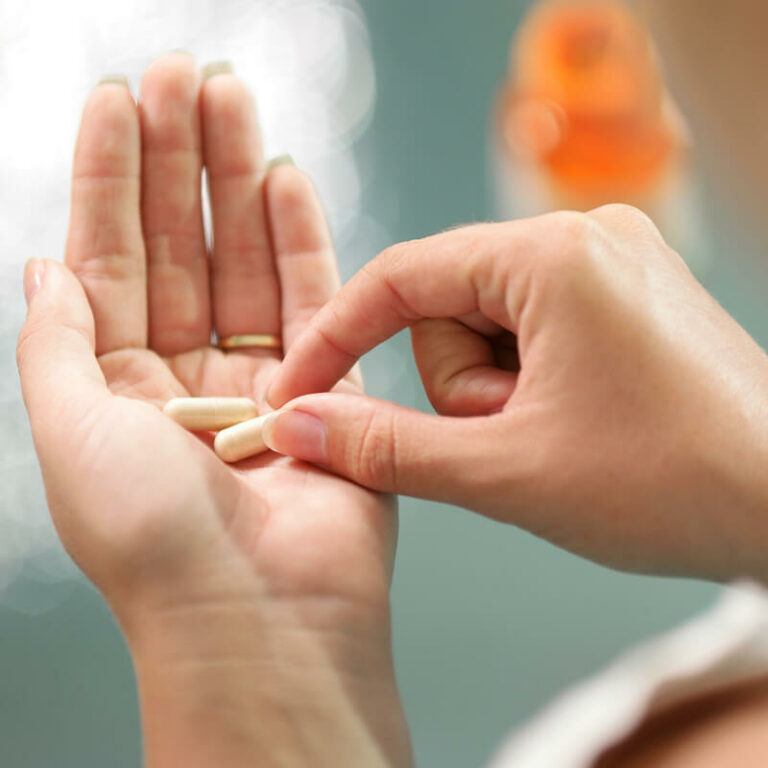
“Yeah, that’s exactly what I need!” This thought usually flashes through a person’s mind when he or she reads about a substance or herb that seems to be “just right” for them – helping with a problem they’re having, or providing a benefit they need. But for a dietary supplement to really benefit our bodies, it also needs to be used correctly.
The following lines therefore answer the most common questions people ask about taking supplements.
What dosage to choose?
When you buy any dietary supplement, you will find the recommended dosage on the box. This is the dose that is considered safe, and you usually won’t make a mistake by following it. But while this dose usually works well for prevention, it may not be enough if a problem has already arisen. After all, even scientific studies charting the effectiveness of natural substances for various health problems often work with doses that exceed those listed on the packaging many times over.
For dosage tips for individual epigenetic supplements, see the overview in the Nutrition section. For most of them, while short-term, significant dose increases are usually possible and safe (except for people taking certain medications, for example), there are usually no studies on the safety of long-term use of high doses, so it is advisable to take high doses only for a short period of time (a few weeks) and then switch to the dosage on the packaging.
Many people do take epigenetic dietary supplements at high doses for long periods of time (typical of athletes, for example), but as we have already mentioned, for most there is no evidence that this is safe. And for some, we even know that it is not safe. We’ve already talked about the risks of high doses of fat-soluble vitamins, but this is also true for other substances – for example, long-term use of high doses of EGCG can lead to liver damage, overdosing on quercetin can damage the kidneys…
However, the appropriate doses may also vary individually. And it is not just a matter of lower doses being sufficient for children, but often a number of small details. Here are some examples:
- The need for omega-3 unsaturated fatty acids varies depending on our diet. In addition to the absolute intake, the ratio of omega-6 to omega-3 unsaturated fatty acids is also important, and should ideally be 1:3.
- Smokers should not take higher doses of vitamin A or beta-carotene because these substances, which otherwise have anticancer effects, increase their risk of lung cancer.
- In people with impaired small intestinal function, it does not make sense to take EGCG. The absorption of this substance takes place in the small intestine, and if this does not work as it should, EGCG passes into the large intestine, where it is broken down without any possibility of positively affecting the organism.
- While some epigenetic supplements are very beneficial in pregnancy (typically omega-3s), others should be avoided, such as those with significant blood thinning effects or those with significant effects on the hormonal system (more here: https://www.epivyziva.cz/cesta-ke-zdravemu-miminku-ii-epigenetika-v-tehotenstvi/)
Fasting or with food?
In general, it is clearly better to take herbs on an empty stomach, i.e. half an hour before a meal and at least two hours after a meal. In the case of nutrients, however, the method of use varies.
The method of use for vitamins and other fat-soluble substances is crucial. These are in particular vitamins A, D, E, K and also all carotenoids – not only beta-carotene, but also astaxanthin, which is used for example to support immunity, fertility or visual function (more here: https://www.epivyziva.cz/astaxantin/) or lutein and zeaxanthin to support eyesight. All these nutrients can only be absorbed and used by the body if they are dissolved in fat. Therefore, it is absolutely necessary to either take a form of dietary supplements that already contain fat or to consume them along with food containing fat. Another option is to combine these supplements with, for example, omega-3 unsaturated fatty acids.
For fat-soluble nutrients, there is another important thing to keep in mind, and that is to follow the recommended dosage. If we overdo the intake of water-soluble vitamins, the body can cope and simply excrete the excess in the urine. However, it cannot excrete excess fat-soluble vitamins. If it is short-lived, this may not automatically be detrimental; for example, in the case of a large deficiency, stores of these substances in adipose tissue can be replenished. However, a significant excess is toxic to the body, and with vitamins A and E, for example, an overdose can even be fatal.
While water-soluble vitamins are slightly better taken on an empty stomach, you won’t make a major mistake by taking them with food.
In the case of minerals and trace elements, their effectiveness does not depend too much on whether they are taken fasting or with food, but some fasting supplements may irritate the stomach in more sensitive people.
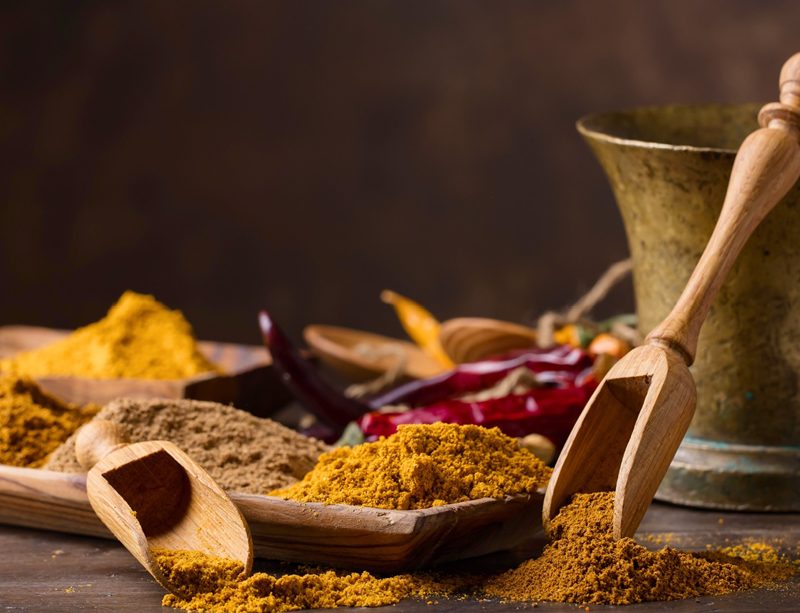
The same is true for some other dietary supplements – for example, curcumin is generally slightly better taken on an empty stomach, but as it is a hot spice (especially when taken with piperine), many people find it more acceptable to take it with food. Omega-3 can also cause feelings of heaviness or even reflux, so here too it is better to take it with food, or in smaller doses throughout the day.
Morning or evening?
Although the duration of use is usually not as crucial as the form, it is still worth thinking about.
Dietary supplements that have a stimulating effect, increase mental or physical performance, promote blood circulation, etc. are preferably taken in the morning or in the first half of the day. In the evening, we would not benefit much from their effects, and even sleep could be disturbed. Typical examples are not only stimulants like guarana, but also for example curcumin, ginger (shoagol), rosemary, EGCG, etc.
Combining dietary supplements with physical activity can also be very effective, whether your goal is to increase athletic performance or lose weight. Dietary supplements with an immediate effect on blood flow, such as curcumin, ginger (shogaol), pomegranate, resveratrol or quercetin (or a combination of these) are very effective in influencing performance. If taken about half an hour before exercise, they will promote blood flow to the working muscles and thus help to increase strength and endurance performance. For endurance athletes and overweight people, it may be advisable to take fat-burning dietary supplements such as EGCG or Coleus forskohlii before exercise. After exercise, substances with antioxidant and anti-inflammatory effects are very effective, as they speed up recovery. (For more information on dietary supplements in sport, see, for example, here: https://www.epivyziva.cz/cesta-k-medailim-vede-pres-geny/ or here: https://www.epivyziva.cz/oxid-dusnaty-klic-ke-sportovni-vykonnosti-i-lepsi-erekci/.)
In the evening, on the other hand, it is advisable to take magnesium and calcium, as this combination promotes relaxation, or substances that are chosen specifically with the intention of promoting sleep – for example, herbs such as lemon balm, hops or valerian, but also saffron, L-tryptophan or Baikal coneflower, which effectively relieves anxiety (more here: https://www.epivyziva.cz/uzkost-je-nechtene-dedictvi-jak-mohou-pomoci-prirodni-prostredky/).
How long should I take it?
How long it takes to feel the first effects of taking a substance depends on many circumstances. For example, if we start supplementing a vitamin or mineral that our body was lacking, the effect can be felt within a few days.
The body can respond even more quickly to dietary supplements that promote blood flow. For example, resveratrol, by promoting blood flow to the brain, will improve mental performance just an hour or so after taking a single dose. Similarly, curcumin, pomegranate or ginger will improve blood flow to muscles within half an hour, resulting in improved athletic performance.
However, when it comes to epigenetic effects, i.e. the ability to change the activity of individual genes in DNA, the use is a bit longer. The minimum is three weeks, but rather count on a period of 2-3 months.
At the same time, it is important to know that not every substance can be taken long-term. In general, it is better to take herbs in the form of a time-limited treatment (maximum three months), while nutrients that are a normal part of the diet can be taken in lower doses for a long time (an exception is, for example, quercetin).
Can it be combined with other dietary supplements?
It is certainly not the case that if we take several supplements at the same time, their effects are cumulative. It depends on the combination – if we choose the right one, the positive effects can be multiplied, while inappropriate combinations can reduce the effects.
Here are some examples of combinations that significantly improve the body’s ability to absorb and use a substance:
- The absorption of EGCG is fundamentally impaired by calcium and magnesium ions, which inactivate it, so it should not only not be combined with these minerals, but even washed down with mineral water or too hard water. On the contrary, we can enhance its absorption by combining it with vitamin C, omega-3 or piperine.
- For optimal absorption, curcumin should be supplemented with piperine, but a combination with quercetin or chilli also works.
- Resveratrol is better absorbed when combined with quercetin, curcumin or piperine.
Nutrients and herbs that occur together in a particular natural resource are also usually well matched. Again, a few examples:
- Resveratrol with OPC or quercetin
- Omega-3 with vitamin D3 or astaxanthin
- Baikal coneflower with quercetin
- Genistein with indole-3-carbinol
Keeping track of which nutrient combinations are commonly found in the traditional cuisines of certain nations can also be a good guide. For example, in Mediterranean cuisine, omega-3s (fish), olive polyphenols such as hydroxytyrosol (olive oil), resveratrol and OPCs (red wine) and local aromatic herbs (rosemary, thyme, basil, oregano) are often found together in the same dish. Therefore, combining any of these ingredients is usually not a mistake. Japanese cuisine is characterized by the combination of EGCG (green tea), genistein (soy products) and omega-3 (fish, algae).
If you want to take more than one food supplement but are not sure whether they make a good combination, you can take them separately at different times of the day (with a break of at least three hours). We also continually add suitable combinations to individual herbs and nutrients in the Nutrition section.
What if I’m on medication?
The effects of epigenetic dietary supplements can be really significant, and we should keep this in mind especially if we are taking any medications, as they can interact quite significantly with some of them. So, although it is usually the case that taking the doses recommended on the packaging of dietary supplements should not be dangerous (it is advisable to stick to the lower end of the recommended dosage to be on the safe side), this cannot be fully relied upon. An important principle should therefore be kept in mind: Only your treating physician can give you a guaranteed answer as to whether a particular dietary supplement is appropriate with the medication you are taking.
Here again are a few examples of possible interactions with certain drugs:
- For example, curcumin, rosemary, OPCs or astaxanthin reduce blood clotting, so it can be problematic to take it with anti-clotting drugs – such as Warfarin, but also Aspirin – and blood pressure-lowering drugs.
- Some dietary supplements can also affect the absorption of medications, either in the sense of promoting or inhibiting it. For example, EGCG can affect the absorption of cholesterol-lowering drugs or antipsychotics.
- Quercetin interacts with some antibiotics, cyclosporine, and drugs that affect liver function.
- Blood sugar-lowering supplements (astaxanthin, curcumin, ginger) can be problematic with antidiabetic drugs.
What if it doesn’t make me feel good?
You may occasionally hear from natural medicine therapists that it is perfectly normal to start taking something and have your problems worsen. The reason, they say, is that the body is cleansing itself. But the basis of health care is to listen to your body as best you can. And how else is the body supposed to tell that something is not doing it good, other than by simply saying that it is not doing it good?
So as soon as your problems get worse after you start taking any dietary supplement, you get other problems, your stomach starts to hurt, you have diarrhoea, etc., just stop taking it. Nature offers us countless substances with a positive effect on the body and mind, so it will certainly not be a problem to find another alternative that will not harm you, but on the contrary help you.
0:00
/
0:00
Stárnutí je volba
Klíčová slova: antibiotics, Baikal pine cone, dietary supplements, egcg, Genistein, healthy nutrition, lighting, omega-3, opc, quercetin, resveratrol
Komentáře
Seznam zdrojů
- Moran, N. E., & Johnson, E. J. Closer to clarity on the effect of lipid consumption on fat-soluble vitamin and carotenoid absorption: Do we need to close in further? Am J Clin Nutr. 2017 Oct; 106(4): 969–970.
- https://ods.od.nih.gov/factsheets/MVMS-HealthProfessional/
- Prentice RL. Clinical trials and observational studies to assess the chronic disease benefits and risks of multivitamin-multimineral supplements. Am J Clin Nutr 2007;85:308S-313S.
- Alpha-Tocopherol, Beta-Carotene Cancer Prevention Study Group. The effect of vitamin E and beta carotene on the incidence of lung cancer and other cancers among male smokers. N Engl J Med 1994;330:1029-1035.
- https://www.webmd.com/vitamins/ai/ingredientmono-662/turmeric
- Leslie G Cleland, Michael J James and Susanna M Proudman.. Fish oil: what the prescriber needs to know. Arthritis Res Ther. 2006; 8(1): 202.
- Ahmed A Albassam , John S Markowitz. An Appraisal of Drug-Drug Interactions with Green Tea (Camellia sinensis). Planta Med. 2017 Apr;83(6):496-508.
- https://www.nutraingredients.com/Article/2018/04/19/EGCG-warning-EFSA-safety-assessment-suggests-green-tea-supplements-should-come-with-warning#
- Hunstein W. AL-amyloidosis and epigallocatechin-3-gallate: 4 years and 5 months later. 2011. [accessed on 13 July 2011]. Available online: http://www.hunstein-egcg.de.
- Altland K, Schreiner R, Hunstein W. Of Green Tea, Black Pepper, and Amyloidoses. 2010. [accessed on 13 July 2011]. Available online: http://www.ukgm.de/ugm_2/deu/ugi_hum/EGCG_Piperin_engl.pdf.
- Auger C, Mullen W, Hara Y, Crozier A. Bioavailability of polyphenon E flavan-3-ols in humans with an ileostomy. J Nutr. 2008;138:1535S–1542S.
- Stalmach A, Troufflard S, Serafini M, Crozier A. Absorption, metabolism and excretion of Choladi green tea flavan-3-ols by humans. Mol Nutr Food Res. 2009;53:S44–S53.
- Lorenz M, Jochmann N, von Krosigk A, Martus P, Baumann G, Stangl K, Stangl V. Addition of milk prevents vascular protective effects of tea. Eur Heart J. 2007;28:219–223.
- Kaleb Lund, Traci Pantuso, Combination Effects of Quercetin, Resveratrol and Curcumin on In Vitro Intestinal Absorption. April 2014, Journal of Restorative Medicine 3(1):112-120
- Yifeng Gao, Trygve O Tollefsbol. Combinational Proanthocyanidins and Resveratrol Synergistically Inhibit Human Breast Cancer Cells and Impact Epigenetic⁻Mediating Machinery. Int J Mol Sci. 2018 Jul 27;19(8):2204.
- Behnood Abbasi, Masud Kimiagar, Khosro Sadeghniiat, Minoo M. Shirazi, Mehdi Hedayati, and Bahram Rashidkhani. The effect of magnesium supplementation on primary insomnia in elderly: A double-blind placebo-controlled clinical trial. J Res Med Sci. 2012 Dec; 17(12): 1161–1169.
- Eric T. Trexler, Abbie E. Smith-Ryan, Malia N. Melvin, Erica J. Roelofs, Hailee L. Wingfielda. The effects of pomegranate extract ond bolld flow and runnig time performance. Appl Physilo Nutr Metab. 2014 sep, 39(9): 1038-1042
- J. R. Santos-Parker, T. R. Strahler, C. J. Bassett, M. B. Chonchol, D. R. Seals. Biomarker of aging and age-associated disease curcumin supplementation improves vascular endothelial function in middle -aged and older adults. Gerontologist, 2015, vol. 55, Supplement 2, 195
- Dean S, Braakhusis A, Paton C. The effect of EGCG no fat oxidation and endurance performance in male cyclists. Int J Sport Nutr Exerc Metab. 2009 Dec, 19(6):624-44
- https://www.webmd.com/vitamins/ai/ingredientmono-662/turmeric#:~:text=Do%20not%20use%20turmeric%20if,in%20people%20with%20bleeding%20disorders.
- https://www.webmd.com/vitamins/ai/ingredientmono-294/quercetin
- Steven D. Ehrlich, NMD. Ginger. University of Maryland Medical Center. 6/22/2015. https://umm.edu/health/medical/altmed/herb/ginger
- Steven D. Ehrlich, NMD. Grape Seed. University of Maryland Medical Centre. 1/2/2015. https://umm.edu/health/medical/altmed/herb/grape-seed