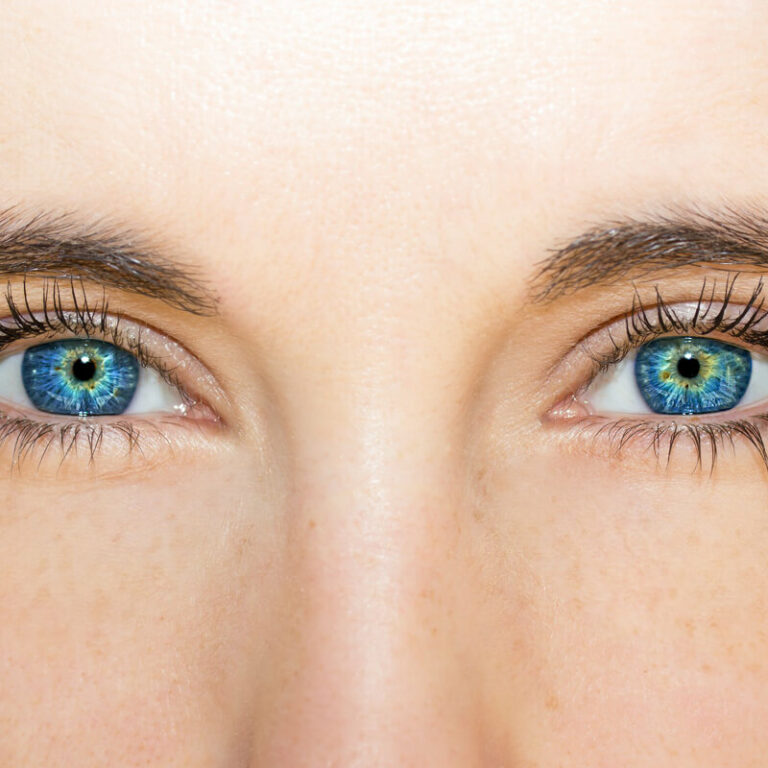
“Eat carrots, you’ll have healthy eyes,” our mothers used to tell us when we were kids. And they were certainly right, because the beta-carotene in this vegetable is clearly beneficial for the eyes. However, there are many foods that are more important for their functioning than carrots. How can blueberries, curcurrants, salmon, spinach and eggs benefit our eyesight?
Blueberries are rich in polyphenols, which are substances with strong antioxidant, epigenetic and anti-inflammatory properties. A large proportion of the polyphenols contained are dark dyes called anthocyanins, which have extensive positive effects on all eye structures.
Blueberries, for example, have a strong neuroprotective effect, or the ability to protect nerve cells. This also applies to cells of the retina and optic nerve. The positive effect of their consumption has also been observed in a number of serious eye diseases such as cataracts and glaucoma or macular degeneration, a serious disease of the retina often resulting in blindness). Some research has also shown a positive effect of anthocyanins on the ability to focus. On the other hand, blueberries have not been shown to improve twilight vision.
Another very important property of blueberries is their positive effect on the cardiovascular system, which is crucial for the state of vision. The eyes are among the organs most sensitive to sufficient oxygen and nutrients – the retina even has the highest oxygen consumption of all body tissues. The blood vessels that supply the eyes with blood are very small, and if their permeability is reduced, for example as a result of atherosclerosis, this is a major problem for vision.
Anthocyanins have a major impact on cardiovascular health: for example, people with a higher intake of anthocyanins have a 32% lower risk of myocardial infarction and a 10% lower incidence of high blood pressure. They also reduce LDL cholesterol levels.
High oxygen consumption also entails increased production of free radicals, which damage all eye structures. This is where the powerful antioxidant potential of anthocyanins and other substances contained in blueberries comes into play.
Equally important, blueberries reduce the risk of developing type 2 diabetes by an average of 23%. Poorly compensated diabetes is a common cause of retinal damage (diabetic retinopathy), which can lead to blindness. Blueberries also help once diabetic retinopathy has already set in.
Other positive effects of blueberries: help lose weight, improve mental performance and memory, reduce the risk of dementia, boost immunity, protect the liver and respiratory tract, reduce the risk of cancer and osteoporosis.
The tiny orange fruits of the Chinese curcurrant, sometimes called goji, are an incredibly rich reservoir of beneficial nutrients. Perhaps most interesting from an eye health perspective is its high content of zeaxanthin, a carotenoid dye.
Zeaxanthin, together with its isomer lutein, is the most abundant carotenoid in the eyes, especially in the retina. Both have a strong antioxidant potential, which allows them to protect the tissues of the eye from damage, and are also an important component of nerve cell membranes. Adequate intake of zeaxanthin also reduces the risk of certain eye diseases, especially cataracts and macular degeneration. Read more “
A very interesting component of the curcurbit is a mixture of substances called LBP (Lycium barbatum polysaccharides). It is a mixture of 17 amino acids and several carbohydrates, which has exceptional antioxidant potential. It also supports immunity, helps slow down ageing, promotes the repair of damaged DNA and regulates the processes of so-called cell death, which is also crucial for the functioning of the eyes.
Strong antioxidant potential and the ability to slow down aging has a dye betaine, which is also found in the curcurrant. Betaine also has the ability to protect mitochondria and support their function. Mitochondria are crucial to the functioning of all tissues in the body. These cellular organelles convert nutrients into energy, and if the tissues do not have enough energy, their function deteriorates rapidly. And because the eyes, along with the brain, are the body’s biggest energy consumers, mitochondrial function is essential.
Other positive effects of curcurbit: supports immunity, mental performance and cardiovascular function, anti-cancer, slows aging.
Like other fish, salmon meat is a rich source of omega-3 unsaturated fatty acids, which are essential not only for the functioning of the brain but also for the eyes. They are an essential component of the membranes of retinal cells and their sufficient intake is important in preventing eye defects, cataracts and retinal diseases.
In addition to omega-3s, however, salmon meat is also a source of one relatively rare compound, a carotenoid called astaxanthin.
Astaxanthin is one of the most powerful antioxidants with epigenetic and anti-inflammatory effects, and its positive effects on eye health are extensive: it improves focusing ability, slows age-related visual decline, improves retinal nutrition, supports the prevention and treatment of glaucoma and macular degeneration, and reduces visual fatigue. Read more “
Other positive effects of astaxanthin: supports immunity, anti-cancer, helps with weight loss, diabetes and cardiovascular disease.
Spinach is one of the least popular vegetables, a sad remnant of its unattractive appearance on school canteen plates. When prepared well, it is a delicacy and has beneficial effects on the whole human body. And that goes for the eyes too.
Spinach leaves are among the richest sources of lutein and zeaxanthin, which are essential for the protection and function of the retina, lens and other eye structures. Their consumption has a significant protective effect against both cataracts and macular degeneration, and they are also essential for visual acuity and protection of eye structures from UV radiation. Adding lutein and zeaxanthin to the diet, for example, leads to a 50-60% reduction in UV damage to cells.
Spinach is also a rich source of nitrates, which form nitric oxide in the body. This acts as a signal molecule that causes vasodilation, or the dilation of blood vessels, thereby improving blood flow to all tissues in the body – including the eyes.
Eggs, specifically their yolk, are another very rich source of lutein and zeaxanthin. In addition, a number of studies have shown that these substances are better utilized from them than lutein and zeaxanthin from plant sources. Thus, egg consumption has been shown to increase both the blood levels of these carotenoids and the concentration of pigments necessary for vision in the retina.
Eggs are also a source of other substances necessary for eye function, such as vitamin A, vitamin E, selenium and zinc.
PŘIHLASTE SE K ODBĚRU NOVINEK A MĚJTE VŽDY ČERSTVÉ INFORMACE
| Cookie | Duration | Description |
|---|---|---|
| cookielawinfo-checkbox-analytics | 11 měsíců | Tento soubor cookie je nastaven pluginem GDPR Cookie Consent. Soubor cookie se používá k uložení souhlasu uživatele s používáním souborů cookie v kategorii „Analytika“. |
| cookielawinfo-checkbox-functional | 11 měsíců | Soubor cookie je nastaven na základě souhlasu s cookie GDPR k zaznamenání souhlasu uživatele pro soubory cookie v kategorii „Funkční“. |
| cookielawinfo-checkbox-necessary | 11 měsíců | Tento soubor cookie je nastaven pluginem GDPR Cookie Consent. Cookies slouží k uložení souhlasu uživatele s cookies v kategorii „Nezbytné“. |
| cookielawinfo-checkbox-others | 11 měsíců | Tento soubor cookie je nastaven pluginem GDPR Cookie Consent. Cookie se používá k uložení souhlasu uživatele s cookies v kategorii „Jiné. |
| cookielawinfo-checkbox-performance | 11 měsíců | Tento soubor cookie je nastaven pluginem GDPR Cookie Consent. Cookie se používá k uložení souhlasu uživatele s cookies v kategorii „Výkon“. |
| elementor | nikdy | Tento soubor cookie používá téma WordPress webu. Umožňuje vlastníkovi webu implementovat nebo měnit obsah webu v reálném čase. |
| viewed_cookie_policy | 11 měsíců | Soubor cookie je nastaven pluginem GDPR Cookie Consent a používá se k uložení, zda uživatel souhlasil nebo nesouhlasil s používáním souborů cookie. Neukládá žádné osobní údaje. |
| Cookie | Duration | Description |
|---|---|---|
| sb | 2 roky | Tento soubor cookie používá Facebook ke kontrole svých funkcí, shromažďování jazykových nastavení a sdílení stránek. |
| Cookie | Duration | Description |
|---|---|---|
| _ga | 2 roky | Soubor _ga cookie, nainstalovaný službou Google Analytics, vypočítává údaje o návštěvnících, relacích a kampaních a také sleduje využití webu pro analytický přehled webu. Soubor cookie ukládá informace anonymně a přiřazuje náhodně vygenerované číslo k rozpoznání unikátních návštěvníků. |
| _gat_gtag_UA_71041054_1 | 1 minuta | Nastaveno Googlem k rozlišení uživatelů. |
| _gid | 1 den | Soubor cookie _gid nainstalovaný službou Google Analytics ukládá informace o tom, jak návštěvníci používají webovou stránku, a zároveň vytváří analytickou zprávu o výkonu webu. Některá data, která jsou shromažďována, zahrnují počet návštěvníků, jejich zdroj a stránky, které anonymně navštěvují. |
| Cookie | Duration | Description |
|---|---|---|
| fr | 3 měsíce | Facebook nastavuje tento soubor cookie tak, aby uživatelům zobrazoval relevantní reklamy sledováním chování uživatelů na webu, na stránkách, které mají Facebook pixel nebo sociální plugin Facebooku. |
| _fbp | 3 měsíce | Tento soubor cookie je nastaven společností Facebook, aby po návštěvě webové stránky zobrazoval reklamy na Facebooku nebo na digitální platformě založené na reklamě na Facebooku. |
| Cookie | Duration | Description |
|---|---|---|
| pvc_visits[0] | 1 minuta | Tento soubor cookie vytváří počítadlo po zhlédnutí. Tento soubor cookie se používá k počítání počtu návštěv příspěvku. Pomáhá také zabránit opakovanému zobrazení příspěvku návštěvníkem. |