How many times have you actually gotten up this night? It’s hard to say. You just feel like peeing again. Terribly. You just have to go to the bathroom. And you know you’re gonna be standing over the bowl again for a few minutes, and in that time, only a little bit of urine will come out. The devil owed you that prostate!
The prostate is a gland surrounding the urethra. A man appreciates its existence especially at the moment when he is trying to conceive a child. It produces a fluid that makes up to 30% of the semen and also contains smooth muscles that expel the semen when ejaculating. After 50, however, it often becomes rather infuriating. If it becomes too thick (and this affects about a third of men between the ages of 50 and 70), it begins to constrict the urethra, causing urinary urgency and difficulty emptying.
Prostate enlargement, the most common cause of which is benign prostatic hyperplasia (BPH). The word “benign” means “benign”, so it is a problem that does not threaten life in itself, but only makes it much more difficult. However, some of the processes that lead to BPH also increase the risk of prostate cancer.
Is it testosterone?
Prostate enlargement is largely caused by epigenetic factors – these are mainly lifestyle influences that affect the course of chemical reactions that can turn on or off certain genes in our DNA. However, these influences are also involved in prostate cancer – researchers have observed different patterns of gene methylation in men affected by the disease (methylation is one of the three most important epigenetic reactions.
In the case of prostate enlargement, however, the male sex hormone testosterone plays a very important role. Although there is nothing wrong with it in principle, it can be said, with a bit of exaggeration, that it is what makes a man a man, and perhaps no man would want to voluntarily reduce his levels. However, after about the age of forty, levels of an enzyme in the body called 5alpha-reductase, which converts testosterone into dihydrotestosterone (DHT), begin to rise. And it is this hormone that is the main reason the prostate begins to grow. Another enzyme, aromatase, also plays a role, which in turn controls the conversion of testosterone into female sex hormones.
Both exercise and diet will help.
The formation of 5alpha-reductase can be affected by synthetic drugs, but these are not without side effects. However, relatively significant successes can be achieved through lifestyle and nutritional modification.
One of the most important risk factors for BPH (and prostate cancer) is obesity. It affects the prostate in several ways: it increases intra-abdominal pressure, promotes the production of the enzyme aromatase, increases the intensity of inflammatory processes in the body, and has epigenetic effects (in particular, it alters DNA methylation patterns quite significantly).
On the other hand, regular physical exercise is a positive factor. A meta-analysis of studies involving more than 43 000 men confirmed that those who regularly engage in moderate to vigorous physical activity have a 25% lower risk of benign prostatic hyperplasia.
Nutrition plays a big role. Among the common nutrients, vitamin E, selenium, zinc, lycopene and unsaturated fatty acids have a positive effect on the prostate. Nutrients and herbs with epigenetic effects are a very effective way – if they are consumed in sufficient quantities (for example, in the form of dietary supplements), some of them can directly influence the level of 5alpha-reductase and DHT in the body.
However, 5alpha-reductase and DHT cause not only prostate problems, but also another typically male problem – balding. Therefore, some of the remedies listed below have a positive effect on this problem as well (more here).
Pomegranate
This fruit or its extract contains epigenetically acting ellagic and punicic acids. When consumed regularly, it has been shown to reduce the production of DHT, improve BPH and also have a preventive effect on prostate tumours. Overall, it also improves blood circulation to all body tissues and positively affects potency. It is also effective for some types of male pattern baldness.
Read more about pomegranate here.
Curcumin
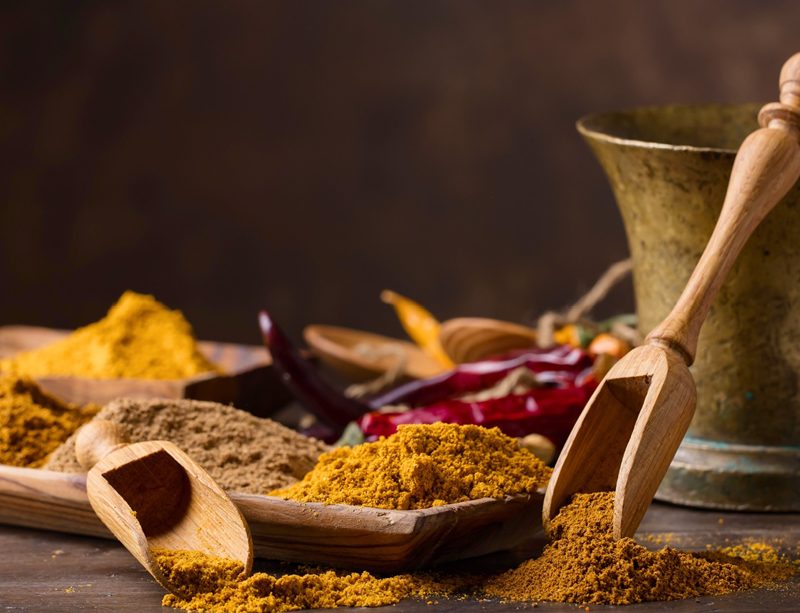
The dye contained in turmeric is one of the most effective natural means to influence the production of 5alpha-reductase and is also excellent for its anti-cancer and anti-inflammatory effects. It too has an anti-hair fall effect.
Read more about curcumin here.
Astaxanthin
The carotenoid contained, for example, in salmon meat is also one of the potent inhibitors of 5alpha-reductase with a positive effect on the prostate. At the same time, it stands out for its antioxidant effects. It is very effective in combination with beta sitosterol, a plant sterol whose source is the Serenoa repens palm (also known by its English name saw palmetto).
Read more about astaxanthin here.