Support the brain right in the brain. Which natural substances actually get into it?
epivyziva.cz/
Zobrazeno: 1,150
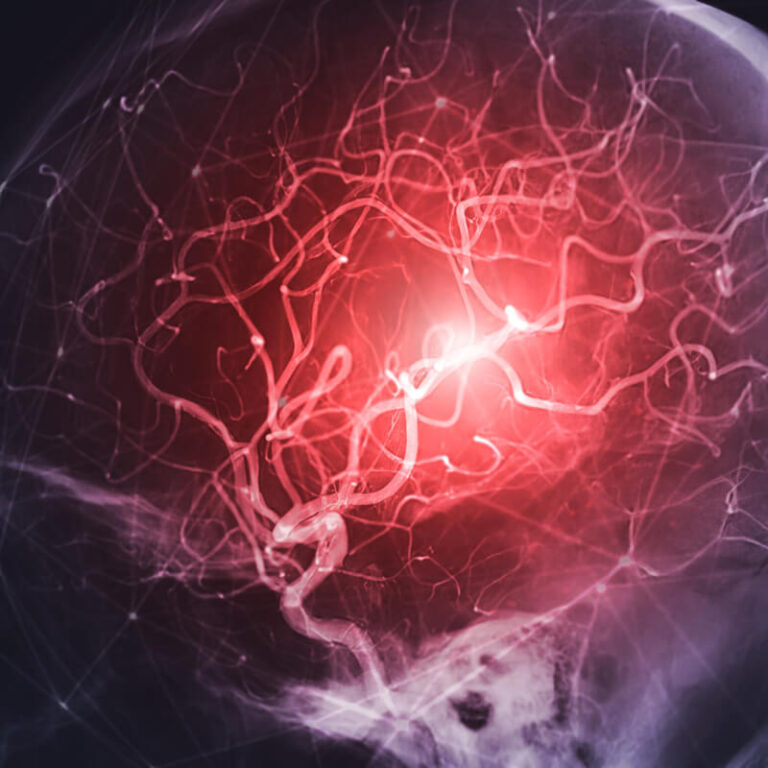
Impaired memory and other cognitive functions. Depression. Anxiety. Alzheimer’s or Parkinson’s disease… These disorders have a lot in common: firstly, there are negative changes within the brain and secondly, there can be significant improvements with nutrients and herbs. But there is a catch: not all natural substances are able to overcome the so-called blood-brain barrier.
There is no blood vessel like a blood vessel
Our blood vessels aren’t just any ordinary pipes. They are complex tissues that are capable of producing certain substances on their own and responding to the needs of the body. And they are also definitely not all the same.
In particular, there are great differences between the capillaries or hair cells – the tiniest blood vessels that form a dense network in the various organs and tissues that supply oxygen and nutrients and carry away waste substances. In fact, the capillaries are slightly different in each organ. They differ precisely in terms of the substances that can pass through their walls.
One extreme is the capillaries in the liver. The liver is a kind of chemical factory of our body: A lot of different substances enter them from the blood, such as nutrients or toxins, which are broken down there, and in turn, substances that are produced inside come out of them – for example, certain proteins, enzymes or hormones. These substances have different chemical and physical properties and often have quite large molecules. The capillaries supplying the liver must therefore, in simple terms, have large gaps in their microscopic structure to allow these substances to pass through.
At the opposite extreme, however, are the capillaries in brain tissue. The brain is the most important tissue of our body, which is also very sensitive to the action of many substances, and therefore it is certainly not desirable for anything to get inside. The microscopic structures of the brain capillaries are therefore very tight, and are equipped with mechanisms that allow the movement of ions and molecules from the blood to the brain and back to be precisely regulated (there are special carriers for substances that do not pass through the capillaries but are still needed inside). This protects the brain from, for example, toxins, pathogens or substances that cause inflammation.
Overall, the brain capillaries are so poorly permeable to others in the body that the name blood-brain barrier is applied to this property. Sometimes the abbreviation BBB is also used for it – from the English Blood-Brain Barrier.
When the brain “leaks”
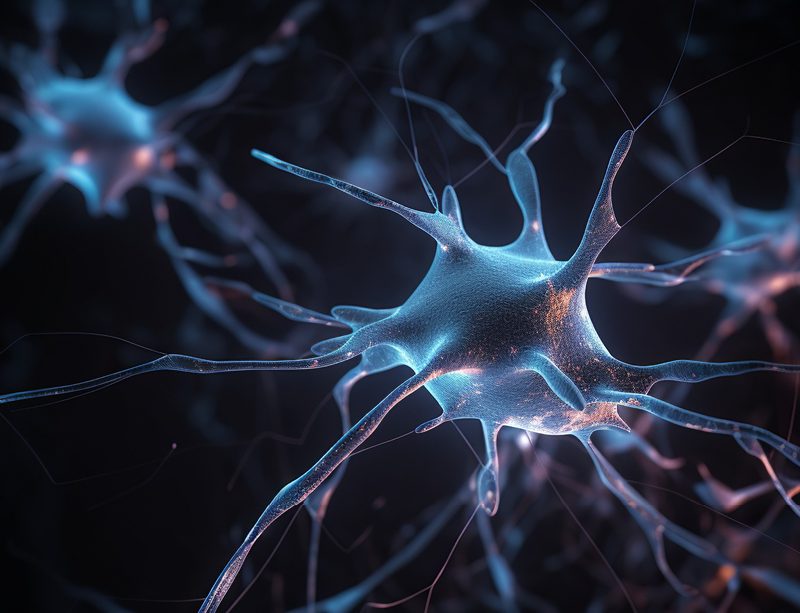
Several types of cells and tissues ensure the optimal function of the blood-brain barrier (BBB). The function of the endothelium, or the inner lining of blood vessels, is important. There are two very tight, continuous basement membranes in the blood vessel wall. Adjacent to these on the outside are protrusions of brain cells called astrocytes, which are involved in modulating and maintaining the BBB. Also important are the so-called mural cells lining the inside of the blood vessels, whose structure and function also differ from the capillaries in the rest of the body. However, some immune cells, particularly microglial cells and macrophages, are also involved in maintaining the BBB.
The system is therefore very complex and its balance very fragile. But maintaining it is crucial to brain health. If it is disturbed, substances that do not belong there enter its tissue, which can have a number of serious consequences – a disturbed BBB is typical of neurodegenerative diseases such as Alzheimer’s or Parkinson’s disease, multiple sclerosis or many neurological diseases. Serious disruption of the BBB also occurs, for example, in stroke. There are also diseases that directly disrupt the BBB, such as autoimmune Devic’s disease (neuromyelitis optica).
On the other hand, if a substance with positive effects penetrates the BBB, it may be beneficial for brain health. We will therefore focus in the following lines on two types of nutrients and herbs: those that support the proper function of the BBB, and then those that are able to penetrate the BBB and act directly in brain tissue.
Herbs and nutrients penetrating the blood-brain barrier
Of course, it is not true that substances that are unable to cross the blood-brain barrier cannot have a positive effect on the brain. On the contrary. Examples are nutrients and herbs that affect the function of the BBB, but do not reach the brain (see below). The condition of our brain is also closely related to the state of the gut microbiome, so virtually any substance that affects its balance has a positive effect in a number of brain-related problems, more here “. A number of other substances benefit the brain by improving its blood supply – more here “. Substances that can overcome the BBB, however, have a specific position because they are able to exert their positive effects directly inside the brain tissue. And which ones are they?
Saffron
The mucilage of the crocus is one of the most powerful natural antidepressants. In research, saffron has achieved similar efficacy to fluoxetine (an ingredient in the popular antidepressant Prozac) for moderate depression. It is also highly effective for pregnancy depression and when taken with antidepressants, increases their effectiveness. In addition, it has positive effects on mental performance and memory, helps with Alzheimer’s and Parkinson’s disease and promotes sleep. One of its important active ingredients, crocetin, is able to penetrate the BBB. Read more “.
Baikal pine cone
This herb contains two substances that are able to penetrate the BBB: vogonin and baicalein. In the brain, they then bind to so-called GABA receptors, which are primarily for gamma-aminobutyric acid, a neurotransmitter with depressant effects. This makes Baikal coneflower one of the most effective natural remedies for anxiety. In addition, it also helps with ADHD, depression, Alzheimer’s disease and sleep disorders. Read more “.
Astaxanthin
Carotenoid, which is found for example in salmon meat, shrimps or some seaweeds, is one of the very powerful antioxidants with epigenetic effects. It penetrates the BBB relatively easily and not only protects cells in the brain from free radical damage, but also, for example, regulates the production of the enzyme caspase 3, the excessive production of which leads to brain cell death. It is particularly effective in the hippocampus, the part of the brain responsible for memory. It also inhibits the formation of amyloid plaques typical of Alzheimer’s disease and supports the function of mitochondria in brain tissue, thereby ensuring sufficient energy for nerve cells (mitochondrial dysfunction is typical of many brain-related disorders). Read more “.
Quercetin
The polyphenol contained in a wide range of foods and herbs penetrates the BBB very readily – with an efficiency of over 60%. As a powerful antioxidant, it protects nerve cells from damage and positively influences the processes associated with brain ageing: it improves the function of mitochondria, whose loss and dysfunction is linked to Alzheimer’s disease, for example, and promotes the removal of senescent cells and the ability of cells to divide. Read more “.
Hydroxytyrosol
Hydroxytyrosol, a polyphenol found in olives, and other active substances from these fruits, such as butyric acid, also have a significant ability to penetrate the BBB. These are very potent antioxidants with anti-inflammatory effects that help to increase mental performance, improve the production of a substance called BDNF, which has a positive effect on the formation and protection of nerve cells, reduce the rate of nerve cell damage, promote detoxification in the brain and slow down the processes associated with brain ageing and the development of neurodegenerative diseases such as Alzheimer’s disease. Read more here
Rosemary
This herb is known for its positive effects on mental performance and mental activity. It promotes memory, helps to slow cognitive decline with age, reduces the degradation of myelin sheaths, which are essential for nerve function, and counteracts Alzheimer’s disease, Parkinson’s disease, epilepsy and migraine. In addition, some substances contained in rosemary are able to penetrate through the BBB. Read more “.
Tryptophan
Tryptophan (L-tryptophan) is an amino acid that is not only essential for the formation of proteins, but also produces other important substances – for example, the neurotransmitter serotonin or the “sleep hormone” melatonin. However, these two substances are only produced in brain tissue, so it is important that tryptophan reaches the brain in sufficient quantities via the BBB. This has one catch. Tryptophan needs a special carrier to transport other amino acids to the brain via the BBB. However, tryptophan is much less abundant in proteins than the other amino acids, and because it competes with them on the carrier, it may be that too little of it reaches the brain. For example, in depression, anxiety, sleep disorders or autism, it is therefore advisable to take tryptophan as a dietary supplement to “outweigh” the other amino acids on the carriers. Read more here “.
Herbs and nutrients that support blood-brain barrier function
At the same time, if we are troubled by any problem in the brain area, it is important to ensure that the BBB is working as it should. These herbs and nutrients can help us do that.
Shrubby goatgrass
The herb also known by its Latin name Astragalus contains unique substances called astragalosides. One of them, astragaloside IV, significantly supports the integrity of the BBB and the function of the endothelium of the cerebral vessels. In addition, it slows down the ageing process of the brain, prevents the formation of amyloid plaques, which are a typical manifestation of Alzheimer’s disease, protects brain cells in the cortex and hippocampus and slows the loss of nerve connections with age.
Ginkgo biloba
The substances contained in the leaves of the Ginkgo biloba have a very interesting effect on the BBB: they are temporarily able to increase its permeability. Thus, if ginkgo is taken together with substances capable of exerting a positive effect on brain tissue (whether dietary supplements or drugs), it can significantly increase their effectiveness. This is true, for example, of the ginsenosides contained in ginseng and ginseng five-leaf ginseng, whose active substances otherwise pass through the BBB only to a limited extent. At the same time, ginkgo is one of the herbs with the greatest ability to improve blood flow to brain tissue, promote the formation and protection of nerve cells, have a positive effect on mental performance, and is very effective in helping depression and anxiety, vascular dementia and Alzheimer’s disease. Read more “.
Baikal pine cone
The active ingredients of this herb not only penetrate the BBB, but are also able to support and restore its function. Therefore, the use of coneflower is very useful, for example, after a stroke, when there is a massive disruption in the function of the BBB.
Quercetin
Also, quercetin not only penetrates the BBB, but also significantly improves its function, whether it has been impaired due to stroke or other causes.
Resveratrol
Polyphenol from grape skins is known for its ability to promote blood flow to the brain, but it also has a positive effect on astrocytes – brain cells that maintain BBB function.
Rosemary
Rosemary also has a positive effect on maintaining proper BBB function.
Rhodiola
Rhodiola rosea, or rhodiola, is capable of effectively repairing damage to the BBB. It has also been shown to have a positive effect on virtually all cognitive processes, be it memory, concentration, learning, numerical operations, analysis, evaluation, planning, and more, with these effects being most pronounced when one is exposed to fatigue and stress. Significant benefits have also been shown for depression and anxiety. Read more “.
Butyrate
Butyrate is a short-chain fatty acid that is produced by certain gut bacteria, then enters the bloodstream and affects many processes throughout the body (including mitochondrial function). One of the important functions of butyrate is also to improve the barrier function of endothelial cells and astrocytes, thereby reducing BBB permeability. In addition, it supports the production of BDNF, which is essential for the formation and protection of nerve cells, and promotes synaptic plasticity, or the ability of neurons to form interconnections, which is, among other things, the essence of the learning process. The use of butyrate is therefore advisable for all brain-related disorders (memory and learning disorders, autism, ADHD, depression, Alzheimer’s disease and other types of dementia, insomnia, depression, etc.), especially when the gut microbiome is out of balance. Read more here “.
0:00
/
0:00
Stárnutí je volba
Klíčová slova: ADHD, Alzheimer's disease, anxiety, Astaxanthin, autism, Baikal pine cone, blood flow, blood-brain barrier, brain, Butyrate, depression, endothelium, Ginkgo biloba, gut microbiome, hydroxytyrosol, inflammation, learning, memory, Parkinson's disease, quercetin, resveratrol, Rhodiola, rosemary, saffron, stroke, valerian astralagus
Komentáře
Seznam zdrojů
- Richard Daneman and Alexandre Prat. The Blood–Brain Barrier. Cold Spring Harb Perspect Biol. 2015 Jan; 7(1): a020412. https://www.ncbi.nlm.nih.gov/pmc/articles/PMC4292164/
- Yaqi Bian, Chen Zhao, and Simon Ming-Yuen Lee. Neuroprotective Potency of Saffron Against Neuropsychiatric Diseases, Neurodegenerative Diseases, and Other Brain Disorders: From Bench to Bedside. Front Pharmacol. 2020; 11: 579052
- Akhondzadeh S., Fallah-Pour H., Afkham K., Jamshidi A. H., Khalighi-Cigaroudi F. (2004). Comparison of Crocus sativus L. and imipramine in the treatment of mild to moderate depression: a pilot double-blind randomized trial [ISRCTN45683816]. BMC Complement. Altern. Med. 4, 12.
- Akhondzadeh Basti A., Moshiri E., Noorbala A. A., Jamshidi A. H., Abbasi S. H., Akhondzadeh S. (2007). Comparison of petal of Crocus sativus L. and fluoxetine in the treatment of depressed outpatients: a pilot double-blind randomized trial. Prog. Neuropsychopharmacol. Biol. Psychiatry31 (2), 439–442.
- Noorbala A. A., Akhondzadeh S., Tahmacebi-Pour N., Jamshidi A. H. (2005). Hydro-alcoholic extract of Crocus sativus L. versus fluoxetine in the treatment of mild to moderate depression: a double-blind, randomized pilot trial. J. Ethnopharmacol. 97 (2), 281–284.
- Haiyan Zhu, Zhiyao Wang, Yanwei Xing, Yonghong Gao, Tao Ma, Lixia Lou, Jinning Lou, Ying Gao, Shuoren Wang, Yongyan Wang. Baicalin reduces the permeability of the blood-brain barrier during hypoxia in vitro by increasing the expression of tight junction proteins in brain microvascular endothelial cells. J Ethnopharmacol. 2012 Jun 1;141(2):714-20.
- https://www.lifeextension.com/magazine/2016/4/unexpected-neurological-benefits-from-algae
- Si-chong Ren , Qi-feng Suo, Wen-ting Du, Hong Pan, Ming-ming Yang, Ruo-han Wang, Ji Liu. [Quercetin permeability across blood-brain barrier and its effect on the viability of U251 cells]. Sichuan Da Xue Xue Bao Yi Xue Ban. 2010 Sep;41(5):751-4, 759.
- Zhao Jin, Jianjuan Ke, Peipei Guo, Yanlin Wang, Huisheng Wu. Quercetin improves blood-brain barrier dysfunction in rats with cerebral ischemia reperfusion via Wnt signaling pathway. Am J Transl Res. 2019 Aug 15;11(8):4683-4695.
- Wenyi Liang a kol. Ginkgo biloba extract improves brain uptake of ginsenosides by increasing blood-brain barrier permeability via activating A1 adenosine receptor signaling pathway. Journal of Ethnopharmacology. Volume 246, 10 January 2020, 112243.
- Hongli Li, Ping Wang, Fei Huang, Jinmei Jin, Hui Wu, Beibei Zhang, Zhifei Wang, Hailian Shi, Xiaojun Wu. Astragaloside IV protects blood-brain barrier integrity from LPS-induced disruption via activating Nrf2 antioxidant signaling pathway in mice. Toxicol Appl Pharmacol. 2018 Feb 1:340:58-66.
- Ivana Sirangelo, Margherita Borriello, Maria Liccardo, Marika Scafuro, Paola Russo, and Clara Iannuzzi. Hydroxytyrosol Selectively Affects Non-Enzymatic Glycation in Human Insulin and Protects by AGEs Cytotoxicity. Antioxidants (Basel). 2021 Jul; 10(7): 1127.
- Sebastiano Terracina a kol. Antioxidant Intervention to Improve Cognition in the Aging Brain: The Example of Hydroxytyrosol and Resveratrol. Int. J. Mol. Sci. 2022, 23(24), 15674;
- Yan He, Yi Wang, Kun Yang, Jia Jiao, Hong Zhan, Youjun Yang, De Lv, Weihong Li, and Weijun Ding. Maslinic Acid: A New Compound for the Treatment of Multiple Organ Diseases. Molecules. 2022 Dec; 27(24): 8732.
- Li Fan , Ying Peng, Xiaobo Li. Brain regional pharmacokinetics of hydroxytyrosol and its molecular mechanism against depression assessed by multi-omics approaches. Phytomedicine. 2023 Apr:112:154712.
- Parisa Seyedemadi, Mehdi Rahnema, Mohammad Reza Bigdeli, Shahrebano Oryan and Hassan Rafati. Iran J Pharm Res. 2016 Autumn; 15(4): 875–883.
- Arezoo Fridzadeh a kol. Neuroprotective Potential of Aromatic Herbs: Rosemary, Sage, and Lavender. Front. Neurosci., 28 June 2022. Sec. Neuroenergetics and Brain Health, Volume 16 – 2022.
- Jonatas Rafael de Oliveira. Rosmarinus officinalis L. (rosemary) as therapeutic and prophylactic agent. Journal of Biomedical Science volume 26, Article number: 5 (2019)
- Yan Li , Miao Cai , Gen-Xiang Mao, Qin-Fen Shu Xiao-Bei Liu, Xiao-Li Liu . Preclinical Evidence and Possible Mechanisms of Rhodiola rosea L. and Its Components for Ischemic Stroke: A Systematic Review and Meta-Analysis. Front Pharmacol. 2021 Nov 5:12:736198.
- Ekaterina Fock and Rimma Parnova. Mechanisms of Blood–Brain Barrier Protection by Microbiota-Derived Short-Chain Fatty Acids. Cells. 2023 Feb; 12(4): 657.