Biohacking from an epigenetic perspective: the path to a better version of yourself
epivyziva.cz/
Zobrazeno: 372
Hacking into a system and taking control of it – that’s what computer hackers have been trying to do for years. The popular term “biohacking” basically means the same thing, but instead of a technique, it’s about taking control of our own bodies and getting the best out of them despite what nature has handed us. Which is essentially what epigenetics is trying to do.
But biohacking has one more thing in common with computers: the idea that if we want better “outputs” from our bodies, i.e. better physical and mental performance, stronger health, or just a better feeling of life, we need to give them the right “inputs”.
These inputs come mainly from three categories. The first consists of changes that can be subsumed under the term ‘lifestyle’. This includes, for example, healthy eating, including specific tools such as intermittent fasting, veganism or low-carb eating, sleep hygiene, exercise, meditation, influencing stress levels, taking supplements, etc.
Here the intersection with epigenetics is quite clear, because all of the listed areas are also among the main epigenetic factors – i.e. influences that can change the activity of genes in our DNA when acting over a long period of time. So it is not genetic engineering in the sense of changing genetic information, but only an attempt to work effectively with what nature has given us – i.e. to “switch off” genes that, for example, increase the risk of serious diseases, and, on the contrary, to “switch on” those that we need to function properly. And all this can be achieved by simply adjusting our lifestyle.
A brain implant? Thank you, I don’t want to…
But technology is also part of biohacking. A kind of extreme form is represented by various implants, which have the task of either monitoring the body’s functions and condition, or even directly improving it. For example, implanted microchips can be used to enter buildings or replace credit cards, but there are also technologies that improve the functioning of the body: for example, bionic eye lenses that allow people to zoom in and out by blinking or to see at night, devices that allow them to control devices with their thoughts, and many other technologies that were unimaginable until recently.
However, these “gadgets” are perceived by the majority of the population as controversial – having a chip implanted in the brain is, after all, quite over the edge for most people. At the same time, therefore, the field of wearable technologies is developing at a great pace, including various “smart” watches and other electronics that monitor our lifestyle and bodily functions, as well as much simpler devices capable of influencing selected aspects of the body’s functioning. Some of them are also related to epigenetics – for example, those that use the effects of light on the body, or devices that influence brain waves and thus, for example, the quality of sleep or stress levels.
However, many of these technologies have their pitfalls – not only are all of these gadgets a huge business in themselves, but many of them also threaten a major invasion of privacy. Information from devices equipped with a monitor can be misused, for example, to target advertising more accurately – if you go for a run, for example, your phone might recommend a particular drink after the run to replenish your energy and speed up your recovery. But they still leave us more room for freedom of choice – for example, if we don’t want someone to track our location, we can leave our phone or watch at home, which is not possible with an implant.
The last area that is often included under biohacking is genetic engineering. This includes, for example, the CRISPR method known as “genetic scissors”, which allows direct modification of genetic information by “cutting out” part of it. This method has great potential, for example in the treatment of serious hereditary diseases, but it also raises many ethical issues. However, it has nothing to do with epigenetics, which deals exclusively with changes in the activity of genes, not their occurrence or order in DNA.
How to turn on the right genes
But now let’s take a look at some common biohacking recommendations, which mostly fall into the area of lifestyle, and talk about how they can affect epigenetic processes in our body.
Intermittent fasting
Intermittent fasting is a dietary system that limits food intake to specific time periods – for example, it can be a 16-8 system, where we only eat food in an 8-hour window each day, or a 5-2 system, where we significantly reduce our total caloric intake (to 500-600 kcal/day) two days a week.
The positive epigenetic effects of intermittent fasting are numerous: for example, it increases the activity of genes for the production of sirtuins, which are enzymes that slow down ageing, reduces inflammatory processes, and improves the balance of the gut microbiome, brain performance and tissue sensitivity to insulin.
More about intermittent fasting here “
Regular movement
Movement has a number of positive effects on epigenetic processes in the body: For example, it positively influences the rate of gene methylation, an epigenetic response closely related to the rate of ageing or the risk of a number of serious diseases. By affecting the production of the so-called BDNF factor, it also improves mental performance, decreases the activity of genes controlling the production of inflammatory cytokines, and also increases the production of the enzyme AMPK through epigenetic means, which can help with weight loss, sports performance or diabetes, for example.
Read more about how and why to start moving here “
Hardening
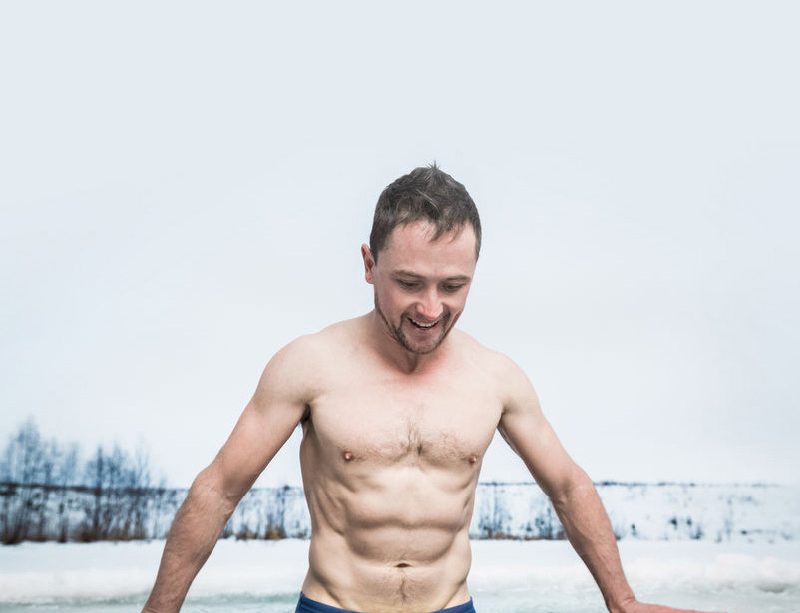
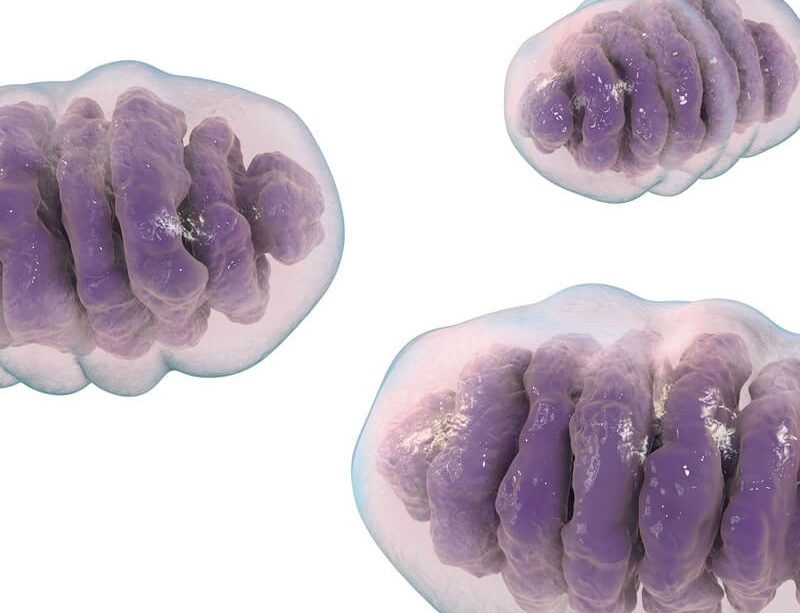
Regular hardening brings with it a number of positive changes, most of which have an epigenetic background: it improves the function of immune cells (especially T-lymphocytes), promotes the proliferation and function of mitochondria in the so-called “mitochondria”. It also increases mitochondrial gene activity in muscles, which may improve performance in endurance sports.
And there’s no need to jump into a hole in the ice right away. If you want to make one single change in your lifestyle that won’t cost you much time or effort, simply start each day with a few minutes under a cool shower.
Light hygiene
Blue light filtering glasses are a very popular aid for biohacking enthusiasts – they should improve sleep, protect the retina, relieve dryness and burning eyes and improve mental performance. In reality, however, there are no studies that have reliably confirmed these effects; on the contrary, the results of those that have been conducted have generally produced only very weak evidence.
Not that the quality of the light hitting our eyes is not important, quite the opposite. In fact, light is also an important epigenetic factor because it influences the activity of genes that regulate circadian rhythms. Disrupting them can have serious consequences for our health. But the problem is that we also need that demonized blue component of light to function properly.
Avoiding blue light certainly makes sense in the last hours before bedtime, as this is the colour that most inhibits the production of melatonin – the hormone with a dampening function that allows us to fall asleep and recover sufficiently. During the day, on the other hand, melatonin production is undesirable precisely because of its dampening effect, as it prevents us from being fresh and efficient. A better option is therefore to use sufficiently bright light during the day, and especially in the morning and mid-morning hours, whose spectral composition is as close as possible to that of sunlight, including the blue component. It is only in the evening that exposure to blue light should be reduced.
Enough sleep
On the contrary, this recommendation of biohacking is confirmed by epigenetic research quite clearly. In fact, lack of sleep causes a number of negative epigenetic changes in our DNA that result not only in impaired mental performance but also in an increased risk of many diseases.
Tips for falling asleep easier can be found here “
Dietary supplements
On the one hand, it is true that dietary supplements are a huge business, but at the same time, the effectiveness of many of them has been repeatedly confirmed by a huge amount of research. Gradually, it is being shown that a large proportion of commonly used medicinal herbs have positive epigenetic effects, and the same is true of substances that are commonly found in food and are contained in concentrated form in dietary supplements. For example, polyphenols contained in many plant foods, carotenoids, but also many vitamins and minerals have extensive epigenetic effects.
However, choosing the right dietary supplements is not easy. Not all are suitable for everyone, and if a person is taking certain medications, some supplements may even be dangerous for them.
A large overview of herbs and nutrients with epigenetic action, including contraindications and tips for suitable combinations, can be found in the Nutrition section “
Meditation and yoga
Regular meditation or the practice of yoga or other similar energy systems has a proven positive effect on epigenetic processes. One of the beneficial effects of these activities is a significant reduction in the level of stress, which from an epigenetic point of view is clearly a negative factor. Not only does it reduce overall well-being, but it also increases the risk of a number of serious diseases. However, meditation and yoga have also been shown to affect the rate of epigenetic changes associated with ageing and to help reduce blood pressure and inflammatory processes in the body. Read more here “
0:00
/
0:00
Stárnutí je volba
Klíčová slova: ageing, Biohacking, blue light, dietary supplements, epigenetic mechanisms, hardening, intermittent fasting, light, meditation, mental performance, sleep, stress, yoga
Komentáře
Seznam zdrojů
- https://en.wikipedia.org/wiki/Do-it-yourself_biology
- Harsha Gangadharbatla. Biohacking: An exploratory study to understand the factors influencing the adoption of embedded technologies within the human body. Heliyon. Volume 6, Issue 5, May 2020, e03931. https://www.sciencedirect.com/science/article/pii/S2405844020307763#!
-
Norton. The Beginners’ Guide to Biohacking. iNews,November 19(2016)
- Retrieved online December 13, 201. https://inews.co.uk/essentials/lifestyle/wellbeing/beginners-guide-biohacking/
- Jorge Alejandro Alegría-Torres, Andrea Baccarelli, and Valentina Bollati. Epigenetics and lifestyle. Epigenomics. 2011 Jun; 3(3): 267–277.
- https://www.lunduniversity.lu.se/article/how-lifestyle-affects-our-genes-review
- https://cs.wikipedia.org/wiki/Metoda_CRISPR
- Nazanin Asghari Hanjani and Mohammadreza Vafa. Protein Restriction, Epigenetic Diet, Intermittent Fasting as New Approaches for Preventing Age-associated Diseases. nt J Prev Med . 2018; 9: 58.
- Vasconcelos AR, Yshii LM, Viel TA, Buck HS, Mattson MP, Scavone C, et al. Intermittent fasting attenuates lipopolysaccharide-induced neuroinflammation and memory impairment. J Neuroinflammation. 2014;11:85.
- Zarrinpar A, Chaix A, Yooseph S, Panda S. Diet and feeding pattern affect the diurnal dynamics of the gut microbiome. Cell Metab. 2014;20:1006–17.
- Guarente L., Franklin H. Epstein Lecture: Sirtuins, aging, and medicine. N. Engl. J. Med. 364, 2235–2244 (2011).
- Patterson RE, Laughlin GA, LaCroix AZ, Hartman SJ, Natarajan L, Senger CM, et al. Intermittent fasting and human metabolic health. J Acad Nutr Diet. 2015;115:1203–12.
- Xiang-Ke Chen, Zhen-Ni Yi,Gordon Tin-Chun Wong, Kazi Md. Mahmudul Hasan, Joseph Shiu-Kwong Kwan, Alvin Chun-Hang Ma, Raymond Chuen-Chung Chang. Is exercise a senolytic medicine? A systematic review. Aging Cell. 30 December 2020. https://onlinelibrary.wiley.com/doi/full/10.1111/acel.13294
- Ntanasis-Stathopoulos J, Tzanninis JG, Philippou A, Koutsilieris M (June 2013). “Epigenetic regulation on gene expression induced by physical exercise”. Journal of Musculoskeletal & Neuronal Interactions. 13 (2): 133–46.
- Sang-Min Jeon. Regulation and function of AMPK in physiology and diseases. Exp Mol Med. 2016 Jul; 48(7): e245. https://www.ncbi.nlm.nih.gov/pmc/articles/PMC4973318/
- Raed Mualem, Gerry Leisman, Yusra Zbedat, Sherif Ganem, Ola Mualem, Monjed Amaria, Aiman Kozle, Safa Khayat-Moughrabi, and Alon Ornai. The Effect of Movement on Cognitive Performance. Front Public Health. 2018; 6: 100.
- Alex Swanson M.S. Surprising Ways Cold Showers May Improve Your Genes. Nutrition Genome. Mar 31, 2017. https://nutritiongenome.com/how-cold-water-can-positively-influence-your-genes/
- John G Lawrenson, Christopher C Hull, Laura E Downie. The effect of blue-light blocking spectacle lenses on visual performance, macular health and the sleep-wake cycle: a systematic review of the literature. Ophthalmic Physiol Opt. 2017 Nov;37(6):644-654.
- Tsz Wing Leung,Roger Wing-hong Li, and Chea-su Kee. Blue-Light Filtering Spectacle Lenses: Optical and Clinical Performances. PLoS One. 2017; 12(1): e0169114.
- Ignacio Pacheco-Bernal, Fernando Becerril-Pérez & Lorena Aguilar-Arnal. Circadian rhythms in the three-dimensional genome: implications of chromatin interactions for cyclic transcription. Clinical Epigenetics volume 11, Article number: 79 (2019)
- Kyriacou CP, Hastings MH. Circadian clocks: genes, sleep, and cognition. Trends Cogn Sci. 2010;14(6):259–67.
- Kelly RM, Healy U, Sreenan S, McDermott JH, Coogan AN. Clocks in the clinic: circadian rhythms in health and disease. Postgrad Med J. 2018;94(1117):653–8.
- Kaliman, P., Álvarez-López, M.J., Cosín-Tomás, M., Rosenkranz, M.A., Lutz, A., Davidson, R.J. (2014). Rapid changes in histone deacetylases and inflammatory gene expression in expert meditators. Psychoneuroendocrinology, 40: 96-107.
- Epel, E., Daubenmier, J., Moskowitz, J.T., Folkman, S., Blackburn, E. Can meditation slow rate of cellular aging? Cognitive stress, mindfulness, and telomeres. Ann N Y Acad Sci, 1172: 34-53.
- Innes K. E., Selfe T. K. The effects of a gentle yoga program on sleep, mood, and blood pressure in older women with restless legs syndrome (RLS): a preliminary randomized controlled trial. Evidence-Based Complementary and Alternative Medicine. 2012;2012:14.
- Innes K. E., Selfe T. K. The effects of a gentle yoga program on sleep, mood, and blood pressure in older women with restless legs syndrome (RLS): a preliminary randomized controlled trial. Evidence-Based Complementary and Alternative Medicine. 2012;2012:14.
- Kinser P. A., Goehler L. E., Taylor A. G. How might yoga help depression? A neurobiological perspective. Explore: The Journal of Science and Healing. 2012;8(2):118–126.
- Woodyard C. Exploring the therapeutic effects of yoga and its ability to increase quality of life. International Journal of Yoga. 2011;4(2):49–54.