How to slow down skin aging? The key is proper nutrition
epivyziva.cz/
Zobrazeno: 917
Beauty comes from within – there is more truth to this saying than we usually think. It’s not so much the amount of money invested in cosmetic products that determines how quickly wrinkles appear on our faces, but rather the nutrition we give to all the cells in our bodies.
It is true that trying to slow down the formation of wrinkles and the loss of skin elasticity through nourishment is worthwhile and certainly not superficial. Ageing skin is closely linked to the ageing of the whole body, so improving nutrition and the supply of essential nutrients will also improve overall health, as well as physical and mental fitness. So which nutrients should we include in our diet?
Vitamin C
This seemingly ordinary vitamin is quite essential for the functioning of the human body. L-ascorbic acid or vitamin C combines antioxidant and epigenetic effects, is essential for immunity, for the absorption of iron and selenium, plays a role in cholesterol synthesis…
In terms of its effects on the skin, its ability to stabilize the spatial structure of collagen, a protein that is responsible for skin elasticity and firmness, is essential. When vitamin C is deficient, collagen synthesis decreases, which results in increased wrinkle formation and a poorer ability of the skin to resist gravity. Wound healing is also slowed down, skin’s protection against UV rays is impaired, and an interesting manifestation of C deficiency is increased frizziness of the hair. Because of the protection of collagen, vitamin C is also essential for joint health.
Vitamin C is also often used as a component of cosmetic products, but here it is necessary to carefully monitor their composition. Very often esters and other derivatives of L-ascorbic acid are used, which are more stable and penetrate the skin more easily, but are not as effective as the active form of vitamin C (i.e. pure L-ascorbic acid).
Vitamin E
This vitamin, which is mainly found in vegetable oils, is actually a complex of eight substances called tocopherols. It too is a powerful antioxidant with epigenetic effects and acts synergistically with vitamin C.
Vitamin E stabilizes the spatial structure of collagen, prevents its crosslinking and the oxidation of unsaturated fatty acids that are part of cell membranes (e.g. arachidonic acid). It is also very effective both when used internally and as part of cosmetic products (here too it works well in conjunction with vitamin C).
Carotenoids
The best known carotenoid is beta-carotene, which is found mainly in orange vegetables. It is a powerful antioxidant that very effectively protects the skin from UV rays. To achieve these effects, however, it must be taken in the form of dietary supplements for a minimum of seven weeks.
A lesser-known but still very interesting carotenoid is astaxanthin, a dye found in seaweed and fish and seafood with orange flesh (salmon, shrimp, lobster, etc.). It is an extremely potent antioxidant with strong epigenetic effects, which has anti-cancer properties and an extraordinary ability to improve immunity. In addition, it also effectively protects the skin from UV radiation. Among other things, it is able to reduce the formation of wrinkles and skin sagging caused by UVA radiation.
Another carotenoid known for its anti-cancer activity, lycopene, also contributes to the protection of skin cells from the action of harmful free radicals. Tomatoes are its richest source.
Vitamin D3
Vitamin D3 (the animal form of vitamin D) has significant epigenetic effects and is essential for human health. It is essential for calcium absorption and therefore bone health, has anti-cancer effects, is necessary for the functioning of immunity and its deficiency is typical for cardiovascular diseases, autoimmune diseases, diabetes and other serious health problems. Sufficient intake is also important for skin health – it protects against UV rays, suppresses ageing processes and reduces the risk of skin cancer.
Although vitamin D is produced in the skin by the action of sunlight, the efficiency of its production decreases significantly with age, and therefore it is necessary to ensure sufficient intake of vitamin D from food (it is mainly found in animal fats) or supplementation in the form of dietary supplements.
Flavonoids
A very interesting substance from the flavonoid group is florizin, which is found in the bark of some fruit trees (especially apple, pear and cherry). It has been used pharmaceutically for decades, but recently its extraordinary effects against cellular ageing have also been confirmed.
Other substances from the group of flavonoids – genistein from soy, apigenin, which is contained in celery and parsley, and sylimarin from milk thistle – also have an anti-ageing effect.
Antioxidants affecting the mTORC1 system
The mTORC1 system plays an important role in the aging of the skin, and indeed of the whole organism, including enzymes that regulate lipid and protein production, cell proliferation and growth, and the process of autophagy (a state in which the cell, simply put, eats itself. If the activity of the mTORC1 system is reduced, cell ageing is slowed down.
This system can be very effectively suppressed by limiting the total caloric intake, but some plant substances are also effective in this regard.
Resveratrol, a dye found mainly in red wine, is very effective. Resveratrol protects the heart and blood vessels, has anti-cancer effects, and is even effective in preventing Alzeheimer’s disease. It promotes the production of sirtuins, which are proteins that slow down ageing, inhibits the mTORC1 system, suppresses processes leading to cell death, promotes skin cell proliferation and suppresses the production of collagenase, an enzyme that causes collagen degradation.
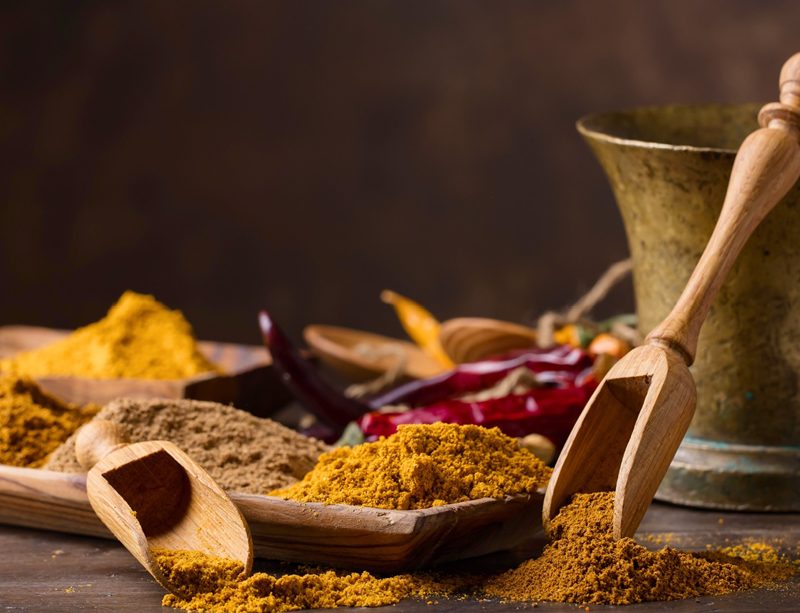
Another substance affecting the mTORC1 system is curcumin, a dye from turmeric root. It too combines very strong antioxidant and epigenetic effects. It is a very powerful anti-inflammatory substance with anti-cancer effects, which also has an anti-aging effect on the whole body, including the skin.
A natural substance with a very strong anti-aging effect are also polyphenols from green tea, especially epigallocatechin gallate (EGCG). It also acts on the whole body and is particularly effective in slowing down skin aging. It improves its elasticity and protects it from UV radiation – not only does it slow down the ageing processes that UV radiation promotes, but it also prevents skin cancer.
Coenzyme Q10
It is a substance similar to vitamins, but it is produced inside our body. It is fat-soluble, and stores of it are also stored in adipose tissue. It is a powerful antioxidant that is also essential for the process of cellular respiration and energy production – processes whose efficiency declines with age.
Coenzyme Q10 is a popular ingredient in anti-aging skin creams (it is particularly effective in conjunction with vitamin E and selenium), but its effectiveness in this regard increases significantly when taken as a dietary supplement. However, this substance can also be effectively supplemented from a balanced diet, but it is mainly found in foods of animal origin – most notably fatty fish and offal.
Probiotics and prebiotics
The gut microbiome plays an important role in many processes of the human body and its imbalance is closely related to a wide range of diseases. Its influence on skin ageing has not yet been sufficiently studied, but supplementation with probiotics and prebiotics improves skin protection against UV radiation, strengthens the skin’s immune system and also reduces the incidence and intensity of skin allergies.
Essential fatty acids
Arachidonic acid, which is part of cell membranes, is essential for the proper functioning of the skin. It is synthesized in the body from linoleic and linolenic acids, which are essential nutrients (i.e. the body cannot produce them, they must be taken in through food). It can be found in many plant and animal fats, such as avocado, flaxseed and hemp oil, many types of seeds, fish and seafood. Their insufficient intake increases the likelihood of skin ageing, among other things.
All omega-3 unsaturated fatty acids are also essential, as they significantly reduce the rate of inflammatory processes, including those caused by UV exposure.
Calorie restriction
A number of studies in animals have shown that when total calorie intake is restricted (while maintaining intake of all essential nutrients, of course), the result is a significant extension of life. Skin samples from rats with restricted calorie intake also showed significantly improved production of collagen and other substances that increase skin elasticity, and a denser network of blood capillaries in their skin to provide nutrition. However, studies on human volunteers have not yet been conducted.
It should be noted, however, that although nutrition is essential in the fight against skin and body ageing, other lifestyle factors with negative epigenetic effects, which in turn promote skin ageing, may undermine the efforts made. Smoking is the worst in this regard, followed by lack of sleep, environmental toxins and stress.
0:00
/
0:00
Stárnutí je volba
Klíčová slova: ageing, beauty, egcg, epigenetics, Genistein, menopause, resveratrol, skin, skin, wrinkles
Komentáře
Seznam zdrojů
- Silke K. Schagen, Vasiliki A. Zampeli, Evgenia Makrantonaki, and Christos C. Zouboulis. Discovering the link between nutrition and skin aging. Dermatoendocrinol. 2012 Jul 1; 4(3): 298–307.
- Draelos ZD. Nutrition and enhancing youthful-appearing skin. Clin Dermatol. 2010;28:400–8.
- Ryan AS, Goldsmith LA. Nutrition and the skin. Clin Dermatol. 1996;14:389–406.
- Boyera N, Galey I, Bernard BA. Effect of vitamin C and its derivatives on collagen synthesis and cross-linking by normal human fibroblasts. Int J Cosmet Sci. 1998;20:151–8.
- Placzek M, Gaube S, Kerkmann U, Gilbertz KP, Herzinger T, Haen E, et al. Ultraviolet B-induced DNA damage in human epidermis is modified by the antioxidants ascorbic acid and D-alpha-tocopherol. J Invest Dermatol. 2005;124:304–7.
- Pinnell SR. Cutaneous photodamage, oxidative stress, and topical antioxidant protection. J Am Acad Dermatol. 2003;48:1–19, quiz 20-2.
- Gašperlin M, Gosenca M. Main approaches for delivering antioxidant vitamins through the skin to prevent skin ageing. Expert Opin Drug Deliv. 2011;8:905–19.
- Kockaert M, Neumann M. Systemic and topical drugs for aging skin. J Drugs Dermatol. 2003;2:435–41
- Fryer MJ. Evidence for the photoprotective effects of vitamin E. Photochem Photobiol. 1993;58:304–12.
- Chan AC, Tran K, Raynor T, Ganz PR, Chow CK. Regeneration of vitamin E in human platelets. J Biol Chem. 1991;266:17290–5.
- Passi S, Morrone A, De Luca C, Picardo M, Ippolito F. Blood levels of vitamin E, polyunsaturated fatty acids of phospholipids, lipoperoxides and glutathione peroxidase in patients affected with seborrheic dermatitis. J Dermatol Sci. 1991;2:171–8.
- Köpcke W, Krutmann J. Protection from sunburn with beta-Carotene–a meta-analysis. Photochem Photobiol. 2008;84:284–8.
- Sies H, Stahl W. Nutritional protection against skin damage from sunlight. Annu Rev Nutr. 2004;24:173–200.
- Stahl W, Heinrich U, Jungmann H, Sies H, Tronnier H. Carotenoids and carotenoids plus vitamin E protect against ultraviolet light-induced erythema in humans. Am J Clin Nutr. 2000;71:795–8.
- Hussein G, Goto H, Oda S, Sankawa U, Matsumoto K, Watanabe H. Antihypertensive potential and mechanism of action of astaxanthin: III. Antioxidant and histopathological effects in spontaneously hypertensive rats. Biol Pharm Bull. 2006;29:684–8.
- Camera E, Mastrofrancesco A, Fabbri C, Daubrawa F, Picardo M, Sies H, et al. Astaxanthin, canthaxanthin and beta-carotene differently affect UVA-induced oxidative damage and expression of oxidative stress-responsive enzymes. Exp Dermatol. 2009;18:222–31.
- Suganuma K, Nakajima H, Ohtsuki M, Imokawa G. Astaxanthin attenuates the UVA-induced up-regulation of matrix-metalloproteinase-1 and skin fibroblast elastase in human dermal fibroblasts. J Dermatol Sci. 2010;58:136–42.
- Ribaya-Mercado JD, Garmyn M, Gilchrest BA, Russell RM. Skin lycopene is destroyed preferentially over beta-carotene during ultraviolet irradiation in humans. J Nutr. 1995;125:1854–9.
- Chang AL, Fu T, Amir O, Tang JY. Association of facial skin aging and vitamin D levels in middle-aged white women. Cancer Causes Control. 2010;21:2315–6.
- Glossmann H, Vitamin D. Vitamin D, UV, and skin cancer in the elderly: to expose or not to expose? Gerontology. 2011;57:350–3.
- Lehmann B. Role of the vitamin D3 pathway in healthy and diseased skin–facts, contradictions and hypotheses. Exp Dermatol. 2009;18:97–108.
- Xiang L, Sun K, Lu J, Weng Y, Taoka A, Sakagami Y, et al. Anti-aging effects of phloridzin, an apple polyphenol, on yeast via the SOD and Sir2 genes. Biosci Biotechnol Biochem. 2011;75:854–8.
- Katiyar SK. Treatment of silymarin, a plant flavonoid, prevents ultraviolet light-induced immune suppression and oxidative stress in mouse skin. Int J Oncol. 2002;21:1213–22.
- Sim GS, Lee BC, Cho HS, Lee JW, Kim JH, Lee DH, et al. Structure activity relationship of antioxidative property of flavonoids and inhibitory effect on matrix metalloproteinase activity in UVA-irradiated human dermal fibroblast. Arch Pharm Res. 2007;30:290–8.
- Moore JO, Wang Y, Stebbins WG, Gao D, Zhou X, Phelps R, et al. Photoprotective effect of isoflavone genistein on ultraviolet B-induced pyrimidine dimer formation and PCNA expression in human reconstituted skin and its implications in dermatology and prevention of cutaneous carcinogenesis. Carcinogenesis. 2006;27:1627–35.
- Melnik B. Dietary intervention in acne: Attenuation of increased mTORC1 signaling promoted by Western diet. Dermatoendocrinol. 2012;4:20–32.
- Harrison DE, Strong R, Sharp ZD, Nelson JF, Astle CM, Flurkey K, et al. Rapamycin fed late in life extends lifespan in genetically heterogeneous mice. Nature. 2009;460:392–5.
- Baxter RA. Anti-aging properties of resveratrol: review and report of a potent new antioxidant skin care formulation. J Cosmet Dermatol. 2008;7:2–7.
- Bastianetto S, Dumont Y, Duranton A, Vercauteren F, Breton L, Quirion R. Protective action of resveratrol in human skin: possible involvement of specific receptor binding sites. PLoS One. 2010;5:e12935.
- Müller C, Ullmann K, Steinberg P. The grapevine-shoot extract Vineatrol30 inhibits the chemically induced malignant transformation of BALB/c-3T3 cells. J Med Food. 2011;14:34–9.
- Steinberg P. Special: Resveratrol-Oligomere – Eine neue Klasse von krebspräventiven Naturstoffen? Ernährungs Umschau 2011:366.
- Heng MC. Curcumin targeted signaling pathways: basis for anti-photoaging and anti-carcinogenic therapy. Int J Dermatol. 2010;49:608–22.
- Lima CF, Pereira-Wilson C, Rattan SI. Curcumin induces heme oxygenase-1 in normal human skin fibroblasts through redox signaling: relevance for anti-aging intervention. Mol Nutr Food Res. 2011;55:430–42.
- Chiu AE, Chan JL, Kern DG, Kohler S, Rehmus WE, Kimball AB. Double-blinded, placebo-controlled trial of green tea extracts in the clinical and histologic appearance of photoaging skin. Dermatol Surg. 2005;31:855–60, discussion 860.
- Katiyar SK, Elmets CA. Green tea polyphenolic antioxidants and skin photoprotection (Review) Int J Oncol. 2001;18:1307–13.
- Sartor L, Pezzato E, Garbisa S. (-)Epigallocatechin-3-gallate inhibits leukocyte elastase: potential of the phyto-factor in hindering inflammation, emphysema, and invasion. J Leukoc Biol. 2002;71:73–9.
- Kwong LK, Kamzalov S, Rebrin I, Bayne AC, Jana CK, Morris P, et al. Effects of coenzyme Q(10) administration on its tissue concentrations, mitochondrial oxidant generation, and oxidative stress in the rat. Free Radic Biol Med. 2002;33:627–38.
- Passi SDO, De Pità O, Grandinetti M, Simotti C, Littarru GP. The combined use of oral and topical lipophilic antioxidants increases their levels both in sebum and stratum corneum. Biofactors. 2003;18:289–97.
- Guéniche A, Philippe D, Bastien P, Blum S, Buyukpamukcu E, Castiel-Higounenc I. Probiotics for photoprotection. Dermatoendocrinol. 2009;1:275–9.
- Schouten B, Van Esch BC, Kormelink TG, Moro GE, Arslanoglu S, Boehm G, et al. Non-digestible oligosaccharides reduce immunoglobulin free light-chain concentrations in infants at risk for allergy. Pediatr Allergy Immunol. 2011;22:537–42.
- Bhattacharyya TK, Merz M, Thomas JR. Modulation of cutaneous aging with calorie restriction in Fischer 344 rats: a histological study. Arch Facial Plast Surg. 2005;7:12–6.