A mystery called autism: is epigenetics to blame? Or bacteria?
epivyziva.cz/
Zobrazeno: 2,013

Twenty-five years ago, autism was known only through the movie Rainman, but today it is a relatively common diagnosis that affects the lives of many families. Although we still do not know the exact cause of autism, there has been an increasing amount of research recently that has shed light on some of the mechanisms behind its onset. And with this, the hope is growing that it may eventually be possible to treat it, or at least to alleviate its symptoms.
Autism (or more accurately, autism spectrum disorders, as there are many described) is a developmental mental disorder that manifests itself primarily in impaired social interaction, repetitive behaviour patterns and communication problems. A large proportion of autistic people find it difficult to regulate their behaviour, tend to be reclusive, and in some forms of autism (e.g. Asperger’s syndrome) often create entire imaginary worlds.
Autism is often associated with mental retardation – it used to be reported that up to 75% of cases, but today this estimate is significantly lower, as more and more people are diagnosed with Asperger’s syndrome, whose carriers have normal or even very high intelligence. In the past, these people were often simply labelled as ‘weird’ and only in recent years have they been diagnosed with autism.
Autism usually becomes fully apparent around the child’s third year, but some symptoms can be observed in the first few months of life – these children usually communicate less, do not seek eye contact and prefer things to faces. Boys are more likely to suffer from autism, but if girls are affected, their disability is more severe.
Genetic influences certainly play a role in the development of autism. Identical twins are more than 60% likely to be affected (some studies report up to 90%). However, there is still no evidence that the problem is linked to any particular genetic variation. Therefore, experts are more inclined to believe that it is a combination of certain genetic predispositions with other influences. The high concordance of disabilities in identical twins may then be due to, for example, influences acting during pregnancy.
So what factors, according to recent research, can lead to autism spectrum disorders?
Epigenetics in the lead role
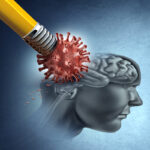
In recent years, with the development of a scientific field called epigenetics, there has been a growing body of research looking for the cause of autism in biochemical reactions that affect the activity of genes in DNA. The brains of autistic people show certain differences from those of healthy people, such as smaller neuron sizes and different densities in different areas. These differences are probably due to defects in neurogenesis (nerve cell formation) and apoptosis (cell death), processes that are largely influenced by epigenetic processes.
A number of differences in epigenetic patterns have already been confirmed. For example, in one autism spectrum disorder, differences in methylation have been found at 55 sites in the genome, and differences in histone acetylation (especially in the histone H3 region) andconcentrations of some microRNAs, which are short chains of ribonucleic acids that carry no genetic information but can completely block the “reading” of many genes in DNA. They even found differences in the levels of microRNAs in the blood, which is very important information. This means that in the future, autism could be diagnosed at an early age just by detecting microRNAs.
Interestingly, some theories link the onset of autism to environmental toxins (such as mercury). In addition to acute poisoning, heavy metals cause a number of negative epigenetic changes.
Essential vitamin D
This vitamin has long been mentioned mainly in connection with bone development and the prevention of osteoporosis, but more and more research is confirming that its importance in the body is much more fundamental, also due to its epigenetic action. Its deficiency is involved in the development of a number of serious diseases. And since vitamin D is also essential for proper brain development, it is not surprising that it may be linked to the development of autism spectrum disorders.
The importance of this nutrient during pregnancy is probably quite crucial. An analysis of the blood of more than three thousand Swedish newborns, for example, showed that those who are vitamin D deficient have a 33% higher risk of suffering from autism. And a Dutch study of more than 4 000 children found that if a woman is vitamin D deficient, her child’s risk of autism more than doubles.
Research has also shown that vitamin D supplementation can reduce the severity of autism symptoms in children.
Are mitochondria to blame for autism?
A number of studies have turned attention to the association of autism with mitochondrial function. Mitochondria are small cellular organelles whose main function is to convert nutrients into energy through oxidation. In children with autism spectrum disorders in particular, dysfunction in the mitochondria has often been observed, particularly in the area of impaired redox metabolism within these organelles. Some studies have reported the occurrence of these disorders in up to 80% of autistic children, but in others the results are significantly lower.
In addition, autism is usually associated with various abnormalities, such as increased oxidative stress, glutathione deficiency or excess TNF-alpha, which can also negatively affect mitochondrial function.
In addition, as in the case of epigenetic reactions, there is also a possible link to the effects of certain environmental toxins. For example, the function of mitochondria can be severely impaired by heavy metals, polychlorinated biphenyls or pesticides, which are also frequently mentioned as possible links to autism.
The underestimated gut microbiome
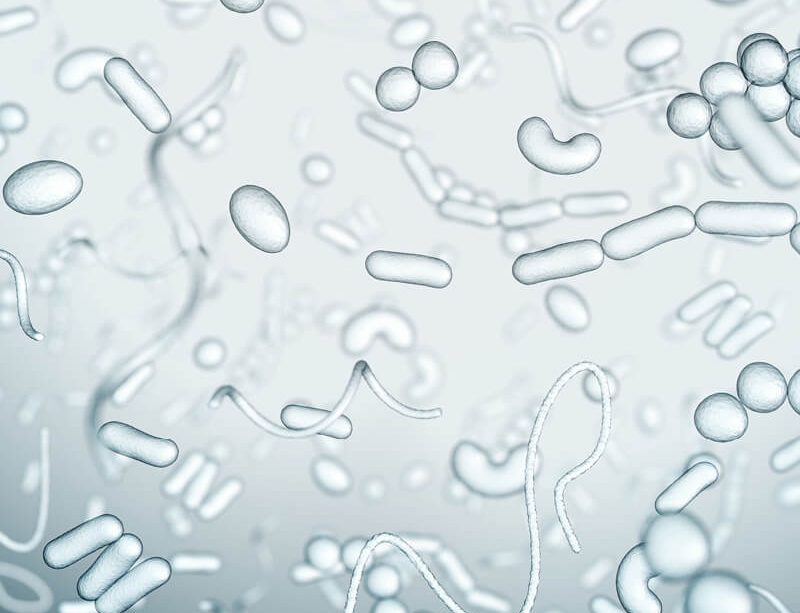
Many scientists are also turning their attention to the gut microbiome. This term refers to the huge population of microorganisms that inhabit our gut, including bacteria, viruses, yeasts and more – together more than our body’s own cells. In recent years, an increasing number of diseases and disorders have been confirmed to be linked to disruption of the gut microbiome, and autism may be one of them. (Read more about the microbiome here: https://www.epivyziva.cz/tajemny-svet-uvnitr-nasich-strev-bakterie-ovlivnuji-nase-zdravi-i-genetickou-informaci/)
Disruption of the balance of the gut microbiome occurs for a number of reasons. These may be influences during pregnancy and childbirth (the child’s intestines are populated by the mother’s microbiome during pregnancy and childbirth), the influence of nutrition (especially in the absence of breastfeeding), frequent use of antibiotics or excessive hygiene in the first years of life, when the child’s contact with microorganisms promotes the proper development of the microbiome.
Interestingly, some bacteria that are part of the gut microbiome produce substances that subsequently affect mitochondrial function. These are mainly short-chain fatty acids, namely butyrate and propionate.
Propionate in particular can play a big role here. One of the frequently mentioned hypotheses is that when the organism is exposed to an increased concentration of this substance at certain times during development, it leads to deviations in brain development and behaviour that are typical of autism spectrum disorders. This would be suggested by the fact that increased amounts of propionate have been found in the stool of autistic people.
Propionate is produced in the intestines by certain species of bacteria, especially bacteria of the genera Clostridia and Desulfovibrio, which produce it from carbohydrates and amino acids, especially those found in wheat. In this context, it is interesting that some nutritional guidelines recommend a gluten-free (or even dairy-free) diet for children with autism. However, the effectiveness of these measures has not yet been sufficiently scientifically proven.
Is autism infectious?
Increased levels of Clostridia and Desulfovibrio bacteria have been repeatedly confirmed in the gut of people with autism, leading to the suggestion that this disorder may also have an infectious cause. Both types of bacteria have a high level of resistance to antibiotics.
And speaking of antibiotics, some hypotheses link the increased risk of autism to the overuse of antibiotics, which disrupt the balance of the gut microbiota.
Can autism be cured?
Unfortunately, despite all the above information, we still cannot say that we can cure autism. What is hopeful, however, is that virtually all of the above factors can be at least partially reversed. So, it is certainly worthwhile in the case of autistic children (and also in the case of women who are pregnant or about to become pregnant) to control the factors that influence the course of epigenetic reactions in the body and the state of the gut microbiome – to focus on improving the diet, especially in terms of reducing the intake of carbohydrates, saturated fats and food additives and seeking a healthy environment. If possible, it is certainly worthwhile to prefer breastfeeding to artificial nutrition, not overdoing it with hygiene and avoiding overuse of antibiotics.
As for natural substances used as dietary supplements, their effectiveness has not yet been reliably confirmed. Here are some that look promising from the point of view of the studies carried out so far.
Butyrate
It is a substance produced by certain types of gut bacteria that has epigenetic effects and significantly affects mitochondrial function, including that of brain cells. Its administration has been shown to be effective in a number of psychiatric diagnoses, such as depression, as well as in some types of dementia (including Alzheimer’s disease), and even in brain damage due to injury. Initial research on the subject (so far conducted only in animal models) then suggests that it could also be beneficial for people with autism.
Vitamin D3
As mentioned above, a deficiency of this vitamin is likely to play a large role in the development of autism and its administration may also alleviate symptoms. Therefore, supplementation is important not only for children under one year of age (all infants in the Czech Republic receive it on prescription), but also and especially for pregnant women and those who are about to become pregnant. The three in the name of the vitamin means that it is an animal form of vitamin D, which is better for the body to use compared to the plant form D2.
Chlorella
For example, some research describes the positive effects of long-term use of chlorella. This microscopic freshwater algae can effectively remove mercury from the body and also influence the metabolism of sulphur compounds, which is often disturbed in autistic people. Chlorella also protects the hormone glutathione from oxidation by free radicals and also has a protective effect on the intestinal mucosa. However, more research is needed to prove the effectiveness of chlorella in autism.
EGCG
Research on the use of green tea extract, which is a rich source of epigallocatechin gallate, also looks interesting. This substance, for example, was able to eliminate the autistic symptoms induced by valproate in experimental rats.
Omega-3
Although cases have been described where the administration of these unsaturated fatty acids has led to an improvement in autism symptoms, their effectiveness in this regard has not yet been reliably demonstrated. However, it is an absolutely crucial nutrient for brain development, so its use (not only) in autistic children is desirable. Sufficient intake is then quite crucial during pregnancy.
0:00
/
0:00
Stárnutí je volba
Klíčová slova: autism, Butyrate, chlorella, egcg, epigenetics, gut microbiome, Mitochondria, omega-3, Vitamin D3
Komentáře
Seznam zdrojů
- Frye RE, et al. Approaches to studying and manipulating the enteric microbiome to improve autism symptoms. Microb. Ecol. Health Dis. 2015;26:26878.
- Slattery J, MacFabe DF, Frye RE. The significance of the enteric microbiome on the development of childhood disease: a review of prebiotic and probiotic therapies in disorders of childhood. Clin. Med. Insights Pediatr. 2016;10:91–107.
- Frye RE, Rose S, Slattery J, MacFabe DF. Gastrointestinal dysfunction in autism spectrum disorder: the role of the mitochondria and the enteric microbiome. Microb. Ecol. Health Dis. 2015;26:27458.
- Frye RE, Melnyk S, Macfabe DF. Unique acyl-carnitine profiles are potential biomarkers for acquired mitochondrial disease in autism spectrum disorder. Transl. Psychiatry. 2013;3:e220.
- Frye RE, Rossignol DA. Identification and treatment of pathophysiological comorbidities of autism spectrum disorder to achieve optimal outcomes. Clin. Med. Insights Pediatr. 2016;10:43–56.
- Rossignol DA, Frye RE. A review of research trends in physiological abnormalities in autism spectrum disorders: immune dysregulation, inflammation, oxidative stress, mitochondrial dysfunction and environmental toxicant exposures. Mol. Psychiatry. 2012;17:389–401.
- Rossignol DA, Frye RE. Mitochondrial dysfunction in autism spectrum disorders: a systematic review and meta-analysis. Mol. Psychiatry. 2012;17:290–314.
- Frye RE. Biomarker of abnormal energy metabolism in children with autism spectrum disorder. North Am. J. Med. Sci. 2012;5:141–147.
- Parikh S, et al. Patient care standards for primary mitochondrial disease: a consensus statement from the Mitochondrial Medicine Society. Genet. Med. 2017;19:1–18.
- Williams BL, et al. Impaired carbohydrate digestion and transport and mucosal dysbiosis in the intestines of children with autism and gastrointestinal disturbances. PLoS. ONE. 2011;6:e24585.
- Finegold SM, et al. Gastrointestinal microflora studies in late-onset autism. Clin. Infect. Dis. 2002;35:S6–S16.
- Takuma K, et al. Chronic treatment with valproic acid or sodium butyrate attenuates novel object recognition deficits and hippocampal dendritic spine loss in a mouse model of autism. Pharmacol. Biochem. Behav. 2014;126:43–49.
- Kratsman N, Getselter D, Elliott E. Sodium butyrate attenuates social behavior deficits and modifies the transcription of inhibitory/excitatory genes in the frontal cortex of an autism model. Neuropharmacology. 2016;102:136–145.
- Sun J, et al. Antidepressant-like effects of sodium butyrate and its possible mechanisms of action in mice exposed to chronic unpredictable mild stress. Neurosci. Lett. 2016;618:159–166.
- Ferrante RJ, et al. Histone deacetylase inhibition by sodium butyrate chemotherapy ameliorates the neurodegenerative phenotype in Huntington’s disease mice. J. Neurosci. 2003;23:9418–9427.
- Govindarajan N, Agis-Balboa RC, Walter J, Sananbenesi F, Fischer A. Sodium butyrate improves memory function in an Alzheimer’s disease mouse model when administered at an advanced stage of disease progression. J. Alzheimer’s Dis. 2011;26:187–197.
- Sharma B, Singh N. Attenuation of vascular dementia by sodium butyrate in streptozotocin diabetic rats. Psychopharmacology. 2011;215:677–687.
- Li H, et al. Sodium butyrate exerts neuroprotective effects by restoring the blood-brain barrier in traumatic brain injury mice. Brain Res. 2016;1642:70–78.
- Wiśniowiecka-Kowalnik, B. & Nowakowska, B. A. Genetics and epigenetics of autism spectrum disorder—current evidence in the field. Journal of Applied Genetics (2019).
- Shannon Rose, Sirish C. Bennuri, Jakeira E. Davis, Rebecca Wynne, John C. Slattery, Marie Tippett, Leanna Delhey, Stephan Melnyk, Stephen G. Kahler, Derrick F. MacFabe, and Richard E. Frye. Butyrate enhances mitochondrial function during oxidative stress in cell lines from boys with autism. Transl Psychiatry. 2018; 8: 42.
- Derrick F. MacFabe, MD. Short-chain fatty acid fermentation products of the gut microbiome: implications in autism spectrum disorders. Microb Ecol Health Dis. 2012; 23: 10.3402/mehd.v23i0.19260.
- Cody H, Pelphrey K, Piven J. Structural and functional magnetic resonance imaging of autism. Int J Dev Neurosci. 2002;20:421–38.
- Bauman ML, Kemper TL. Neuroanatomic observations of the brain in autism: a review and future directions. Int J Dev Neurosci. 2005;23:183–7.
- Vali S, Mythri RB, Jagatha B, Padiadpu J, Ramanujan KS, Andersen JK, et al. Integrating glutathione metabolism and mitochondrial dysfunction with implications for Parkinson’s disease: a dynamic model. Neuroscience. 2007;149:917–30. [
- Samavati L, Lee I, Mathes I, Lottspeich F, Huttemann M. Tumor necrosis factor alpha inhibits oxidative phosphorylation through tyrosine phosphorylation at subunit I of cytochrome c oxidase. J Biol Chem. 2008;283:21134–44.
- Vempati UD, Diaz F, Barrientos A, Narisawa S, Mian AM, Millan JL, et al. Role of cytochrome C in apoptosis: increased sensitivity to tumor necrosis factor alpha is associated with respiratory defects but not with lack of cytochrome C release. Mol Cell Biol. 2007;27:1771–83.
- Suematsu N, Tsutsui H, Wen J, Kang D, Ikeuchi M, Ide T, et al. Oxidative stress mediates tumor necrosis factor-alpha-induced mitochondrial DNA damage and dysfunction in cardiac myocytes. Circulation. 2003;107:1418–23.
- Hiura TS, Li N, Kaplan R, Horwitz M, Seagrave JC, Nel AE. The role of a mitochondrial pathway in the induction of apoptosis by chemicals extracted from diesel exhaust particles. J Immunol. 2000;165:2703–11.
- Sherer TB, Richardson JR, Testa CM, Seo BB, Panov AV, Yagi T, et al. Mechanism of toxicity of pesticides acting at complex I: relevance to environmental etiologies of Parkinson’s disease. J Neurochem. 2007;100:1469–79.
- Astiz M, de Alaniz MJ, Marra CA. Effect of pesticides on cell survival in liver and brain rat tissues. Ecotoxicol Environ Saf. 2009;72:2025–32.
- MacFabe DF, Cain DP, Rodriguez-Capote K, Franklin AE, Hoffman JE, Boon F, et al. Neurobiological effects of intraventricular propionic acid in rats: possible role of short chain fatty acids on the pathogenesis and characteristics of autism spectrum disorders. Behav Brain Res. 2007;176:149–69.
- Human Microbiome Project Consortium. Structure, function and diversity of the healthy human microbiome. Nature.
- Atladottir HO, Thorsen P, Ostergaard L, Schendel DE, Lemcke S, Abdallah M, et al. Maternal infection requiring hospitalization during pregnancy and autism spectrum disorders. J Autism Dev Disord. 2010;40:1423–30.
- Atladottir HO, Thorsen P, Schendel DE, Ostergaard L, Lemcke S, Parner ET. Association of hospitalization for infection in childhood with diagnosis of autism spectrum disorders: a Danish cohort study. Arch Pediatr Adolesc Med. 2010;164:470–7.
- Finegold SM. Desulfovibrio species are potentially important in regressive autism. Med Hypotheses. 2011;77:270–4.
- Finegold SM, Dowd SE, Gontcharova V, Liu C, Henley KE, Wolcott RD, et al. Pyrosequencing study of fecal microflora of autistic and control children. Anaerobe. 2010;16:444–53.
- Haska L, Andersson R, Nyman M. The effect of dietary fiber from wheat processing streams on the formation of carboxylic acids and microbiota in the hindgut of rats. J Agric Food Chem. 2011;59:3406–13.
- Song Y, Liu C, Finegold SM. Real-time PCR quantitation of clostridia in feces of autistic children. Appl Environ Microbiol. 2004;70:6459–65.
- Finegold SM. State of the art; microbiology in health and disease. Intestinal bacterial flora in autism. Anaerobe. 2011;17:367–8.
- Guo R, Du Y, Zheng F, Wang J, Wang Z, Ji R, Chen J. Bioaccumulation and elimination of bisphenol a (BPA) in the alga Chlorella pyrenoidosa and the potential for trophic transfer to the rotifer Brachionus calyciflorus. Environ Pollut. 2017 Aug;227:460-467.
- AndrzejBajguz. Blockade of heavy metals accumulation in Chlorella vulgariscells by 24-epibrassinolide. Plant Physiology and Biochemistry. Volume 38, Issue 10, October 2000, Pages 797-801.
- José Joaquín Merino, José María Parmigiani-Izquierdo, Adolfo Toledano Gasca, and María Eugenia Cabaña-Muñoz. The Long-Term Algae Extract (Chlorella and Fucus sp) and Aminosulphurate Supplementation Modulate SOD-1 Activity and Decrease Heavy Metals (Hg++, Sn) Levels in Patients with Long-Term Dental Titanium Implants and Amalgam Fillings Restorations. Antioxidants (Basel). 2019 Apr; 8(4): 101.
- Kumaravel, Gabriel Melchias, Vasanth Nayagam, Thamilarasan Manivasagam.Dose-Dependent Amelioration Of Epigallocatechin-3-Gallate Against Sodium Valproate Induced Autistic Rats. March 2017. International Journal of Pharmacy and Pharmaceutical Sciences9(4):203
- Bedirli A, Kerem M, Ofluoglu E, Salman B, Katircioglu H, Bedirli N, Yilmazer D, Alper M, Pasaoglu H. Administration of Chlorella sp. microalgae reduces endotoxemia, intestinal oxidative stress and bacterial translocation in experimental biliary obstruction. Clin Nutr. 2009 Dec;28(6):674-8.
- Cannell JJ. Vitamin D and autism, what’s new? Rev Endocr Metab Disord. 2017 Jun;18(2):183-193.
- Lee BK, Eyles DW, Magnusson C, Newschaffer CJ, McGrath JJ, Kvaskoff D, Ko P, Dalman C, Karlsson H, Gardner RM. Developmental vitamin D and autism spectrum disorders: findings from the Stockholm Youth Cohort. Mol Psychiatry. 2019 Nov 6.
- Annio Posar and Paola Visconti. Omega-3 supplementation in autism spectrum disorders: A still open question? J Pediatr Neurosci. 2016 Jul-Sep; 11(3): 225–227.