
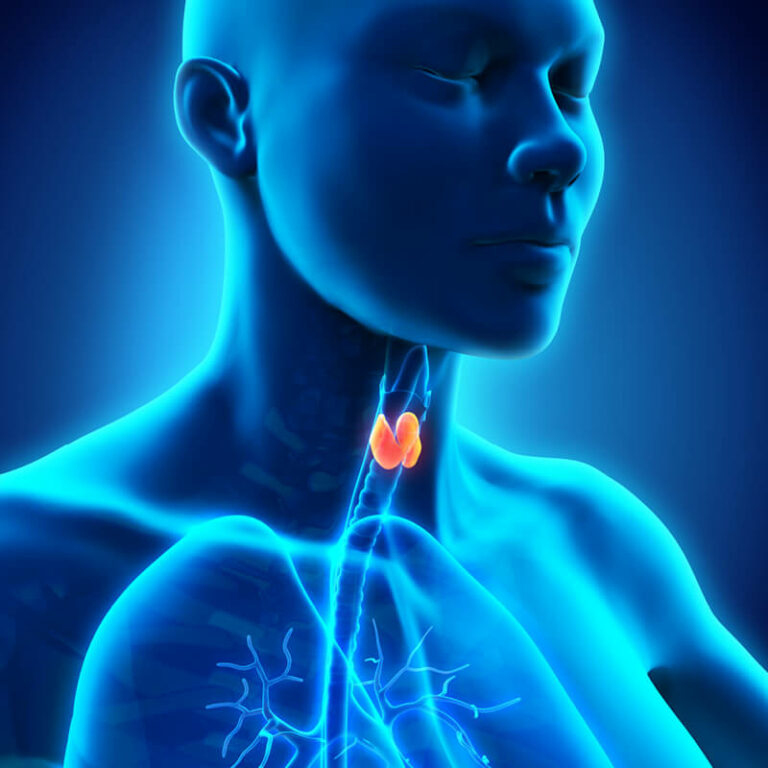
Fatigue, lack of energy, weight gain, depression or memory problems can all indicate impaired thyroid function. However, just taking iodine is not enough. In fact, it turns out that the balance inside our intestines has a significant impact on the function of this gland.
The thyroid gland is one of the most important hormonal glands in the body. It produces the hormones thyroxine (T4) and triiodothyronine (T3), which primarily affect tissue metabolism, but also, for example, oxygen consumption in tissues, heat production, differentiation of the nervous system, heart rate, blood formation, and even have a vasodilating effect (i.e. They dilate small blood vessels and thus regulate the blood supply to the tissues) and lower blood cholesterol levels. Their insufficient production is thus manifested, for example, by reduced energy production, increased fatigue, weight gain, but also by cognitive impairment, coldness and mood disorders.
The thyroid gland is greatly influenced by epigenetic processes here, but the gut microbiome also plays a very important role in the development of thyroid problems – disturbances in the balance within the gut are typical of both hypofunction and hyperfunction of the thyroid gland.
Research shows that the balance of the gut microbiome plays a pivotal role, especially in Hashimoto’s thyroiditis, an autoimmune disease that is the most common problem affecting the thyroid gland. In this disease, the body produces antibodies against two of its own proteins, thyroid peroxidase and thyroglobulin. The result is chronic inflammation, hypofunction of the thyroid gland and often the gradual destruction of this organ.
But in addition, it turns out that just as there is a direct connection between the gut and the brain, which we described in the first part of our series here, there is a similar connection between the gut and the thyroid.
The intestinal microbiome primarily influences the activity of the immune system, both its innate and adaptive part. There are several ways in which the microbiome influences immunity:
Butyrate and propionate also enhance intercellular communication, which is important for proper thyroid function. In addition, the activity of the enzyme iodothyronine deiodidase, an enzyme necessary for the conversion of the less active hormone T4 to the more active T3, has been noted in the intestines. Last but not least, the gut microbiome affects the production of dopamine, which reduces the activity of thyroid stimulating hormone (TSH).
The balance of the gut microbiome is also important for thyroid function for another reason: if it is disturbed, nutrient absorption is impaired, including minerals and trace elements that are essential for optimal thyroid function – i.e. iodine, selenium, zinc and iron.
It is also interesting to note that the immune responses and other processes related to the gut microbiome that affect thyroid function are very similar to those of people with celiac disease (i.e. gluten allergy) and non-celiac wheat hypersensitivity. The latter presents with similar symptoms to celiac disease, i.e. anaemia or increased fatigue and impaired mental function after ingestion of foods containing gluten or other wheat protein, but lacks the immunological findings typical of celiac disease.
In fact, the prevalence of autoimmune thyroid disease is much higher among celiacs than in the general population.
Diet is fundamental to the care of the gut microbiome and the changes it initiates are very rapid. For example, when scientists put mice that were used to a high-fibre, plant-based diet on a typical ‘Western diet’, a diet high in sugars and saturated fats, they experienced a change in the composition of their gut microbiome after just one day! In a study on human volunteers, it took only five days for the changes to occur.
The basis of a diet that supports the balance of the gut microbiome and thyroid function is therefore primarily to increase the intake of soluble and insoluble fibre and reduce the consumption of simple carbohydrates, saturated fats and red meat.
Iodine is a component of thyroid hormones, so sufficient intake is essential. Its richest sources are marine fish and algae. Interestingly, however, if iodine is taken in excessively high doses, it disrupts the balance of the gut microbiome because it binds to amino acids in the cell membranes of gut bacteria. Perhaps this is why it is no coincidence that after ingesting a high dose of iodine, there is a reduction in thyroid hormone production for 24 hours.
There are also interesting connections in the case of this trace element. Iron is essential for thyroid function and the production of thyroid hormones – in fact, about 60% of people with reduced thyroid function are deficient in iron. However, the administration of iron supplements can be counterproductive in many cases. If the user has a disrupted gut microbiome, the iron is poorly absorbed in their digestive tract. There is then an excess of iron in the gut, which leads to undesirable changes in the gut microbiome, for example an overgrowth of E. coli bacteria. This then results in an increase in inflammatory processes.
The condition of the “friendly” bacteria is negatively affected by an excess of heme iron, which is mainly found in meat. Excessive consumption of red meat is one of the factors that worsen the balance of the gut microbiome.
A deficiency of this trace element affects the thyroid gland on several levels: it reduces the production of hormones that stimulate the function of this organ (TRH and TSH), it is part of the enzyme necessary for the conversion of T4 to T3, it is necessary for the binding of T3 hormone to receptors on the cell nucleus, and it is also part of the antioxidant enzyme SOD (superoxide dismutase), which protects thyroid cells from free radicals. Therefore, low zinc levels are particularly typical for people with thyroid hypofunction.
Taking zinc in the form of a dietary supplement is therefore beneficial, but at the same time it should be borne in mind that low levels of this element are often caused by poor gut microbiome function. Therefore, it is important to support its function at the same time and to choose preparations with high absorption.
Another element that is essential for thyroid function. Its deficiency results in a decrease in its function and hormone production, and it is also part of the antioxidant enzymes that protect thyroid cells. In fact, the thyroid gland contains the highest concentration of selenium in the body, and if we are deficient in it, it is able to retain it, thus impairing its availability in the rest of the body. In addition, selenium has a positive effect on the gut microbiome.
Soils in most of Europe are poor in selenium, so selenium deficiency is common. Its use can therefore be very beneficial.
This vitamin has significant positive effects on the immune system, through which it also affects the thyroid gland. It also protects the thyroid gland against autoimmune processes.
In hypofunction and hyperfunction of the thyroid gland, there is a lack of lactobacilli and bifidobacteria in the intestines. In addition, these bacteria seem to accumulate selenium, zinc and copper, incorporating them into organic compounds and thus increasing their bioavailability. However, there have been very few studies examining the effect of probiotic use on thyroid function, and all of them have been performed only in animals.
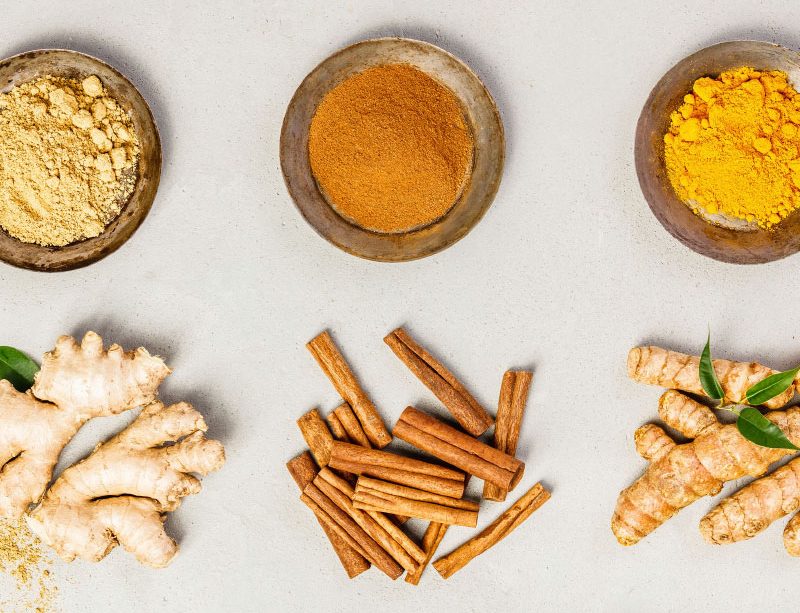
These are substances found mainly in foods of plant origin, which have extensive positive effects on human health. Around 90% of them resist the action of gastric juices and absorption in the large intestine, so that they reach the large intestine unchanged, where they support the balance of the microbiome. Some of them also have a positive effect on thyroid function – for example, curcumin.
The root of this plant is a popular ingredient in coffee drinks. It contains soluble fibre with a significant positive effect on the gut microbiome. It helps, among other things, to increase the number of representatives of the genus Lactobacillus, which is important for thyroid function.
PŘIHLASTE SE K ODBĚRU NOVINEK A MĚJTE VŽDY ČERSTVÉ INFORMACE
| Cookie | Duration | Description |
|---|---|---|
| cookielawinfo-checkbox-analytics | 11 měsíců | Tento soubor cookie je nastaven pluginem GDPR Cookie Consent. Soubor cookie se používá k uložení souhlasu uživatele s používáním souborů cookie v kategorii „Analytika“. |
| cookielawinfo-checkbox-functional | 11 měsíců | Soubor cookie je nastaven na základě souhlasu s cookie GDPR k zaznamenání souhlasu uživatele pro soubory cookie v kategorii „Funkční“. |
| cookielawinfo-checkbox-necessary | 11 měsíců | Tento soubor cookie je nastaven pluginem GDPR Cookie Consent. Cookies slouží k uložení souhlasu uživatele s cookies v kategorii „Nezbytné“. |
| cookielawinfo-checkbox-others | 11 měsíců | Tento soubor cookie je nastaven pluginem GDPR Cookie Consent. Cookie se používá k uložení souhlasu uživatele s cookies v kategorii „Jiné. |
| cookielawinfo-checkbox-performance | 11 měsíců | Tento soubor cookie je nastaven pluginem GDPR Cookie Consent. Cookie se používá k uložení souhlasu uživatele s cookies v kategorii „Výkon“. |
| elementor | nikdy | Tento soubor cookie používá téma WordPress webu. Umožňuje vlastníkovi webu implementovat nebo měnit obsah webu v reálném čase. |
| viewed_cookie_policy | 11 měsíců | Soubor cookie je nastaven pluginem GDPR Cookie Consent a používá se k uložení, zda uživatel souhlasil nebo nesouhlasil s používáním souborů cookie. Neukládá žádné osobní údaje. |
| Cookie | Duration | Description |
|---|---|---|
| sb | 2 roky | Tento soubor cookie používá Facebook ke kontrole svých funkcí, shromažďování jazykových nastavení a sdílení stránek. |
| Cookie | Duration | Description |
|---|---|---|
| _ga | 2 roky | Soubor _ga cookie, nainstalovaný službou Google Analytics, vypočítává údaje o návštěvnících, relacích a kampaních a také sleduje využití webu pro analytický přehled webu. Soubor cookie ukládá informace anonymně a přiřazuje náhodně vygenerované číslo k rozpoznání unikátních návštěvníků. |
| _gat_gtag_UA_71041054_1 | 1 minuta | Nastaveno Googlem k rozlišení uživatelů. |
| _gid | 1 den | Soubor cookie _gid nainstalovaný službou Google Analytics ukládá informace o tom, jak návštěvníci používají webovou stránku, a zároveň vytváří analytickou zprávu o výkonu webu. Některá data, která jsou shromažďována, zahrnují počet návštěvníků, jejich zdroj a stránky, které anonymně navštěvují. |
| Cookie | Duration | Description |
|---|---|---|
| fr | 3 měsíce | Facebook nastavuje tento soubor cookie tak, aby uživatelům zobrazoval relevantní reklamy sledováním chování uživatelů na webu, na stránkách, které mají Facebook pixel nebo sociální plugin Facebooku. |
| _fbp | 3 měsíce | Tento soubor cookie je nastaven společností Facebook, aby po návštěvě webové stránky zobrazoval reklamy na Facebooku nebo na digitální platformě založené na reklamě na Facebooku. |
| Cookie | Duration | Description |
|---|---|---|
| pvc_visits[0] | 1 minuta | Tento soubor cookie vytváří počítadlo po zhlédnutí. Tento soubor cookie se používá k počítání počtu návštěv příspěvku. Pomáhá také zabránit opakovanému zobrazení příspěvku návštěvníkem. |


















2 Comments
Have a nice day, I’m a regular subscriber to Epigemic products and follow the articles in Medunia magazine. I would like to contact you with the following question. It is about thyroid, specifically about today’s almost epidemic incidence of hypothyroidism-from lab results of variously elevated TSH. Today, slowly every second person is taking either Euthyrox or Letrox. Personally, I don’t want to go down that road. Please, can you advise me a suitable combination of those you list e.g. in Medunia Jan 2022? (Selenium+zinc+iodine or selenium+curcumin or selenium+probiotics). I would also like to know what the principle of action of these products is based on – do they directly stimulate the thyroid gland to produce more T3 and T4 or do they suppress TRH and TSH respectively? I have one more general comment – I miss the time of use for all products – on an empty stomach, before/after meals? I await your response with interest and thank you very much, hello Eva Kubíková
I would supplement iodine as such rather than in the form of supplements within the diet (sea fish, seaweed).
As a top combination of supplements, I would then choose curcumin + baikal coneflower + selenium. Pineal gland regulates the hormonal system as a whole, I recommend it for all problems that are somehow related to hormones. Curcumin supports the microbiome, but also has an epigenetic effect directly on the thyroid gland, affecting several processes including the sodium-iodide pump. Selenium is then part of the antioxidant enzymes that are essential for thyroid protection. Once a day I would choose this triple combination, once only curcumin with rosehip. It is better on an empty stomach, unless you find it a problem (curcumin can irritate the stomach when fasting) – in which case take with food.