“You need to lose weight, it’s important for your health.” This sentence is usually heard by most overweight people at the doctor’s office. But there’s a catch – you need to distinguish what kind of fat you’re talking about. Visceral fat does the most damage to the body, and it can be abundant even in people who look thin at first glance. How do we know how much visceral fat we have? How to get rid of it effectively? And why can’t liposuction help us to better health?
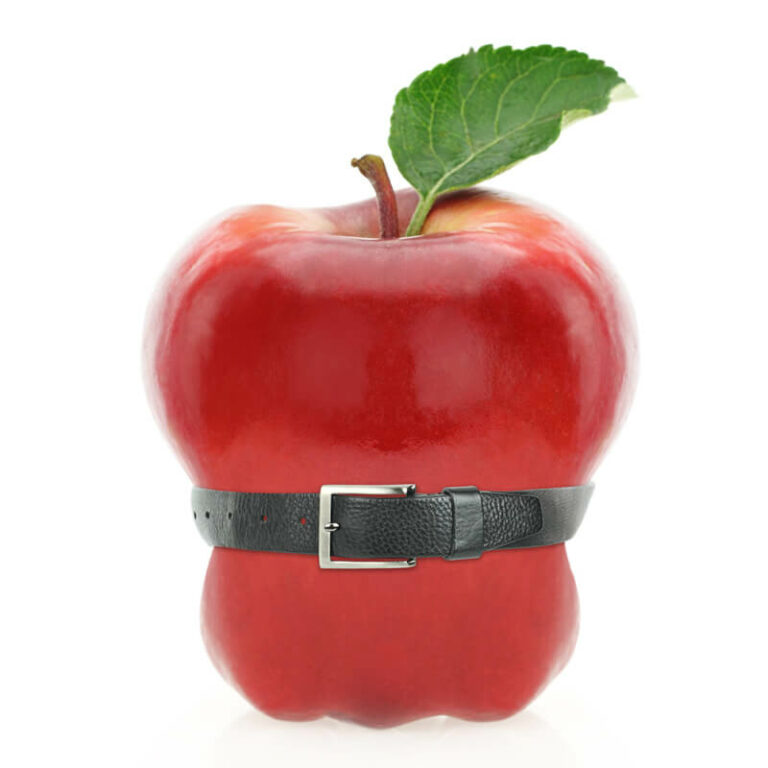
There are two ways in which fat is stored in the human body. The first is popularly referred to as the “apple figure”, and professionally as central or android obesity (android because it is more common in men). In it, fat is deposited mainly in the abdomen, while the legs remain slim. The second type is called gynoid obesity or ‘pear-shaped obesity’ because fat is deposited more in the thighs and buttocks, while the waist remains relatively slim. From a health perspective, this is a very big difference.
When more fat is present in the body, it increases the rate of inflammatory processes in the body and causes negative changes in gene activity due to different DNA methylation patterns, resulting in a higher risk of a number of diseases. This is true for any fat, but these processes are much more intense in central, or “apple” obesity.
Not only subcutaneous fat, but also fat inside the abdominal cavity, the so-called visceral fat, is abundant in the body. It is this fat that is most damaging to our health, as it produces high levels of inflammatory cytokines and, in addition, when it exceeds its storage capacity, it starts to “spill over” into tissues where it should definitely not be – for example, the liver, heart and chest cavity. This subsequently leads to metabolic and cardiovascular problems.
“Need to lose weight? Calculate your BMI.” We hear this advice quite often, but it’s actually pretty useless. The BMI, or Body Mass Index, only deals with the ratio of body weight to height, and does not take body composition into account at all. For example, athletes with a high proportion of muscle mass and a minimum of fat commonly have a BMI in the overweight or even obese range.
A slightly more accurate indication of whether a person should consider losing weight is provided by measuring body fat percentage – for example, using body composition measuring devices. But even this value does not tell us what our risk of health problems is, because it says nothing about the distribution of fat in the body.
That is why we need to find out what proportion of our adipose tissue is internal or visceral fat. The aforementioned body composition mapping devices can tell us this, but the WHR (Waist Hip Ratio) index is also very good, which can be calculated very simply: divide the waist circumference by the circumference of our hips. The higher the number, the worse, because it means that we have too high a waist circumference and therefore more fat in the abdominal area (including visceral fat).
Research clearly shows that a high WHR means a high risk of cardiovascular and metabolic diseases (e.g. diabetes), as people with a high WHR have higher LDL cholesterol and triglyceride levels and higher insulin resistance. A WHR above 0.95 in men and above 0.85 in women is considered a risk. Importantly, increased visceral fat can occur in people who have a low BMI – especially those who do not play sports and therefore have a relatively low weight due to their low muscle mass.
As we have already mentioned, any accumulation of fat in the body is harmful from a health perspective. Therefore, if an obese person undergoes extensive liposuction, the surgical removal of fatty tissue, some health indicators will improve – for example, blood triglyceride levels will be reduced. However, other important values (such as cholesterol) will change only minimally, and the risk of cardiovascular disease and diabetes will remain virtually unchanged.
The reason is simple: liposuction removes only the subcutaneous fat, while the amount of visceral fat remains unchanged. So let’s take a look at how we can effectively reduce the proportion of fat in our guts.
Fiber intake is essential in all efforts to lose weight. It slows down the passage of food through the digestive tract so that we feel fuller for longer, reduces nutrient absorption, helps regulate blood glucose levels and positively influences the composition of the gut microbiome. At the same time, it also helps to reduce visceral fat.
When stressed, there is an increased release of the hormone cortisol, which promotes the deposition of visceral fat.
The harmonious composition of the bacteria and other microorganisms that inhabit our intestines has a profound effect on the health of the whole body. It turns out that obese people have a different microbiome composition than lean people, with a higher proportion of harmful bacteria compared to “friendly” ones, which is what promotes the increase in visceral fat.
When taking care of the gut microbiome, it is important not only to consume foods or supplements containing probiotics, but also to consume sufficient fibre. Read more here “
Research shows that people who sleep 5 hours a day have a significantly higher proportion of visceral fat than those who sleep 7 hours or more.
In general, high sugar consumption promotes weight gain and makes visceral fat loss less likely, even when total caloric intake is reduced.
Regular exercise promotes weight loss not only through increased energy expenditure, but also through positive effects on epigenetic mechanisms and inflammation levels in the body. At the same time, it also has a significant positive effect on the amount of visceral fat. And what kind of exercise to choose?
Low-intensity aerobic activity is particularly important, i.e. walking, cycling, swimming and, in physically fit people, slow running – in the studies, about 27 km of walking per week (i.e. 4 km per day) led to visceral fat loss.
The inclusion of high-intensity physical activity (interval training) also proved to be very effective – in this case, visceral fat was lost, although the total duration of physical activity was reduced by 20-40% compared to the control group performing aerobic exercise only. However, the inclusion of vigorous activities presupposes good health, whereas low-intensity exercise is suitable for people with cardiovascular problems.
A number of dietary supplements promote not only weight loss but also directly the proportion of visceral fat by epigenetic means.
Curcumin – a dye from the root of turmeric has a beneficial effect on a number of mechanisms affecting weight loss: anti-inflammatory, affects fat cell production, insulin resistance, AMPD production, etc. In addition, it reduces the production of an enzyme that activates cortisol, and thus helps to limit visceral fat gain. It also contributes to the reduction of fatty liver and positively affects the gut microbiome. Read more “
Genistein – a polyphenol derived from soybeans positively affects the so-called visceral preadipocytes, i.e. immature cells from which visceral fat is formed. It causes the proliferation of mitochondria, which results in the formation of ‘beige fat’ with high metabolic activity. Thus, genistein promotes both overall weight loss and visceral fat loss. As a phytoestrogen, genistein is particularly suitable for menopausal women, who often accumulate fat in the abdominal area due to the cessation of estrogen production. Read more “
Resveratrol – a dye from red wine skins positively influences the activity of genes that determine the deposition of visceral fat and fat in the liver. It also supports the balance of the gut microbiome. Read more “
Coleus foskohlii – a herb native to the Himalayas, is one of the most popular “fat burners”, and it affects weight loss through a number of mechanisms: it promotes the loss of body fat, while at the same time building muscle mass, relieves appetite and fatigue, promotes testosterone production in men, and also activates the enzyme HSL, which is necessary for the oxidation of fats and their use as a source of energy. In addition, experiments in mice have shown that it can also promote visceral fat loss. Read more “
Quercetin – also this polyphenol can help not only with weight loss but also with visceral fat loss. When scientists administered it to mice fed a high-fat diet in one study, they experienced a 37% loss of abdominal fat! More about quercetin here: https://www.epivyziva.cz/quercetin/ Omega-3s – these unsaturated fatty acids have also been confirmed to reduce visceral fat gain. Read more here “
PŘIHLASTE SE K ODBĚRU NOVINEK A MĚJTE VŽDY ČERSTVÉ INFORMACE
| Cookie | Duration | Description |
|---|---|---|
| cookielawinfo-checkbox-analytics | 11 měsíců | Tento soubor cookie je nastaven pluginem GDPR Cookie Consent. Soubor cookie se používá k uložení souhlasu uživatele s používáním souborů cookie v kategorii „Analytika“. |
| cookielawinfo-checkbox-functional | 11 měsíců | Soubor cookie je nastaven na základě souhlasu s cookie GDPR k zaznamenání souhlasu uživatele pro soubory cookie v kategorii „Funkční“. |
| cookielawinfo-checkbox-necessary | 11 měsíců | Tento soubor cookie je nastaven pluginem GDPR Cookie Consent. Cookies slouží k uložení souhlasu uživatele s cookies v kategorii „Nezbytné“. |
| cookielawinfo-checkbox-others | 11 měsíců | Tento soubor cookie je nastaven pluginem GDPR Cookie Consent. Cookie se používá k uložení souhlasu uživatele s cookies v kategorii „Jiné. |
| cookielawinfo-checkbox-performance | 11 měsíců | Tento soubor cookie je nastaven pluginem GDPR Cookie Consent. Cookie se používá k uložení souhlasu uživatele s cookies v kategorii „Výkon“. |
| elementor | nikdy | Tento soubor cookie používá téma WordPress webu. Umožňuje vlastníkovi webu implementovat nebo měnit obsah webu v reálném čase. |
| viewed_cookie_policy | 11 měsíců | Soubor cookie je nastaven pluginem GDPR Cookie Consent a používá se k uložení, zda uživatel souhlasil nebo nesouhlasil s používáním souborů cookie. Neukládá žádné osobní údaje. |
| Cookie | Duration | Description |
|---|---|---|
| sb | 2 roky | Tento soubor cookie používá Facebook ke kontrole svých funkcí, shromažďování jazykových nastavení a sdílení stránek. |
| Cookie | Duration | Description |
|---|---|---|
| _ga | 2 roky | Soubor _ga cookie, nainstalovaný službou Google Analytics, vypočítává údaje o návštěvnících, relacích a kampaních a také sleduje využití webu pro analytický přehled webu. Soubor cookie ukládá informace anonymně a přiřazuje náhodně vygenerované číslo k rozpoznání unikátních návštěvníků. |
| _gat_gtag_UA_71041054_1 | 1 minuta | Nastaveno Googlem k rozlišení uživatelů. |
| _gid | 1 den | Soubor cookie _gid nainstalovaný službou Google Analytics ukládá informace o tom, jak návštěvníci používají webovou stránku, a zároveň vytváří analytickou zprávu o výkonu webu. Některá data, která jsou shromažďována, zahrnují počet návštěvníků, jejich zdroj a stránky, které anonymně navštěvují. |
| Cookie | Duration | Description |
|---|---|---|
| fr | 3 měsíce | Facebook nastavuje tento soubor cookie tak, aby uživatelům zobrazoval relevantní reklamy sledováním chování uživatelů na webu, na stránkách, které mají Facebook pixel nebo sociální plugin Facebooku. |
| _fbp | 3 měsíce | Tento soubor cookie je nastaven společností Facebook, aby po návštěvě webové stránky zobrazoval reklamy na Facebooku nebo na digitální platformě založené na reklamě na Facebooku. |
| Cookie | Duration | Description |
|---|---|---|
| pvc_visits[0] | 1 minuta | Tento soubor cookie vytváří počítadlo po zhlédnutí. Tento soubor cookie se používá k počítání počtu návštěv příspěvku. Pomáhá také zabránit opakovanému zobrazení příspěvku návštěvníkem. |