The road to a healthy baby
epivyziva.cz/
Zobrazeno: 3,721

Do you want to have a healthy and smart child? Then it’s good to know that the road to it starts long before we start trying to conceive.
When we decide to conceive a child, we are not passing on only half of our genetic information from our DNA. At the same time, we inherit the so-called epigenetic changes in the form of chemical reactions that have fundamentally influenced the activity of our individual genes over the course of our lives. This can significantly influence its development and, for example, its susceptibility to a number of serious diseases.
Fortunately, most epigenetic changes are reversible – unlike your genome (i.e. the order of genes in your DNA), we can therefore influence our epigenome to a large extent. So before we decide to conceive a child, we should make changes in our lives that will at least partially put our epigenome in order.
Moreover, this way we can also influence the probability of conceiving a child at all.
How epigenetics works
The presence of a certain gene in our DNA does not mean anything. It is just as important that this gene is “on” so that the organism can make proteins according to it. The switching on and off of genes is controlled by several chemical reactions – in particular gene methylation, histone acetylation and regulation by microRNAs (read more about these here: https://www.epivyziva.cz/zaklady-epigenetiky/). However, these reactions don’t just happen by chance. In fact, we can influence the course of many of them ourselves through our lifestyle – especially what we eat, whether we move regularly or what environmental pollutants we are exposed to.
During pregnancy and childhood, epigenetic changes can profoundly affect our development, growth, appearance and abilities, and during adulthood, they increase or decrease susceptibility to many diseases, including the most serious ones. However, these changes also have the property that they can be passed on from parent to offspring in a similar way to genes in DNA. Not that they are all inherited, many are deleted during fetal development, but the DNA of a child at birth shows a large number of epigenetic changes similar to those found in their parents at the time of fertilisation (1, 2).
When pregnancy fails
But first, let’s look at how epigenetics affects the ability to conceive. Let’s start with men.
The fact that the quality of male sperm has been deteriorating rapidly in recent decades is well known. The problem is that the process of their creation is quite demanding, because at the end of it there must be a highly specialised, resistant and viable cell that can pass through the hostile environment of the female body to the egg and then fertilise it. Sperm cells are formed from germ cells called spermatogonia, which go through a complex process of multiple divisions and differentiation – this takes about 72 days (3). The whole complex process is controlled by many genes, so there are also many ways to negatively interfere with it using epigenetic factors. A number of studies have shown that if these genes are excessively methylated, the risk of infertility increases significantly (4).
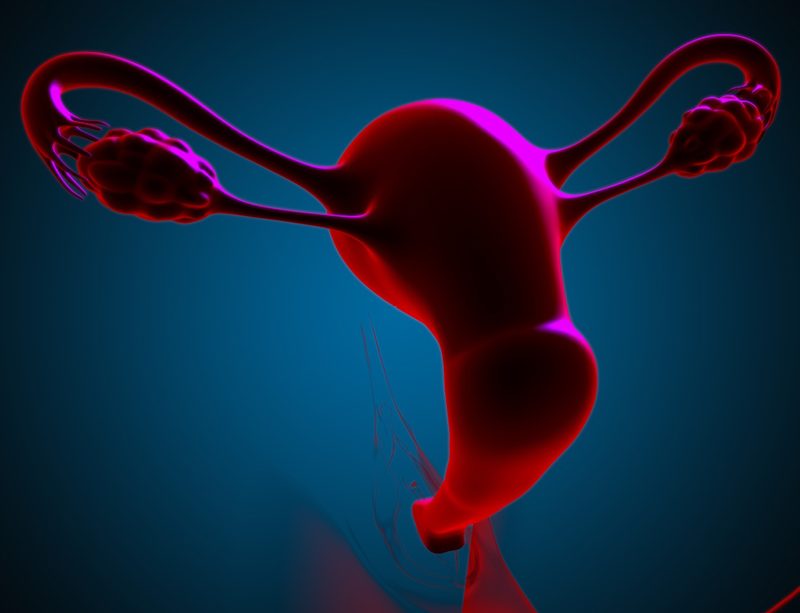
However, epigenetic changes can also significantly affect female infertility, and this is especially true for women who decide to have children at an older age. In fact, all the eggs that a woman releases throughout her fertile life were laid before she was born and only gradually mature in adulthood. As the years pass, however, epigenetic changes that disrupt the activity of the genes stored in the eggs increase – in particular, changes in gene methylation and histone acetylation. Difficulties with pregnancy can also be caused by hormonal changes that may also be epigenetic in nature – most commonly reduced oestrogen production, which usually also worsens with age (5).
What do you want to pass on to your children?
But even if the pregnancy is successful, it is not yet won. The epigenetic patterns that we pass on to our children along with our DNA can have a profound effect on their development in the womb and their susceptibility to many diseases after birth (4, 5).
In recent years, for example, there has been a lot of research on the epigenetic inheritance of diseases. For example, the inheritance of epigenetic changes that increase the risk of certain cancers, such as colorectal cancer, has been confirmed. Indeed, the likelihood of this disease increases both if we have inherited the mutated MLH1 gene and if our parents passed on this gene with negative epigenetic patterns (6).
In addition, epigenetic changes can be passed on over many generations. For example, research conducted by a team led by Douglas Ruden has shown that if a mother has elevated blood lead levels during pregnancy, this causes epigenetic changes leading to damage to the brain and other organs, not only in her child (where it might not be directly hereditary, but a negative effect during pregnancy), but even in her grandchildren (7). Other research has shown that inadequate nutrition at certain stages of childhood can negatively affect not only the health of starving children later in life, but even the growth or susceptibility to cardiovascular disease of their grandchildren (6, 8)!
There’s still time for change
Recently, research has emerged that could provide a way to medically influence epigenetic information in germ cells in the future (9). However, we will now look at how we can influence them ourselves before conception. As we have already said, most epigenetic changes are reversible and can be erased by the same mechanisms that influenced their occurrence in the first place, i.e. lifestyle.
The following tips will help you to adjust your epigenome and increase your chances of conceiving and having a healthy baby. But beware – we can’t want to fix the negative changes that have been occurring throughout our lives in a week. The minimum time needed to improve your current state is three months, but ideally you should decide to make positive lifestyle changes at least a year before you would like to start trying for a baby.
Adjust nutrition
Nutrition is one of the basic epigenetic factors. Its adjustment is therefore important both before conception and for the successful development of the baby during pregnancy. Pregnancy and fetal development can be fundamentally impaired by general malnutrition in terms of insufficient energy intake – in fact, extremely thin women with a BMI below 10 often experience the disappearance of menstruation. However, deficiencies of some key nutrients, particularly protein, may also play a role (10). Conversely, saturated fats and carbohydrates are detrimental in excess (11).
Eating certain specific foods and nutrients that have a direct epigenetic effect is also important. If taken in high doses (usually in the form of supplements), their positive effect on the activity of our genes can be very pronounced. You can find a comprehensive list of these in the “About Nutrition” section of this website, here we briefly mention some of them.
Folic acid – the importance of this vitamin for fetal development has long been known. Its deficiency results mainly in disorders of the development of the nervous system in the first months of intrauterine development, but it can also complicate the pregnancy itself, especially if the woman is elderly. In fact, the decline in folic acid levels that occurs with advancing age has been shown to increase the methylation levels of a number of important genes, essentially shutting them down completely (5, 12).
Pomegranate – this fruit (or a dietary supplement containing its extract) is especially important for promoting male fertility. It improves both sperm production and sperm motility by epigenetic means (13).
Astaxanthin – this powerful antioxidant from the carotenoid family (found in salmon meat, for example) positively affects hormone secretion in both men and women and improves sperm motility (14).
Vitamin D3 – epigenetic vitamin is essential for successful pregnancy. Receptors for it are found in virtually all female reproductive organs. It is important for the production of estrogen and other hormones, as well as substances that allow the fertilized egg to nest in the uterus and prevent it from being damaged by its own immune cells. However, it is also essential for male fertility. In addition, sufficient levels of vitamin D3 in a woman’s body significantly increase the success rate of artificial insemination (15-19).
Vitamin K2 – is essential for the activity of the protein osteocalcin, which allows calcium to be deposited in the bones and also supports the production of the hormone testosterone in the testes, which is needed for sperm production (20).
Resveratrol – a dye abundantly present especially in grape wine is known to slow down the aging process through epigenetic mechanisms. This applies to virtually all cells, including eggs, whose ageing and associated epigenetic changes are one of the main causes of infertility in older women. Resveratrol helps both to increase the number of oocytes (immature eggs), which protects against free radical damage, and to improve the quality of eggs that are already mature. This results in an increase in the age at which a woman is able to conceive a child. Resveratrol also increases the chance of pregnancy in women suffering from polycystic ovary syndrome and obesity, and also increases the success rate of artificial insemination (21-23).
Moreover, these nutrients have a beneficial epigenetic effect not only on fertility but also on DNA as a whole. This also reduces the amount of negative epigenetic changes that we pass on to our offspring during fertilization.
Avoid stress
That the stress and negative emotions of the mother during pregnancy can negatively affect the psyche and health of the child has long been known. However, it now appears that stress in particular can cause negative epigenetic changes that not only affect the health of the person concerned, but can also be passed on to their offspring. Although research on this topic has only been carried out on animals, which is logical – human volunteers for similar experiments would be hard to find – the results are quite clear.
For example, when scientists exposed male mice to significant stress and then mated them with female mice, they found a change in the methylation patterns of genes affecting glucose metabolism in their offspring. The young mice were then more likely to suffer from hypoglycaemia as adults, which means not only an increased risk of diabetes or obesity, but also other health problems (24)
Don’t smoke
Smoking is a habit with far-reaching effects on the health of the body – it accelerates ageing, increases the risk of cancer (and it’s not just lung cancer), cardiovascular disease and many other diseases. This is due to its epigenetic effects – in particular, the process of gene methylation is different in smokers (25).
However, recent research has shown other negative consequences of smoking. First and foremost, it has a very negative impact on fertility, especially male fertility. This is because it promotes so-called apoptosis, or the programmed cell death of germ cells, which give rise to sperm in the testicles, thereby significantly impairing the quality of the sperm and thus fertility. The cause is epigenetic and lies in differential gene methylation (26). Moreover, this phenomenon is caused directly by nicotine, so it is likely to affect e-cigarette smokers as well.
In addition, the epigenetic changes resulting from smoking are also heritable. The children of smokers have DNA with similar negative epigenetic patterns as their parents (27). The earlier a person starts smoking, the worse the effect on their genes and the more negative the effect on their offspring. For example, researchers have found much higher body fat content in the sons of men who started smoking at an early age than in their peers.
Lose weight
Obesity has a negative impact on female fertility, significantly reducing the likelihood of pregnancy both naturally and through artificial insemination (30).However, several studies have recently confirmed the negative impact of obesity on male fertility, particularly on the number of sperm in the ejaculate (results are mixed regarding the impact on sperm motility). High body fat also has a negative effect on hormonal balance in men, reducing testosterone production and increasing the production of the female sex hormone oestrogen (31).
Much more alarming, however, is the fact that the father’s obesity at the time of conception has a significant negative impact on the health of his offspring. High body fat triggers a cascade of epigenetic changes, particularly in gene methylation and microRNA regulation, many of which are passed on to the child’s DNA at fertilisation. These changes, for example, significantly increase the risk that the offspring will also suffer from obesity (31, 32). However, there has also been evidence of an association between fathers’ obesity and the incidence of breast cancer in their daughters (33).
0:00
/
0:00
Stárnutí je volba
Klíčová slova: child, epigenetics, EpiNutrients, getting pregnant, Herpes, K2, parenting, pomegranate, problems with conception, resveratrol, Vitamin D3
Komentáře
Seznam zdrojů
- Adenot PG, Mercier Y, Renard JP, Thompson EM (1997). “Differential H4 acetylation of paternal and maternal chromatin precedes DNA replication and differential transcriptional activity in pronuclei of 1-cell mouse embryos” (PDF). Development (Cambridge, England). 124 (22): 4615–25.
- Oswald J, Engemann S, Lane N, Mayer W, Olek A, Fundele R, Dean W, Reik W, Walter J (April 2000). “Active demethylation of the paternal genome in the mouse zygote”. Current Biology. 10 (8): 475–8.
- Carrell DT. Epigenetics of the male gamete. Fertil Steril. 2012;97:267–74.
- Liborio Stuppia,Marica Franzago, Patrizia Ballerini, Valentina Gatta, and Ivana Antonucci. Epigenetics and male reproduction: the consequences of paternal lifestyle on fertility, embryo development, and children lifetime health. Clin Epigenetics. 2015; 7: 120. https://www.ncbi.nlm.nih.gov/pmc/articles/PMC4642754/#CR154
- Zhao-Jia Ge, Heide Schatten, Cui-Lian Zhang, and Qing-Yuan Sun. Oocyte ageing and epigeneticsReproduction 149 (3) R103-R114
- Wei Y, Schatten H, Sun QY (2014). “Environmental epigenetic inheritance through gametes and implications for human reproduction”. Human Reproduction Update. 21 (2): 194–208.
- Sen, A., Heredia, N., Senut, M., Land, S., Hollocher, K., Lu, X., Dereski, M.O., Ruden. D.M. (2015). Multigenerational epigenetic inheritance in humans: DNA methylation changes associated with maternal exposure to lead can be transmitted to the grandchildren. Scientific Reports, 5: 14466.
- Lalande M (1996). “Parental imprinting and human disease”. Annual Review of Genetics. 30: 173–95.
- Surani MA, Hajkova P (2010). “Epigenetic reprogramming of mouse germ cells toward totipotency”. Cold Spring Harbor Symposia on Quantitative Biology. 75: 211–8.
- Carone BR, Fauquier L, Habib N, Shea JM, Hart CE, Li R, et al. Paternally induced transgenerational environmental reprogramming of metabolic gene expression in mammals. Cell. 2010;143:1084–96.
- Ng SF, Lin RC, Laybutt DR, Barres R, Owens JA, Morris MJ. Chronic high-fat diet in fathers programs β-cell dysfunction in female rat offspring. Nature. 2010;467:963–66.
- Jacques PF, Bostom AG, Wilson PW, Rich S, Rosenberg IH & Selhub J. Determinants of plasma total homocysteine concentration in the Framingham Offspring cohort. American Journal of Clinical Nutrition 2001, 73 613–621.
- Sherif Wagih Mansour. Sensibility of male rats fertility against olive oil, Nigella sativa oil and pomegranate extract. Clin Exp Pharmacol. DOI: 10.4172/2161-1459.C1.010
- Eskenazi B, et al Antioxidant intake is associated with semen quality in healthy men . Hum Reprod. (2005)
- Kinuta K, Tanaka H, Moriwake T, Aya K, Kato S, Seino Y. Vitamin D is an important factor in estrogen biosynthesis of both female and male gonads. Endocrinology, 2000;141:1317–24.
- Halloran BP, DeLuca HF. Effect of vitamin D deficiency on fertility and reproductive capacity in the female rat. J Nutr, 1980;110:1573–80.
- Kwiecinski GG, Petrie GI, DeLuca HF. Vitamin D is necessary for reproductive functions of the male rat. J Nutr, 1989;119:741–4.
- Vigano P, Lattuada D, Mangioni S, Ermellino L, Vignali M, Caporizzo E, Panina-Bordignon P, Besozzi M, Di Blasio AM. Cycling and early pregnant endometrium as a site of regulated expression of the vitamin D system. J Mol Endocrinol, 2006;36(3):415-24.
- Rudick B, Ingles SA, Stanczyk F, Chung K, Paulson R, Bendikson K. Characterizing the role of vitamin D levels on IVF outcomes: stimulation, embryo, or endometrium? O-245, Annual Meeting of the American Society for Reproductive Medicine, 2010.
- Kate Rhéaume-bleue, B.Sc., N.D. Vitamin K2 and the Calcium Paradox. John Wiey & Sons Canada, 2012
- Liu, M., et al. “Resveratrol protects against age-associated infertility in mice”. Human Reproduction Vol. 28, No. 3 (2013): 707–717.
- Kong, X.X., et al. “Resveratrol, an effective regulator of ovarian development and oocyte apoptosis”. Journal of Endocrinological Investigation Vol. 34, No. 11 (2011): e374–e381.
- Baek, S.H., et al. “Creation of resveratrol-enriched rice for the treatment of metabolic syndrome and related diseases”. PLoS One Vol. 8, No. 3 (2013): e57930.
- Ling Wu, Yan Lu, Yang Jiao, Bin Liu, Shangang Li1, Yao Li, Fengying Xing, Dongbao Chen, Xing Liu, Jiejie Zhao, Xuelian Xiong, Yanyun Gu, Jieli Lu, Xuejin Chen, Xiaoying Li. Paternal Psychological Stress Reprograms Hepatic Gluconeogenesis in Offspring. Cell Metabolism. Volume 23, Issue 4, 12 April 2016, Pages 735–743
- Andrew E. Teschendorff, Zhen Yang, Andrew Wong, Christodoulos P. Pipinikas, Yinming Jiao, Allison Jones, Shahzia Anjum, Rebecca Hardy, Helga B. Salvesen, Christina Thirlwell, Samuel M. Janes, Diana Kuh, Martin Widschwendter. Correlation of Smoking-Associated DNA Methylation Changes in Buccal Cells With DNA Methylation Changes in Epithelial Cancer. JAMA Oncology, 2015.
- Gu. Y. et al. (2016). Nicotine induces Nme2-mediated apoptosis in mouse testes. Biochemical and Biophysical Research Communications, in press.
- Joubert, B. et al. (2016). DNA Methylation in Newborns and Maternal Smoking in Pregnancy: Genome-wide Consortium Meta-analysis. American Journal of Human Genetics, 98(4): 680-696.
- Kate Northstone,1 Jean Golding,1,2 George Davey Smith,1,3 Laura L Miller,1 and Marcus Pembrey. Prepubertal start of father’s smoking and increased body fat in his sons: further characterisation of paternal transgenerational responses. Eur J Hum Genet. 2014 Dec; 22(12): 1382–1386.
- Pinborg A, Gaarslev C, Hougaard CO, Nyboe Andersen A, Andersen PK, Boivin J, et al. Influence of female bodyweight on IVF outcome: a longitudinal multicentre cohort study of 487 infertile couples. Reprod Biomed Online. 2011;23:490–9. doi: 10.1016/j.rbmo.2011.06.010.
- Zain MM, Norman RJ. Impact of obesity on female fertility and fertility treatment. Womens Health (Lond). 2008 Mar;4(2):183-94. doi: 10.2217/17455057.4.2.183.
- Nicole O. Palmer,Hassan W. Bakos, Tod Fullston, and Michelle Lane. Impact of obesity on male fertility, sperm function and molecular composition. Spermatogenesis. 2012 Oct 1; 2(4): 253–263.
- Mitchell M, Fullston T, Palmer NO, Bakos HW, Owens JA, Lane M. The effect of paternal obesity in mice on reproductive and metabolic fitness of F1 male offspring. Reprod Fertil Dev. 2010;22:21–21. doi: 10.1071/SRB10Abs103.
- Camile Castilho Fontelles, Elissa Carney, Johan Clarke, Nguyen M. Nguyen, Chao Yin, Lu Jin, M. Idalia Cruz, Thomas Prates Ong, Leena Hilakivi-Clarke & Sonia de Assis. Paternal overweight is associated with increased breast cancer risk in daughters in a mouse model. Scientific Report. 24 June 2016. http://www.nature.com/articles/srep28602