6 real causes of high blood pressure. How to lower it the natural way?
epivyziva.cz/
Zobrazeno: 791

2.5 million people, a full quarter of the population – roughly the same number of people in our country suffer from high blood pressure, and the prevalence of this problem is shifting to younger and younger age groups. How to deal with it using natural remedies?
High blood pressure, or arterial hypertension, is one of the most common health problems. In our country, it affects an estimated 35% of people aged 25-64. Efforts to reduce it are very important, because its presence doubles the risk of cardiovascular disease.
Doctors distinguish two types of high blood pressure: about 10% of people suffer from so-called secondary hypertension, which is the result of some other disease – for example, some kidney disease, adrenal tumours, etc. However, there are a number of phenomena directly related to primary hypertension at the cellular level, which, in turn, are well described, and which we can positively influence in completely natural ways – by modifying our lifestyle, dietary supplements and by using substances that are contained in many common foods.
Cause 1: Epigenetic influences
Just because our DNA contains a particular gene does not mean that it must actually be present. There are so-called epigenetic reactions that can change the activity of individual genes, and even turn some of them off or on. These epigenetic changes occur abundantly during intrauterine development and throughout the rest of life, and some of them can even be inherited. And they also play an important role in the development of high blood pressure.
An epigenetic reaction called gene methylation is very closely related to high blood pressure – differences in methylation associated with high blood pressure have been detected at a total of 13 DNA sites. These changes often arise during intrauterine development – for example, the risk increases if the mother has prolonged elevated blood sugar levels, suffers from pre-eclampsia or is exposed to air pollution.
However, disruption of optimal gene methylation can also occur in later life. Risk factors include obesity, smoking and an unhealthy diet (especially too much sugar and saturated fat in the diet). In general, negative methylation patterns also increase with age. On the other hand, regular exercise and a range of dietary supplements have a positive effect.
Useful dietary supplements
Resveratrol – a dye found mainly in grape wine has significant epigenetic effects and also helps to lower blood pressure. Its advantage is that it can be combined with blood pressure medications, which significantly increase its effectiveness.
Quercetin (quercetin) – this polyphenol found in many types of plant foods has been shown in research to be effective in lowering blood pressure. One of the mechanisms involved is the influence of epigenetic processes in the body.
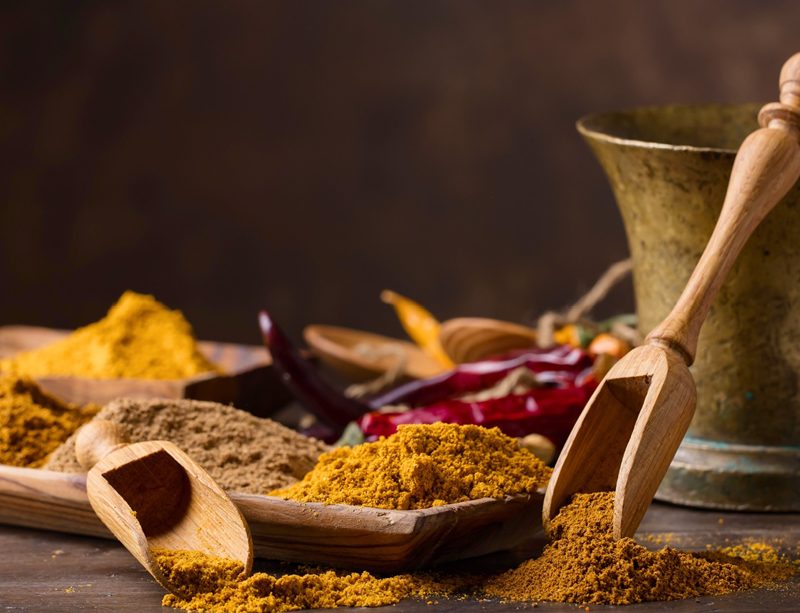
Curcumin – a dye from turmeric root is one of the natural substances with the strongest epigenetic action and has also been shown to help lower blood pressure.
EGCG – also epigallocatechin gallate, the richest source of which is green tea, has a strong epigenetic action and the ability to reduce hypertension.
Ginger – another spice with epigenetic action is known primarily for its anti-inflammatory effects, but it can also effectively reduce blood pressure. In this respect, it has even shown comparable efficacy to nifedipine, a frequently used ingredient in anti-hypertension drugs.
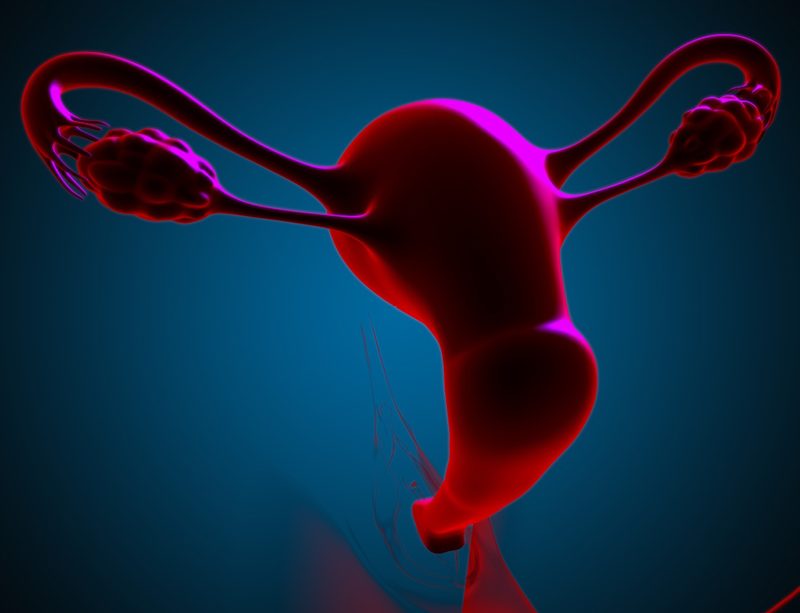
Genistein – a polyphenol abundantly present especially in soybeans combines its epigenetic action with its ability to act as a phytoestrogen (a substance similar to the female sex hormone estrogen). This makes it very effective in lowering blood pressure in post-menopausal women.
Cause 2: imbalance of the gut microbiome
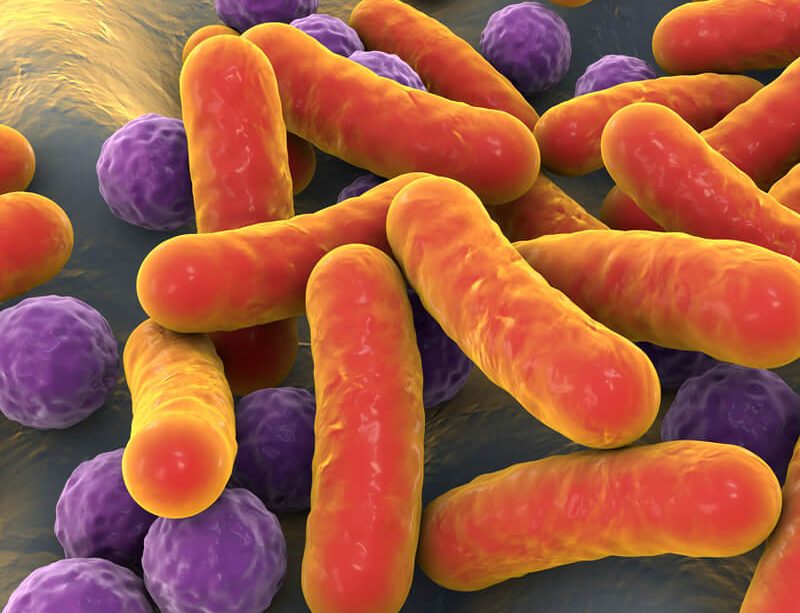
The gut microbiome can also influence blood pressure levels in a relatively fundamental way. For example, a large study comparing the composition of the gut population in people with normal and high blood pressure found a total of 45 different strains of microorganisms, 27 of which were bacteria of the genus Firmicutes. These are important because they produce butyrate, a substance that affects a number of processes in the body at a cellular level, including blood pressure. However, a link with blood pressure has also been demonstrated in the genus Lactobacillus. Further research has shown that higher systolic blood pressure tends to be associated with lower species diversity of intestinal inhabitants.
Adequate fibre intake is crucial to the health of the gut microbiome – research has even shown a drop in blood pressure after simply adding fibre to the diet. Salt intake, on the other hand, has a negative effect – a diet high in salt leads to a decrease in the number of Lactobacillus bacteria in the gut and a higher production of inflammatory cytokines, which can result in a rise in blood pressure.
Useful dietary supplements
Probiotics – the use of probiotics, especially Lactobacillus bacteria, has been shown in studies to not only lower blood pressure but also reduce the weight of the volunteers involved.
Butyrate – in case of imbalance of the intestinal microbiome, it is possible to consume this substance as a dietary supplement, which is normally produced by intestinal bacteria.
Cause 3: Insulin resistance
Insulin resistance is typical of type 2 diabetes. It is a condition in which the tissues lose sensitivity to the hormone insulin and, as a result, blood glucose levels rise. Insulin resistance is very common in people with high blood pressure, and some research suggests that it may be a significant contributor to its development. This is because insulin stimulates the sympathetic nervous system, causing hypertrophy (thickening) of the smooth muscle of blood vessels and affecting sodium metabolism.
Useful dietary supplements
EGCG – promotes insulin activity and tissue sensitivity to this hormone.
Quercetin (quercetin) – this substance also helps to reduce insulin resistance. This is probably the reason why diabetics in particular have responded very well to its use in studies of its effect on blood pressure.
Curcumin – Like quercetin, curcumin has shown a high ability to lower blood pressure in diabetics, including through its positive effect on insulin resistance.
Cause 4: Stress hormones
Stress hormones cause changes in our bodies that are thought to increase our chances of survival in life-threatening situations. For example, they increase blood sugar levels or cause some blood vessels to constrict, allowing working muscles to get more energy and oxygen for possible fight or flight. However, if we experience chronic, long-term stress, excessive secretion of stress hormones can lead to a range of problems, including high blood pressure.
For example, when researchers tracked the levels of stress hormones for 6.5 years in 400 people who had normal blood pressure at the start of the study, they found that each doubling of levels of the four most important stress hormones was associated with a 21-31% increase in the risk of hypertension.
Useful dietary supplements
Rhodiola – this plant belongs to adaptogens, i.e. substances with a positive effect on resistance to stress, while it can also protect the cardiovascular system from its effects. It also contributes directly to lowering blood pressure.
Passion fruit – its fruits are known for their ability to relieve anxiety and promote sleep, but they are also very effective in helping to lower blood pressure.
Cause 5: Renin – angiotensin system
We usually think of the kidneys as a “filter” that removes pollutants and waste products from the body, but this organ also plays a major role in regulating blood pressure. In fact, kidney cells contain receptors that monitor blood pressure and sodium levels. If blood pressure is reduced, they start to release the enzyme renin, which is necessary for the formation of angiotensin II. The latter has a strong vasoconstrictive effect: it causes blood vessels to constrict and thus blood pressure to rise.
Thus, if the function of the renin-angiotensin system is disturbed, blood pressure may increase. This often occurs in kidney disease, but also in diabetes. Moreover, disruption of this system often occurs already during intrauterine development, for example as a result of poor maternal nutrition.
Useful dietary supplements
Pomegranate – effectively suppresses the formation of angiotensin II. In one study, for example, there was a significant reduction in blood pressure after 4 weeks of drinking pomegranate juice.
Butyrate – also a substance produced by certain gut bacteria effectively suppresses the production of angiotensin II, even when taken in the form of dietary supplements.
EGCG – green tea catechins are among the very effective angiotensin II inhibitors.
Cause 6: poor function of the musculature of the blood vessels
In the walls of the blood vessels there is smooth muscle, which regulates the blood vessels by contracting or relaxing, which also affects the blood pressure: It is simply more demanding for the heart to “push” blood through narrowed blood vessels. We have already mentioned that angiotensin II increases the contraction of these muscles and thus blood pressure. But in addition, there are substances which, on the contrary, relax them and thus promote a fall in pressure.
The first is nitric oxide (NO) – a small signaling molecule that is produced in the body by the action of the enzyme eNOS (nitric oxide synthase) from nitrates in food. (More about NO here: https://www.epivyziva.cz/?s=oxid+nitrate%C3%BD). To increase NO production, it is important to eat enough vegetables, which are an important source of nitrate for the body. However, limiting overall caloric intake will also help.
For the signal transduction processes in smooth muscle cells, the substance cAMP (cyclic aminomonophosphate) is also needed, which acts as a second messenger in the cells.
Useful dietary supplements
Coleus forskohlii – a herb native to the Himalayas effectively promotes the production of cAMP. When it was given to people with high blood pressure, three-quarters of them experienced a significant drop in it.
Pomegranate – influences NO production in several ways: it contains nitrates, from which NO is formed, it promotes the formation of eNOS, and it protects the formed NO from oxidation by free radicals.
EGCG – epigallocatechin gallate from green tea helps increase eNOS activity.
OPC – also grape seed extract rich in oligomeric proanthocyanidins positively affects NO production. This leads to a dilation of blood vessels and a decrease in blood pressure. Genistein – promotes the production of nitric oxide.
0:00
/
0:00
Stárnutí je volba
Klíčová slova: atherosclerosis, Butyrate, Coleus forskohlii, curcumin, diabetes, egcg, Genistein, ginger, gut microbiome, heart and blood vessels, high blood pressure, insulin resistance, ischaemic heart disease, Kidney, nitric oxide, opc, pomegranate, quercetin, quercetin, resveratrol, Rhodiola, Torture
Komentáře
Seznam zdrojů
- https://www.ikem.cz/cs/arterialni-hypertenze/a-435/
- Prof. MUDr. Renata Cífková, CSc., Hypertenze a ischemická choroba srdeční. Medical tribune. 22. 6. 2011. https://www.tribune.cz/archiv/hypertenze-a-ischemicka-choroba-srdecni/
- Mingyu Liang. Epigenetic Mechanisms and Hypertension. Hypertension. Vol. 72, No. 6
- Richard MA, Huan T, Ligthart S, et al.; BIOS Consortium. DNA methylation analysis identifies loci for blood pressure regulation.Am J Hum Genet. 2017; 101:888–902.
- Breton CV, Yao J, Millstein J, Gao L, Siegmund KD, Mack W, Whitfield-Maxwell L, Lurmann F, Hodis H, Avol E, Gilliland FD. Prenatal air pollution exposures, DNA methyl transferase genotypes, and associations with newborn LINE1 and Alu methylation and childhood blood pressure and carotid intima-media thickness in the children’s health study.
- He J, Zhang A, Fang M, Fang R, Ge J, Jiang Y, Zhang H, Han C, Ye X, Yu D, Huang H, Liu Y, Dong M. Methylation levels at IGF2 and GNAS DMRs in infants born to preeclamptic pregnancies.BMC Genomics. 2013;
- Joonatan Palmu, Aaro Salosensaari, Aki S. Havulinna, Susan Cheng, Michael Inouye, Mohit Jain, Rodolfo A. Salido, Karenina Sanders, Caitriona Brennan, Gregory C. Humphrey, Jon G. Sanders, Erkki Vartiainen, Tiina Laatikainen, Pekka Jousilahti, Veikko Salomaa, Rob Knight, Leo Lahti and Teemu J. Niiranen. Association Between the Gut Microbiota and Blood Pressure in a Population Cohort of 6953 Individuals. Journal of the American Hearth Association. Vol. 9. No. 15. https://www.ahajournals.org/doi/10.1161/JAHA.120.016641
- Sun S, Lulla A, Sioda M, Winglee K, Wu MC, Jacobs DR, Shikany JM, Lloyd‐Jones DM, Launer LJ, Fodor AA, et al. Gut microbiota composition and blood pressure: the CARDIA study. Hypertension. 2019; 73:998–1006.
- Hill D, Sugrue I, Tobin C, Hill C, Stanton C, Ross RP. The Lactobacillus casei group: history and health related applications. Front Microbiol. 2018; 9:2107.
- Tarray, Rayees; Saleem, Sheikh; Afroze, Dil; Yousuf, Irfan; Gulnar, Azhara; Laway, Bashir; Verma, Sawan. Role of insulin resistance in essential hypertension. December 2014 – Volume 3 – Issue 4 – p 129-133
- Hyung Eun Yim, M.D. and Kee Hwan Yoo, M.D. Renin-Angiotensin System – Considerations for Hypertension and Kidney. Electrolyte Blood Press. 2008 Jun; 6(1): 42–50.
- https://newsroom.heart.org/news/elevated-stress-hormones-linked-to-higher-risk-of-high-blood-pressure-and-heart-events
- Torill Berg, Eva Degerman, Kjetil Tasken. Increased cAMP signaling can ameliorate the hypertensive condition in spontaneously hypertensive rats. J Vasc Res. 2009;46(1):25-35
- Matthias Hermann , Andreas Flammer, Thomas F Lüscher. Nitric oxide in hypertension. J Clin Hypertens (Greenwich). 2006 Dec;8(12 Suppl 4):17-29.
- Madhavi Jagtap, H. M. Chandola, and B. Ravishankar. Clinical efficacy of Coleus forskohlii (Willd.) Briq. (Makandi) in hypertension of geriatric population. Ayu. 2011 Jan-Mar; 32(1): 59–65.
- de Nigris F, Williams-Ignarro S, Lerman LO, et al. Beneficial effects of pomegranate juice on oxidation-sensitive genes and endothelial nitric oxide synthase activity at sites of perturbed shear stress. Proceedings of the National Academy of Sciences of the United States of America.2005;102(13):4896-4901.
- Ignarro LJ, Byrns RE, Sumi D, de Nigris F, Napoli C.Pomegranate juice protects nitric oxide against oxidative destruction and enhances the biological actions of nitric oxide. Nitric Oxide. 2006 Sep;15(2):93-102.
- Aida Zarfeshany, Sedigheh Asgary and Shaghayegh Haghjoo Javanmard. Potent health effects of pomegranate. Adv Biomed Res. 2014; 3: 100.
- Lei Wang, Qing Zhu, Aihua Lu, Xiaofen Liu, Linlin Zhang, Chuanming Xu, Xiyang Liu, Haobo Li, Tianxin Yang. Sodium butyrate suppresses angiotensin II-induced hypertension by inhibition of renal (pro)renin receptor and intrarenal renin-angiotensin systém. J Hypertens.. 2017 Sep;35(9):1899-1908
- Lorenz, M, Wessler, S, Follmann, E, et al. (2004) A constituent of green tea, epigallocatechin-3-gallate, activates endothelial nitric oxide synthase by a phosphatidylinositol-3-OH-kinase-, cAMP-dependent protein kinase-, and Akt-dependent pathway and leads to endothelial-dependent vasorelaxation. J Biol Chem 279, 6190–6195.
- Ryu, OH, Lee, J, Lee, KW, et al. (2006) Effects of green tea consumption on inflammation, insulin resistance and pulse wave velocity in type 2 diabetes patients. Diabetes Res Clin Pract 71, 356–358.
- Rosalind J. Moore, Kim G. Jackson and Anne M. Minihane. Green tea (Camellia sinensis) catechins and vascular function. Cambridge University Press: 15 September 2009. https://www.cambridge.org/core/journals/british-journal-of-nutrition/article/green-tea-camellia-sinensis-catechins-and-vascular-function/B18C5209893F360E6AD7DCA3C5247EDD
- Maria‐Corina Serban, MD, PhD et all. Effects of Quercetin on Blood Pressure: A Systematic Review and Meta‐Analysis of Randomized Controlled Trials. J Am Heart Assoc. 2016 Jul; 5(7): e002713.
- https://www.webmd.com/hypertension-high-blood-pressure/news/20060327/grape-seed-extract-blood-pressure
- https://www.endocrine-abstracts.org/ea/0043/ea0043oc51
- Marios Theodotou, Konstantinos Fokianos, Alexia Mouzouridou, Cornelia Konstantinou, Andrea Aristotelous, Dafni Prodromou, and Asimina Chrysikou. The effect of resveratrol on hypertension: A clinical trial. Exp Ther Med. 2017 Jan; 13(1): 295–301.
- Wei-Jing Lee , Hsien-Hui Chung, Yung-Ze Cheng, Hung Jung Lin, Juei-Tang Cheng. Rhodiola-water extract induces β-endorphin secretion to lower blood pressure in spontaneously hypertensive rats. Phytother Res. 2013 Oct;27(10):1543-7.
- Young HY, Liao JC, Chang YS, Luo YL, Lu MC, Peng WH. Synergistic effect of ginger and nifedipine on human platelet aggregation: a study in hypertensive patients and normal volunteers. Am J Chin Med. 2006;34(4):545-51.
- Sabyasachi Chatterjee, Kaniz Wahida Sultana, Anindita Roy, Indrani Chandra. Alternative Herbal Medicine for Hypertension and Anxiety: Passiflora sp.-A short review. Research & Reviews: Research Journal of Biology. 04/01/2016. https://www.rroij.com/open-access/alternative-herbal-medicine-for-hypertension-and-anxiety-passiflora-spa-short-review-.php?aid=68346.
- Altavilla D, Crisafulli A, Marini H, Esposito M, D’Anna R, Corrado F, Bitto A, Squadrito F. rdiovascular effects of the phytoestrogen genistein. Curr Med Chem Cardiovasc Hematol Agents. 2004 Apr;2(2):179-86.