The hidden role of immunity: it affects intelligence, depression and Alzheimer’s disease
epivyziva.cz/
Zobrazeno: 343
When we talk about immunity, we usually think of immune cells fighting viruses, bacteria or other “invaders”. But immune cells have many other functions in our bodies and can determine, among other things, the health of our brains and the risk of diseases that affect the brain.
For the brain to function properly
While there are quite a lot of immune cells in the meninges, there are relatively few in the brain tissue itself compared to the rest of the body. Nevertheless, they play a very important role, not only in defence against infections, but even in brain development.
The most abundant immune cells in the brain are microglia, which make up about 80% of the brain’s immune cells. (To be more precise: while some experts consider microglia to be immune cells, specifically a type of macrophage, because they have been shown to participate in immune processes, others classify them more as nerve cells.) In addition, there are myeloid cells, macrophages, B cells, T cells, NK cells, dendritic cells, etc.
T cells in particular play a very interesting role here, as they are involved in a number of complex brain processes, including spatial learning, memory, emotional behaviour and memory. Microglia, in turn, regulate the number of neural stem cells and also influence the processes of myelination, synapse formation (the interconnection of neurons) or the formation and maintenance of small cerebral blood vessels. Not only the innate part of immunity is involved in the developmental processes of the brain, but even the acquired part.
Dangerous infections in pregnancy
Immune cells play the most important role in brain development and function during intrauterine development. It is even true here that infection of the mother during pregnancy can significantly affect the development of her child’s brain and the risk of psychological and neurological problems later in life.
For example, epidemiological studies have shown a link between infection and the development of depression, anxiety, autism, epilepsy, schizophrenia and even cerebral palsy. Several studies have also shown a strong relationship between infection in early childhood and the development of schizophrenia later in life, and there is also evidence of an association between early infections and memory and learning ability.
According to some theories, the increased incidence of psychological problems in recent decades may even be due to paradoxical medical advances – while many infections in pregnancy or early childhood were fatal before the spread of antibiotics, most infected people survive today, but the illness can affect brain development to some extent.
The enemy called inflammation
Another important function of immune cells is the secretion of substances called cytokines and chemokines. We usually associate the former in particular with the onset of inflammation, which is also true in the context of the brain – in fact, higher intensity inflammatory processes are found in virtually all brain-related disorders, from depression, to ADHD, autism, and Alzheimer’s disease.
Cytokines are usually secreted not only in response to infection but also in any other disturbance of the balance within the brain. The cause of their increased secretion can be, for example, trauma, stroke or neurodegeneration. People suffering from post-traumatic stress disorder have increased levels of cytokines (as well as lower levels of T cells and different levels of gene methylation), as do those with schizophrenia. Animal experiments have even shown that when cytokines are injected into their brains, their behaviour is severely impaired.
However, cytokines can also affect cognitive processes – for example, they impact synaptic plasticity, or the ability of nerve cells to form interconnections, which is crucial for memory or learning. They have a significant effect on nerve cells called astrocytes, which are involved in the formation and maintenance of interconnections between neurons. A single astrocyte affects more than 2 million synapses!
However, it must be said that both too high levels of certain cytokines in the brain and too low levels play a negative role in this regard.
Can a virus trigger Alzheimer’s?
Of course, immune functions are not only involved in the development of the brain during intrauterine development and childhood, but can also influence its fitness throughout the rest of life.
The most abundant immune cells in the brain – microglia – also play a key role in this regard. Their impaired function is probably involved in the development of Alzheimer’s, Parkinson’s and Huntington’s diseases, as well as in processes related to brain ageing. In addition, microglia have a very long lifespan compared to other immune cells, so the effects of any damage to them can be felt over a long period of time.
Do not let harmful substances into the brain
The blood-brain barrier, or the tight connection of cells separating the bloodstream from the brain, also plays an important role. When it is functional, it prevents not only pathogens but also many potentially harmful molecules, including a large number of inflammatory cytokines, from entering the brain. Some cytokines also increase the permeability of the blood-brain barrier. Thus, if the body experiences increased cytokine production, whether as a result of infection or tissue damage (e.g. due to trauma, stroke, etc.), this is followed by increased passage of cytokines and other harmful substances from the bloodstream into the brain, further impairing its function.
Indeed, the increased intensity of inflammatory processes is typical for most brain-related disorders. In addition, as we age, the level of inflammation in the body generally increases, and with it the risk of a number of diseases and disorders, be it mental illnesses such as depression and anxiety, or the development of neurodegenerative diseases such as Alzheimer’s and Parkinson’s disease.
In addition, there is evidence supporting the “immune theory” of neurodegenerative diseases, i.e. that a viral or other infection may have been at the origin of Alzheimer’s disease. Cytokines produced by immune cells promote, among other things, the formation of amyloid beta (the substance that forms the plaques that coat nerve cells in Alzheimer’s disease) and its ability to aggregate. In turn, T cells, microglia and some other immune cells help to reduce beta-amyloid plaques.
However, stress can also play a big role in the fitness of our brains – stress hormones affect the functioning of the immune system, and this can in turn affect brain development and function.
5 steps to support your brain and immunity
Research into the link between immunity and brain development and function is still in its early stages. Not only do immune cells and the cytokines and other substances they secrete affect nerve cells directly, but they also interact with a number of substances that have a significant impact on brain development and function – for example, sex hormones, leptin, insulin… In addition, another powerful player comes into play in the form of the balance of the gut microbiome.
For this reason, it is not even possible to say exactly how to support immunity to work in favour of our brain. But here are a few steps that are proven to support both immunity and the brain. They can help us eliminate the negative impact of immune processes that affect our brains in adulthood, and perhaps even alleviate to some extent problems that originate in our early childhood.
So what can you do for your brain and immunity at the same time?
Support mitochondria
Mitochondria are cellular organelles in which nutrients are converted into energy. Both brain and immune cells are extremely energy-intensive, and when mitochondria are deficient or damaged, their function is significantly impaired. The number and condition of mitochondria is thus crucial for both immunity and brain function. It is no coincidence, then, that mitochondrial dysfunction is present in most brain-related problems, whether it is ADHD, autism, depression or even Alzheimer’s disease.
And how to support mitochondria? Regular exercise is essential, especially aerobic exercise – even low-intensity exercise, such as walking, is enough. Protection against free radicals, which damage mitochondria, care for the gut microbiome and a healthy diet are also important – a high consumption of simple sugars is particularly harmful.
More about mitochondria here ‘
Take care of your gut microbiome
The influence of the gut microbiome on the state of immunity is quite crucial. For example, some of the gut bacteria are involved in controlling the maturation of the immune system, the production of individual immune cells and immunoglobulins (i.e. antibodies). Proper diversity (variety) of gut microorganisms also helps create immunoregulatory networks that protect us from developing allergies. Immediately after birth, so-called Toll-like receptors are also formed in the mucosa, which respond to signals sent by microbes during infection and subsequently help trigger an immune response. Read more ‘
But the connection between the gut microbiome and the functioning of our brain is equally strong. Its balance influences, for example, the level of inflammatory processes in the whole body, including the brain. Some gut bacteria also produce a fatty acid called butyrate, which is crucial for the functioning of the mitochondria of nerve cells or the production of BDNF, which is needed for the entry and protection of neurons. Disrupting the balance of the gut microbiome can thus lead to impaired cognitive performance, mood or social behaviour disorders, as well as accelerating brain ageing. Read more ‘
Consumption of fibre is crucial for the balance of the gut microbiome. Dietary polyphenols, a diet rich in omega-3s, as well as limiting food additives, alcohol, excessive consumption of simple sugars or saturated fats can also help.
Fight inflammation
Acute inflammation is an important process that helps us fight infections or injuries, while chronic inflammation is a problem that contributes to many diseases. Chronic inflammation has a completely negative effect on the brain (see above), and although immune cells are involved, it also compromises our body’s defences.
Diet is especially important for fighting inflammation. Especially the influence of excessive carbohydrate consumption is harmful here. In research, even a small increase in sugar consumption (50 g) led to a significant increase in the intensity of inflammation. On the other hand, increasing the intake of omega-3 (and adjusting their ratio to the consumed omega-6 unsaturated fatty acids), olive oil, polyphenols from fruits and vegetables…
Read more about how to fight inflammation here ‘
Maintain optimal weight
Obesity significantly increases the level of inflammatory processes throughout the body, including the brain. It has a significant negative effect on the activation of immune cells and alters the levels of some of them. The so-called central obesity, i.e. a higher proportion of internal or visceral fat, has a significantly worse effect.
Large epidemiological studies have also shown a negative association of obesity with mental performance. Obesity in middle age also increases the risk of dementia in older age.
Maintaining an optimal body weight is such an important step in supporting both the immune system and the health of our brains.
Try dietary supplements
A number of epigenetically acting nutrients and herbs have a significant positive effect on both brain and immune system function. Here are some of them.
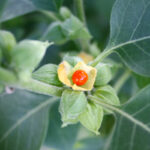
St. John’s wort – a herb also known as astragalus effectively supports the function of the blood-brain barrier, slows down brain aging, protects nerve cells in the cerebral cortex and hippocampus (seat of memory) and counteracts the formation of beta-amyloid plaques. It can influence both innate and acquired immune responses, as well as the formation, development and activation of a wide range of immune cells, such as monocytes, macrophages, T-cells, B-cells and dendritic cells. It also increases the production of IgA, IgG and IgM antibodies and has a significant anti-inflammatory effect.
Hydroxytyrosol – a polyphenol abundantly contained in olives is one of the most powerful natural antioxidants and has a strong anti-inflammatory effect. It improves the overall immune response and the production of a number of immune cells, and has direct antiviral and antibacterial effects. Its positive effects on the brain are also extensive, which is due to its ability to penetrate the blood-brain barrier and act directly in brain tissue. There, it mitigates nerve cell damage, improves cognitive function and slows its decline with age, and reduces the risk of Alzheimer’s disease.
Resveratrol – a dye from red wine has a significant positive effect on memory and cognitive processes. It also protects nerve cells from damage and stabilises amyloid levels in the brain. It has a strong anti-inflammatory effect and is one of nature’s most powerful activators of sirtuins, which are age-slowing enzymes that are also essential for proper mitochondrial function.
Rhodiola – has a positive effect on virtually all cognitive abilities, repairs damage to the blood-brain barrier, counteracts depression and anxiety, and also alleviates the negative effect of fatigue and stress on mental performance.
Butyrate – a short-chain fatty acid is essential for the proper functioning of the brain. It is normally produced by intestinal bacteria, but when the gut microbiome is disrupted, it can be used as a dietary supplement. According to studies, it can be beneficial for all brain-related problems (memory and learning disorders, autism, ADHD, depression, Alzheimer’s disease and other types of dementia, insomnia, depression, and more).
Saffron – the scales of the crocus are known primarily for their antidepressant effects, which are comparable to antidepressants for moderate depression (and can also be combined with these drugs). But it also has a direct positive effect on mental performance and memory, reducing the negative effect of stress on cognitive processes and preventing the formation of beta-amyloid plaques. It also supports the ability of the gut microbiome to produce butyrate.
Baikal coneflower – has a very strong anti-inflammatory effect and directly supports immunity and acts against some viruses and bacteria. It can alleviate memory disorders caused by beta-amyloid plaques (i.e. in Alzheimer’s disease), improves mitochondrial function in brain tissue and a number of cognitive functions, and supports the resistance of nerve cells to oxygen deprivation and ageing-related processes. It effectively supports the integrity of the blood-brain barrier, but some of its active substances can also penetrate the barrier and act directly inside the brain.
Quercetin – it is a very powerful antioxidant with anti-inflammatory and epigenetic effects, which also has a positive effect on the intestinal microbiome and mitochondrial function. It is also able to penetrate directly into the brain, while protecting the blood-brain barrier.
0:00
/
0:00
Stárnutí je volba
Klíčová slova: Alzheimer's disease, antioxidant, Astragalus, astrocytes, Baikal pine cone, blood-brain barrier, brain, Butyrate, Fenugreek blanched, gut microbiome, hydroxytyrosol, immunity, inflammation, learning ability, memory, mental performance, microglia, Mitochondria, Parkinson's disease, quercetin, resveratrol, Rhodiola, saffron, T cells
Komentáře
Seznam zdrojů
- Keiko Morimoto and Kazunori Nakajima. Role of the Immune System in the Development of the Central Nervous Systém. Front Neurosci. 2019; 13: 916.
- Staci D. Bilbo and Jaclyn M. Schwarz. The Immune System and Developmental Programming of Brain and Behavior. Front Neuroendocrinol. 2012 Aug; 33(3): 267–286.
- Anforth HR, Bluthe RM, Bristow A, Hopkins S, Lenczowski MJ, Luheshi G, Lundkvist J, Michaud B, Mistry Y, Van Dam AM, Zhen C, Dantzer R, Poole S, Rothwell NJ, Tilders FJ, Wollman EE. Biological activity and brain actions of recombinant rat interleukin-1alpha and interleukin-1beta. European cytokine network. 1998;9:279–288.
- Ashwell K. Microglia and cell death in the developing mouse cerebellum. Brain research. Developmental brain research. 1990;55:219–230.
- Ashwood P, Krakowiak P, Hertz-Picciotto I, Hansen R, Pessah IN, Van de Water J. Altered T cell responses in children with autism. Brain, behavior, and immunity. 2010
- Ban EM, Sarlieve LL, Haour FG. Interleukin-1 binding sites on astrocytes. Neuroscience. 1993;52:725–733.
- Banks WA, Erickson MA. The blood-brain barrier and immune function and dysfunction. Special Issue: Blood Brain Barrier. 2010;37:26–32.
- Banks WA, Farr SA, Morley JE. Entry of blood-borne cytokines into the central nervous system: effects on cognitive processes. Neuroimmunomodulation. 2002;10:319–327.
- Barrientos RM, Higgins EA, Sprunger DB, Watkins LR, Rudy JW, Maier SF. Memory for context is impaired by a post context exposure injection of interleukin-1 beta into dorsal hippocampus. Behavioural brain research. 2002;134:291–298.
- Bilbo SD, Barrientos RM, Eads AS, Northcutt A, Watkins LR, Rudy JW, Maier SF. Early-life infection leads to altered BDNF and IL-1beta mRNA expression in rat hippocampus following learning in adulthood. Brain, behavior, and immunity. 2008;22:451–455.
- Eroglu C, Barres BA. Regulation of synaptic connectivity by glia. Nature. 2010;468:223–231.
- Fatemi SH, Folsom TD. The neurodevelopmental hypothesis of schizophrenia, revisited. Schizophrenia bulletin. 2009;35:528–548.
- Hornig M, Weissenbock H, Horscroft N, Lipkin WI. An infection-based model of neurodevelopmental damage. Proceedings of the National Academy of Sciences of the United States of America. 1999;96:12102–12107.
- WMJI, Glaser R. Stress hormones and immune function. Cell Immunology. 2008;252:16–26.
- Merrill JE. Tumor necrosis factor alpha, interleukin 1 and related cytokines in brain development: normal and pathological. Developmental neuroscience. 1992;14:1–10.
- Immune genes are altered in Alzheimer’s patients’ blood, Northwestern University. February 9, 2024.
- F Marx, I Blasko, M Pavelka, B Grubeck-Loebenstein. The possible role of the immune system in Alzheimer’s disease. Exp Gerontol. 1998 Nov-Dec;33(7-8):871-81.
- Danping Zheng, Timur Liwinski & Eran Elinav. Interaction between microbiota and immunity in health and disease. Cell Research volume 30, pages492–506 (2020).
- Wei-Li Wu, Mark D. Adame, Chia-Wei Liou, Jacob T. Barlow, Tzu-Ting Lai, Gil Sharon, Catherine E. Schretter, Brittany D. Needham, Madelyn I. Wang, Weiyi Tang, James Ousey, Yuan-Yuan Lin, Tzu-Hsuan Yao, Reem Abdel-Haq, Keith Beadle, Viviana Gradinaru, Rustem F. Ismagilov & Sarkis K. Mazmanian. Microbiota regulate social behaviour via stress response neurons in the brain. Nature volume 595, pages409–414 (2021)
- Wen Tang, Zhaoyou Meng, Ning Li, Yiyan Liu, Li Li, Dongfeng Chen, Yang Yang. Roles of Gut Microbiota in the Regulation of Hippocampal Plasticity, Inflammation, and Hippocampus-Dependent Behaviors. Front. Cell. Infect. Microbiol., 27 January 2021
- Michal Novotný, Blanka Klímová, Michal Vališ. Microbiome and Cognitive Impairment: Can Any Diets Influence Learning Processes in a Positive Way? Front. Aging Neurosci., 28 June 2019
- Akhondzadeh Basti A., Moshiri E., Noorbala A. A., Jamshidi A. H., Abbasi S. H., Akhondzadeh S. (2007). Comparison of petal of Crocus sativus L. and fluoxetine in the treatment of depressed outpatients: a pilot double-blind randomized trial. Prog. Neuropsychopharmacol. Biol. Psychiatry 31 (2), 439–442.
- Haiyan Zhu, Zhiyao Wang, Yanwei Xing, Yonghong Gao, Tao Ma, Lixia Lou, Jinning Lou, Ying Gao, Shuoren Wang, Yongyan Wang. Baicalin reduces the permeability of the blood-brain barrier during hypoxia in vitro by increasing the expression of tight junction proteins in brain microvascular endothelial cells. J Ethnopharmacol. 2012 Jun 1;141(2):714-20.
- Si-chong Ren , Qi-feng Suo, Wen-ting Du, Hong Pan, Ming-ming Yang, Ruo-han Wang, Ji Liu. [Quercetin permeability across blood-brain barrier and its effect on the viability of U251 cells]. Sichuan Da Xue Xue Bao Yi Xue Ban. 2010 Sep;41(5):751-4, 759.
- Zhao Jin, Jianjuan Ke, Peipei Guo, Yanlin Wang, Huisheng Wu. Quercetin improves blood-brain barrier dysfunction in rats with cerebral ischemia reperfusion via Wnt signaling pathway. Am J Transl Res. 2019 Aug 15;11(8):4683-4695.
- Hongli Li, Ping Wang, Fei Huang, Jinmei Jin, Hui Wu, Beibei Zhang, Zhifei Wang, Hailian Shi, Xiaojun Wu. Astragaloside IV protects blood-brain barrier integrity from LPS-induced disruption via activating Nrf2 antioxidant signaling pathway in mice. Toxicol Appl Pharmacol. 2018 Feb 1:340:58-66.
- Ivana Sirangelo, Margherita Borriello, Maria Liccardo, Marika Scafuro, Paola Russo, and Clara Iannuzzi. Hydroxytyrosol Selectively Affects Non-Enzymatic Glycation in Human Insulin and Protects by AGEs Cytotoxicity. Antioxidants (Basel). 2021 Jul; 10(7): 1127.
- Sebastiano Terracina a kol. Antioxidant Intervention to Improve Cognition in the Aging Brain: The Example of Hydroxytyrosol and Resveratrol. Int. J. Mol. Sci. 2022, 23(24), 15674;
- Ekaterina Fock and Rimma Parnova. Mechanisms of Blood–Brain Barrier Protection by Microbiota-Derived Short-Chain Fatty Acids. Cells. 2023 Feb; 12(4): 657.
- Fátima Pérez de Heredia, Sonia Gómez-Martínez, Ascensión Marcos. Obesity, inflammation and the immune systém.
Proc Nutr Soc. 2012 May;71(2):332-8. - MohammadSaeedi, AliRashidy-Pour. Association between chronic stress and Alzheimer’s disease: Therapeutic effects of Saffron. Biomedicine & Pharmacotherapy. Volume 133, January 2021, 110995
- Hensel, M. Niehues, M. Lechtenberg, B. Quandt, D. Schepmann, B. Wünsch. Analytical and functional aspects on Saffron from Crocus sativus L.: development of quality control methods, species assortment and affinity to sigma-1 and NMDA receptors. Planta Med., 72 (11) (2006), p. P_074
- Haloom Rafehi, Andrea J. Smith, Aneta Balcerczyk, Mark Ziemann, Jenny Ooi, Shanon J. Loveridge, Emma K. Baker, Assam El-Osta & Tom C. Karagiannis. Investigation into the biological properties of the olive polyphenol, hydroxytyrosol: mechanistic insights by genome-wide mRNA-Seq analysis. Genes & Nutrition volume 7, pages343–355 (2012)
- E. Díaz,S. Gómez,E. Nova,J. RomeoandA. Marcos. Immunomodulation and antioxidant capacity of hydroxytyrosol present at oleic acid-rich sunflower oil. Cambridge University Press: 12 May 2008.
- Emmanuel Quaye a kol. Association of Obesity With Cognitive Decline in Black and White Americans. Neurology. 2023 Jan 10; 100(2): e220–e231.
- Li F, Gong Q, Dong H, Shi J. Resveratrol, a neuroprotective supplement for Alzheimer’s disease. Curr Pharm Des. 2012;18(1):27-33.
- Alcaín FJ, Villalba JM (April 2009). “Sirtuin activators”. Expert Opin Ther Pat 19 (4): 403–14.
- Theresa Köbe, A. Veronica Witte, Ariane Schnelle, Valentina A. Tesky, Johannes Pantel,Jan-Philipp Schuchardt, Andreas Hahn, Jens Bohlken, Ulrike Grittner, and Agnes Flöel. Impact of Resveratrol on Glucose Control, Hippocampal Structure and Connectivity, and Memory Performance in Patients with Mild Cognitive Impairment. Front Neurosci. 2017; 11: 105.
- Ping Liu, Haiping Zhao, and Yumin Luo. Anti-Aging Implications of Astragalus Membranaceus (Huangqi): A Well-Known Chinese Tonic. Aging Dis. 2017 Dec; 8(6): 868–886.
- Yiun Zheng a kol. A Review of the Pharmacological Action of Astragalus Polysaccharide. Front. Pharmacol., 24 March 2020
- Yue GG, et al Screening for anti-inflammatory and bronchorelaxant activities of 12 commonly used Chinese herbal medicines . Phytother Res. (2012)